

The Boys Season 5: Every Main Character's Ending, Ranked
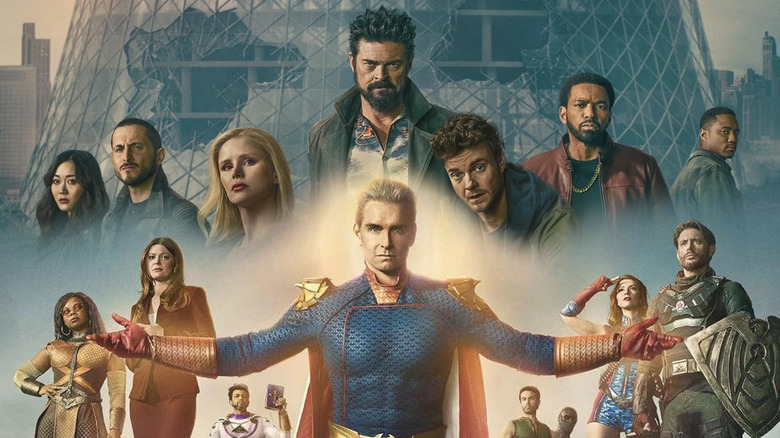
After seven years and five bloody seasons, "The Boys" has come to an end. Broadly, reviews of the final season have declined from mixed to decidedly negative. /Film ranked "The Boys" Season 5 as the worst season of the franchise at large. Fans of the series have been even harsher online.
While the series has struggled to regain the mature prestige of its first two seasons, the decline in quality throughout the final season has been particularly stark, reaching a new low in its utterly milquetoast series finale, "Blood and Bone." It delivered on some of the death and gore fans were hoping for — but on cathartic or emotionally satisfying character endings, the finale was slight. The entire season has been uneven in this regard, with some characters going out like heroes while others continued to tread water until they simply drowned in unused potential. To eulogize the tragically clumsy end of what once seemed like one of the great dramas of the 2020s, we've ranked the endings of every character on "The Boys" from least to most disappointing.
17. A-Train
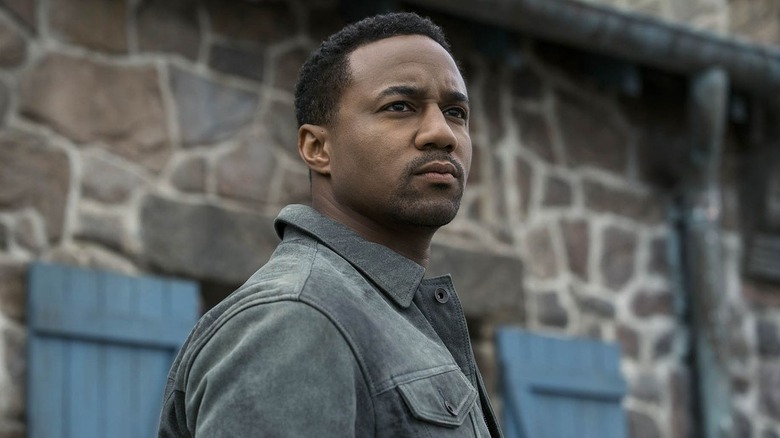
If there's one ending "The Boys" absolutely nailed, it was the death of A-Train. The redemption arc of the supe (who unwittingly catalyzed the series' events by accidentally murdering Hughie's girlfriend) was perfectly poetic. Having definitively redeemed himself in the eyes of his brother, he put his life on the line one last time to save The Boys from Homelander. His race against the super psychopath was thrilling in terms of sheer spectacle — a dark homage to the race between Superman and The Flash that comics fans have witnessed time and time again. That he seems to lose only because he chooses to avoid running into another innocent bystander is a satisfying (if dramatically overt) choice by the writing team.
A-Train is soon after killed by Homelander, but not before he tells the would-be god that he's hardly anything to be afraid of. In an exclusive interview with /Film after A-Train's death in the Season 5 premiere, actor Jessie T. Usher shared with us that, "It feels like [A-Train] was a kid who was in bed and staring at the closet, just terrified of the boogeyman for so long. And then now he's finally gotten the nerve to sort of just wake up in the middle of the night, walk over to the closet, rip open the door, and face the boogeyman and just have that breath of like, 'Oh s**t, this thing is not even that scary. It's been my trenchcoat this whole time.'"
16. Annie January
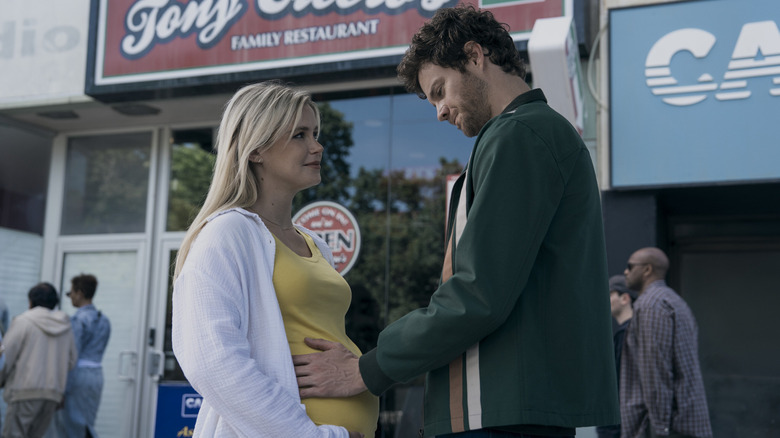
Of the founding protagonists of "The Boys," Erin Moriarty's Annie January had the brightest ending by far. Having spent the final season wrestling with her guilt over the deaths of the people who supported her rebellion against The Seven, the character finally proved to herself that she'd become the hero she always believed she could be.
The series finale nails three key moments for her character. First, her pep talk to the "Gen V" kids mirrors the wisdom she received from the unfortunately absent Queen Maeve a few seasons ago. Then, during the final battle, she actually gets to face off against The Deep (Chace Crawford), who is not just her original enemy and abuser, but a broken, false "hero" who is her exact opposite — someone who is genuinely responsible for their own suffering, but is too scared to take responsibility. He's everything she's afraid she is, but actually isn't.
Annie has been far from a perfect character in the series — but she deserved a happy ending. She gets to heal two wounds by becoming a hero on her own terms and by becoming the parent she needed as a child, the final scene of the show giving her the agency she'd been fighting for since the series premiere.
15. Homelander
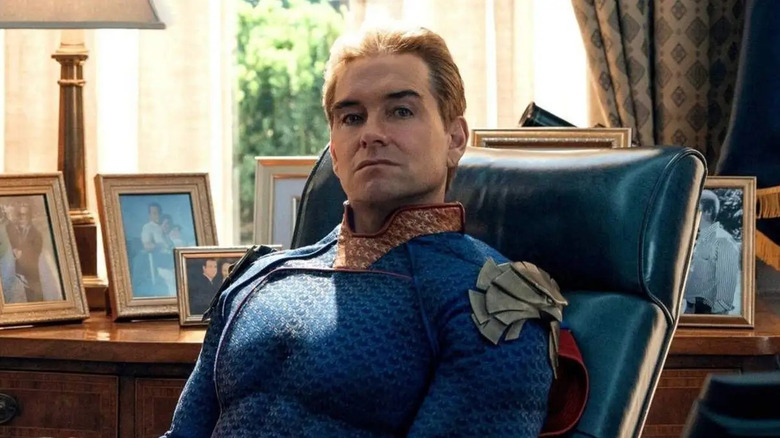
We're of two minds about the final arc of Antony Starr's Homelander. On the one hand, his sudden, earnest belief that he was to become the one true god on Earth was jarring and created a psychological distance between him and the audience that muted the aspects of his characterization that were so eerily canny. On the other hand, Trump did post a photo of himself as Jesus Christ less than a week after the Season 5 premiere. Maybe that psychological distance should be a wake-up call for Americans.
More than anything, "The Boys" has been leading to a final fight between Homelander and Butcher. For the most part, the series got it right, at least regarding the former character. Sure, we would've liked to see him wreak the kind of chaos and carnage the marketing implied — after all, the show basically implies Homelander's legacy is undone by his groveling and subsequent defeat, rather than by his supporters realizing how evil he truly is. But the fight was decently bloody, and watching Starr panic and squirm without his powers for the first time was cathartic in itself.
14. Ashley Barrett
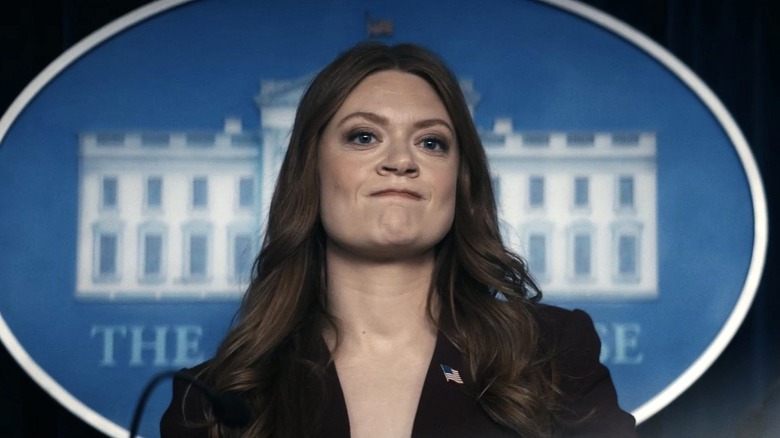
Colby Minifie's Ashley Barrett is the most successful original character created by the television series. After appearing in a modest capacity throughout the first season as a reliable scene-stealer, she quickly became one of the best and most impactful figures within the story.
By Season 5, she has hilariously failed upward to the point of becoming Vice President, and has gained the ability to read minds via a second "Ashley" in the back of her head. This growth served to literalize Ashley's increasingly loud and unignorable conscience. It's dramaturgically sharp that Ashley makes a consequential but decidedly limited contribution to the Boys' assault on Washington, only to attempt to grab power for herself in the form of the presidency. Her swift and unceremonious removal from office was one of the only amusing moments from the series finale.
13. Sister Sage
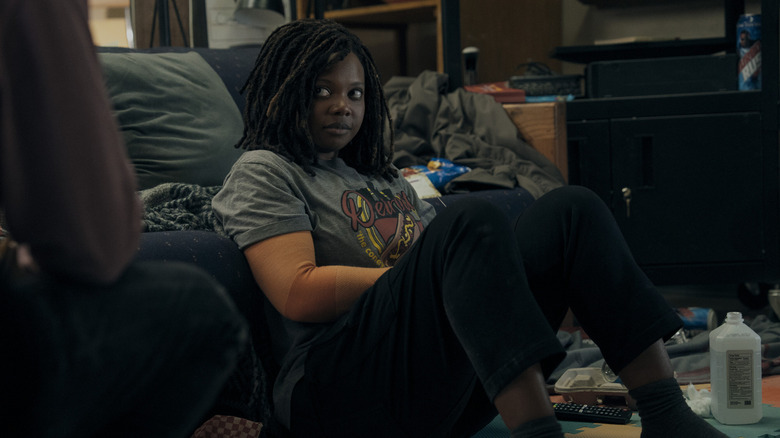
Susan Heyward's Sister Sage has been with the cast for a significantly shorter tenure than the rest of the ensemble, but she was immediately interesting as the first prominent, powerful supe to see their gift as a curse.
Though audiences had already seen her temporarily lobotomize herself to simulate the effects of being high, Season 5 brought Sage's nihilism to the foreground of her storyline. Her ultimate goal is to help bring about the end of the world, theorizing that turning herself into the smartest woman on the cinder (as Alan Moore might say) would bring her peace in solitude. It is kind of a reverse-Ozymandias plan, if you think about it — and it's not that far of a stretch to wonder if this is an intentional subversion on the writers' part.
Either way, that Sage ultimately finds peace by having her powers removed (and immediately f***ing off to "Harry Potter" world) is perfect in a vacuum. It does raise the question of why (if the writers were going to create so many new plot elements for the final season anyway) the show didn't explore the possibility of mass-depowering supes, to neutralize them without turning to genocide.
12. Oh Father
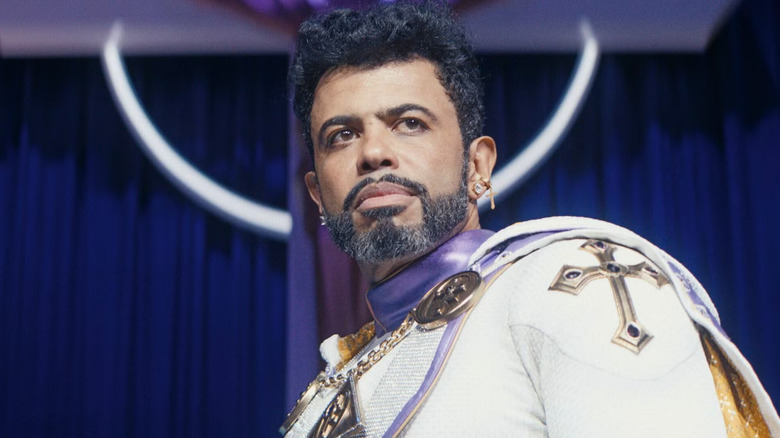
Despite having joined the show only during its final season, Daveed Diggs' Oh Father was a solidly effective character. He works as a more distinct, louder (literally and figuratively speaking) version of Ezekiel, the evangelical supe who appeared sporadically throughout the series and died in Season 4.
Oh Father dies during the assault on the White House. The fact that he — a brand-new character the audience has little relationship with — was one of two supes standing as Homelander's last line of defense really underscores how underwhelming the series finale's action was. That said, his "death-by-metal-ball-gag" fate was serviceable and competently set up, even if it cribs the Black Bolt death from "Doctor Strange in the Multiverse of Madness."
11. Firecracker
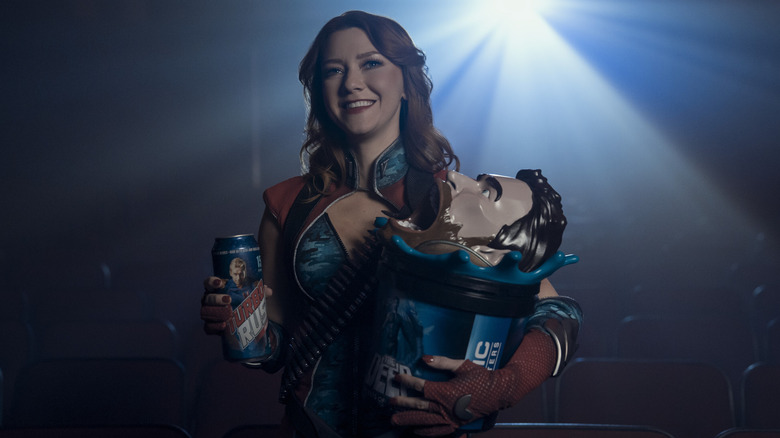
The death of Valorie Curry's Firecracker was dramatically justified, even if her arc felt a bit predictable and on the rails this season. "The Boys" created her with direct inspiration from real-life right-wing conspiracy theorist and former congresswoman Marjorie Taylor Greene. Fans had long theorized that the character would die trying to please Homelander (more specifically, through the pills that made her sick), and that wound up being true — a tragic end largely sold by Curry's performance in her final episode.
It's also worth noting, though, that Firecracker is one of many examples of "The Boys" having a faulty read on (or at the very least struggling to translate/satirize) the landscape of contemporary politics, in large part because of their undermining fixation on Trump (via Homelander) as a single, beatable "big bad" as opposed to a byproduct of a larger system. Greene has not stayed loyal to Trump until the very end — she has maneuvered outside his influence in direct defiance of his regime, and is now poised to be a prominent figure in a post-MAGA alt-right that has the potential to be even more dangerous.
10. Black Noir II
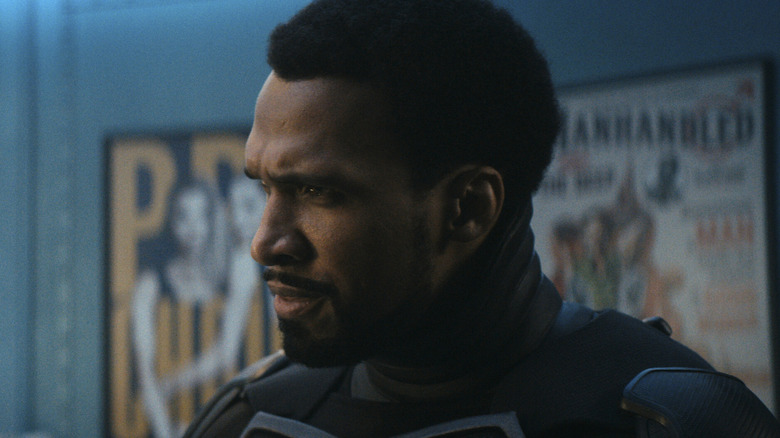
The original Black Noir (Nathan Mitchell) already had one of the best character endings in the series back in Season 3. His successor (also played by Mitchell) didn't need anything too flashy.
Black Noir II is strangled and stabbed by The Deep after the latter learns he was responsible for the oil spill that killed over a billion sea creatures. It isn't the most elegant narrative beat in the show, but if you squint, it essentially serves as the ultimate instance of The Deep not taking responsibility for his actions (either for randomly killing New Noir's future boss or for endorsing a pipeline). In an exclusive interview with /Film after his (second) death on the series, Mitchell admitted he was sad not to get to stay with the story through to its finale, but understood the role he needed to play in the larger narrative.
9. Stan Edgar
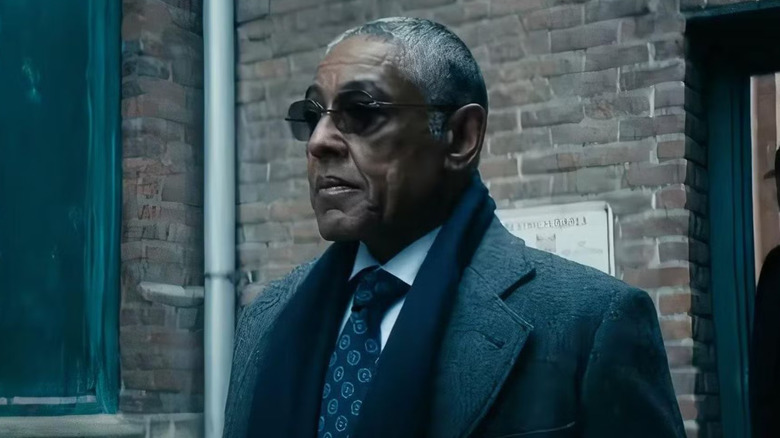
On the show's terms, the Stan Edgar (Giancarlo Esposito) ending does exactly what it should — albeit in the obvious, mustache-twirling way of the superhero stories "The Boys" is supposed to be parodying. Just like in the comics, the corporate engine behind Homelander's rise to power survives his downfall, sweeping his actions under the rug and leaving the world's future vulnerable to further neglect. That's probably how this story always needed to end.
In a perfect world, Vought and Compound V would be removed from the world entirely, but overthrowing what appears to be the single corporate monopoly of this universe would likely veer too far into fantasy for a show as ostensibly grounded as "The Boys." That said, the necessary dread of Stan's ending is entirely undercut by the finale's aspirational, montage-y tone and the implication that the government's anti-supe task force will prevent Vought from continuing to threaten the world's safety. The whole point of his character is that he represents an evil that is, in many ways, larger and harder to take down than Homelander. The finale fails to evoke the emotional truth of that reality — which, incidentally, is much closer to ours.
8. Mother's Milk
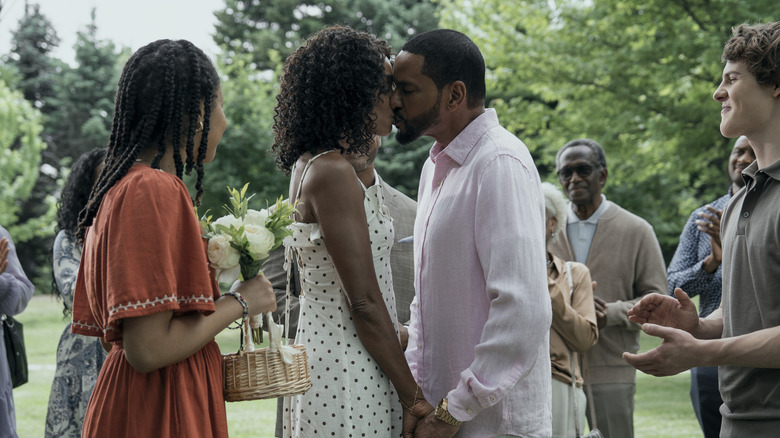
"The Boys" has always struggled to make Laz Alonso's Mother's Milk as interesting as his teammates. Season 3 gave him the most focus, granting him an instrumental role in the overarching narrative while exploring his past. Season 5 didn't achieve anything nearly as compelling for the character — but at least we know why he's called Mother's Milk now.
In the series finale, M.M.'s only moment is the killing of Oh Father — a dramatically neutral showdown that feels fairly weightless by that point. He is later shown (in montage, sigh) to have remarried his ex-wife and taken in Ryan. The show doesn't give the power of that decision nearly enough room. M.M.'s character has always been about family, but becoming the guardian of a supe despite having generational trauma related to them is a tremendous moment of growth to leave in a montage.
7. Soldier Boy
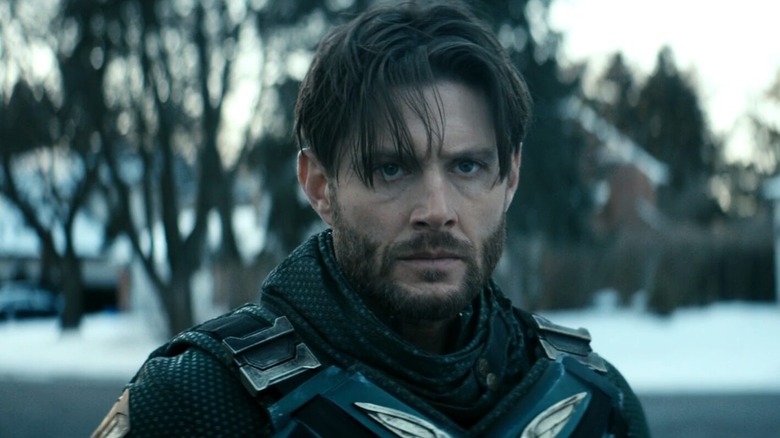
"The Boys" spent the entirety of its early seasons making fun of big corporations spewing out mindless, unending franchises — then became the very thing it was making fun of by using much of their final season to sell the audience on an upcoming spin-off series. As a result, Jensen Ackles' Soldier Boy went from being the fan favorite seasonal villain to being a frustrating distraction from the stories fans actually wanted.
Homelander brings Soldier Boy out of cryosleep, has him strut around for several episodes doing exactly what you expect him to do, and then puts him back just in time for "Vought Rising." The most interesting moment for him is when he nearly dies from the supe virus, which creates real internal drama for Homelander — but dead men don't sell Prime subscriptions.
6. Kimiko Miyashiro
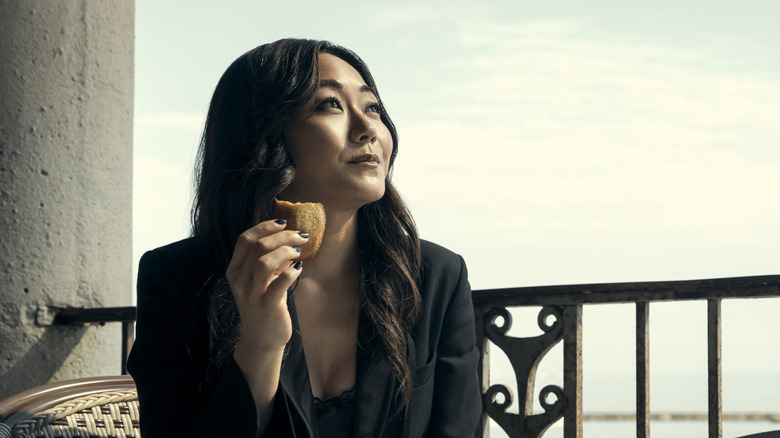
It was a bold choice for "The Boys" to hard-launch Kimiko talking in the Season 5 premiere. Karen Fukuhara asked showrunner Eric Kripke early during the series' run not to make the character's muteness physical, as she hoped she'd get to speak in future seasons. While we're happy that the actor got her wish, the show handled her growth between seasons rather indelicately.
Kimiko spends most of Season 5 delivering some rough dialogue and replaying the same beats of her relationship with Tomer Capone's Frenchie. She's just ... there, right through the finale. While it makes sense within the show's internal logic that she's the carrier of Soldier Boy's supe-neutralizing powers, her role in the final battle against Homelander doesn't have any direct emotional weight — which is probably why the script fell back on a cliched moment between her and ghost-Frenchie in the Oval Office to try and add anything deeper to what was the same laser-punch finale of the Marvel shows "The Boys" makes fun of.
5. Ryan Butcher
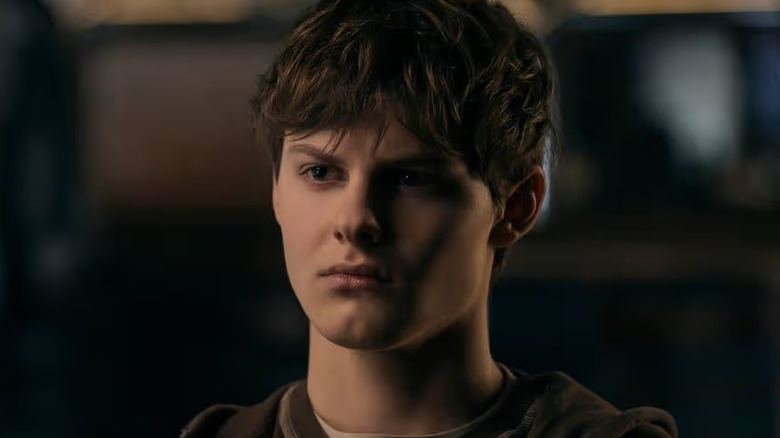
At the end of Season 3, it seemed to everyone like Ryan Butcher was going to be the most important character on "The Boys." Season 5 treated him like an afterthought.
One could argue that the series wrote Cameron Crovetti's tragically orphaned super-heir into a corner the moment he killed his own mother in Season 2. It should go down as the most brilliant moment of the series — shocking, original, horrifying, and tragic all at once. That Butcher was too slow to embrace him after the fact, unintentionally pushing him toward Homelander, felt as earned and inevitable as it was deciding for the character. Season 4 didn't want to reverse course — but it also didn't know what to do with Ryan beyond making him accidentally kill again.
Ryan enters the final season with no purpose and exits the same way. He comes in as the "surprise" third party in the fight against Homelander, but it doesn't mean anything — he already tried to kill Homelander this season, and is very clearly not trying to reconcile with Butcher. It's a moment as inane as the Season 2 finale was amazing.
4. The Deep
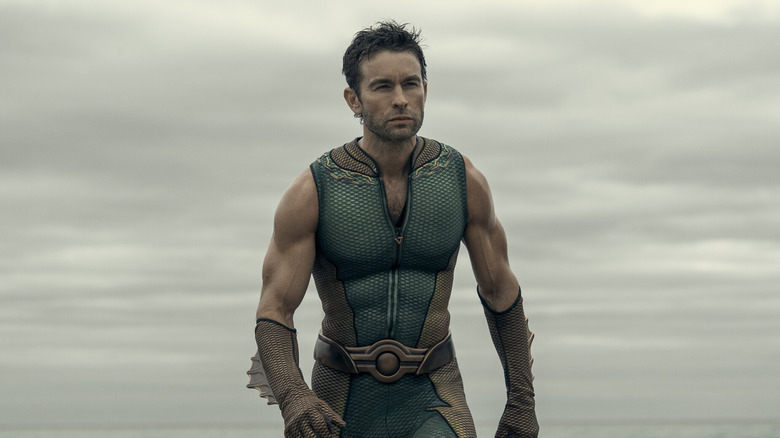
"The Boys" writers claim The Deep is one of their favorite characters — the story doesn't show it. When the series premiered, he felt like an important and poignant character in the post-#MeToo era. At a time when real-life villains like him were rightfully being publicly shamed and shunned, and (at least temporarily) removed from the spotlight, the decision to continue following his character after what he did to Annie created one of the most psychologically interesting storylines the series has ever had. Like "The Morning Show," it asked what happens to these kinds of men after they've been exposed.
It isn't wrong that The Deep rehabilitated his image, returned to the team, and retreated into unchecked narcissism — but it's nonetheless an expected and unchallenging endpoint his character has been treading water in for multiple seasons. He's become a perfect example of why writers should be careful giving a character exactly what they morally deserve. Is it justified? Yes. Is it satisfying to watch if there's nothing unexpected happening underneath the surface? Not really.
3. Frenchie
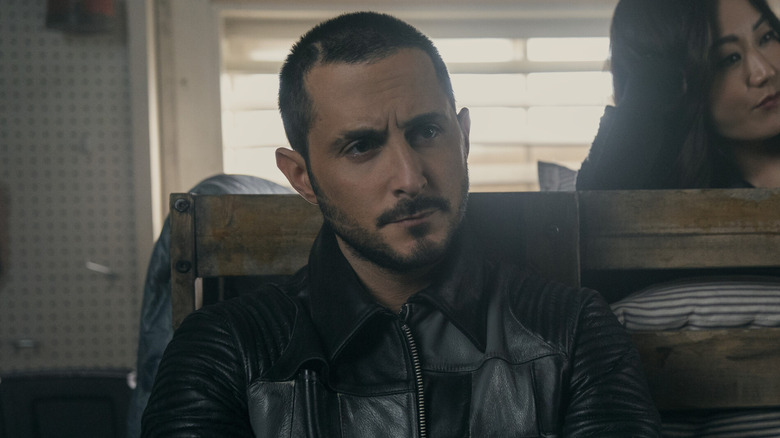
There are many elements of "The Boys" Season 5 that are confusing on a technical level, to the extent that viewers have been baffled by marketing that implied existential destruction that never appeared, and even speculated that significant portions of Kimiko's dialogue had been done in post-production. The weirdest example of this by far is Frenchie's death.
As it stands, Frenchie kills himself by radiation poisoning for no reason. It doesn't stop or even meaningfully damage Homelander; it barely even slows him down. You can make the argument that it protected Sage and Kamiko, but that doesn't deliver the way a death of this magnitude should.
Aside from his admittedly cool final dig ("I bet you never danced a day in your life"), the moment feels like an empty death for a major character. Set photos seem to suggest that, at some point, the plan was for Homelander to finish off Frenchie. This would explain the large blood trail and would make the death a little more meaningful. Otherwise, it's a blatantly reverse-engineered death meant to manufacture a sense of gravity before the final episode.
2. Hughie Campbell
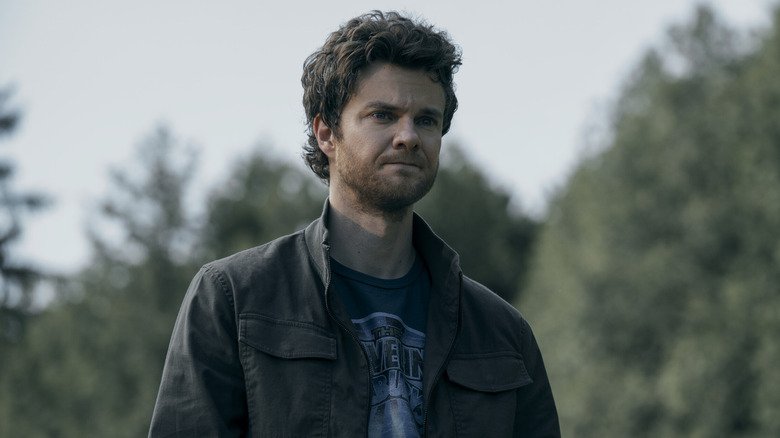
At first glance, Hughie's ending doesn't seem all that bad. He saves the day with some endearing tech know-how, has an inevitable final showdown with Butcher where he proves (for the billionth time) that he's the only person still capable of bringing the best out of the old man, and decides to leave the life behind for good. Charitably, his ending is probably supposed to be read as that of a boy becoming a man by finally rejecting the darkness that consumed one of the people he was closest to (and let's even put aside for a moment that Season 5 doesn't do enough to get the audience re-invested in the Hughie-Butcher relationship for this moment to work).
The issue is that Hughie represents the audience's POV. He's the everyman, the carrier of the show's dramatic thesis, a character who, above all others, we're supposed to empathize with and identify with. By extension, through Hughie's ending, "The Boys" argues that we should all just kinda check out. Should Hughie have let Butcher commit supe-genocide? No. Should he have joined the President's anti-supe task force? Probably not. But he (and by "he," we mean the writers) needed to answer one critical question the show has considered but decidedly never settled: What about the next Homelander? That is quietly one of the most important questions facing America right now. It should've been so in 2021. Butcher asks Hughie directly. Hughie — and the show — declines to answer.
Hughie's "friendly neighborhood" ending is cute, but it relies on dreamy comic book tropes rather than interrogating them. It preaches hope without change and tacitly endorses passing the buck onto the next generation, whether that's Ryan, the Gen V kids, or the unborn child that is literally being forced to fight crime in the womb.
1. William Butcher
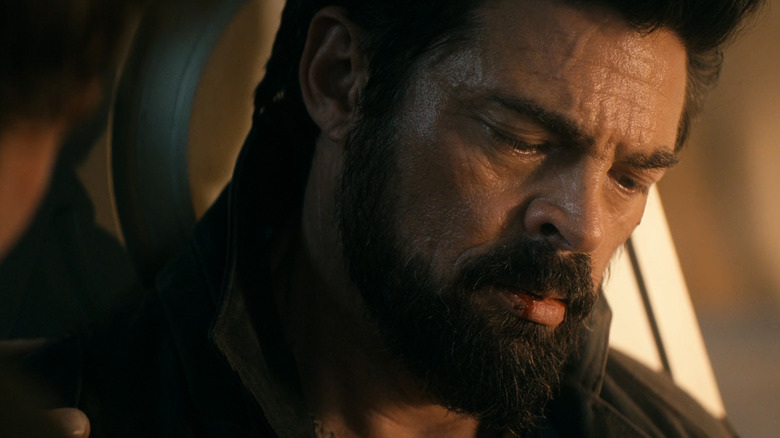
The way "The Boys" chooses to end the central character arc of Karl Urban's enigmatic Billy Butcher is the Amazon series' strangest and most upsetting dramatic failure.
Given how much the series had diverged from the trajectory of the comic books, they nonetheless chose to rush through an approximation of Butcher's original ending, at least in terms of the broad strokes, narratively, emotionally, and visually. But in the finer elements of execution, the TV series seemingly misses the point of the original ending, despite the recreation, and betrays a lack of understanding of the shared themes that once made both the comics and the series compelling. As much as the showrunners might try to argue that all the standing and talking this season was an act of restraint or subversion of superhero tropes, they still allowed Butcher to kill Homelander – an act of vengeance he was robbed of in the comics by Homelander's secret clone, Black Noir. It's a small choice that asks the reader to question the utility of Butcher's actions. The series asks nothing that powerful.
The comics fascinatingly showed that Butcher and Homelander were both victims of the same psychopathic machine and were ultimately powerless to overthrow it because they had sacrificed too much to it in exchange for power. The series' perspective on Butcher is far more muddled. They portray his final turn toward genocide not as an inevitable psychological terminus of someone who had embraced the weapons of his enemy to destroy them, but as the bleakly utilitarian actions of a sad, suicidal man who realized just a second too late that he actually did have one thing left to live for. It's a technically legible but cowardly ending for the character and the series as a whole.