

25 Best Directors Of All Time, Ranked
We may receive a commission on purchases made from links.
Ranking the best directors of all time is a formidable task. How do you weigh a director's output against their influence? Ultimately, the question is who has left the most lasting impression on film culture, and why.
Making a list like this also means confronting the industry's realities. You'll notice a dismal underrepresentation of directors of color, women, and queer filmmakers compared to the overwhelming majority of entries: white men.
Hollywood, and the filmmaking industry writ large, have historically diminished the voices of marginalized filmmakers, limiting their opportunities to create, distribute, and receive recognition for their work. When those opportunities have disproportionately gone to the same insular group, it's no surprise their work has come to dominate the cinematic canon. Hopefully, future renditions of this list will reflect a greater appreciation of historically overlooked filmmakers and the continued emergence of exciting, diverse voices pushing the medium forward.
For now, the directors on this list reflect film history's achievements and the inequities that have shaped it. Here are the 25 best directors of all time, ranked.
25. John Carpenter
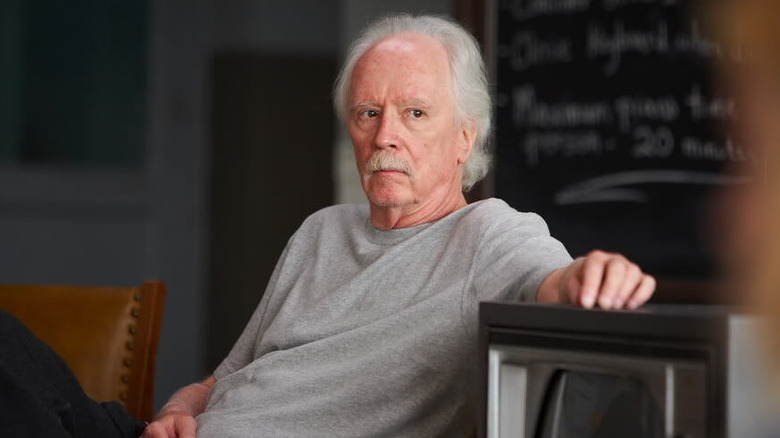
John Carpenter may not watch his own movies, but for the rest of us, he's left an indelible mark on genre cinema. He made "Halloween" in 1978 for a reported $325,000, scoring one of horror's most recognizable piano themes in three days and drafting a slasher blueprint: the ominous quiet of suburbia shattered by violence, all in gorgeous Scope framing. That's just one of his essential films, as "Assault on Precinct 13," "Escape From New York," and "The Thing" have helped cement his legacy.
Hollywood never quite knew what to do with Carpenter, not that he cared. "Big Trouble in Little China" flopped before becoming a respected cult object. "They Live" screamed its anti-consumerist messaging to the rafters inside a winking sci-fi B-movie, featuring one of the longest and goofiest fight scenes ever filmed. Few filmmakers have maintained such an unmistakable sensibility as Carpenter's stylish, innovative takes on horror and pulp.
24. Billy Wilder
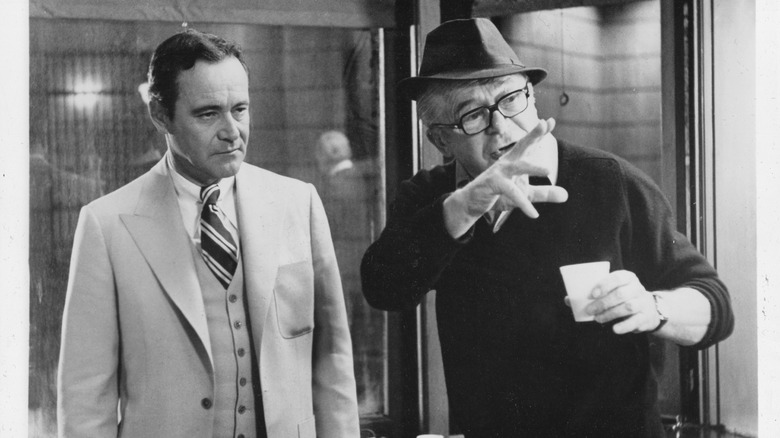
Billy Wilder fled terror in Europe and arrived in Hollywood with limited English, eventually becoming one of the town's sharpest writers. As a director, he constantly hopped genres without a hitch. "Double Indemnity," co-written with Raymond Chandler, helped define film noir; "The Lost Weekend" won Best Picture and Best Director at the Academy Awards for its unflinching look at alcoholism; the Gothic Hollywood nightmare of "Sunset Boulevard" scandalized the industry and aged into one of the most essential showbiz movies ever.
"Some Like It Hot," starring Marilyn Monroe, was named the greatest American comedy by the AFI. "The Apartment" threaded office-politics farce through a funny, emotional, deeply bittersweet story of loneliness, heartbreak, and workplace exploitation, going on to take home Best Picture. Wilder's films were often cynical, funny, and deeply humane all at once. If you need a place to start, we ranked 14 of his best movies.
23. Christopher Nolan
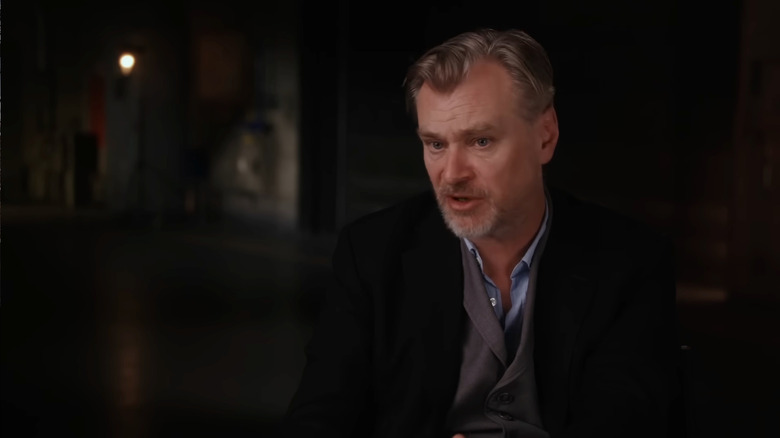
Christopher Nolan's legacy is already set in stone as a modern-day showman, and he's perhaps the last director who can conjure blockbuster events based on his name alone. His modest breakout "Memento" hinted at his cerebral ambitions. "The Dark Knight" elevated the gritty, tactile superhero movie into a new blockbuster standard, and "Inception" cemented his reputation as a purveyor of brainy yet crowd-pleasing big-budget spectacle. Of course, he is also the movie theater's loudest and most ardent evangelist, championing IMAX cameras, real film stock, and practical stunts.
His overwhelming ambition has never insulated him from criticism though, as detractors harp on cold characters, muddy sound mixes, and an unholy amount of exposition. But to see "Interstellar," "Dunkirk," or "The Odyssey" in a true IMAX presentation is to immerse yourself in the palpable vision of a man who knows exactly how to stage a set-piece. To watch "Oppenheimer" is to be amazed at how he can turn a three-hour biopic of men talking in rooms into something as high-octane as his thrillers. Nolan is in a league all his own, so we had a hard time ranking his movies.
22. Wong Kar-wai
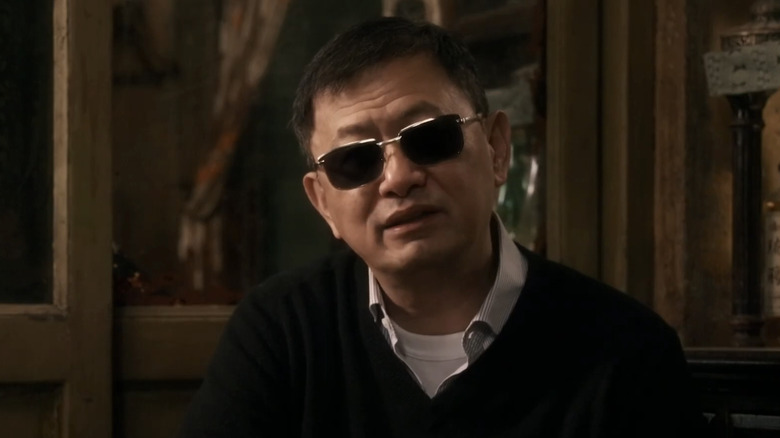
Nobody captures the sensorial experience of longing quite like Wong Kar-wai. The Hong Kong auteur, often working with cinematographer Christopher Doyle, built a visual language of romantic yearning from neon smears, slow-motion blurs, and step-printing warps of time and motion. Countless filmmakers have chased the ineffable quality he summons in his films about the aches and desires of the human experience, especially his standout film "Chungking Express," anchored by Tony Leung's exquisite features. The film helped make him an international name, with a boost from Quentin Tarantino, whose short-lived Rolling Thunder Pictures label brought it to American theaters, and "Happy Together" earned him Best Director at Cannes in 1997.
But it's "In the Mood for Love" that gave him legendary status. Pairing Tony Leung with Maggie Cheung as neighbors in 1962 Hong Kong who discover their spouses are having an affair, he turns it into a romance of pure, repressed feeling. It's the epitome of the entire Wong Kar-wai project, and it's the movie that has cemented his legacy. It also landed at #5 in Sight & Sound's 2022 critics' poll.
21. Robert Altman
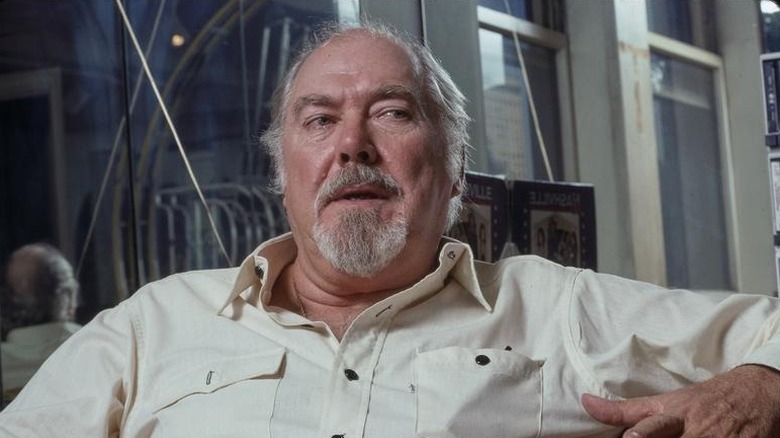
Robert Altman wasn't one to conform to Hollywood's tidy, controlled storytelling. A former bomber pilot who cut his teeth on industrial films and television, he broke through with "M*A*S*H," a profane, anti-authoritarian war comedy that won the top prize at Cannes in 1970. He developed a signature style built on overlapping dialogue, wandering zoom lenses, and enormous ensemble casts, often capturing multiple conversations simultaneously and extracting moments of clarity from the chaos. He adapted this style across the gamut of genres: "McCabe & Mrs. Miller" envisioned the Western as a hazy character study; "The Long Goodbye" subverted the noir by turning it into a shaggy, meandering ramble; and "Nashville" makes a compelling case for being the great American movie of the 1970s.
After the troubled "Popeye" in 1980, he spent years on the margins, working in theater and low-budget stage adaptations, before roaring back with "The Player," his biting Hollywood satire, followed by "Short Cuts" and "Gosford Park." He was nominated for Best Director five times, never won, but finally received an honorary Oscar in 2006, months before his death at 81. Altman may not have spent much time analyzing his own films, but a wealth of genius remains.
20. David Lean
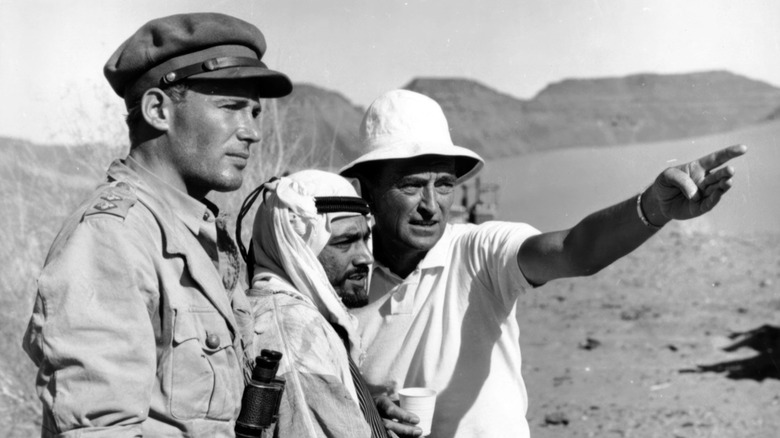
Before becoming an architect of cinematic epics, David Lean worked his way up from studio cutting rooms to become one of British film's finest editors. The training shows in the precision of everything he would go on to shoot. After co-directing "In Which We Serve" with Noël Coward, he made "Brief Encounter," a beautifully felt railway-station romance of aching restraint, whose DNA is evident in beloved movies such as "Before Sunset" and "The Bridges of Madison County."
It was later that he would prove his gift for scale. "The Bridge on the River Kwai" won Best Picture and Best Director, but, of course, it's "Lawrence of Arabia" that turned his name into shorthand for grandeur — a movie with a rare perfect Metacritic score. That film alone earns him a spot here, even without his other wonderfully helmed features, which all reveal a filmmaker attuned to the most crucial tenets of storytelling.
19. Charlie Chaplin
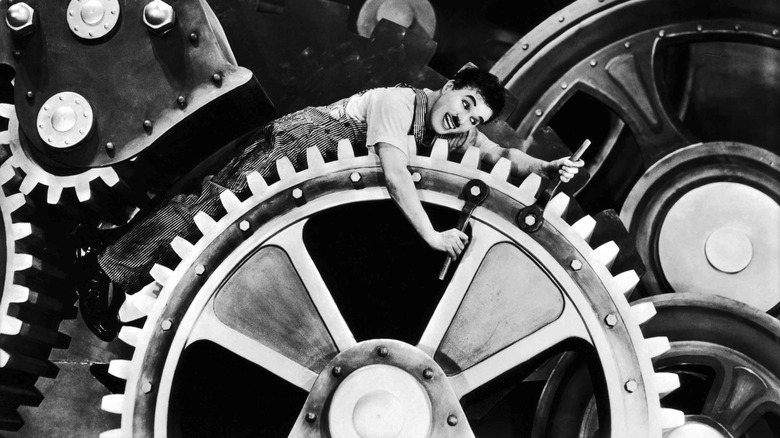
Not just one of the most influential comedy stars in history, and one of the most famous entertainers to ever work in Hollywood, many of Charles "Charlie" Chaplin's greatest successes were helmed by the man himself. From London poverty and the music-hall stage, he began experimenting with directing at Keystone in 1914 with "Twenty Minutes of Love." "Caught in the Rain" followed, his first film with sole directing responsibility. From there, he spent his career proving how his formal prowess complemented his physical dexterity.
His silent and early sound masterpieces include "The Kid," "The Gold Rush," "City Lights," "Modern Times," and "The Great Dictator," his first full talkie, in which he lampooned Hitler while the United States was still neutral. Such boldness had consequences: While sailing for London in 1952, amid the Red Scare, the government revoked his re-entry permit, and he settled in Switzerland, later returning for an honorary Oscar in 1972.
18. Howard Hawks
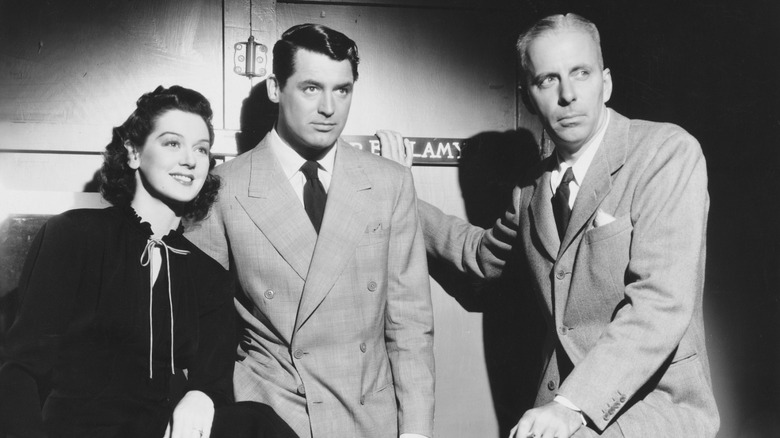
Howard Hawks left enduring imprints across seemingly limitless genres. He helped define the violent gangster picture with "Scarface." He directed two of the best screwball comedies of all time, "Bringing Up Baby" and "His Girl Friday." He made the tough-minded adventure "Only Angels Have Wings." He paired Humphrey Bogart with Lauren Bacall twice, in "To Have and Have Not" and "The Big Sleep," creating one of the most seductive cinematic pairings ever seen on screen. "Red River" and "Rio Bravo" can both claim a place among Hollywood's most essential Westerns.
Hawks did it all. He accentuates the material with an invisible style: eye-level camerawork, unfussy staging, and a preoccupation with professionals who earn each other's respect, including strong-willed women who demand to be treated as equals. He was the kind of Hollywood workman who made masterpieces by simply showing up and understanding the job.
17. Federico Fellini
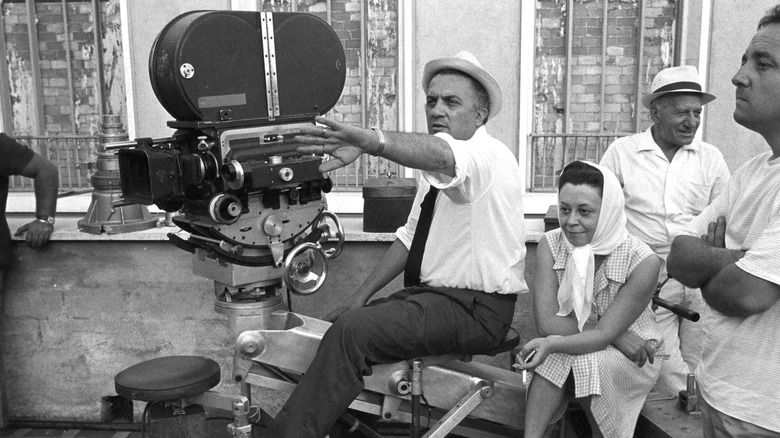
Federico Fellini began as a cartoonist and gag writer, then he co-wrote for Roberto Rossellini on "Rome, Open City" and "Paisan," foundational works of Italian neorealism, before broadening his scope. "La Strada" and "Nights of Cabiria," fables of the poor and discarded, announced his talent, but it was "La Dolce Vita" that cemented his international reputation and became one of the greatest Italian films ever made — it was also Roger Ebert's favorite movie of all time. The Palme d'Or winner follows Marcello Mastroianni through Rome's decadent nightlife, capturing the estranged emotional perspective of a hollow, meaningless pursuit of glamour.
From there, he turned inward. "8½" is perhaps his most famous film, the definitive movie about a director paralyzed by his own creative crisis, blending memory, fantasy, and self-doubt in a way self-reflective directors have tried to imitate in Fellini's wake. Later came the carnivalesque "Fellini Satyricon," "Roma," and the nostalgic "Amarcord," another Oscar winner. His singular vision earned him a word of his own: "Felliniesque."
16. Francis Ford Coppola
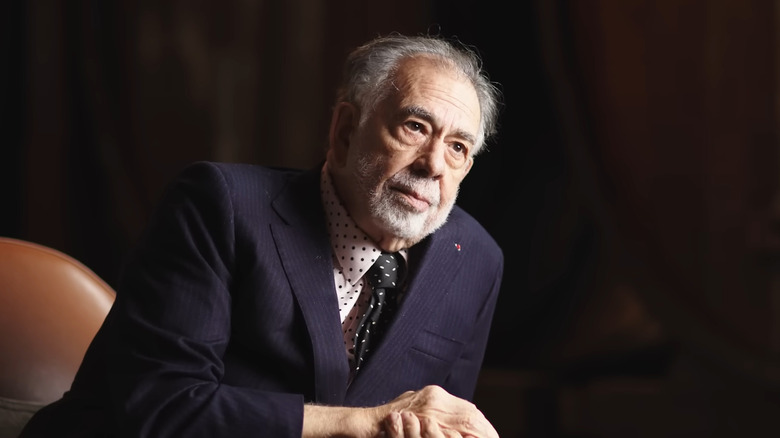
In a decade, Francis Ford Coppola made a run of films that may be the greatest in history. He fought a studio that didn't want Marlon Brando or Al Pacino in what would be his seminal, culture-shattering "The Godfather." He followed that up with two masterpieces in 1974: "The Conversation," which took home the top prize at Cannes, and "The Godfather Part II," the rare sequel that exceeded its predecessor and became the first sequel to win Best Picture. "Apocalypse Now" followed, after a legendarily disastrous shoot in the Philippines so troubled it inspired its own documentary, "Hearts of Darkness."
That run alone earns Coppola his place among the greats, even if all that risk-taking nearly broke him. The expensive flop "One from the Heart" crippled his Zoetrope studio, and he spent years making movies to pay off debts. Even so, he kept swinging, from "Rumble Fish" to the operatic "Bram Stoker's Dracula," and bankrolled the truly zany "Megalopolis" himself, reportedly with money from his wine business. Whatever you make of it, few directors have been this ambitious for this long.
15. Spike Lee
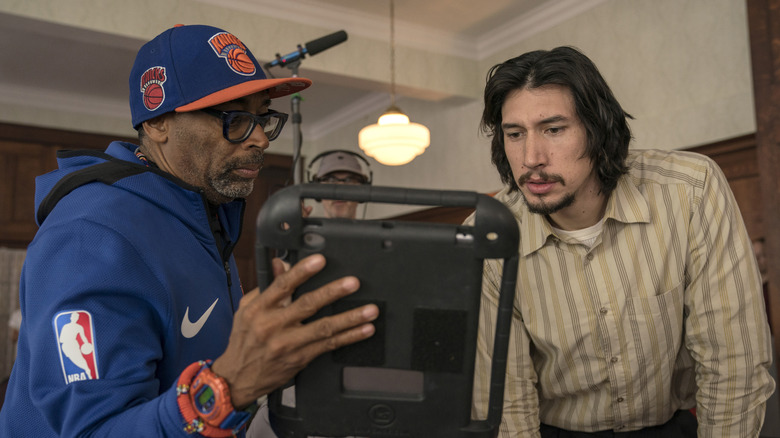
Spike Lee, for all his prolificacy, can be an uneven director — there's a reason we were able to list his eight best and seven worst movies — but he's responsible for some of the most important American movies ever made, particularly in his exploration of Black American life. Arriving with "She's Gotta Have It," he would soon follow with his critically acclaimed drama "Do the Right Thing," a loving yet raging cultural firestorm of fractured societal relationships that refuses to placate its audience.
His refusal to back down from his beliefs comes through in a brash, flashy style that is instantly recognizable, particularly in his signature "double dolly" shot. But he can be flexible too. "Malcolm X" showed his epic reach, "Inside Man" his mainstream chops, and "BlacKkKlansman" his insight into how yesterday's politics collide with today's. Consistency be damned, he's an essential component of American filmmaking.
14. Agnès Varda
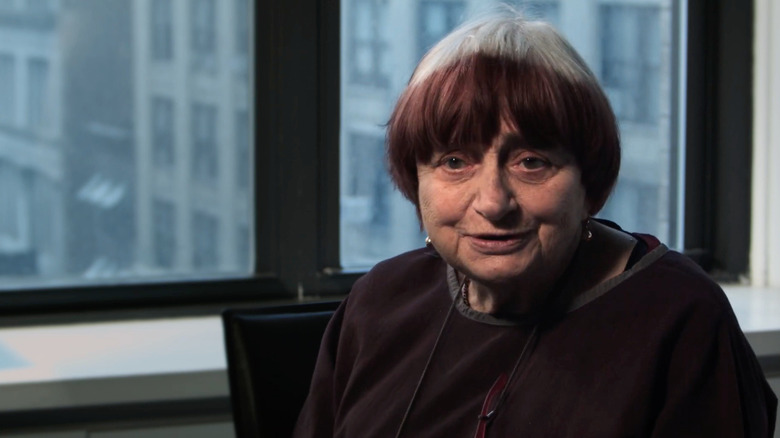
Agnès Varda came to cinema as a still photographer with almost no film training, and she made her debut, "La Pointe Courte," in 1955, years before the French New Wave she's often credited with anticipating. She was one of the few women in a scene dominated by cinephile men, and she stood out by making her sensibility entirely her own: curious, playful, and warmly attentive to ordinary people. "Cléo from 5 to 7" is a luminous examination of a pop singer drifting through Paris as she awaits medical test results, while "Vagabond," which won the Golden Lion at Venice, is an unsentimental portrait of a young drifter found dead in a ditch.
Varda also slipped freely between fiction and documentary, often blending the two. "The Gleaners and I" found poetry in scavengers and discarded produce, while "Faces Places," co-directed with the artist JR, earned her a Best Documentary Feature nomination at the 90th Academy Awards in 2018, making the 89-year-old Varda the oldest Oscar nominee in Academy history at the time. She kept working until her death in 2019 and made waves with critics throughout her career, including being among the highest-rated female-directed movies on Metacritic.
13. Hayao Miyazaki
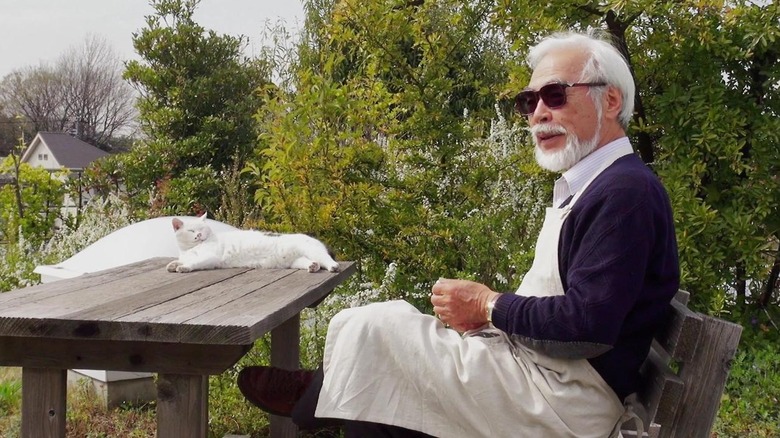
Hayao Miyazaki is animation's most devoted craftsman, introducing generations of children internationally to the detailed artistry of Japanese animation while also exposing them to challenging, scary, and profound ideas that have helped prepare them for adulthood. He co-founded Studio Ghibli (whose films we've ranked) in 1985 with Isao Takahata and Toshio Suzuki, and made a run of films that treated childhood as serious business: the gentle fable "My Neighbor Totoro," the coming-of-age story of a young witch discovering her purpose in "Kiki's Delivery Service," and the ecological fantasy epic "Princess Mononoke."
Then came "Spirited Away," which won the Golden Bear in Berlin and the Oscar for Best Animated Feature, and it was Japan's highest-grossing film for nearly two decades. The free-wheeling, wafting nature of Miyazaki's films comes from his unconventional process: He storyboards without a finished script, discovering the heart of the films as he draws. After returning from retirement to make "The Boy and the Heron," which earned him another Oscar for Best Animated Feature, Miyazaki remains creatively active well into his eighties. His extraordinary animation is a legacy any filmmaker could only dream of.
12. Andrei Tarkovsky
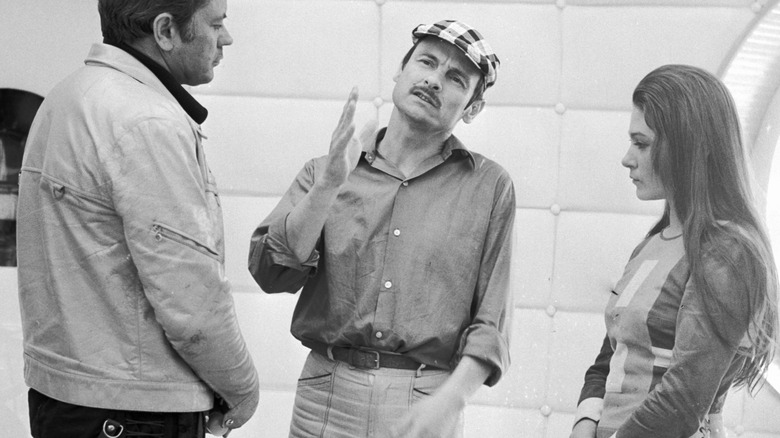
Andrei Tarkovsky made only seven features, each with seismic influence across generations. He once called filmmaking "sculpting in time," and that idea shapes his often abstruse yet spiritually profound work. As Ingmar Bergman once said, he invented a new language for film. Watching a Tarkovsky movie means being enraptured by its emotional depth, hidden within its mysteries.
His major works are must-sees. These include "Solaris," which turns Stanisław Lem's novel into a fractured meditation on memory and guilt; "Mirror," which weaves Tarkovsky's own childhood, newsreel footage, and his father Arseny's poetry into a chimerical collage; and "Stalker," one of the most influential and widely imitated sci-fi films ever made. Along with works such as "Andrei Rublev" and "Ivan's Childhood," Tarkovsky left behind a slim yet crucial filmography that helped define Soviet cinema and continues to influence filmmakers worldwide.
11. Sidney Lumet
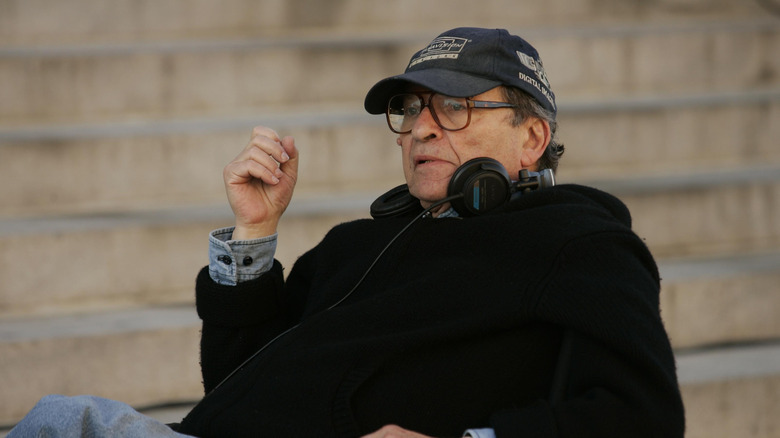
Sidney Lumet was a child actor on stage before becoming one of television's most active directors, and the discipline of working quickly and efficiently for television remained in his DNA. He put his TV work to good use with "12 Angry Men," his iconic pressure-cooker juror drama, which now stands as one of the best film debuts ever. He favored complex characters and sharp commentary on the modern world, as seen in movies like "Serpico," "Dog Day Afternoon," "Prince of the City," and "Network."
Lumet loved actors, rehearsing them like a stage company, and many of his stars delivered some of their best performances under his direction, from Al Pacino's sweaty bank robber in "Dog Day Afternoon" to Paul Newman's washed-up lawyer in "The Verdict." He made great movies until the end of his career, releasing "Before the Devil Knows You're Dead" at age 83, before his death in 2011.
10. Alfred Hitchcock
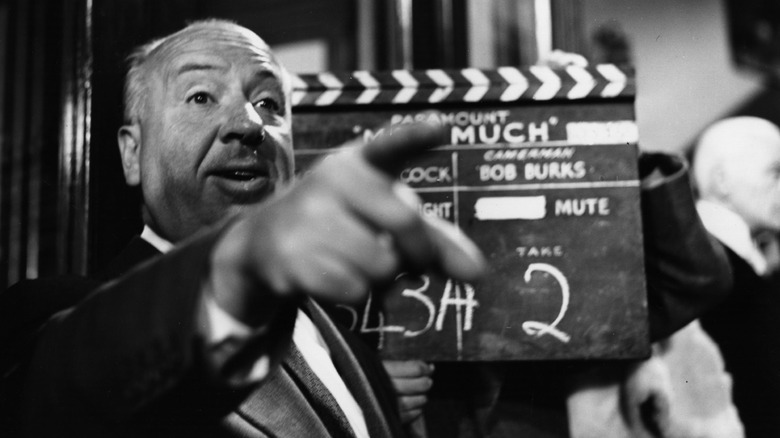
Alfred Hitchcock earned the nickname "The Master of Suspense" for a reason. After honing his craft on British silent films and thrillers like "The 39 Steps" and "The Lady Vanishes," he crossed the Atlantic to work with producer David O. Selznick and made "Rebecca," which won Best Picture. However, since Best Picture statues go to a film's producers, Hitchcock would ultimately go 0-for-5 in the Best Director category.
Hitchcock's legacy has rested less on awards than on his ability to shock audiences. He made archetypal horror and thriller masterpieces, including "Rear Window," "North by Northwest," "Psycho," and "Vertigo," which would later topple "Citizen Kane" from the top of Sight & Sound's critics' poll in 2012, ending a 50-year reign. His genius endures to this day, and his films feel just as thrilling and transgressive as ever, which is fitting for the director with the most perfect movies, according to Metacritic.
9. Joel & Ethan Coen
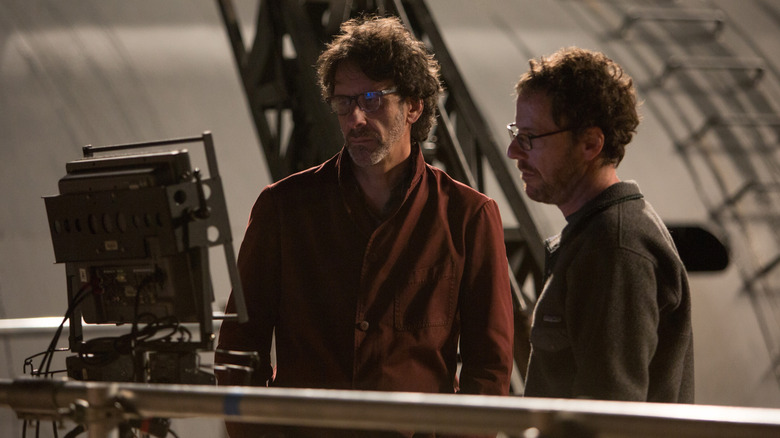
It's often said that Joel and Ethan Coen are a directing duo who share a single brain, each completely in tune with the other's dry, morbid, gleefully caustic sense of humor and irony in their portrayals of people whose downfalls are their own making. They distilled the sensibility of their entire career in their debut neo-noir "Blood Simple" and kept that same mordant sensibility across genres and decades. From the screwball kidnapping farce "Raising Arizona" to the surrealistic Hollywood allegory "Barton Fink" to the breakout Minnesota nice-crime story "Fargo," which won a screenplay Oscar and Best Actress for Frances McDormand, nearly all of the Coens' films share a harmonious blend of dark comedy and drama.
Their mid-career run was just as strong: "No Country for Old Men" is one of the best neo-Westerns ever, while movies like "A Serious Man," "True Grit," and "Inside Llewyn Davis" continued to prove the success of their strange amalgamations of tenderness, humor, and bleak perceptions of reality. The Coens also pull career-best performances from their actors, so good that we had to rank the best of them. Their decision to pursue separate projects in recent years has only accentuated the miraculous consistency of their work together — and with the brothers now expressing plans to reunite behind the camera, there may yet be another chapter in one of cinema's great creative partnerships.
8. Paul Thomas Anderson
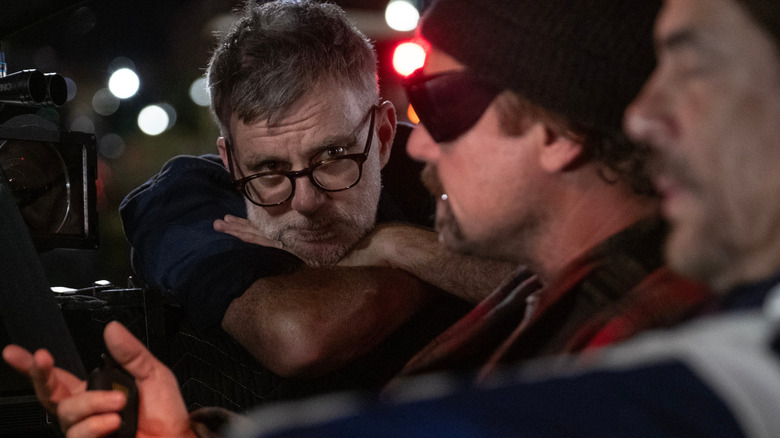
Any time you need a shock to the system, remember that Paul Thomas Anderson made "Boogie Nights" when he was just 26. Most recently in the spotlight for finally winning Best Picture, Best Director, and Best Adapted Screenplay for "One Battle After Another," his freewheeling riff on Thomas Pynchon's "Vineland," Anderson has spent years as your dedicated cinephile's de facto favorite contemporary director.
With a career defined by such formal bravado, how could he not be? Nearly all his films have defenders who call them masterpieces, from the three-hour interconnected melodrama epic "Magnolia" to "Punch-Drunk Love," which proved Adam Sandler's capability as a dramatic lead. Of course, it's "There Will Be Blood," one of Daniel Day-Lewis' best films, that tops many best-of-the-century lists, but his subsequent work, "The Master," "Phantom Thread," and "Licorice Pizza," is imbued with his radiant sensibility just as well. Anderson makes movies that buzz with pure cinematic brilliance.
7. David Lynch
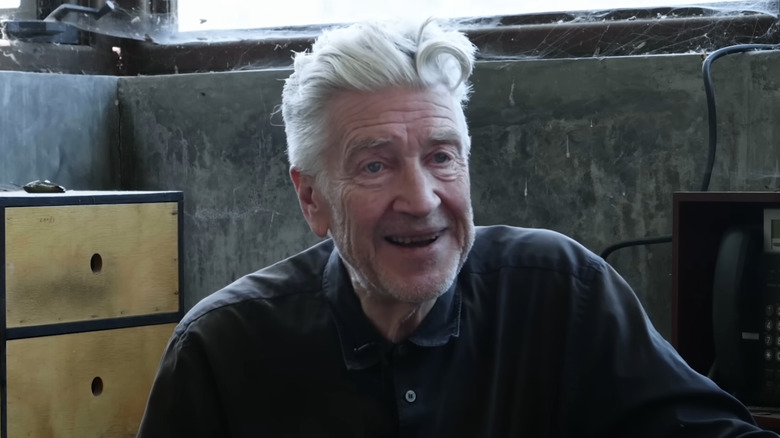
Nothing captures David Lynch's sensibility better than the clip of him being asked to elaborate on why "Eraserhead" is his most spiritual movie, and him curtly replying, "No, I won't." For as routine as the term "Lynchian" has become when describing movies that are any shade of strange or surreal, the true ethos of Lynch's movies is that intangible quality that's hard to explain in the first place and nearly impossible to replicate. Even still, Lynch's filmography is diverse: the tender, Oscar-nominated "The Elephant Man," the misfired blockbuster "Dune," the unsettling revelations of suburban secrets in "Blue Velvet," and the surprising warmth of his G-rated, Disney-produced road movie "The Straight Story."
His legacy will be remembered mostly for "Mulholland Drive," a project initially conceived as a spinoff of his groundbreaking television series "Twin Peaks," which later evolved into a standalone ABC pilot that Lynch reworked into a film after the network passed on it, as well as his return to "Peaks" with "The Return" in 2017, perhaps the boldest television has ever been. Lynch sadly passed away in 2025, but he leaves behind a legacy of unsettling dreams and devoted compassion toward the human experience. No other voice will ever be like his.
6. Martin Scorsese
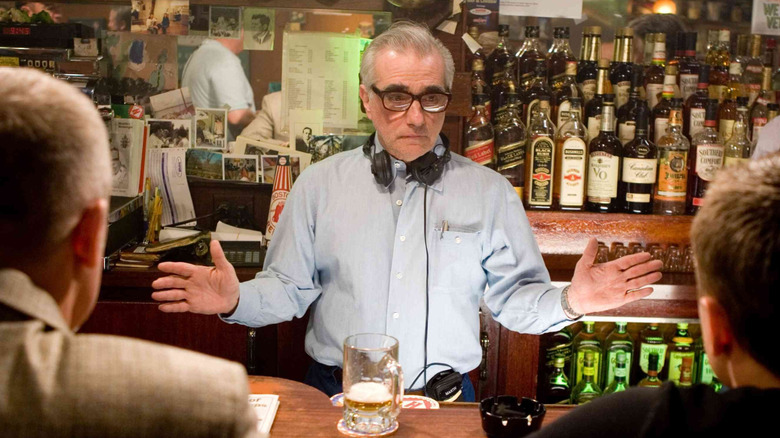
Martin Scorsese is cinema's most passionate student and, increasingly, its most devoted steward and custodian, through work such as his World Cinema Project, which preserves, restores, and showcases neglected and underseen films from around the world. Raised in Little Italy, he was an asthmatic kid who spent his childhood in movie theaters and nearly became a priest before NYU film school pointed him elsewhere. Sin, guilt, and the hunger for redemption would color so many of his works: the raw street poetry of "Mean Streets," the Palme d'Or-winning "Taxi Driver," the bruising "Raging Bull," and "Goodfellas," one of the defining landmarks of gangster cinema.
At 83, he's still making some of his best work. Take a look at movies like "The Wolf of Wall Street," "Silence," "The Irishman," and "Killers of the Flower Moon" to see a director who has never lost his touch, continually finding new ways to explore his perspectives on faith, morality, and humanity through his unmistakable cinematic style. There is indeed an argument that Scorsese is our greatest living filmmaker.
5. Stanley Kubrick
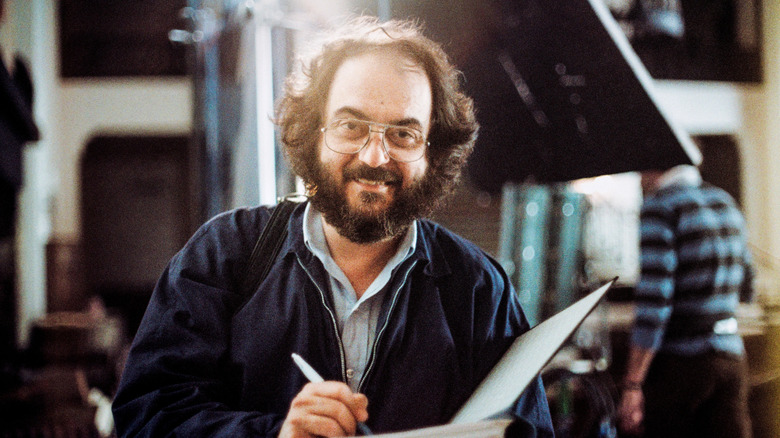
Stanley Kubrick's legendary attention to detail casts an imposing shadow across film history. Though he may never have won a Best Director Oscar, the skill he exhibited across a diverse slate of masterpieces is, in effect, one of the greatest influences on his contemporaries and those who followed in his wake.
His films have become synonymous with filmmaking mastery, and yet it still manages to stun that the same man made the likes of "Dr. Strangelove," "2001: A Space Odyssey," "A Clockwork Orange," "Barry Lyndon," "The Shining," "Full Metal Jacket," and "Eyes Wide Shut." That's not even counting his impressive early work, which included "The Killing," "Paths of Glory," "Spartacus," and "Lolita." He may not be the most prolific director on this list, but the caliber of his work has earned him enduring renown, plus a new tome-like brick from the Criterion Collection with 4K restorations of all his films.
4. Ingmar Bergman
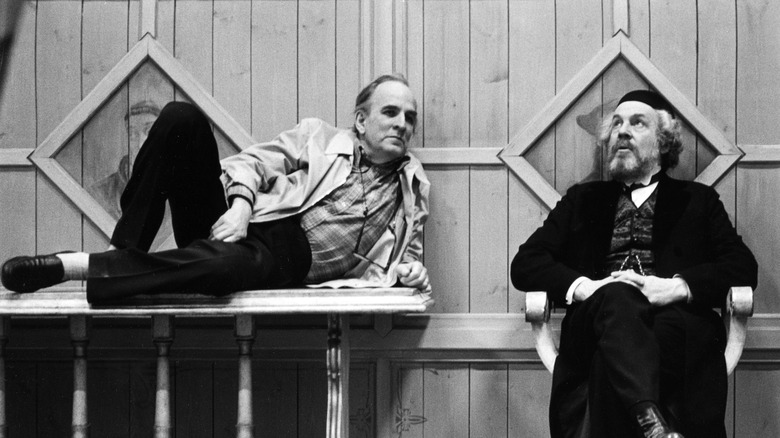
No director has stared directly into the abyss quite like Ingmar Bergman. The son of a Lutheran pastor, he arrived at film after years in the theater, ruminating on guilt, faith, and dread, though he broke through with the bittersweet comedy "Smiles of a Summer Night." But his most revered works soon followed: the heavy gloom of "The Seventh Seal," the gentle "Wild Strawberries," and perhaps most notably the surreal, psychologically labyrinthine "Persona," a dreamlike investigation of identity.
Bergman built his vast filmography with trusted collaborators, including cinematographers Gunnar Fischer and Sven Nykvist and actors like Liv Ullmann, Max von Sydow, and Bibi Andersson, whose faces he observes with the same care as epic landscapes. "The Virgin Spring," "Through a Glass Darkly," and "Fanny and Alexander" each won the Oscar for Best Foreign Language Film, the last a warm, autobiographical epic he originally intended as his farewell to theatrical filmmaking.
3. John Ford
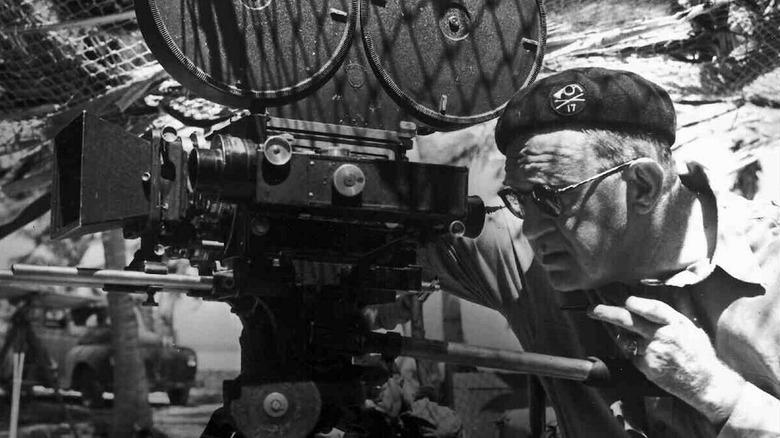
John Ford made beautiful Westerns, but he also established much of the cinematic language the genre has followed ever since, all while demonstrating remarkable mastery across other genres. A veteran of the silent era, he directed more than 130 films between 1917 and 1970 and holds the record for Best Director Oscars with four — "The Informer," "The Grapes of Wrath," "How Green Was My Valley," and "The Quiet Man" — none of them Westerns. Two wartime Navy documentaries also won Oscars: "The Battle of Midway" and "December 7th." Ford personally filmed much of the former while under fire during the battle.
But the frontier was where Ford's poetry truly shines. "Stagecoach" turned John Wayne into a movie star, and Orson Welles reportedly studied it up to 40 times before making "Citizen Kane." His later Westerns interrogated the very mythologies he helped create: "The Searchers" cast a shadow of obsession and racism over Wayne's heroism, while "The Man Who Shot Liberty Valance" questioned the romanticized stories America tells about its own history. He's your favorite director's favorite director, from Scorsese to Spielberg, and his influence looms large in modern cinema.
2. Akira Kurosawa
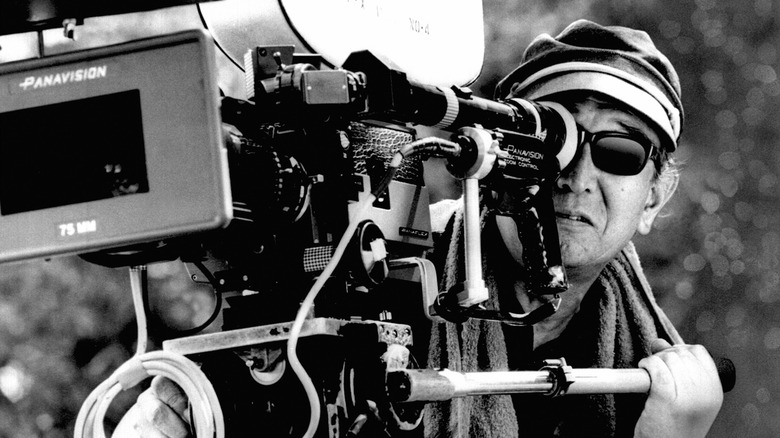
Akira Kurosawa had a career that expanded the horizons of both Japanese and Western cinema: while his own films were masterpieces, the filmmakers he inspired would become mavericks. After debuting with "Sanshiro Sugata" in 1943, he impressed audiences abroad with "Rashomon," a film about a crime recounted in four contradictory ways, which won the Golden Lion at Venice in 1951 and an honorary Oscar. In the years that followed came "Ikiru" and, perhaps most notably to film fans, "Seven Samurai," whose team-assembling structure and staggering sense of craft became a blueprint for the action genre.
Kurosawa's echoes are everywhere in the movies you grew up loving: "The Magnificent Seven" remade "Seven Samurai," Sergio Leone's "A Fistful of Dollars" borrowed "Yojimbo," and George Lucas has cited "The Hidden Fortress" as an inspiration for "Star Wars." Yet no imitator can fully capture his signature style: telephoto compositions, multiple cameras, wind and rain as powerful reflections of his characters' emotional states, and precise editing. Trace the DNA of modern cinema, and you'll find Kurosawa somewhere in its lineage.
1. Steven Spielberg
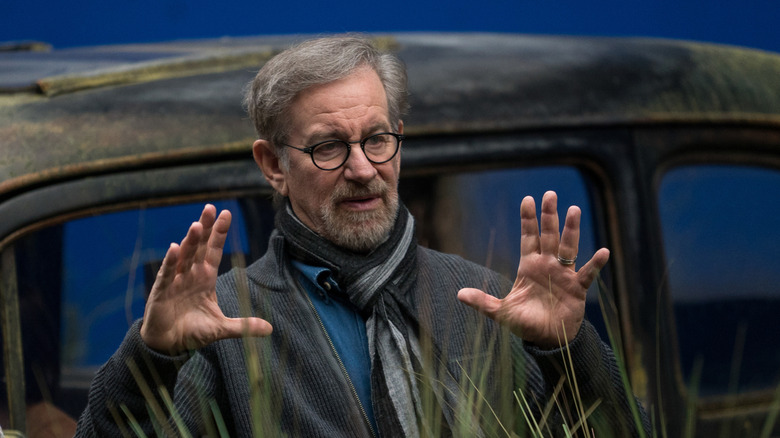
If anyone seems truly put on this Earth to entertain, Steven Spielberg may be the man. His name is both a brand and an adjective. He is an indispensable practitioner of moviemaking who completely changed the way Hollywood approached its business when he made "Jaws" before turning 30, the shark thriller that helped establish the modern summer blockbuster. He became the highest-grossing director in box-office history, with generational favorites like "Close Encounters of the Third Kind," "Raiders of the Lost Ark," and "E.T. the Extra-Terrestrial."
In 1993, he released both "Jurassic Park" and "Schindler's List," the latter winning him Oscars for Best Director and Best Picture, and "Saving Private Ryan" brought him a second directing win. Critics call him sentimental, but "Munich" and "A.I." are darker and more ambiguous than his reputation suggests, and "The Fabelmans," his portrait of his parents' breakup and his own obsession with the camera, finally turned the lens on himself in stunning fashion. Across film history, it's hard to find a director who combines formal prowess with the ability to move and compel commercial audiences more effectively. He is the director for every flavor of film fan. His name is unmatched in film culture.