

15 Best Sci-Fi Franchises Of All Time, Ranked
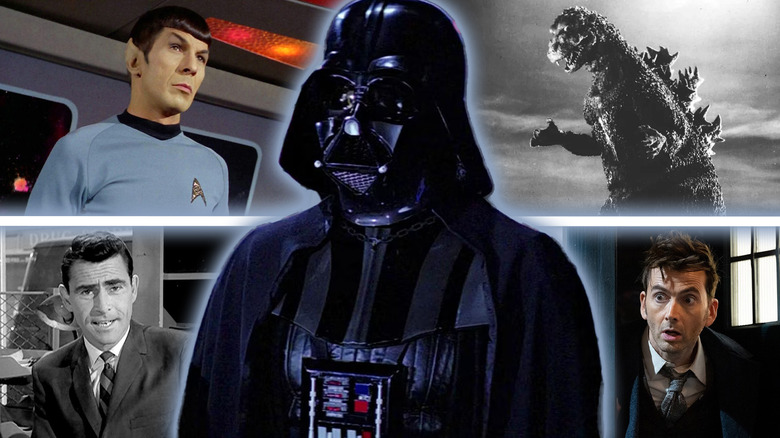
Science fiction likes to ask fascinating questions. What if we could travel through time and space? What if monsters walked the Earth? What if humans created artificially intelligent technology, and it wasn't all that it was cracked up to be? Depending on who is answering the question, the story born from that question could be a long one. Back in the day, a storyteller might have turned their myths and legends into an epic poem. But in modern times, you're more likely to see writers and directors explore beyond their initial story with a sequel, prequel, or spin-off series or movie. In other words, a franchise.
When it comes to sci-fi franchises in film and television, some of the most successful ones are rooted in sci-fi. With every passing year, new fans are still discovering a galaxy far, far, away, a dimension not only of sight and sound but of mind, and everywhere else in between. In honor of these fan-favorite tales that have expanded past their first chapters and carved out their own places in pop culture, we are counting down the 15 best sci-fi franchises of all time.
The Matrix
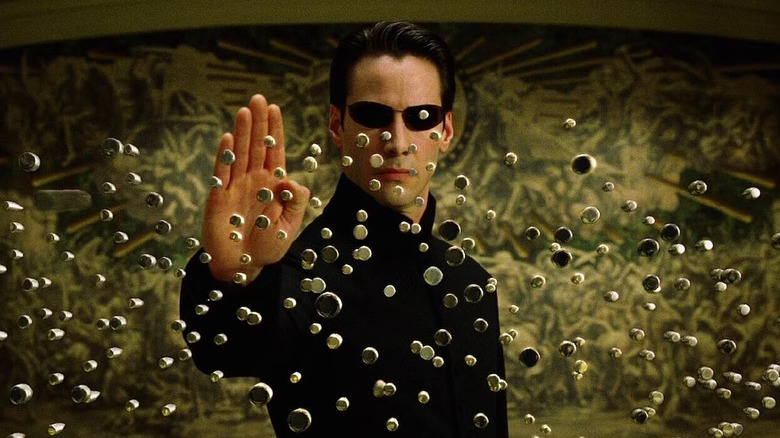
The Wachowski siblings' breakout 1999 hit "The Matrix" starring Keanu Reeves, Carrie-Anne Moss, and Laurence Fishburne marked a major shift in pop culture. The first installment depicts a dystopian future where humans are unknowingly trapped inside a simulation created by sentient machines. After the resistance recruits computer programmer Thomas Anderson AKA Neo to the cause, they set out to liberate as many people as possible. But with Agents hunting them in the Matrix and Sentinels attacking the rebellion in the real world, this proves to be no easy task, even for The One prophesied to save humanity.
By mixing cyberpunk with Hong Kong action films and various schools of philosophical thought, "The Matrix" became a worldwide phenomenon. After popularizing the "bullet time" effect and the red pill/blue pill metaphor, the ground-breaking movie would achieve nearly universal acclaim and win four Academy Awards.
The franchise would ultimately come to consist of four feature films, comic books, a series of video games, and an equally acclaimed animated anthology. Although, despite 2021's "The Matrix Revelations" serving as a fitting conclusion to the story, filmmaker Drew Goddard is reportedly developing a new movie in the series.
Firefly
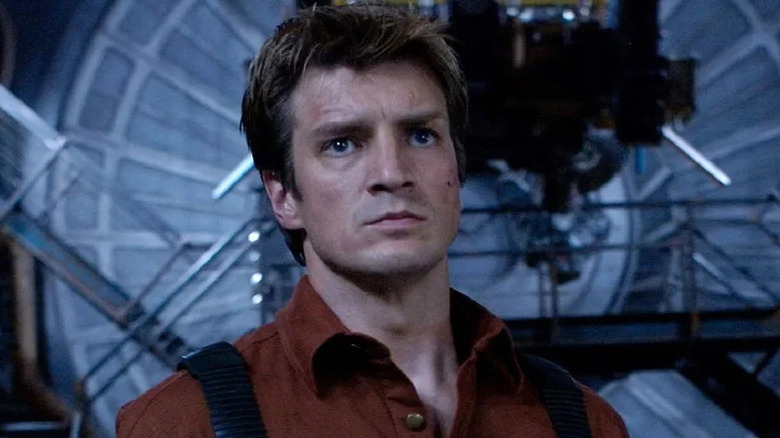
Like a leaf on the wind, Joss Whedon's space western "Firefly" floated onto Fox in 2002. But after only airing 11 of the 14 episodes out of order, the sci-fi drama was canceled after landing in the 98th spot on the Neilsen ratings. Despite its truncated TV run, the series found an audience on home video who wanted to follow the ragtag crew of a rickety spaceship trying to make a living (honest or otherwise) on the fringes of civilization while dodging a shady governing body.
In 2005, the franchise would expand to include the feature film "Serenity." The entire crew would assemble once again with the hopes of reviving the show. Unfortunately, the highly-anticipated and well-reviewed film still underperformed at the box office, sending Captain Malcolm Reynolds and his compatriots out into the unknown once again.
But the fans affectionately known as Browncoats remained extremely vocal about their desire for more "Firefly." After various officially licensed comics, novels, and games were released over two decades, series star Nathan Fillion announced that he and his co-stars are hard at work on an all-new animated series to finally deliver the stories that the passionate fans have been clamoring for since the initial cancellation.
The Terminator
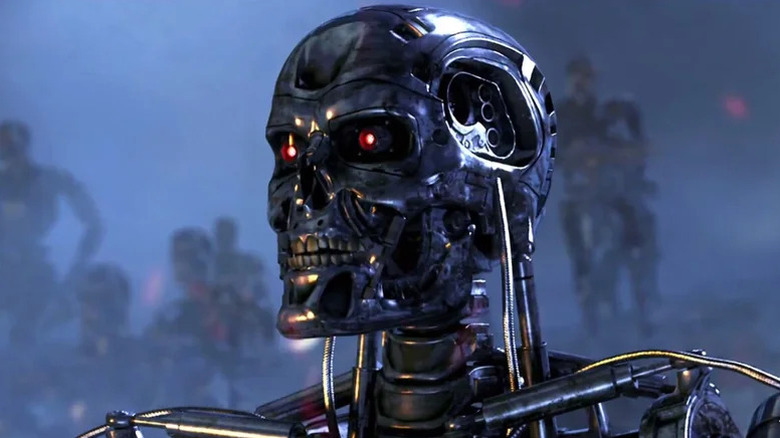
The science fiction genre wouldn't be what it is today without James Cameron. Even before he dedicated his life to the Na'vi of "Avatar," he was creating seminal sci-fi films such as "Aliens" and "The Abyss." But the project that set him on his journey to create these genre staples was 1984's "The Terminator." Starring Austrian bodybuilder-turned-actor Arnold Schwarzenegger as the titular robot assassin from the future, Cameron painted a bleak picture of the future where the rise of machines leads to the near extinction of the human race at the "hands" of artificial intelligence.
After dazzling audiences and critics alike with masterful special effects and nonstop action, Cameron returned to the world of Sarah Connor and Skynet in "Terminator 2: Judgment Day." The 1991 film became one of the greatest sequels of all time and fueled the franchise for several subsequent installments, including four more movies (which vary in quality, depending on who's ranking them), a television series (featuring future "Game of Thrones" star Lena Headey), and a beloved Universal Studios theme park attraction. If you think you're confused by the Terminator timeline because of all that, you're not the only one.
Predator
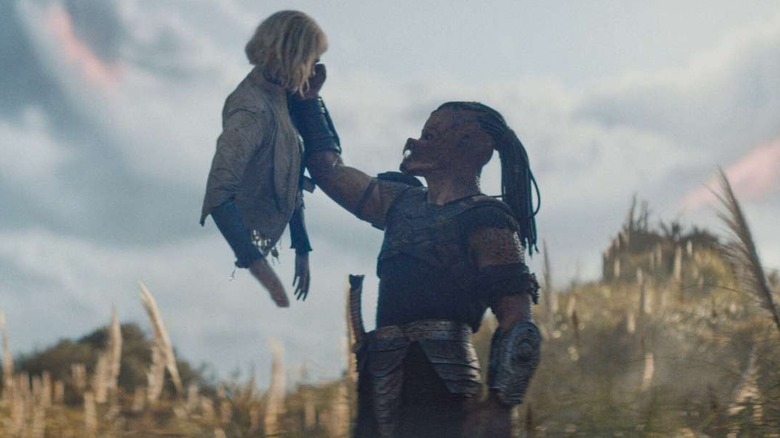
When you're a hunter, you need to be able to adapt to your environment to catch your prey. The "Predator" franchise also takes this approach by applying it to various installments of the sci-fi/horror/action series.
First, the original 1987 film directed by John McTiernan takes a team of men who look like the stereotypical action heroes of the decade and makes them the prey of a bigger, badder extraterrestrial warrior. Then, after the series had already achieved cult status, producer Robert Rodriguez and director Nimród Antal reinvigorated the lore in "Predators" as stone cold killers were pitted against fierce aliens. Under the guidance of Dan Trachtenberg, "Prey," "Predator: Killer of Killers," and "Predator: Badlands" explore what a true warrior looks like through the lens of different cultures and different time periods.
While the future of the franchise is up in the air at the moment due to Trachtenberg's new deal with Paramount Pictures, the existing chapters are certainly worth revisiting over and over again in the meantime.
Dune
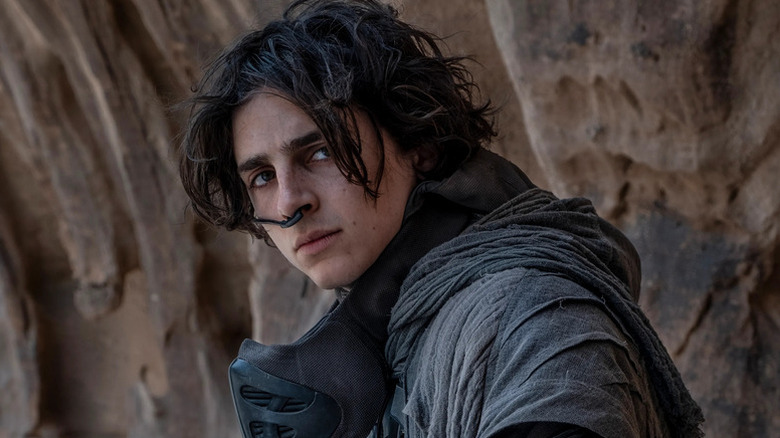
Frank Herbert's 1965 novel "Dune" has become one of the most influential pieces of sci-fi literature of all time. Although for the longest time, it seemed like the story was unadaptable in the realm of film and television. Throughout the 1970s, famous figures such as Salvador Dali, Moebius, and Ridley Scott were attached in some way to "Dune" movies that didn't materialize. But finally in 1984, David Lynch brought the epic space opera about the conflicts between the noble families of the desert planet Arrakis to life. Though it was initially maligned by fans, critics, and the filmmaker himself, it eventually earned a cult following and opened the door to more adaptations in the following decades.
In the early 2000s, The Sci-Fi Channel produced two "Dune" miniseries that are considered to be the most faithful adaptations yet. However, the franchise is now more popular than ever thanks to Legendary Picture's take on the story as presented in Denis Villeneuve's awe-inspiring film series starring Timothée Chalamet, Zendaya, and a venerable A-list ensemble, as well as HBO's "Dune: Prophecy" from showrunner Alison Schapker.
Battlestar Galactica
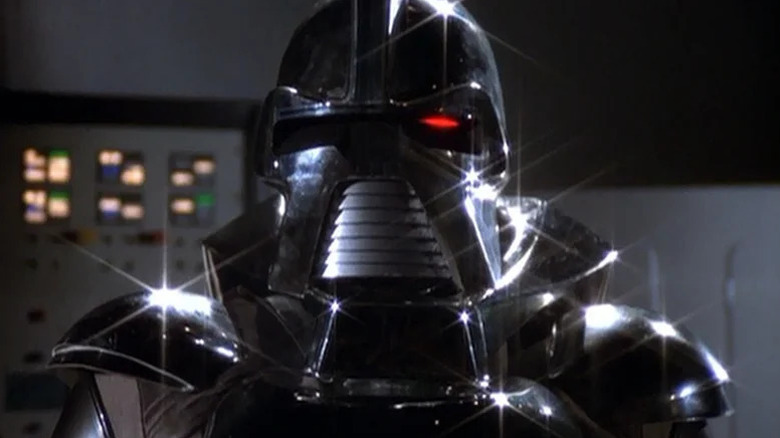
After the success of "Star Wars: A New Hope" in 1977, ABC allowed writer Glen A. Larson to capitalize on the space trend the following year with "Battlestar Galactica." The series featuring an ensemble led by Richard Hatch, Dirk Benedict, and Lorne Greene follows a group of refugees who are seeking a new home world after an evil race of robots known as Cylons sets out to eradicate all remaining humans. Despite succumbing to cancelation due to high production costs of the 24-episode season, declining ratings, and failed spinoff "Galactica 1980," the franchise gained a massive cult following that kept the story alive through comics, novels, and syndicated episodes.
In 2003, screenwriter Ronald D. Moore and producer David Eick rebooted the series for the Sci-Fi Channel. Now set in a new continuity and starring Edward James Olmos, Tricia Helfer, and Katie Sackhoff, the franchise relaunched with a three-hour miniseries where the Cylons had practically wiped out humanity after a period of peace. This reimagining of the classic series was followed by four acclaimed seasons, four web series, two TV movies, and the prequel series "Caprica," with potentially other projects currently in development.
Jurassic Park
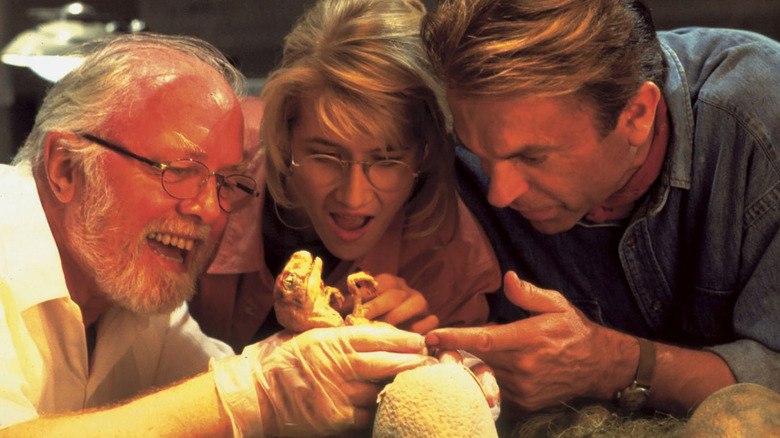
Over the course of his illustrious career, Steven Spielberg has introduced audiences around the globe to larger-than-life characters and fantastical worlds through the lens of his camera. While the term "larger-than-life" is often used hyperbolically, the legendary filmmaker went the literal route when he resurrected dinosaurs for his 1993 film "Jurassic Park." Since then, the franchise has become simultaneously one of the highest-grossing and most beloved media franchises of all time.
Currently, the series consists of seven feature films (and counting), a number of shorts, two animated shows aimed at younger viewers, state of the art theme park attractions, and some of the most impressive toy lines ever created. But no matter how you're consuming a story in this universe, you can always bet that you'll be confronted with the hubris of humanity, the ethical applications of technology, and the ground-breaking special effects that allow dinosaurs to walk the Earth again. And despite the quality of some of the sequels, "Jurassic Park"/"Jurassic World" will, uh, find a way to persist.
Back to the Future
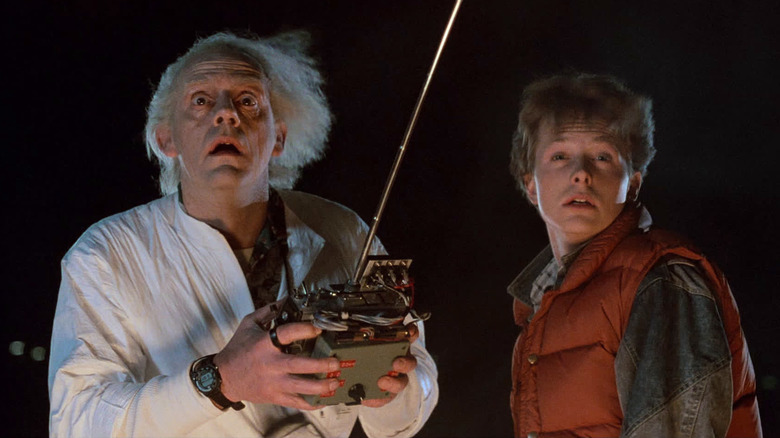
When it comes to franchises these days, they typically seem never-ending. But in the case of Robert Zemeckis and Bob Gale's "Back to the Future" series, you only really need to watch the original three films to get the whole story.
The influential time travel story follows teenager Marty McFly and eccentric scientist Doc Brown as they traverse through the past, the future, and beyond in a sleek and stylish Delorean. But along the way, they have to carefully ensure that their presence doesn't unravel the timeline and change the events of history as they know it.
Beyond the celebrated trilogy, the "Back to the Future" franchise also includes an animated series, video games, comic books, and an award-winning stage musical. Although, the legacy of the films really lives on in the incredibly dedicated fanbase, who reinforce the adventures of Doc and Marty as a touchstone for the time travel genre.
Godzilla
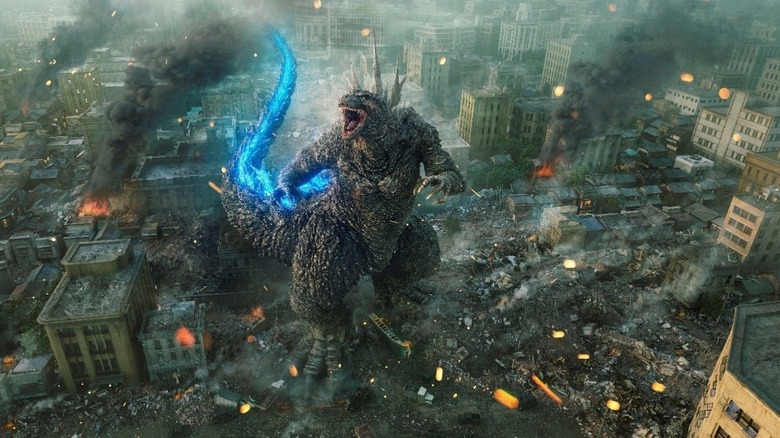
Speaking of expansive franchises, Godzilla is king. In fact, Guinness World Records recognizes the Toho character originally known as Gojira as the star of the longest continuously running film series.
The influential kaiju first appeared onscreen in Ishirō Honda's "Godzilla" in 1954. In addition to discussing prominent social and political themes in Japanese culture at the time, specifically the fallout of the atomic bomb, this film became the template for the monster movies around the world for generations. As more movies were released over the course of nearly 75 years, different artists across film, television, comics, videos games, and beyond expanded Godzilla's lore to include various allies and enemies who have become just as famous in their own right. Most recently in America, Legendary Pictures' Monsterverse has teamed the character up with fellow cinematic icon King Kong to create another mini-franchise within the larger Godzilla landscape.
Like Taylor Swift, Godzilla has gone through many eras throughout his existence. Whether you're looking for the rampaging monster, the fierce protector, the force of nature, or the broody antihero, this franchise is sure to have something for you to be excited about.
Planet of the Apes
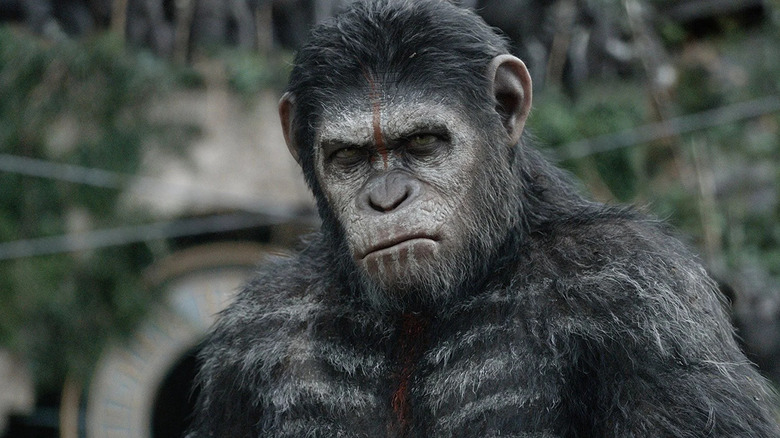
When the original "Planet of the Apes" premiered in theaters in 1968, not only were audiences blown away by the big twist ending, but critics embraced the Franklin J. Schaffner film for its imagination and artistry in depicting a world where apes became the dominant species rather than humans.
Naturally, executives jumped at the opportunity to capitalize on this success by releasing four sequels between 1970 and 1973, followed by a live-action TV show in 1974 and an animated series in 1975. Unfortunately, the franchise would remain in purgatory throughout the 1980s and 1990s until Tim Burton rebooted the story with his 2001 adaptation, which is arguably the worst installment of the series to date.
However, when screenwriters Rick Jaffa & Amanda Silver developed a prequel about Caesar, Roddy McDowell's character in the original movies, the franchise relaunched to familiar critical and commercial success with "Rise of the Planet of the Apes" are arguably remains more popular than it's ever been.
Alien
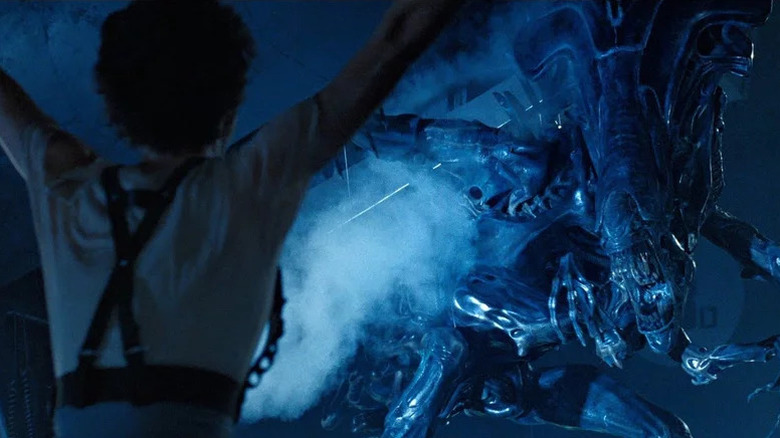
While there are plenty of sci-fi franchises that incorporate elements of action and horror into their stories, very few measure up to the "Alien" series. Sure, no one wants to go toe to toe with a Predator or a Terminator. But a Xenomorph bursting from John Hurt's chest is just one of many moments of pure terror that can be found in Ridley Scott's 1979 film. Although, to balance things out, the movie also introduces one of the greatest heroes in cinematic history: Sigourney Weaver as Ellen Ripley.
Overall, the "Alien" franchise has experienced plenty of ups and downs on multiple platforms. A number of planned feature film projects were cancelled at various points of development. Still, some of the most incredible minds in film and television, such as James Cameron, David Fincher, Damon Lindelof, and Noah Hawley, have been granted access to the massive sandbox containing a timeline that stretches across hundreds of years. Whether we were dealing with space pirates, androids, the titular aliens, or even some Predators in two best forgotten crossovers, the "Alien" franchise always found a way to remind you: In space, no one can hear you scream.
Star Trek
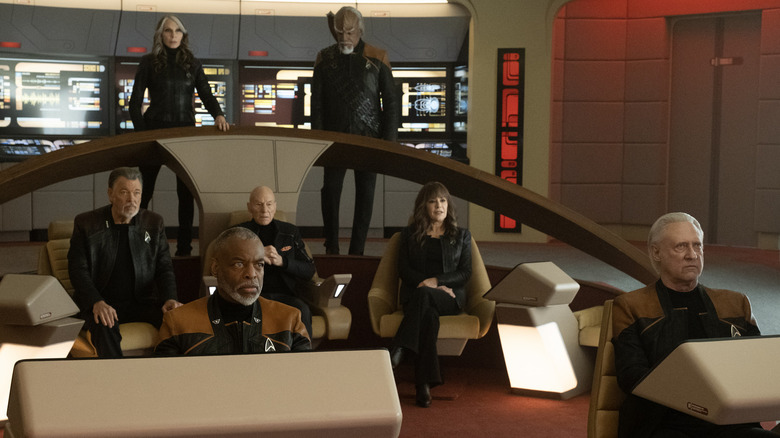
While every franchise on this list earned its share of cultural significance, none are more influential than "Star Trek." It's not just because the series originally conceived by Gene Roddenberry has gone on to include excellent stories and beloved characters that offer us a positive outlook of the future. The original NBC show starring William Shatner, Leonard Nimoy, and the rest of the iconic cast basically created fandom as we know it today.
Trekkies or Trekkers passionately initiated letter writing campaigns to keep the show on the air. They organized conventions, replicated costumes, and created zines and fan fiction. Some fans even brought the philosophies and the science into the real world in an attempt to bring a small part of this fictional utopian society to life.
In the end, it was the fan support during the syndication years that revived the franchise after the show's cancellation in 1969. After finding new life in theaters with movies featuring the original Enterprise crew starting in 1979, "Star Trek: The Next Generation" would debut on TV in 1987 and kick off a new era of "Star Trek" that would come to include (as of this writing) 12 more shows, 13 more movies, and countless literary tie-ins to satiate the rabid fanbase.
Doctor Who
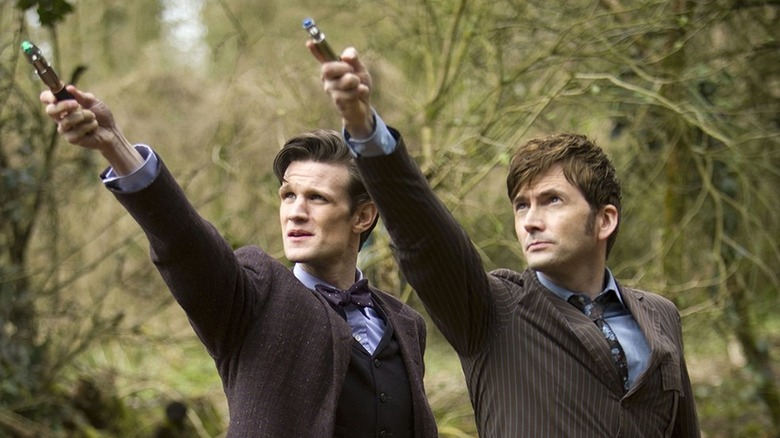
While "Star Trek" was holding down the fort for sci-fi in the United States, "Doctor Who" was doing the same in the United Kingdom. The series created by Sydney Newman, C. E. Webber, and Donald Wilson follows a humanoid alien known as The Doctor who travels through time and space in his ship called the TARDIS to explore and protect the wonders of the universe. When it began airing on the BBC in 1963, William Hartnell starred as the Time Lord. But thanks to a handy plot device, the character is able to regenerate their body and change their face, making it very easy to swap out performers in the lead role as necessary.
Just as The Doctor doesn't stay on one planet or in one time period for too long, "Doctor Who" couldn't be contained to the UK. An international audience began to embrace the seminal sci-fi series, especially during the tenures of Fourth Doctor Tom Baker, Tenth (and later Fourteenth) Doctor David Tennant, and Eleventh Doctor Matt Smith. With the Sixteenth Doctor on the horizon, fans are anxiously awaiting more wibbly wobbly timey wimey adventures.
The Twilight Zone
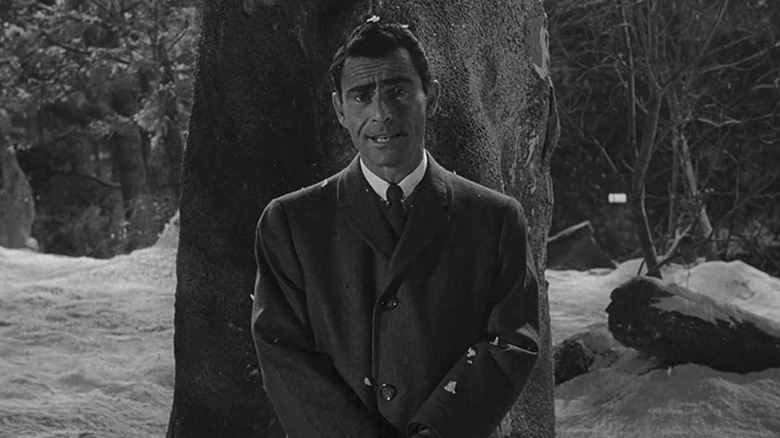
From early shows like "Tales of Tomorrow" and "Science Fiction Theatre" to later favorites like "Goosebumps" and "Black Mirror," each generation has had their own TV anthology series to act as parables for the modern world. However, "The Twilight Zone" still stands as one of the most popular and influential anthologies of all time.
Conceived by Rod Serling, the original show ran on CBS from 1959 to 1964. It used sci-fi, fantasy, and horror as a delivery system for social issues, current events, and moral dilemmas. At the same time, it would often leave its characters in grim and unexpected situations as they learned difficult lessons.
As fans continued to elevate the most essential episodes of "The Twilight Zone" in the years following its cancellation, the franchise experienced a resurgence in the 1980s thanks to "Twilight Zone: The Movie" and a second series featuring Charles Aidman as an offscreen host. The subsequent 2002 and 2019 revivals would return to the on-screen host format featuring Forest Whitaker and Jordan Peele, respectively.
Star Wars
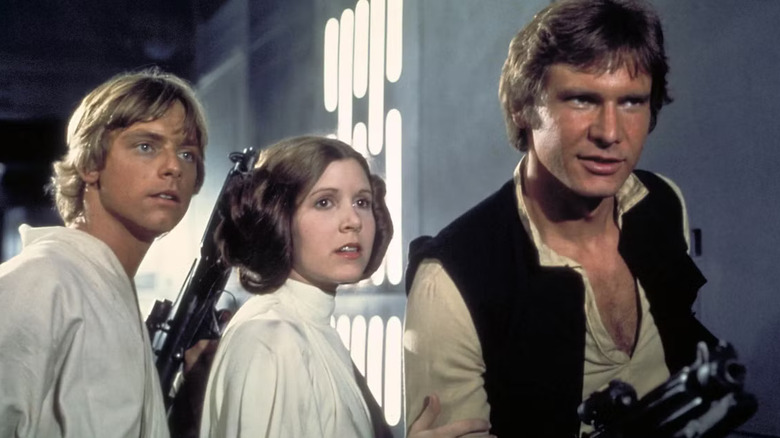
It's impossible to think about the phrase "sci-fi franchise" without "Star Wars" immediately coming to mind. George Lucas' sweeping space epic follows the saga of the Skywalkers, a family that finds themselves straddling the line between good and evil over the course of a few generations. But regardless of which side of The Force they ultimately fall on, audiences are treated to a classic hero's journey in a galaxy far, far away.
Although, despite the three trilogies setting up the main story, some of the best installments of the "Star Wars" franchise focus on characters other than Luke Skywalker, Princess Leia Organa, or Darth Vader. Prequel movie "Rogue One" enhances "A New Hope" by showing us the ragtag group that got the Death Star plans where they needed to be. Disney+'s "The Mandalorian," "Skeleton Crew," and "The Acolyte" explores many corners of this universe that we didn't get to see on the big screen. Animated series such as "The Clone Wars" and "Rebels" expand the backstories of integral figures from the story in new and exciting ways.
While many of these projects have their critics, "Star Wars" truly has something for sci-fi fans of all ages.