

Best Picture Oscar Winners Of The 21st Century, Ranked
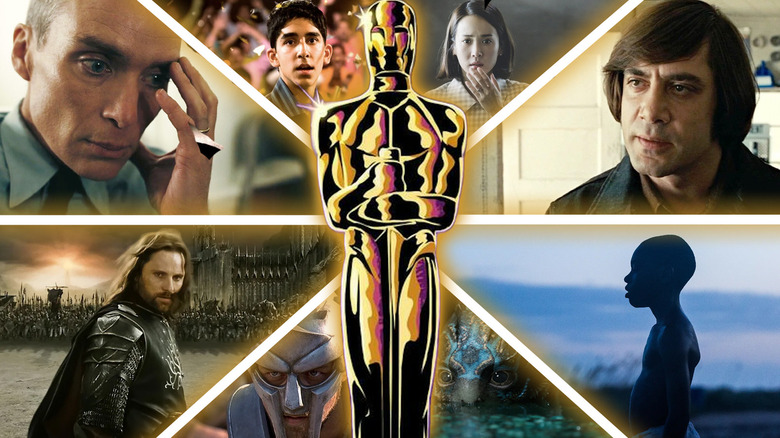
Whenever another Oscars ceremony comes and goes, movie fans across the globe either celebrate the institutional recognition of their favorite movies of the year or seriously question the judgment of the Academy. Will those honored by the Best Actor and Best Actress trophies see their performances stand the test of time? Did Best Director go to the most deserving filmmaker? Did the Best Picture winner truly earn the prize? There's only one way to find out.
Best Picture winners age with wild unpredictability. Some are hailed as instant, revolutionary classics in the moment and later dismissed as overhyped or quietly forgotten entirely. Meanwhile, others are denounced the very evening they take the stage. Taking a look back at recent history, we've ranked every Best Picture winner of the 21st century so far. Here, we'll not only determine which films have fallen by the wayside but celebrate those which remain the best of the best.
26. Crash
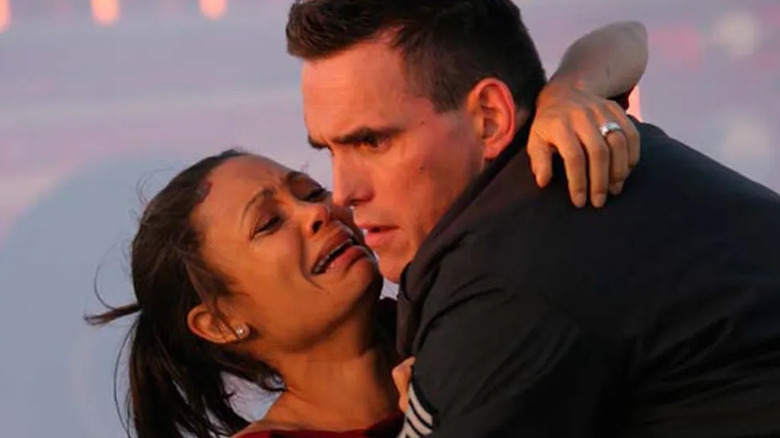
"Crash's" Best Picture upset in 2005 is so infamous and derided that not even director Paul Haggis thinks it was truly better than its competition. Through this work that sets out to tackle racism (in the most self-important way possible), he ironically betrays a fundamental misunderstanding of the issue, reducing it to harmful language and individual actions (much easier for the Academy to digest than a serious confrontation with the institutional and systemic nature of racism in America). It's like a Bizarro-world version of "The Wire."
Ang Lee's "Brokeback Mountain" was the clear and celebrated favorite going in, and is still remembered as one of the century's landmark movies. Haggis' cringe-inducing morality tale has been mercifully forgotten outside of its Oscars victory. "Crash" was nominated for six Oscars total, including a Best Supporting Actor nod for Matt Dillon. His performance as a corrupt but complicated (by this movie's standards) police officer is admittedly one of the more defensible aspects of the film, as are the performances of the rest of the leading ensemble.
25. Green Book
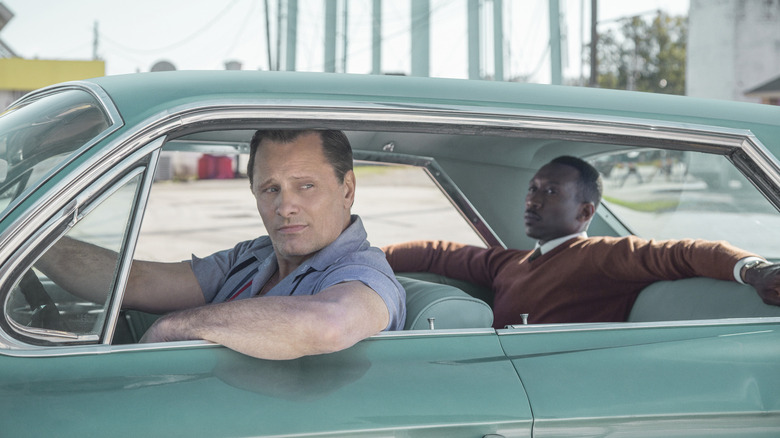
A win so infuriating it sent Spike Lee storming out of the building, "Green Book" rivals "Crash" as the worst Best Picture winner of the century. That the Academy overlooked the superior "BlacKkKlansman" and "Roma" in favor of a white-savior road trip drama exposed an obvious bias against foreign-language features and films that actually explore America's ugly, racist history.
Its above-average technical execution belies a trite, obtuse story that few would champion even at the time. The family of pianist Don Shirley (portrayed in an Oscar-winning performance by Mahershala Ali) denounced the film entirely, claiming it irresponsibly whitewashed Shirley's relationship with his white, racist driver (Viggo Mortensen).
"Green Book" was nominated for five Oscars, including Best Picture.
24. The King's Speech
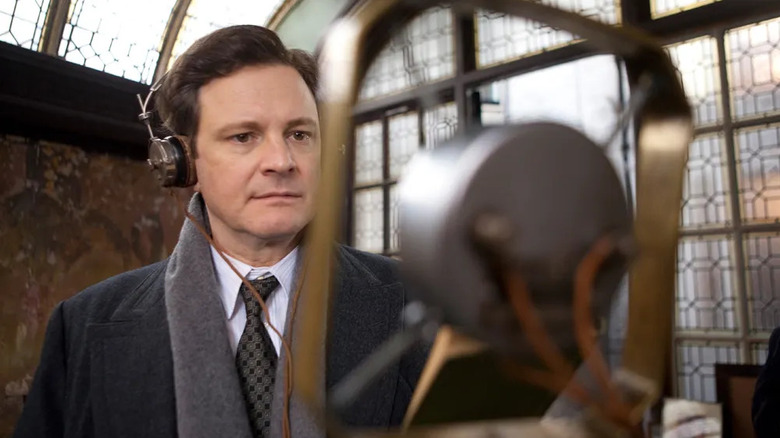
The most memorable thing about "The King's Speech" is its R rating. Elevated by a genuinely beautiful performance from Colin Firth, it's otherwise a safe historical drama that pales next to its competition — in particular David Fincher's "The Social Network," which it beat in multiple key categories including Best Director and Best Actor.
Firth beating Jesse Eisenberg can at least be contextually explained — Hooper beating some audacious, career-best work from established directors like Darren Aronofsky ("Black Swan"), and the Coen Brothers ("True Grit") has always been a little hard to swallow. While the tight, psychological thriller about Mark Zuckerberg feels more insightful, prescient, and useful as he and tech overlords of his ilk amass power, "The King's Speech" was always obvious Oscar-bait aiming for the low-hanging fruit of satisfying old Academy voters.
23. Argo
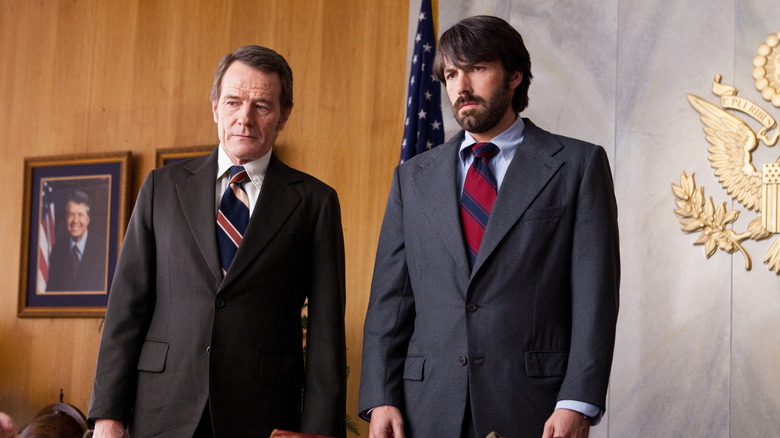
Ben Affleck's loose approach to history in "Argo" becomes more damning by the year. Yes, the film proved the actor was as technically skilled a director as almost anyone working in Hollywood. That doesn't change the fact that his film stands today as a jingoistic and unforgivable (if unwitting) puff piece for the CIA that valorizes and ahistorically centers American operatives while demonizing Iranian citizens.
Even when the film was first released, officials from the Canadian government were concerned about the film's rewriting of history. If you think the film's impact is being overstated, you need only walk into the popular International Spy Museum in Washington, D.C., where Affleck's work is prominently featured multiple times to movie-wash the CIA's shameful history in Iran.
22. A Beautiful Mind
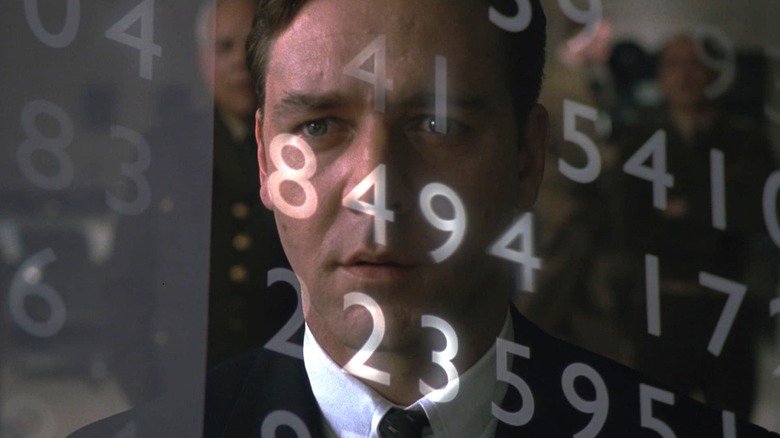
Speaking of sanitized biopics — Ron Howard's "A Beautiful Mind" is by no means a bad film, but it's at most the third-best in a class that included "Gosford Park," "The Lord of the Rings: The Fellowship of the Ring," and "Moulin Rouge!" It turns the complicated real-life mathematician John Nash (played by Russell Crowe) into a forgettable protagonist that nonetheless serves as a reliable anchor for Oscar-bait dramas like this.
Crowe and his co-star (Best Supporting Actress-winner Jennifer Connelly) are the only truly memorable aspects of the film. Everything else — the hazy, flattering arc of Nash boot-strapping schizophrenia, and the irresponsibly unrealistic depiction of his mental illness overall — hardly registers as noteworthy today.
21. The Artist
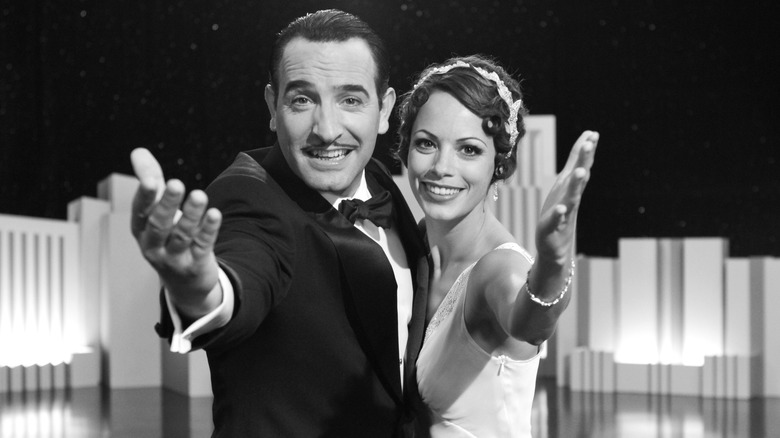
Michel Hazanavicius' black-and-white silent film "The Artist" is an undeniably endearing, unique, and audacious love letter to Hollywood. It's also faded from view with the very films that inspired it, offering little novelty beyond its presentation.
It should certainly be acknowledged that, in executing something so complete, beautiful, and clear in its storytelling, Hazanavicius displayed a level of technical mastery that deserves to be recognized and arguably remembered more than it currently is. At the same time, the lack of current interest in an age where communities on sites like Letterboxd exist points toward the Academy choosing style over substance in this instance. Jean Dujardin's Best Actor win over Gary Oldman ("Tinker Tailor Soldier Spy") has aged especially poorly, and it exemplifies the voting body's bias toward showy restraint over the genuine restraint of the subtler work seen in other competitors like "The Tree of Life" and "Hugo."
20. CODA
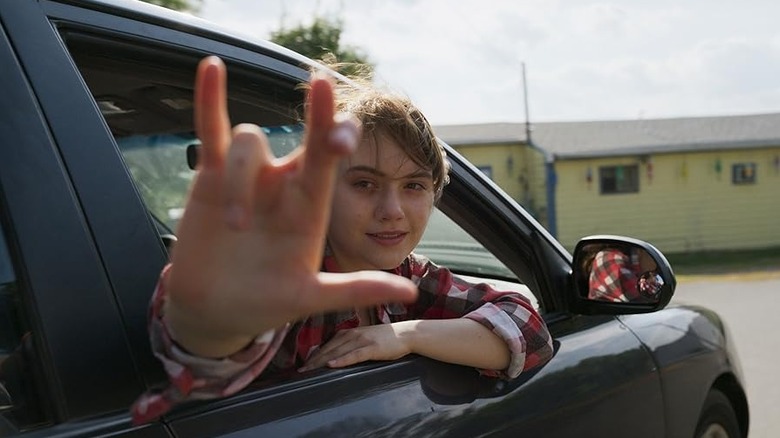
"CODA's" Best Picture win was controversial among entertainment pundits. "The Power of the Dog" was the frontrunner going in, though there were also those apprehensive about either film finally conceding the top prize to a streamer. As the industry was reckoning with the impact of COVID on the theatrical release model, it felt like an institutional loss to many who had been fighting for the cultural, professional, and financial importance of the traditional, communal moviegoing experience.
Putting that context aside, "CODA" still underwhelms compared to its competition. As sweet as coming-of-age stories come, it's also every bit as safe and predictable, and it has a reasonably contested reputation among non-hearing audiences critical of its climactic scene.
19. Million Dollar Baby
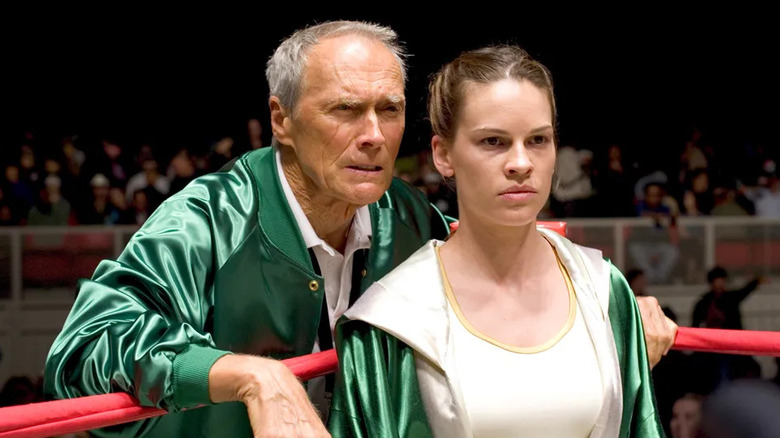
An argument could be made that any of the 77th Best Picture Class could've won. "Million Dollar Baby" has some passionate fans (like Stephen King), but to most it's, for better and for worse, a Clint Eastwood movie. It's efficient, effective, and respected, but not revolutionary outside the sports genre.
The central performances from Hilary Swank and Morgan Freeman are genuinely award-worthy, and we're even willing to concede that Eastwood's craftsmanship as a filmmaker is so undeniable here that he deserved Best Director. At the same time, their work has to do a lot of heavy lifting for Paul Haggis' screenplay. Like his script for "Crash," it's so attracted to simple, maudlin ideas that it sacrifices lasting psychological complexity.
18. Chicago
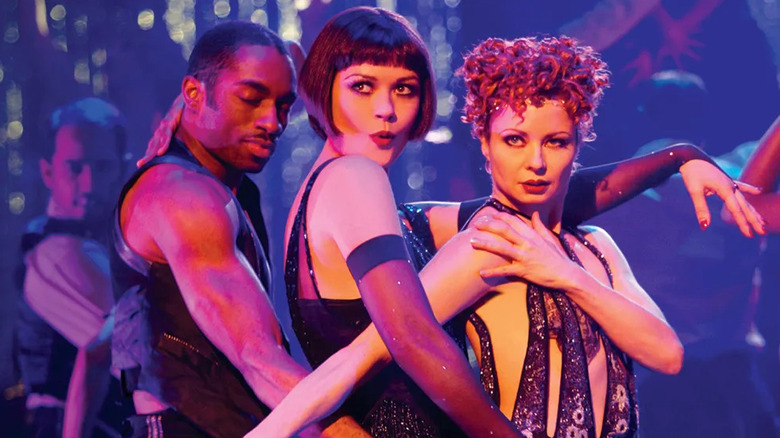
Whether or not you like "Chicago" comes down to whether or not you can stomach movie musicals. The 2002 film embraced the subgenre in a more literal and striking way than most, all while killing it at the domestic box office.
If you can't get swept up in the song and dance of it all, it might be because the satirical angle "Chicago" offers on fame feels less revelatory the more we become saturated in films and series that explore the same idea. That said, the eclectic musical numbers and performances remain timeless — Renée Zellweger, John C. Reilly, Queen Latifah, and Catherine Zeta-Jones were all nominated for acting honors, with Zeta-Jones winning, and they truly make the movie razzle dazzle. Richard Gere's omission in Best Actor has long been considered a notable Academy snub, though there was likely no beating Adrien Brody for "The Pianist."
17. Nomadland
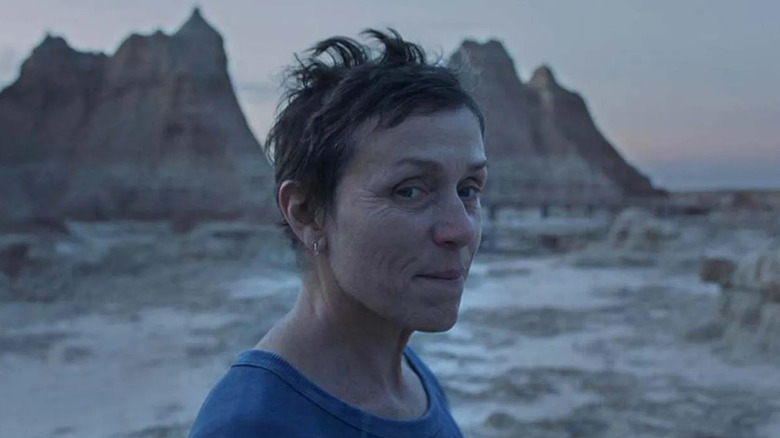
Chloé Zhao's pensive Best Picture-winner "Nomadland" is one of the most understated films to take home the award. With a cast of mostly non-actors anchored by an expertly subtle leading performance from Frances McDormand, it has an immersive quality that justifies a challenging pace that might put some viewers off.
Some may take issue with just how reserved McDormand is at times, but her Best Actress win still feels deserved. If there's any serious, enduring criticism to be reasonably leveled at "Nomadland," it would be its uneven engagement with the unstable economic context of its story. One could also argue, however, that Zhao's decision to foreground hope and humanity allows her film to meaningfully add to the long history of films that confront poverty in America.
16. Birdman (Or The Unexpected Virtue of Ignorance)
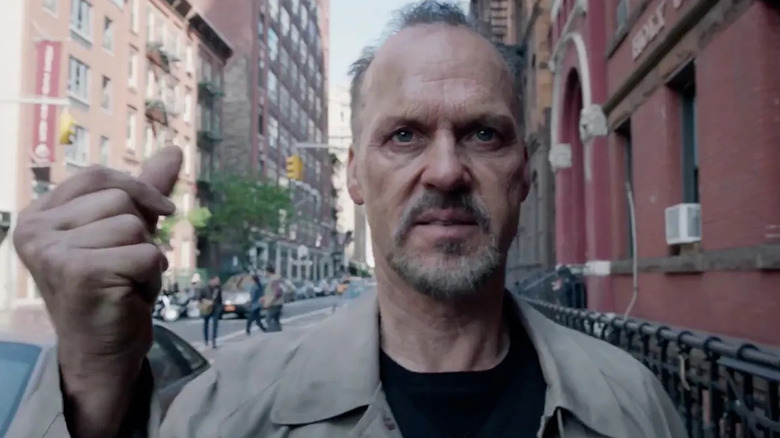
The critical reevaluation of Alejandro G. Iñárritu's "Birdman" has been quiet but notable. The arresting pace, humor, and performances of this Michael Keaton-led tragicomedy still hold up extremely well. Emmanuel Lubezki, the cinematographer responsible for the film's signature "one-take" style, also won Best Cinematography — gimmick or not, his execution is undeniable.
With all that being said, this self-examination of celebrity feels a little less psychologically compelling every year. While Keaton's character is so fully realized (and bolstered by the meta-narrative of the actor's parallel professional trajectory), the rest of the cast — particularly Riggan's daughter, played by Emma Stone — feel noticeably underwritten in comparison. Overall, it's still nearly impossible not to get captured by the energy of "Birdman."
15. Anora
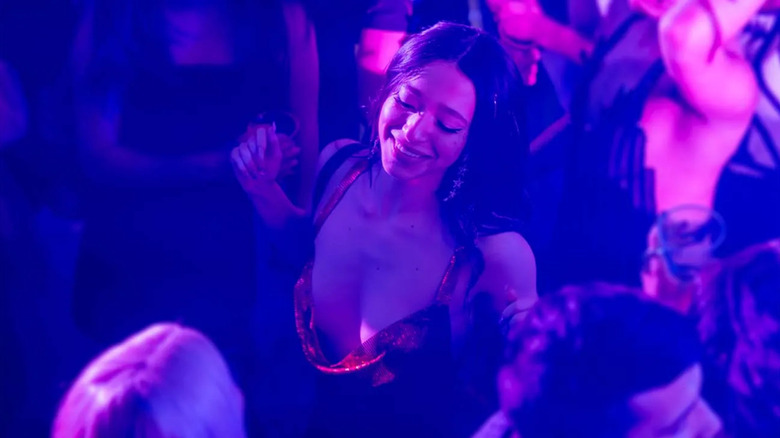
"Anora" divided audiences more than most remember. To some, it was a surprisingly hilarious yet biting and necessarily humanizing look into the lives of sex workers. But to others, it was jarring, uneven, and exploitative of the people and profession it claimed to uplift.
At /Film, we lean toward the former assessment, though the criticism from sex workers is vital to the dialogue "Anora" intends to catalyze. If this is the most humanity this sex work is ever afforded on camera, the film's popularity could hardly be considered meaningfully constructive. Dramatically, it's also understandable that the tonal shifts between scenes of chaotic, almost slapstick physical comedy and genuinely upsetting emotional beats (particularly the film's challenging and somewhat controversial final scene) don't land for all audiences.
Sean Baker's breakthrough from indie cinema to mainstream awards recognition should nonetheless be celebrated, especially as major Hollywood studios consolidate into, potentially, propaganda machines. Mikey Madison's performance also navigates the most difficult aspects with an enchanting fearlessness that ultimately deserved Best Actress.
14. Gladiator
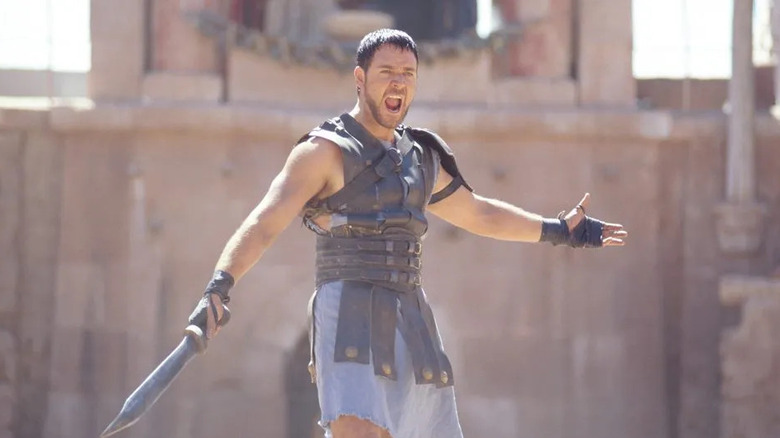
The Academy started off the new millennium with a bang by awarding Best Picture to a crowd-pleasing epic that is still fairly remarkable today. At the very least, it's one of the best movies of Russell Crowe's career.
Indeed, much of the brilliance of Ridley Scott's film can be attributed to casting. Crowe fought hard for that Best Actor win, beating out Tom Hanks in "Cast Away" with a physically demanding performance that commands every single frame Scott captures him in. Meanwhile, his villain — the almost cartoonishly evil Commodus — could've been rendered with laughable simplicity in the hands of any actor less skilled than Joaquin Phoenix. He was nominated for Best Supporting Actor but lost to Benicio del Toro for "Traffic."
As great as Crowe and the cast are, however, this is also Scott at his absolute best as a filmmaker. His blend of emotional gravity and grand action set pieces almost single-handedly revived swords-and-sandals movies as a viable blockbuster subgenre.
13. Slumdog Millionaire

Danny Boyle's entrancing "Slumdog Millionaire" is undeniably entertaining and well-made. It also bears one of the more complicated legacies on this list.
At the time of its release, commentators described it negatively as "poverty tourism," allowing American audiences to "immerse" themselves in an easily digestible version of Indian slums. Boyle himself has conceded that, if the film were made today, he wouldn't be the right filmmaker to tell a story about poverty in the country.
Engaging solely with its merits as a work of entertainment, Boyle's vibrant rendering of the story — led by a career-making performance from Dev Patel — makes the film captivating, despite its flaws. And let's not forget the Oscar-winning score by A.R. Rahman, which masterfully blends musical influences in a manner that paved the way for the now-dominant work of Ludwig Göransson.
12. Everything Everywhere All at Once
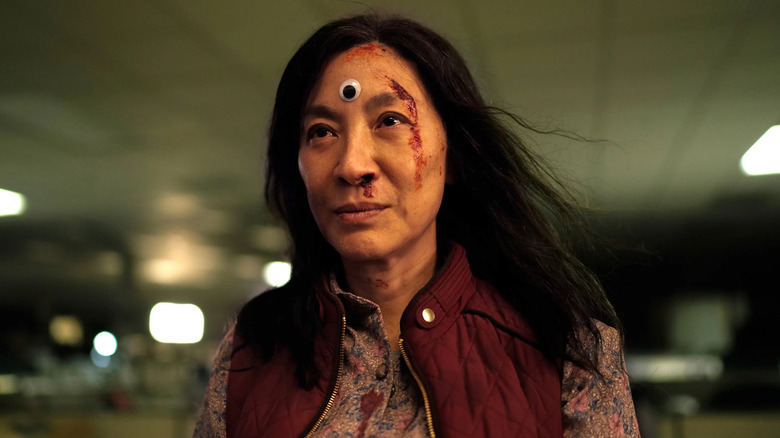
"Everything Everywhere All at Once" hasn't been out long enough for a full critical reevaluation, but the emotionally and stylistically unrestrained multiversal epic still packs a serious punch. It is by no means a subtle movie — it's also not really trying to be. That's kinda okay with us, given how consistently it kicks butt for over two hours.
At worst, the absurd visuals (hotdog fingers, everything bagels, rocks with googly eyes) can feel disarming in a way that will frustrate those trying to connect with its deeper emotional throughline. There is some credibility to the argument that the maximalist storytelling of The Daniels often conflicts with the humanity of the story they're trying to tell, as is most evident in the script's tendency toward emotionally literal dialogue. At the same time, is there a line more iconic from the last five years than "In another life, I would have really liked just doing laundry and taxes with you"?
Throughout the awards season, "Everything Everywhere All at Once" was, well, everywhere. It dominated the Oscars in particular with 11 nominations and seven wins.
11. The Hurt Locker

Certainly the best Kathryn Bigelow film of the century so far, "The Hurt Locker" maintains its status as a standard-bearer for the war subgenre. It's well-deserved, given Bigelow's careful, conscious examination of American soldiers fighting in Iraq.
There are similar issues present to those found in "Argo." Centering the experience of American soldiers in Iraq without confronting the illegality of the invasion or the humanity of Iraqis is morally and dramaturgically wrong. However, a case can be made for "The Hurt Locker" that the specificity of its narrative aim — which is ultimately to distill the oft-ignored psychological toll of warfare — justifies its reductive scope.
"The Hurt Locker" tied with "Avatar" with nine nominations each — the former film walked away with six wins. It was a historic night for the industry, with Bigelow not only becoming the first woman to direct a Best Picture-winning film but the first woman to win Best Director as well.
10. The Lord of the Rings: The Return of the King
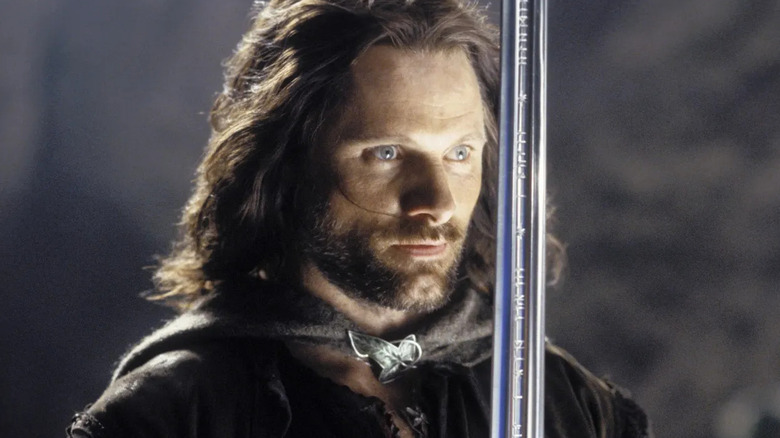
"The Lord of the Rings: The Return of the King" could be argued as the greatest trilogy finale in the history of film. It's an epic of the highest order with groundbreaking visual effects that continue to hold up on the whole. Whether it won on its own steam or in acknowledgement of the trilogy as a whole, it more than deserved its crown.
By our count, "Return of the King" still holds the record for the biggest perfect sweep in Oscars history. It won all 11 awards it was nominated for, including Best Picture, Best Director, and Best Adapted Screenplay. It's tied for most wins with the original "Ben-Hur" and "Titanic," while "Sinners" recently shattered the record for nominations by earning 16 in 2026.
9. The Shape of Water
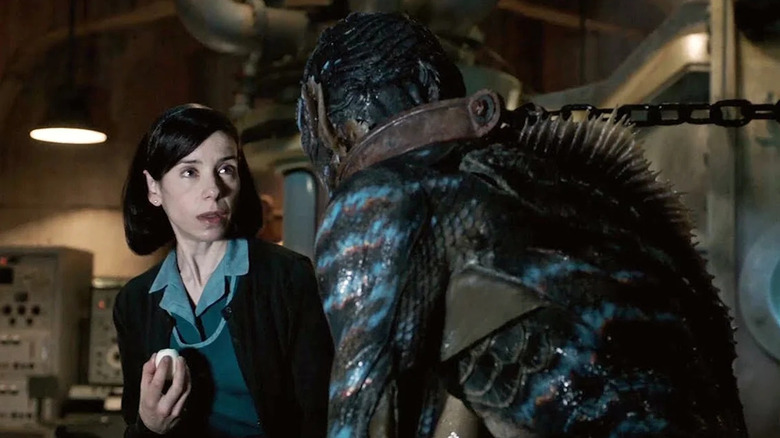
Guillermo del Toro's "The Shape of Water" is a bit strange. It's really not even the best del Toro film to be nominated for an Oscar, nor was it decisively the top of its own Best Picture class.
In a year of remarkably strong competition, the argument remains that "Get Out" or "Call Me By Your Name" deserved the award — and, indeed, both would've placed higher on this list. But with all that being true, del Toro's singular romantic fairy tale is a masterpiece every bit as impossible to shake as it was in 2017.
Sally Hawkins and Doug Jones are simply magic together, dancing their way through a world that makes fantasy feel grounded and emotionally tangible. The context of the film's competition speaks to the strength of both that specific Oscars class and the director's filmography as a whole.
8. The Departed
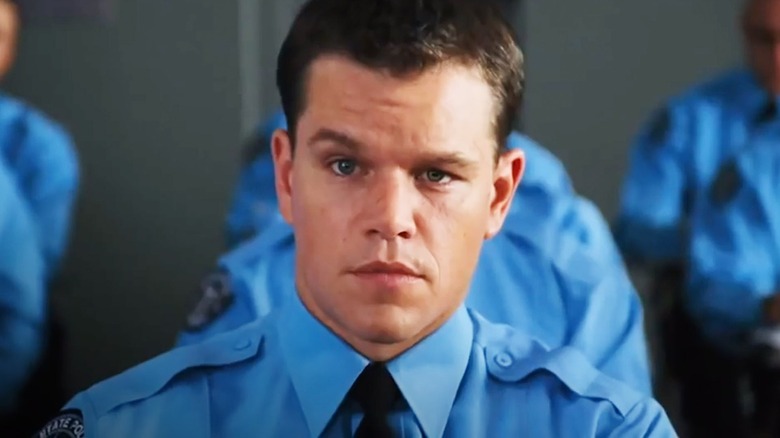
Like "The Shape of Water," "The Departed" is far from the pinnacle of Martin Scorsese's filmography, despite being the film that finally broke his Oscars curse. Even so, it's rightfully regarded as one of the century's best movies.
"The Departed" only lost one award at the 2007 Oscars — though with both Alan Arkin ("Little Miss Sunshine") and Eddie Murphy ("Dreamgirls") in the race for Best Supporting Actor, we're willing to cut Mark Wahlberg some slack. It's unlikely even a near-miss at a sweep could dampen Scorsese's mood, as he finally earned his first and only Best Director win that night.
7. One Battle After Another
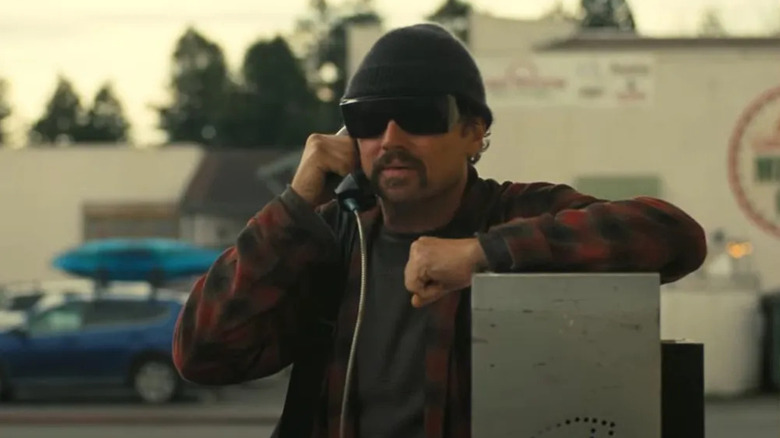
The most recent entry on this list, "One Battle After Another" was all at once the most necessary film of 2025, a marvel of storytelling that provoked every emotion one could imagine, and a clear opportunity for the Academy to finally give Paul Thomas Anderson the flowers he deserved. Despite coming in second in nominations to the record-breaking "Sinners," the film was overwhelmingly favored to win in just about every one of the 13 categories in which it was nominated.
Anderson walked into the theater with no Oscars and left with three — Best Picture, Best Director, and Best Adapted Screenplay. Teyana Taylor lost Best Supporting Actress to "Weapons" villain Amy Madigan, and Leonardo DiCaprio lost Best Actor to Michael B. Jordan. Sean Penn and Benicio del Toro competed against one another for Best Supporting Actor, with Penn ultimately winning in absentia.
6. Spotlight
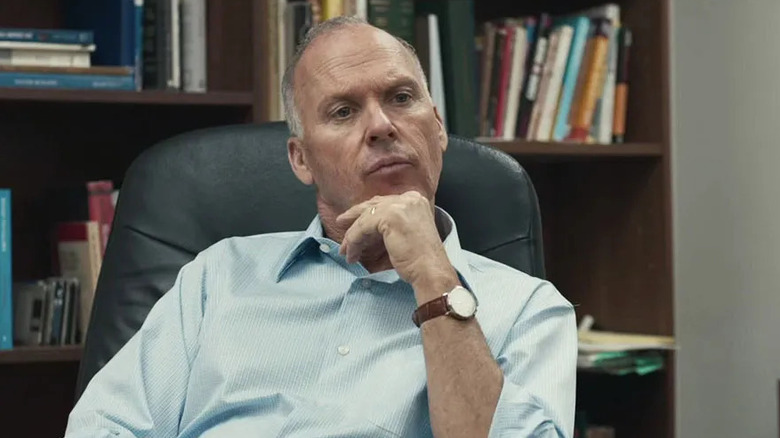
While most of the reputations of most Best Picture winners either hold or falter, "Spotlight" has arguably become more effective. Its story about the efforts of a few tireless truth-seekers to expose horrific, systemic abuse was told with such simple, cutting moral clarity that it feels even more urgent today.
"Spotlight" only won one other Oscar — Best Original Screenplay for McCarthy and Josh Singer. In a year dominated by strong, flashy contenders like "The Martian," "Mad Max: Fury Road," "The Revenant," and even "The Big Short" (with Adam McKay's intrusive visuals and fourth-wall-breaking narrative style), the simplicity of "Spotlight" feels admirably defiant. It knew how important its story was and rightfully trusted the cast and the audience to communicate and understand that fact respectively.
5. 12 Years a Slave
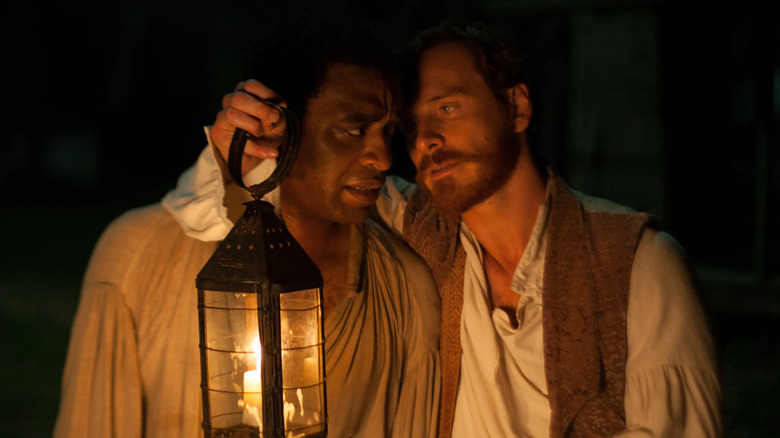
"12 Years a Slave" remains a vitally jarring masterpiece. Many Academy Award-winning films claim to be important, but none are as inherently so as Steve McQueen's unyielding and expertly-told biography of Solomon Northup (played in the film by Chiwetel Ejiofor).
Matthew McConaughey's performance in "Dallas Buyers Club" was strong, and it's a contender for his career-best against "True Detective," but it still feels like the Academy robbed Ejiofor. While most over-acted Best Actor-winners seem like they want to perform the act of "leaving it all on the frame," McQueen's film demands such visceral commitment for its star. It's undoubtedly one of the most necessarily demanding roles of the century, at the very least. Lupita Nyong'o meets that effort in her feature film debut and earned a Best Supporting Actress win as a result.
McQueen himself became the first Black filmmaker to win Best Picture. If it's shocking that that Academy didn't cross that milestone earlier, you'll likely be more shocked to learn they still have yet to do so in the Best Director category.
4. Parasite
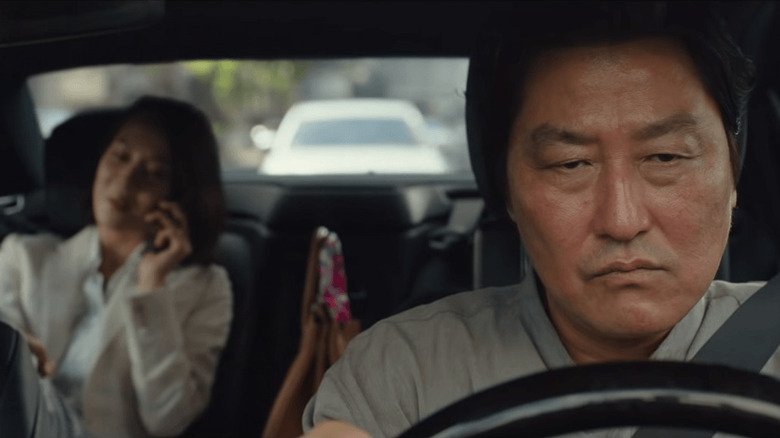
Bong Joon-ho's "Parasite" has been hailed as the greatest film of the 21st century. It's a compelling and defensible argument, bolstered by its enduring entertainment value and cultural relevancy, as well as its unprecedented performance at the 92nd Oscars. From its set design to the names of its characters, every aspect of the film is meticulously constructed to support Bong's central argument about class mobility.
"Parasite" won four of the six awards it was nominated for in 2020. It proved the Academy was capable of challenging its bias toward prestige and prominence to genuinely honor the best work of the year.
3. Oppenheimer
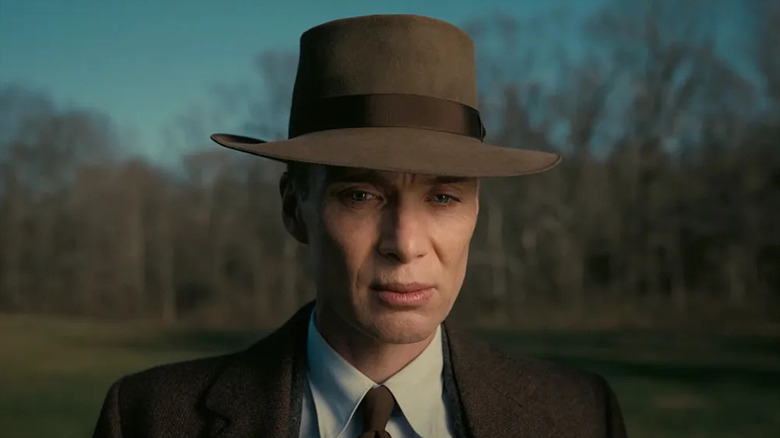
Christopher Nolan's "Oppenheimer" is so effective in its deconstruction of its central figure's lasting impact on the world that it transcends the historical biopic subgenre into the realm of psychological horror. Visually and narratively breathtaking with a stylistic touch that's unmistakably Nolan, it also forces warfare and the threat of nuclear proliferation to the center of modern American mythology.
Between the rapturous critical reception, the "Barbenheimer" cultural phenomenon, and the film's decisive performance throughout the awards season, it was obvious going into the 96th Oscars that this would be the ceremony that finally recognized Nolan as one of the greats. As of writing, it reasonably stands to be remembered as the most important film of the decade.
2. Moonlight
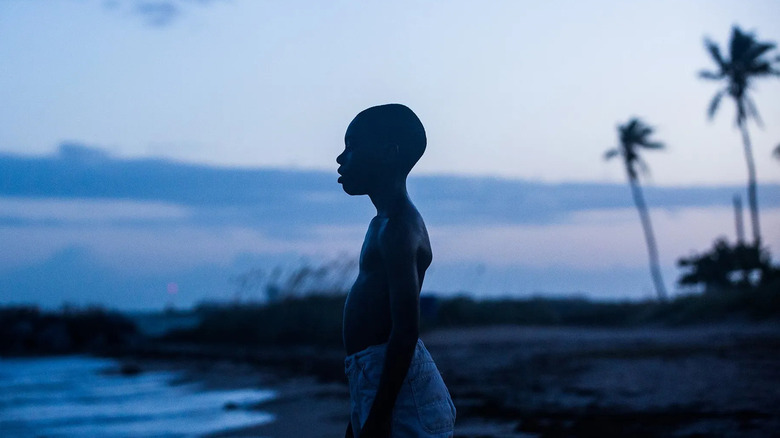
With an Oscars story unfortunately overshadowed by a flub and some bittersweet historical context, we'll never waste a moment to remind readers how powerful "Moonlight" is. Barry Jenkins' coming-of-age drama set a new standard for the subgenre, imbuing it with refreshing emotional complexity and formal precision.
Mahershala Al's portrayal of Juan, the deeply flawed father-figure who nearly steals the entire film, is still one of the best performances of the 2010s. His win for Best Supporting Actor cemented him as the year's biggest breakthrough talent and set him up to be one of the most in-demand actors in the following years.
1. No Country for Old Men
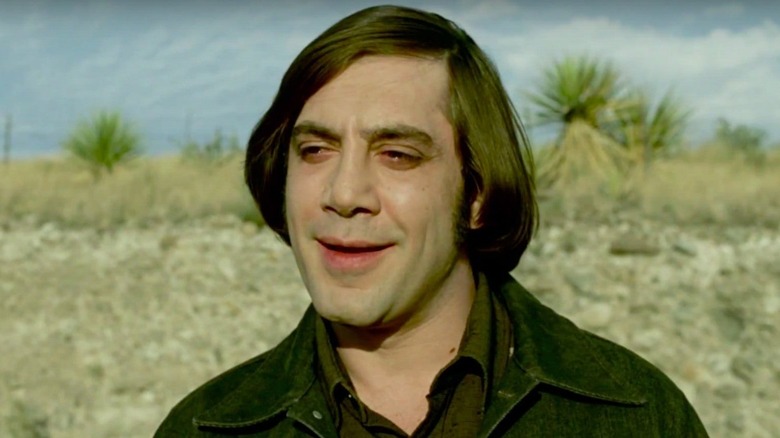
Built on the unmistakable storytelling of Cormac McCarthy, an Academy Award-winning and career-defining turn from Javier Bardem, and the Coen Brothers' unimpeachable mastery of the craft, "No Country for Old Men" is a haunting and thrilling neo-Western that stands alone. Its unexpected box office success proved that audiences were ready for the dark, psychologically challenging work it set out to do, and it continues to be endlessly dissected and devoured today.
The Oscars story of "No Country for Old Men" has always been told through its contest with Paul Thomas Anderson's "There Will Be Blood." The films were tied with eight nominations, and both were considered to be not only career-best achievements from their respective filmmakers but instant classics that would surely be remembered among the century's greatest films (the latter assumption has held true). Anderson walked away empty-handed, while the Coens took home Best Adapted Screenplay, Best Director, and Best Picture.