

5 Best Sci-Fi TV Shows Of 2026 (So Far)
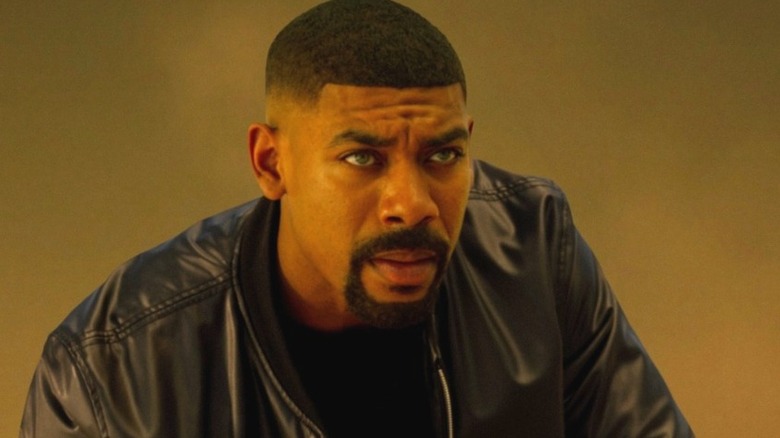
Maybe we're a little biased, but we'd go out on a limb and rank science fiction among the most vital and necessary genres in fiction. After all, what else could claim to have such an all-expansive influence on our lives and how we perceive the world around us? Sci-fi dares us to imagine the best of what we're capable of ... while forcing us to confront the worst. Whether it be idealistic visions of the future or post-apocalyptic nightmares, the full spectrum of our existence is present and accounted for here. Other genres oftentimes go through their own ups and downs on an annual basis, but sci-fi always endures.
2026 isn't even over yet, but we've seen more than enough quality and consistent television to assert that that trend continues. This list highlights the depth and breadth and variety of entertainment that only sci-fi can produce, from superhero series to political thrillers to reality-warping sagas set in the vast multiverse. And that's not even including the honorable mentions we had to leave out — shows like "Paradise" Season 2, the animated "Star Wars: Maul — Shadow Lord," Colin Farrell's twisty detective tale "Sugar," or even the throwback "Spider-Noir."
Of course, that only means the acclaimed titles that made the cut are all the more worthy of their spots. Thankfully, sci-fi isn't going anywhere anytime soon. In alphabetical order, here are the five 2026 shows that have helped best solidify the genre's staying power.
Dark Matter Season 2
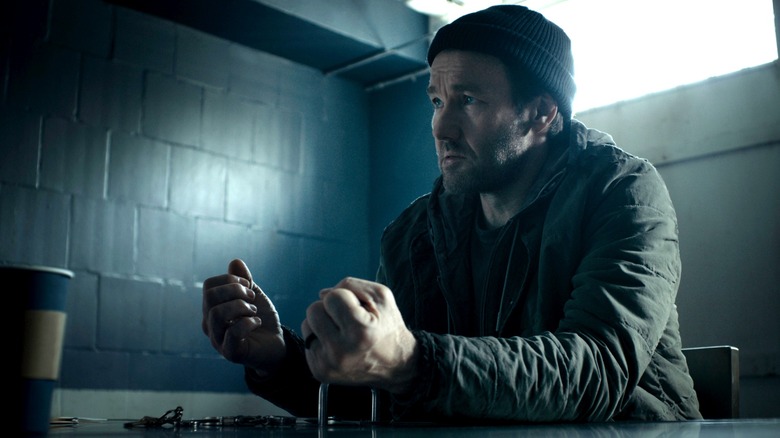
Going off the beaten path has rarely felt so exhilarating — or so creatively freeing. Blake Crouch isn't "just" the author of the original "Dark Matter" novel, but the showrunner in charge of bringing the Apple TV series adaptation to the small screen. He and his writing team already finished telling the full narrative of the book during its debut season, leaving many of us to wonder where exactly a second season could go once there was no more source material to follow. That question is currently being answered more emphatically than we ever could've anticipated.
Season 2 of "Dark Matter" may not be as streamlined and straightforward as its debut season, but the trade-off has resulted in several of the bolder and more ambitious hours of television we've seen in some time. Already, we've had a semi-controversial premiere that's changed the initial happy ending of Season 1, deeper examinations into several major characters, and a heartbreaking episode telling the ultimate what-if scenario about finding new love after surviving devastating loss — which, without spoiling anything, won't be the last stirring, standalone story we'll see this season. All of this adds up to a deeper, richer, more emotional multiverse adventure for our main trio of Jason Dessen (Joel Edgerton), his wife Daniela (Jennifer Connelly), and their son Charlie (Oakes Fegley) ... along with several of the supporting cast, as well.
If sci-fi is meant to challenge us and defy expectations, "Dark Matter" is accomplishing this and more.
Lanterns
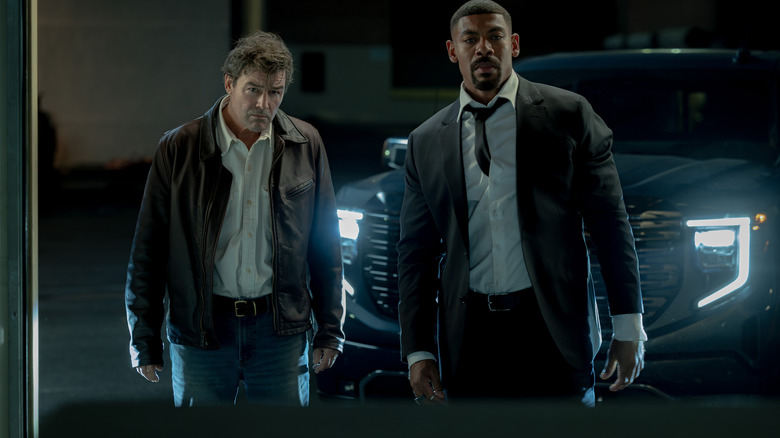
Speaking of challenging and unexpected, there might not be a higher-profile sci-fi series in 2026 (or any series at all, for that matter) that has stood up to scrutiny better than "Lanterns." The HBO Max series, starring Kyle Chandler as the grumpy Hal Jordan and Aaron Pierre as upstart protégé John Stewart, comes across like the kind of superhero show that could've only been released now, at what feels like the twilight of this subgenre's hold on pop culture. Despite online criticism about allegedly failing to embrace its comic book roots or dressing up its kid-friendly subject matter in "prestigeslop" (yes, an actual term getting thrown around as a pejorative), co-creators Chris Mundy, Damon Lindelof, and Tom King have delivered what might go down as one of the best installments in this last gasp of superhero media.
That's because, no matter what the vocal minority may claim, "Lanterns" earns every inch of its sci-fi aspirations. Yes, this is a grounded, "True Detective"-inspired take on what's otherwise been a cosmic franchise. But when that approach has given us such a transgressive spin on how superheroes are "supposed" to operate, from "Watchmen"-like commentary on race and the "Chosen One" arc to exploring the actual consequences of violence and collateral damage in a way that would make Zack Snyder blush, the method behind the so-called madness becomes clear. By depicting a world not too far removed from our own, "Lanterns" invites us to question our own preconceptions of the fantastical. That's as sci-fi as it gets, folks.
Silo Season 3
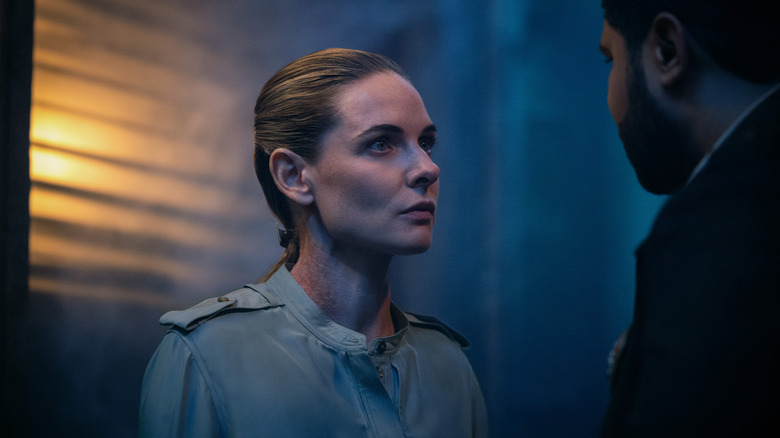
While some sci-fi offerings get a ton of mileage out of sticking close to the ground, others opt for a more dramatic route. "Silo" takes this to another level, depicting an entire society of underground survivors who've taken shelter from ... well, something bad that's happened to the outside world. Or has it? The first season revolved around the suspicions that those in charge have been lying to them about the true state of the living conditions on the surface, keeping the populace docile and oblivious for reasons unknown. Season 2 revealed that, in fact, things really are as bad as they seem and merely hinted at the nefarious acts that led up to it.
Season 3, then, was the one tasked with explaining why things ended up the way they did, and the wait was entirely worthwhile. Based on Hugh Howey's novels, "Silo" has proved itself to be among the more clever adaptations in recent memory. By knowing exactly when to stick close to the text and when to change things up, the Apple TV series has kept viewers of both mediums on their toes. For book fans, reshaping and recontextualizing the events of the plot only deepens the themes with which it's engaging. For casual audiences, the storylines split across hundreds of years led to a whopper of a finale. And for sci-fi nerds? Season 3 tees up an even more thrilling conclusion to come — one that may be the most extreme yet.
Star City
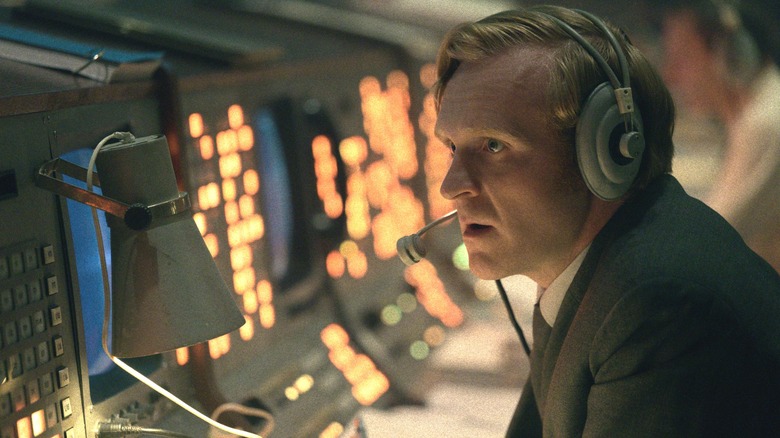
For years, "For All Mankind" set the bar sky-high for modern shows set in space, but in the span of just a single season, "Star City" may have eclipsed it. The spin-off/prequel series is set within the same world as the Apple TV franchise, dialing back the clock to the events of Season 1 of "For All Mankind." This time, however, things are told from the perspective of the Soviet Union as they win the space race and land the first man on the moon. Of course, the Russian setting and 1960s time period all but demand a more unique approach than its parent series — and creators Ben Nedivi, Matt Wolpert, and Ronald D. Moore oblige.
"Star City" is an espionage thriller, a political drama, and sci-fi show that reaches for the stars all at once, and its ambitions are clear right from the first episode. Like "The Americans" before it, there's no shortage of tension to be found in the height of the Cold War. The paranoia-infused locale of Star City and the Soviet Union's relentlessly secretive bureaucracy combine to form as oppressive an atmosphere and tone as any other show in 2026. But, rather than treating it as mere background noise, "Star City" keeps sci-fi at the forefront as we follow several cosmonauts attempting to explore the solar system for country, for science, and for their own wildest dreams.
With any luck, "Star City" will end up thriving just as "For All Mankind" has done.
Star Trek: Strange New Worlds Season 4
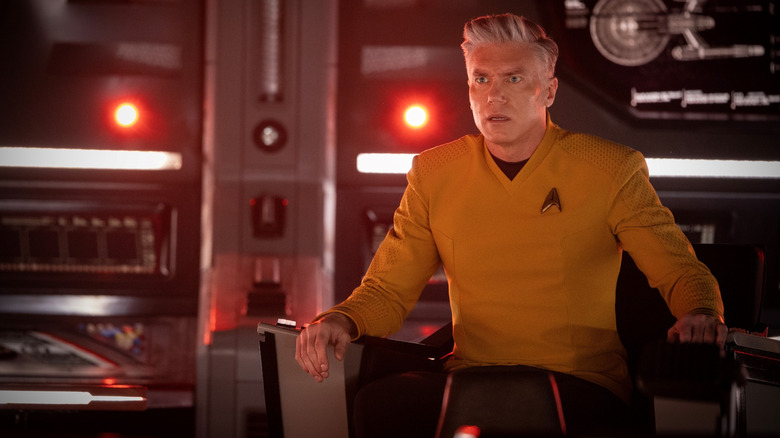
"Star Trek" has always defined itself by being vibrant, risky, and filled to the brim with imagination and creativity, but that's never been more true than in "Strange New Worlds." The future has never looked quite so full of potential, which is a quality that the Paramount+ series embodies more than any other. That means big swings, massive tonal jumps, and a refreshingly old-fashioned approach that lends itself to an adventure-of-the-week style. Four full seasons in, the prequel/spin-off show has fully established and fully embraced its unique personality.
Considering the "Star Trek" franchise's 60th anniversary this year and its somewhat uncertain future, "Strange New Worlds" has felt like the perfect celebration of what this beloved property can be. In a series where no two consecutive episodes are ever the same, that gives co-showrunners Akiva Goldsman and Alex Kurtzman free rein to put their love of "Trek" on full display. Even more than all the Easter eggs and references and attempts to tie together an imposing amount of canon, the highlight of "Strange New Worlds" truly is its deep and abiding reverence for all that Gene Roddenberry established this universe to represent. If that means things get a little too silly or self-referential sometimes, that's a small price to pay for this five-year mission that we never want to reach its conclusion.
Of course, all good things do come to an end, but "Strange New Worlds" has taken us for quite a ride.