

10 Classic Sci-Fi TV Shows That Are Still Worth Watching Today
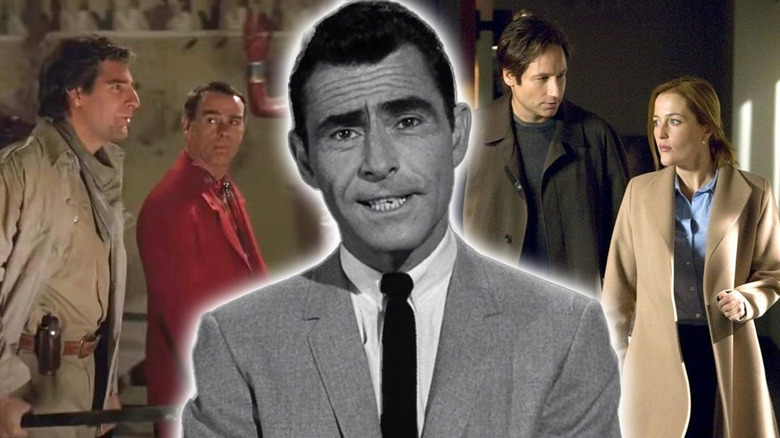
Given its reflection of contemporary culture and reliance on special effects, science fiction is one of those genres that can age like fine wine or bad milk. Shows that looked amazing when they were first broadcast can look laughably dated within a matter of years. Sci-fi stories that may have seemed innovative or boundary-pushing at the time could become glaringly out of touch for modern audiences. Like any other medium, sci-fi television can fail to measure up and endure over the passage of time.
Fortunately, we're not focusing on sci-fi shows that have aged poorly but ones that have held up in the decades since their debut. For the purposes of this article, we're focusing on series that aired the majority of their respective episodes before the year 2000. These are the shows that still entertain modern audiences through timeless storytelling and enduring iconography.
These are 10 classic sci-fi shows that are still worth watching today, each standing the test of time in their own way.
The Twilight Zone (1959)
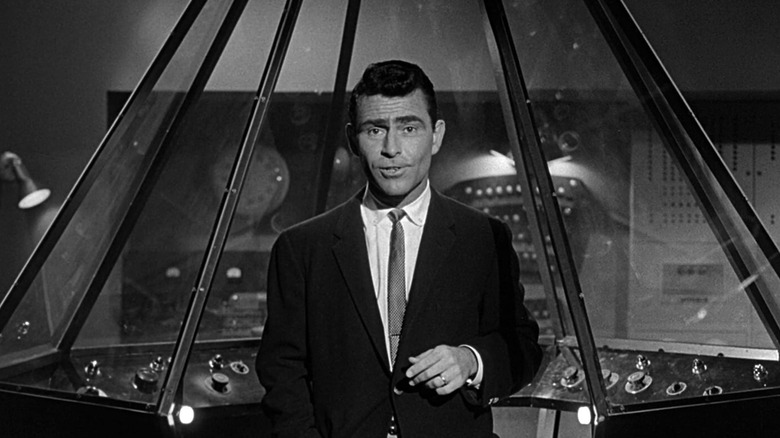
Not every episode of "The Twilight Zone" was one within the sci-fi genre, with the 1959 anthology series occasionally venturing into overt fantasy instead. But some of the best and scariest "Twilight Zone" episodes were within the realm of science fiction, as creator Rod Serling continued his exploration of the creative possibilities of imagination. This ranges from aliens disguising their voracious plans within a cookbook to an unassuming man embarking on a time travel story to his own childhood. As with the rest of the series, these stories varied in tone and stakes, but each furthered the wondrous legacy of Serling's creation in their own way.
"The Twilight Zone" is one of those classic shows whose impact on the medium and lasting quality can't be understated. Serling ushered in a more sophisticated level of television storytelling and did so with a rotating cast across standalone stories each week. As a testament to its expansive influence, several movies have been inspired by "The Twilight Zone," reinterpreting and streamlining its themes. The ultimate anthology show, "The Twilight Zone" has spawned imitators and revivals, but the original 1959 series is still the one to revisit.
The Outer Limits (1963)
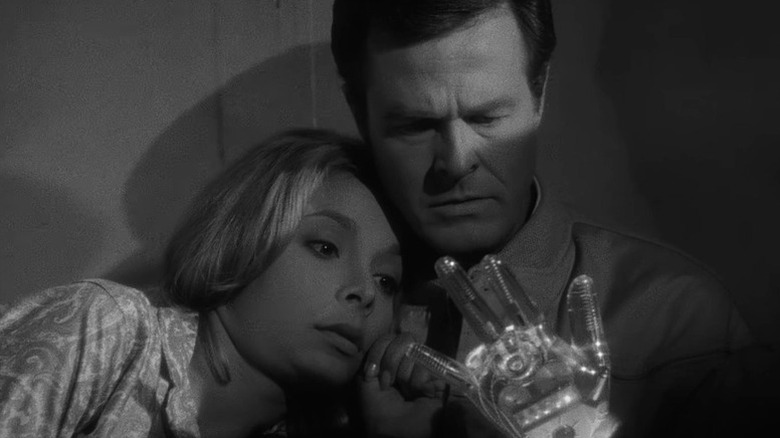
While "The Twilight Zone" touched on sci-fi and horror often, the 1963 anthology series "The Outer Limits" delved more readily into those genres. Airing for two seasons, the show featured rotating casts and standalone stories but placed a greater emphasis on sinister and bleaker storytelling. Among the show's more overtly memorable sci-fi stories include "The Zanti Misfits" and "Corpus Earthling," both revolving around alien invasions. These episodes are also markedly more violent than many "Twilight Zone" tales, highlighting the difference in tone and narrative approach despite sharing similar genres and formats.
There is a more distinctly pulp quality to the types of stories told by "The Outer Limits" compared to the more imaginative "Twilight Zone." This isn't to denigrate the 1963 series, but it was often more focused on delivering chilling tales than building a story around a major plot twist. To that point, Stephen King thinks "The Outer Limits" is scarier than "The Twilight Zone" and he's right, though he's likely to acknowledge that Serling wasn't always trying to terrify his audience either. An eerie and darker alternative to Serling's anthology series, "The Outer Limits" explores the creepier side of sci-fi to great effect.
Doctor Who
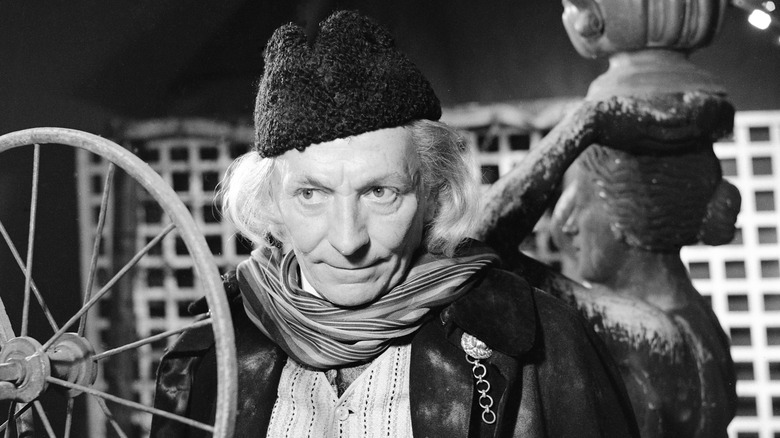
With a history dating all the way back to 1963, "Doctor Who" is one of the most expansive sci-fi franchises in television. The series follows an extraterrestrial, known simply as the Doctor, who travels through space and time but has a special affinity for Earth and humanity. Teaming up with a whole line of companions in their exploration of the cosmos, the Doctor contends with frightening enemies, including the merciless Daleks and nightmarish Weeping Angels. The Doctor regularly regenerates their physical form, not only facilitating a recasting of the character behind-the-scenes but providing the show with a fresh shot in the arm.
With a legacy spanning over six decades, it can be tough to know where to start watching "Doctor Who," but the series offers plenty of jumping-on points. However, even if you start with episodes from the 21st century, the lore from 1963 remains intact and ripe for a revisit. As the show gradually modernized, it didn't shy away from its campier elements but, instead, embraced them while subtly repositioning them. "Doctor Who" is a television institution and its recognition of its varied mythos only adds to its enduring appeal.
Voyage to the Bottom of the Sea
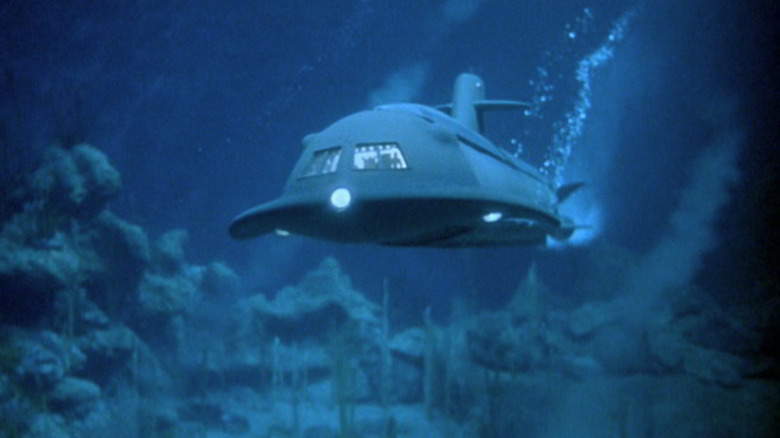
As underwater photography improved significantly, many movies in the '50s and '60s began to more readily showcase underwater cinematography, like the 1958 show "Sea Hunt" or the 1965 film "Thunderball." One quirky sci-fi show from the '60s that offered its own aquatic spin to the genre was 1964's "Voyage to the Bottom of the Sea." Created by disaster movie virtuoso Irwin Allen, the series was a spin-off to the 1961 film of the same name, following the adventures of a futuristic submarine. The crew encountered all sorts of paranormal phenomena as it cruised the globe, including extraterrestrials and supernatural monsters, while dealing with Cold War intrigue.
Like many shows of its era, "Voyage of the Bottom of the Sea" gets more fantastical as it progresses, particularly in its two final seasons. But even as weird as the series gets, the show's lead actors, Richard Basehart and David Hedison, provide it with its solid grounding. If you're looking for moody international realpolitik reflecting the Cold War, those first two seasons deliver it, while the latter two have fun with the overarching premise. Allen's most consistently solid '60s series, "Voyage to the Bottom of the Sea" is a lot of watery fun.
Star Trek: The Original Series
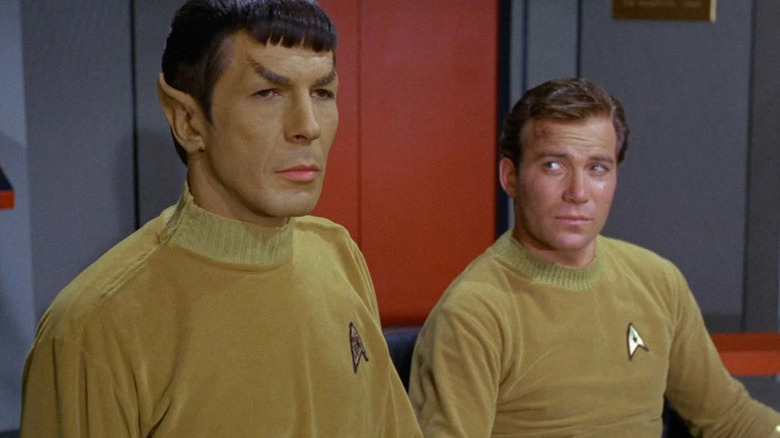
It'd be easy to list all the pre-"Star Trek: Enterprise" series here, but we're keeping it to the show that started it all, "Star Trek: The Original Series." Premiering in 1966, the show follows humanity's growing role in the galaxy during the 23rd century. Captain James T. Kirk (William Shatner) commands the starship Enterprise on a five-year exploratory mission across the stars while accomplishing missions on behalf of the Starfleet. Kirk is joined by an absolutely iconic crew, most notably the starship's first officer, half-Vulcan scientist Spock (Leonard Nimoy).
"Star Trek" is the greatest sci-fi franchise of all time and "The Original Series" cemented that distinction early on. With imaginative storytelling, memorable characters, and philosophical and social themes, the show rose above its genre contemporaries significantly. Though some of the effects and stories seem a bit dated now, overall, the show holds up as a foundational piece of television sci-fi. There's an argument that "The Original Series" is the best "Star Trek" show and, in introducing the universe that legions of fans know and love, it's easy to see why.
Battlestar Galactica (1978)
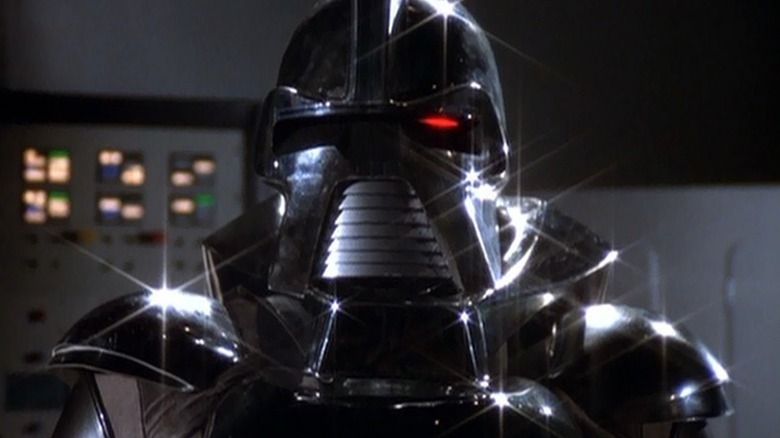
While the 2000s saw a critically acclaimed reimagining of "Battlestar Galactica," the original 1978 series doesn't get enough love today. The show features a group of human refugees fleeing from the Cylons, a group of sentient machines out to eradicate humanity for good. Leading the spacefaring flotilla from the titular flagship, the Galactica, is Commander Adama (Lorne Greene) as they search for Earth to establish a new home. The Cylons continue to pursue the Galactica and surrounding human refugees, joined by the human traitor Baltar (John Colicos).
While bringing plenty of space opera escapism, with noticeable similarities to "Star Wars," the original "Battlestar Galactica" set the template for the franchise to follow. For a '70s network television show, the special effects hold up fairly well and were certainly impressive for their time. The show also dove into stories about religion, albeit not nearly at the same level as Ronald D. Moore's revival 25 years later. A more overtly swashbuckling take on the space opera genre, the original "Battlestar Galactica" is breezy fun with a timeless conflict at its core.
Quantum Leap (1989)
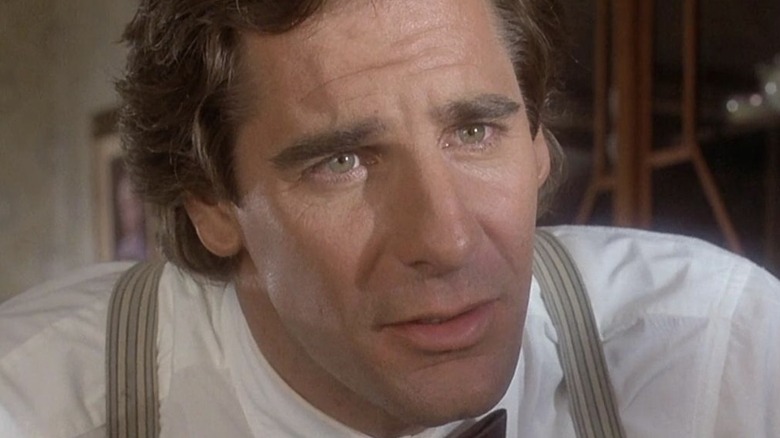
Bridging the gap between '80s and '90s, "Quantum Leap" made a star out of its lead actor Scott Bakula and kept things fresh thanks to its premise. Bakula plays Sam Beckett, a scientist who tests out an experimental time travel machine that he designed. Instead, Beckett finds himself temporarily possessing different people throughout history with each leap that he takes. Guided by a hologram of his friend Al Calavicci (Dean Stockwell), Beckett uses every leap as an opportunity to help his host body fulfill their respective destiny.
Thanks to its body-hopping structure, "Quantum Leap" gently reinvents itself with every episode, changing up time periods and supporting casts. Bakula and Stockwell provide the show with a strong constant, with Bakula particularly good in subtly shifting his performance with every leap. The series features an ending that fans still argue about today, regarding Beckett's final fate, but that just underscores how much the show gets us to care about its protagonist. Time-traveling sci-fi with a body-swapping twist, "Quantum Leap" keeps things fresh with its reliable narrative setup.
Babylon 5
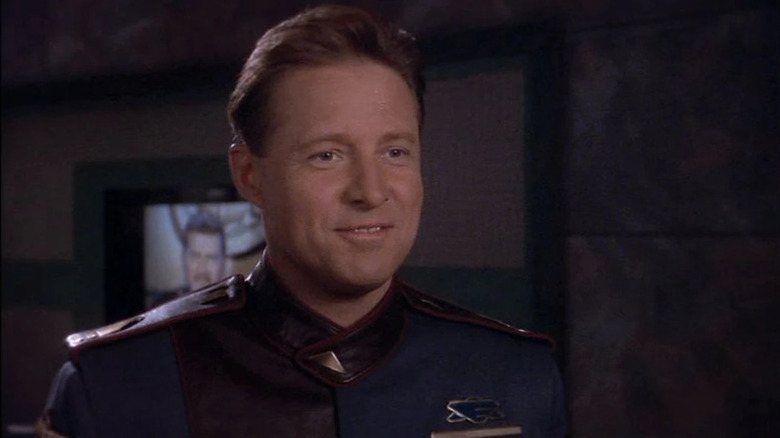
As a reminder that critics don't always get it right, "Babylon 5" is a '90s sci-fi show with awful reviews that's actually worth watching. Set during the 23rd century, the show takes place a decade after humanity was nearly destroyed by an extraterrestrial race known as the Minbari. After the conflict's conclusion, the Earth Alliance takes a greater role in the galaxy, with the story centered on a titular strategic space station. As the cosmos descends into war once again, the crew of Babylon 5 plays a pivotal role in the galaxy's future.
With its increasingly complex interstellar politics and intrigue driven by strong, intertwining character arcs, "Babylon 5" was ahead of its time. The show was powered by ambitiously scaled storytelling without losing its human focus years before the "Battlestar Galactica" revival similarly leveled up the genre on television. Each season advances the overarching story in a meaningful way, upping the ante and moral complexity when interstellar war inevitably breaks out. A mature meditation on political intrigue and conflict on a galactic scale, "Babylon 5" is one of the best sci-fi shows of all time.
The X-Files (1993)
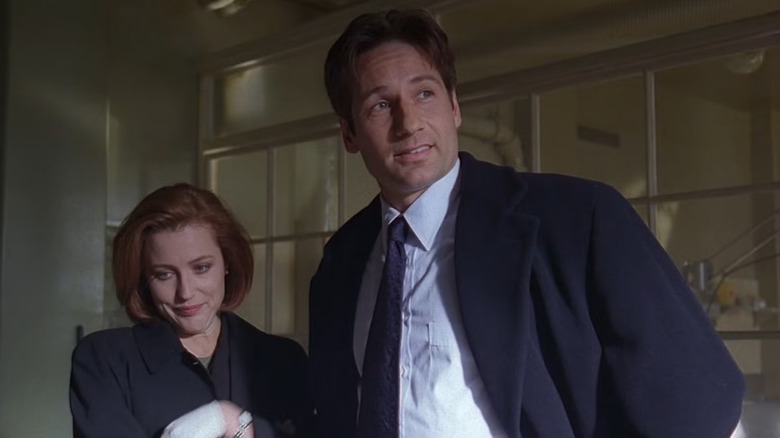
When it comes to '90s sci-fi, there are few shows that capture the decade's distinct vibe better than "The X-Files." Premiering in 1993, the show is named for a special branch within the FBI dedicated to investigating paranormal cases around the country. This unit includes Fox Mulder (David Duchovny) and Dana Scully (Gillian Anderson), with Scully initially skeptical of the existence of the supernatural. By contrast, Mulder is a devoted believer in the paranormal and is convinced that the government is covering up the existence of aliens, a suspicion that proves true.
Right from its stylized opening title sequence, "The X-Files" brings a clear '90s aesthetic to the proceedings that evokes the eerie mood that the show is all about. But debuting just a couple years into the modern procedural boom led by "Law & Order" in 1990, Fox's sci-fi horror series mixed that formula with an effective monster-of-the-week structure. Much of the show's charm is built around the chemistry between Duchovny and Anderson, and after Duchovny walked away from "The X-Files" after seven seasons, it was never the same. One of the defining network sci-fi shows of the late 20th century, "The X-Files" is a sterling franchise that endures middling movies and revivals.
Cowboy Bebop (1998)
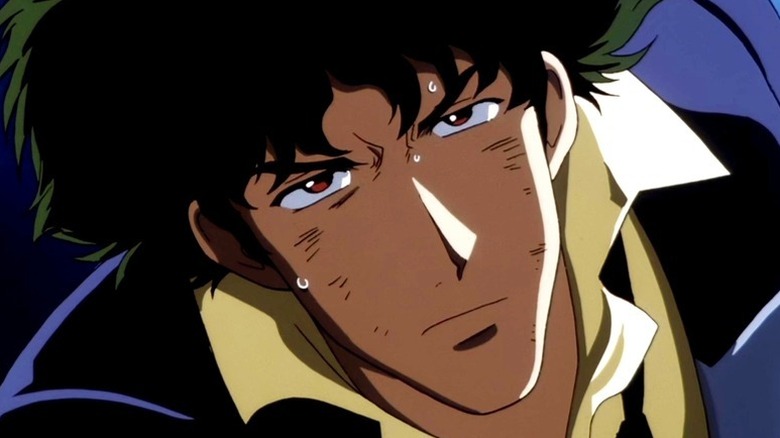
There's a lot of great '80s and '90s sci-fi anime that could've very easily made this list, like "Mobile Suit Zeta Gundam" and "Neon Genesis Evangelion." But honestly, the one that we keep coming back to is 1998's "Cowboy Bebop," which feels better than ever decades after its run. The show is set in a future where humanity has colonized most of the solar system, with bounty hunters helping rein in notorious crooks from lawless areas. Among the most prolific bounty hunters in the cosmos is Spike Spiegel and the crew of the Bebop, with Spike's violent past gradually coming to light.
True to its title, there is a jazzy energy that permeates throughout "Cowboy Bebop" as it places Spike and his friends on atmospheric adventures across the system. This, coupled with the fact that every "Cowboy Bebop" episode feels unique, really makes the show a singular experience in the medium. Some stories in the series feel like neo-noir, neo-Western, psychological horror, and even slapstick comedy in their tonal delivery. An absolute masterclass in anime storytelling, "Cowboy Bebop" is a show that's stood the test of time incredibly well.