

5 Emmy-Winning Sitcoms That We Don't Talk About Anymore
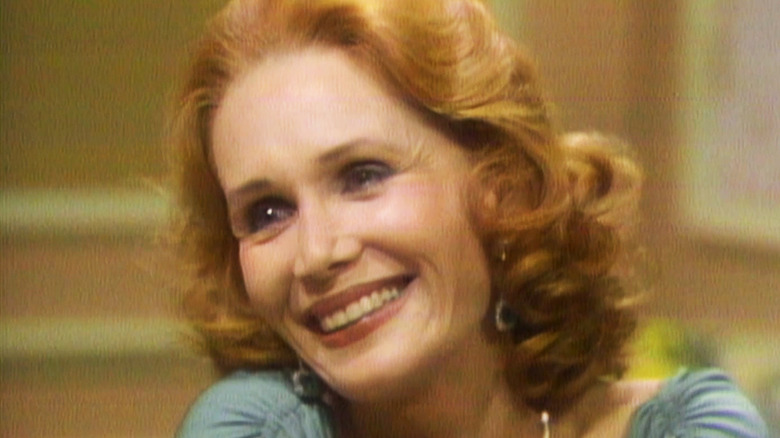
From the moment it emerged via radio in the 1920s all the way up to the post-pandemic age, the sitcom has mirrored the cultural evolution of the United States. Perhaps that has something to do with why it's always been one of the most popular genres on TV, reflecting the state of the country with each new generation of shows and remaining perpetually relevant as a result.
But the history of the genre is far more than the most popular sitcoms of all time. Not only are there numerous underrated sitcoms dotted throughout TV history, there are those shows that were extremely successful during their initial run but, for whatever reason, faded from the public consciousness as time went on. Several of these shows even managed to secure that most prestigious of TV awards: an Emmy.
The Academy of Television Arts & Sciences has handed out many a statuette to sitcoms which, despite their awards success, have long since been forgotten. Of course, much of this is simply a result of the sheer volume of sitcoms networks have churned out over the years. Even some of the great shows were bound to get lost beneath the never-ending tide of production. But that doesn't mean we can't go back and try to rescue a few of them from slipping into complete obscurity. Here, we've rounded up five Emmy-winning sitcoms that we no longer talk about but probably should.
Love, American Style
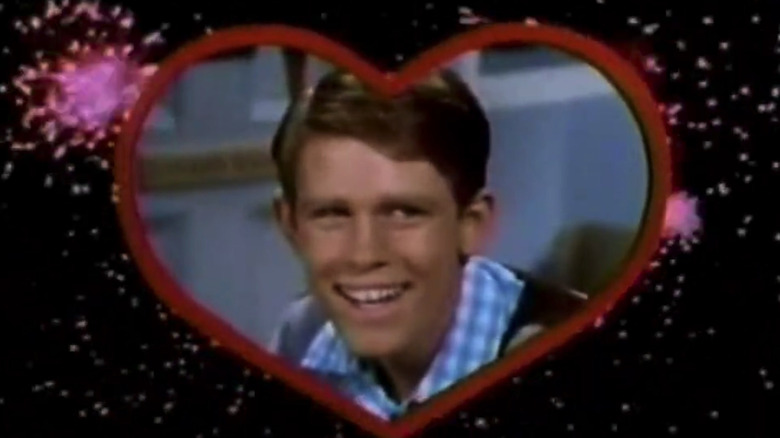
"Love, American Style" was not technically a sitcom, but many of its episodes functioned like one. The anthology comedy series ran on ABC from September 1969 to January 1974, during which time it aired alongside such esteemed shows as "The Brady Bunch," and "The Odd Couple," hosting numerous soon-to-be stars and earning six Emmy nominations and two wins throughout its five-year run. For whatever reason, however, the show just isn't talked about today.
That said, "Love, American Style" will never truly be forgotten as this is the show that gave us "Happy Days," which began as an episode of the anthology series entitled "Love and the Television Set." That title was later changed to "Love and the Happy Days" after Ron Howard's Richie Cunningham and his gang's solo show became a major success. What's more, "Love, American Style" featured several future A-listers including Harison Ford and Diane Keaton, and remained popular for its first four seasons before ratings dropped in the fifth, prompting ABC to pull the plug.
Despite its impressive roster of talent and memorable segments that gave rise to sitcom classics, the show actually only won Emmy awards for its music. Composers Charles Fox and Arnold Margolin took home an Outstanding Achievement In Music, Lyrics And Special award In 1970, before Fox went on to claim the Outstanding Achievement In Music Composition – For A Series Or A Single Program Of A Series again in 1973. Otherwise the show earned two nominations for Outstanding Comedy Series but failed to win in those categories. It also failed to remain part of the sitcom discourse after its cancellation, but surely deserves far more recognition.
Soap
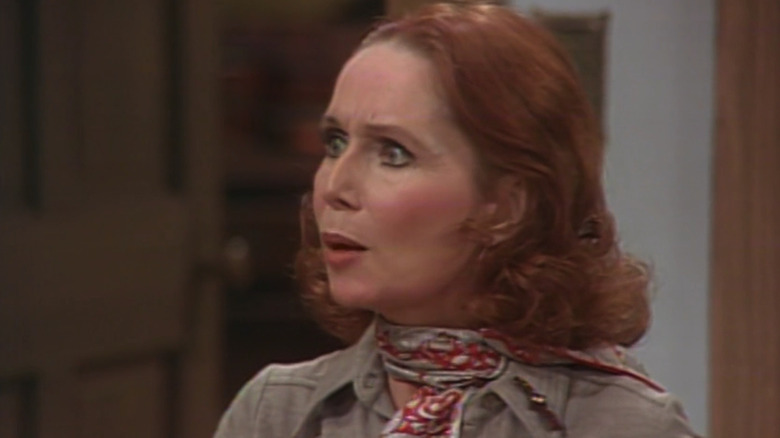
If I were to bring up a 1970s sitcom that changed the face of the format with a subversive tone and a willingness to tackle taboo topics, you'd probably think I was talking about "All in the Family." But Archie Bunker wasn't the only one shattering the wholesome portrait of America painted by earlier sitcoms. Six years after "All in the Family" debuted in 1971, "Soap" arrived to carry on the tradition started by Bunker and co. but with a much more satirical edge.
The show was actually a parody of soap operas, and starred Katherine Helmond and Cathryn Damon as sisters Jessica Tate and Mary Campbell. Set in the fictional Dunn's River, Connecticut, "Soap" dealt with contentious topics such as race and class. But it also featured off-the-wall storylines that included everything from aliens and ninjas to possessed babies. "Soap" also featured Billy Crystal as Mary' s son, Jodie, an openly gay character which at the time was enough to prompt a major controversy that saw both conservatives and gay rights activists speak out against the show.
You'd think the soap that made Billy Crystal a household name would be etched into the collective cultural memory — especially when you add on the fact "Soap" was nominated for 17 Emmys (winning four times) and produced a spin-off, "Benson." In fact, Robert Guillaume, who played Benson (the Tate family's butler) was one of the actors who earned an Emmy for his work on the show, alongside fellow stars Richard Mulligan and Damon, both of whom won their awards in 1980. Alas, after "Soap" was canceled in 1981, it slipped into obscurity.
3rd Rock from the Sun
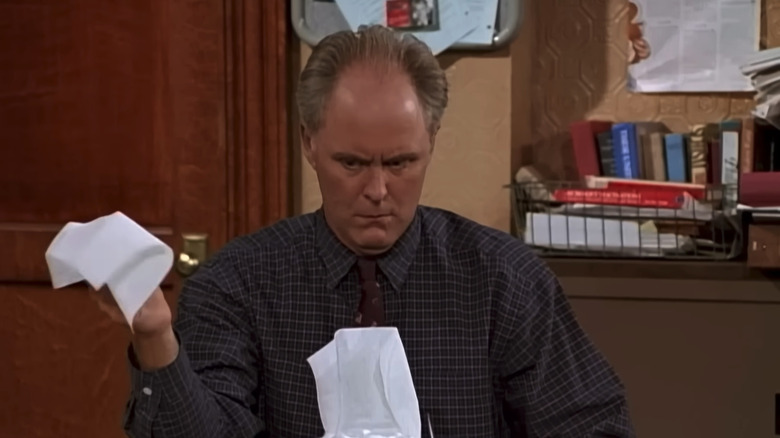
Back in the 1990s, "3rd Rock from the Sun" was part of the cultural wallpaper. Alongside the likes of "Friends," "Frasier," and "Seinfeld," John Lithgow's quirky sitcom seemed destined to be remembered for years to come — especially since it won eight Emmys during its six season run. For some reason, that didn't happen.
"3rd Rock from the Sun" aired on NBC from January 1996 to May 2001, putting it right in the golden age of the comfort/hangout sitcom era. It stars John Lithgow as Dick Solomon, an alien who arrives in Rutherford, Ohio as part of a mission to study Earth. He's joined by three other aliens, played by Joseph Gordon-Levitt, Kristen Johnston, and French Stewart, and together they try to assimilate into human life while frequently reporting back to their superior, known only as Big Giant Head, (portrayed by William Shatner in a "3rd Rock from the Sun" guest spot). "Saturday Night Live" alum Jane Curtin also plays anthropology professor Dr. Mary Albright, who works with and serves as a love interest for Solomon.
In 1996, Lithgow took home the Outstanding Lead Actor Emmy, but 1997 was the year "3rd Rock from the Sun" really dominated the awards. The show was nominated for eight Emmys and won five, with Lithgow once again claiming the Lead Actor win alongside Kristen Johnston winning for Outstanding Supporting Actress. The show also won for costuming, choreography and sound mixing. Two years later, Lithgow and Johnston won the same Emmys again, bringing the show's overall win total to eight. Despite all that success and its standing as one of the best sci-fi shows of the 1990s, "3rd Rock from the Sun" simply doesn't get the recognition it deserves today.
Rhoda
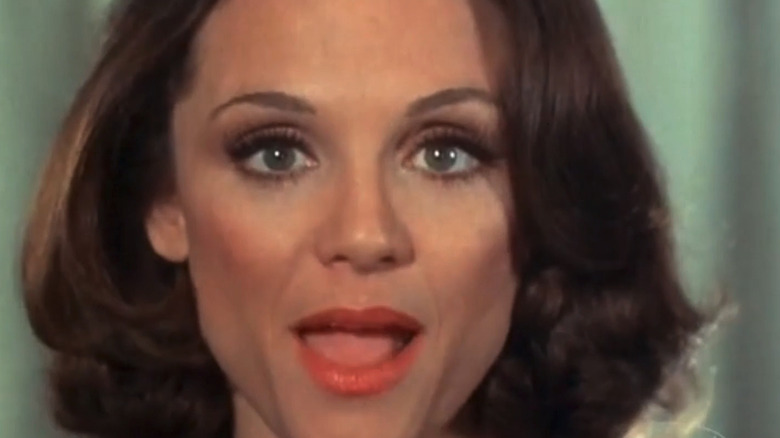
When you think James L. Brooks and Julie Kavner you probably think "The Simpsons." But the "Simpsons" producer and Marge Simpson actor worked together long before they reunited for Matt Groening's animated hit, collaborating on a now forgotten '70s sitcom that very much holds up today.
"Rhoda" is a spinoff from "The Mary Tyler Moore Show" which sees Valerie Harper reprise the title role of Mary Richards' neighbor Rhoda Morgenstern. In "Rhoda," which began in 1974 after the fourth season of "The Mary Tyler Moore Show," Harper's audacious Bronx native moves from Minneapolis back to New York City, where she meets and marries Joe Gerard (David Groh). At first, however, Rhoda moves into her younger sister, Brenda's (Kavner) Manhattan apartment before moving in with her parents and ultimately settling down with Joe after their marriage in the eighth episode of "Rhoda" Season 1. The special hour-long installment, "Rhoda's Wedding," was nothing short of a TV event, with 52 million viewers tuning in to see Mary Richards' former sidekick get hitched.
By Season 3, however the show's fortunes had changed — mostly due to the fact Joe left Rhoda in the Season 3 premiere claiming he'd felt pressured into the marriage. Ratings dropped before picking back up again with Season 4, only to plummet again in Season 5. "Rhoda" aired its final episode in December 1978. By that time, the show had managed to claim two Emmy wins, with Harper winning an Outstanding Lead Actress In A Comedy Series award in 1975 and Kavner winning Outstanding Continuing Performance By A Supporting Actress In A Comedy Series in 1978.
The Ghost & Mrs. Muir
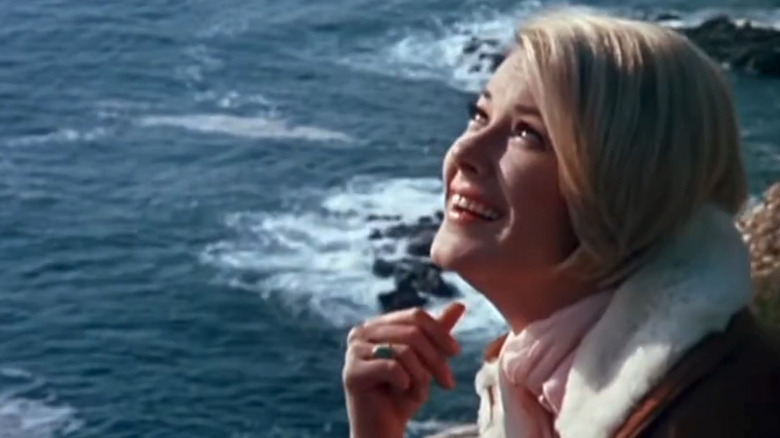
It's rare to find a show that was canceled twice yet also won two Emmys. But that's exactly what happened with "The Ghost & Mrs. Muir," one of many forgotten 1960s sitcoms that still hold up today.
The show is based on the 1947 Joseph L. Mankiewicz film of the same name, which in turn was based on R. A. Dick's 1945 novel. It stars Hope Lange as widowed writer Carolyn Muir who alongside her two children (Kellie Flanagan and Harlen Carraher) moves to a cottage near the fictional village of Schooner Bay, Maine. Little does Muir realize, the cottage is haunted by its former occupant Captain Daniel Gregg (Edward Mulhare), who passed away in 1869. At first, Gregg's ghost isn't too pleased by the arrival of Muir and her children, but the pair soon develop a fondness for one another, overcoming their wildly differing views on social norms and embracing their mutual attraction.
A romantic sitcom about a widow and a ghost might seem strange, but the mid-20th Century was the era of the fantasy sitcom, or "magi-com," and networks made shows a lot weirder than "The Ghost & Mrs. Muir" (Remember when ABC made a whole show about a flying nun starring Sally Field?). Still, it seems audiences weren't too impressed with this ghostly romance series, and NBC canceled it after one season. ABC did step in to renew it before canceling it once its second season came to an end. Still, at least Hope Lange won two Emmys for Outstanding Continued Performance By An Actress In A Leading Role In A Comedy Series.