

Every Version Of The Klingon In Star Trek, Ranked
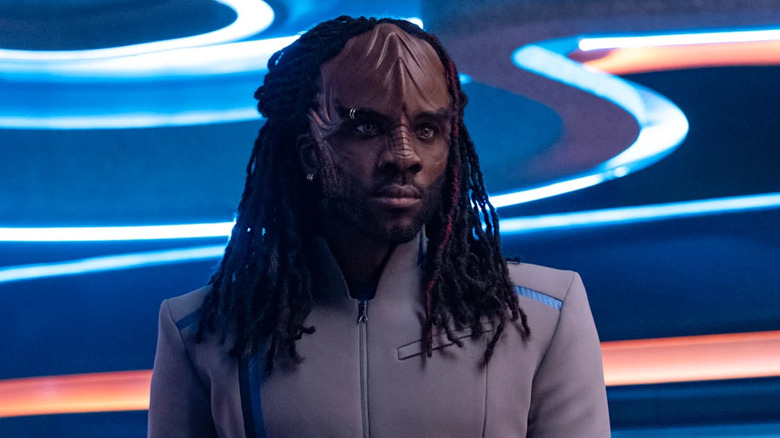
One of the cool things about science fiction is the ability to have different alien races inhabit your universe, and "Star Trek" is no exception. The long-running sci-fi franchise has always included alien life in its storytelling, both humanoid and otherwise. Heck, the very first series even featured an alien first officer in the form of half-Vulcan, half-human Spock, played by Leonard Nimoy. Over the years, the franchise has used its aliens as stand-ins for all kinds of things, but one group of aliens has had the most interesting transformation of all: the Klingons.
Klingons have evolved both visually and culturally since their first appearance on "Star Trek: The Original Series," with five different kinds of Klingons that have shown up in the core "Star Trek" timeline. (There are also the Klingons from the failed Kelvinverse "Star Trek" films, but that's a different timeline altogether.) With a new Klingon character on the new series "Star Trek: Starfleet Academy" (you can read our review here!), it got us thinking: Which Klingons are the best Klingons? Here are the best types of Klingons in the main "Star Trek" timeline, ranked from worst to most likely to actually get into Sto-vo-kor.
Star Trek: The Original Series
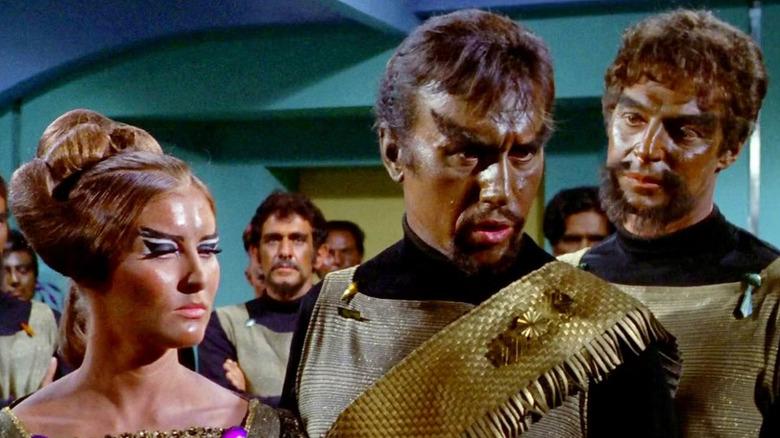
The original Klingon in "Star Trek," Kor, was created by writer Gene Coon for the episode "Errand of Mercy" and was played by actor John Colicos, who later played an important X-Men villain. Because the alien race was only intended to be around for that one "Trek" episode, the makeup was minimal, with Colicos himself recalling that he helped come up with the look by referencing infamous Mongolian warlord Genghis Khan. Future Klingons on "Star Trek: The Original Series" were modeled after Kor, which meant a whole lot more brownface makeup. What makes it even worse is that the original Klingons were conceived as a cross between the U.S.S.R and communist China, with some pretty racist Orientalist stereotypes in makeup, costuming, and even performances.
The Klingons of "The Original Series" not only looked different, but they had a totally different culture that prioritized the greater good over any individual. It's pretty hard to imagine one of the original Klingons giving a hoot about honor or glory, which is wild given how the race would one day end up being depicted. While we would never have gotten the amazing Klingons that came later without the very first ones that appeared in "The Original Series," they are honestly weird racist caricatures that should stay relegated to the past.
Star Trek: Discovery
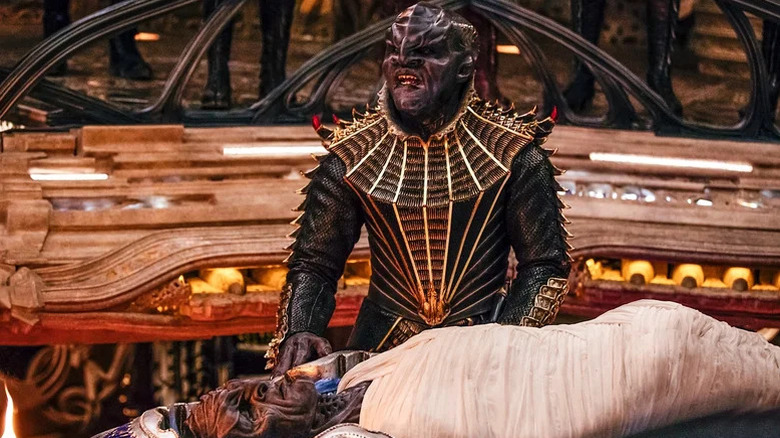
The Klingons in the far future of the "Star Trek" timeline on "Star Trek: Discovery" are controversial, to say the least. Some fans were furious to discover their favorite aliens had been turned into a reptilian-looking, even more bloodthirsty species on the streaming series, leading to an eventual about-face that returned most Klingons to something like their most well-known looks on shows like "Star Trek: The Next Generation" and "Star Trek: Deep Space Nine." Even the man behind the most famous Klingon of all wasn't too happy about the redesign, as Michael Dorn, who plays Starfleet officer and Klingon soldier Worf, was pretty skeptical.
While the "Discovery" Klingons did finally confirm a few funny things about Klingon anatomy, they're otherwise kind of an unfortunate footnote in the long and weird evolution of Klingons throughout "Star Trek." Their DNA is apparently pretty malleable, going from the original exoskeleton-covered proto-Klingons to ridgeless humanoids to the Klingons most of us know and love to humanoid armadillo lizards in less time than it took humans to do the whole "proto-ape to caveman" thing. Thankfully, the folks behind "Star Trek" reversed course on the Klingon redesign and made it so only a small subset of Klingons evolved that way, while the rest look about like Worf and his peers. And after the events of "Discovery," it's pretty unlikely we'll ever see the offshoot Klingons again. Hopefully.
Star Trek: Enterprise
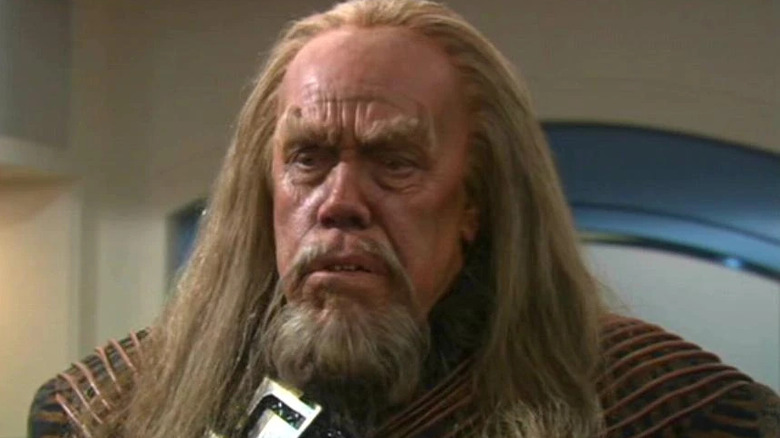
In an attempt to explain the differences between the Klingons on "Star Trek: The Original Series" and the Klingons in the "Original Series" films and shows like "Star Trek: The Next Generation," the prequel series "Star Trek: Enterprise" introduced the Augment Virus. The Augment Virus was accidentally created by Klingon scientists who stole Augment embryos from Earth that had been left over from the Eugenics Wars and were trying to create super-Klingons. Unfortunately, they created a virus that removed their forehead ridges, which led to Klingons like Antaak (pictured above) having very flat foreheads.
The virus makes them closer to their "Original Series" appearance, and since not all Klingons were infected with the virus, it's only a subset that had the lack of ridges. Because they were likely ostracized in Klingon society, fewer and fewer of them existed or were seen by outsiders, which helps explain their disappearance after the "Enterprise" and "Original Series" years.
Sure, the smooth-headed Klingons look weird, but they're not unfortunate racist stereotypes or whatever happened on "Discovery," so they're the third best Klingons by default. They're not great, but they could be so much worse.
Star Trek: The Original Series movies
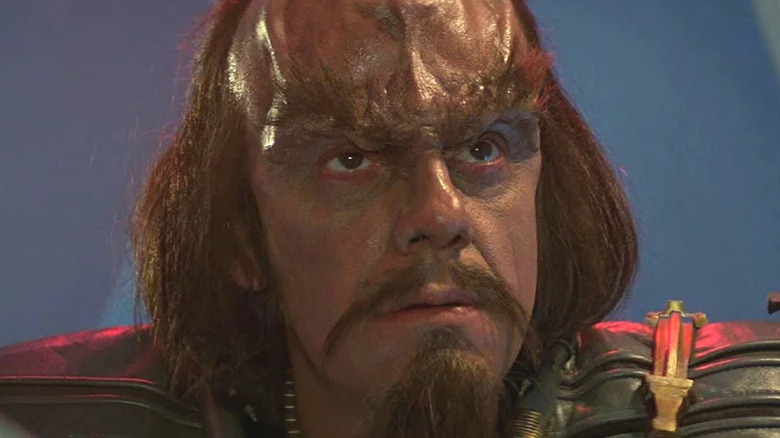
The Klingons of "The Original Series" films are much closer to the Klingons of "The Next Generation," which was on the air around the same time as the movies were in theaters. The villainous Klingon commander Kruge (Christopher Lloyd) in "Star Trek III: The Search for Spock" still has the Fu Manchu mustache of his predecessors, but he also has forehead ridges that make him look like an actual alien and not a racist caricature.
While Kruge is a total monster of a character that allowed Lloyd to really dig into the depths of evil, there are more complex Klingons in the movies as well. Because Kruge kills Captain Kirk's (William Shatner) son in "The Search for Spock," Kirk becomes prejudiced against Klingons, leading to his eventually being framed for the murder of a Klingon chancellor in "Star Trek VI: The Undiscovered Country." There are some truly great Klingons from this era, from Lloyd's Kruge to Christopher Plummer as the Shakespeare-quoting General Chang, though they're still lacking some of the cultural depth that would come later.
Star Trek: Deep Space Nine, Lower Decks, Picard, Strange New Worlds, The Next Generation, and Voyager
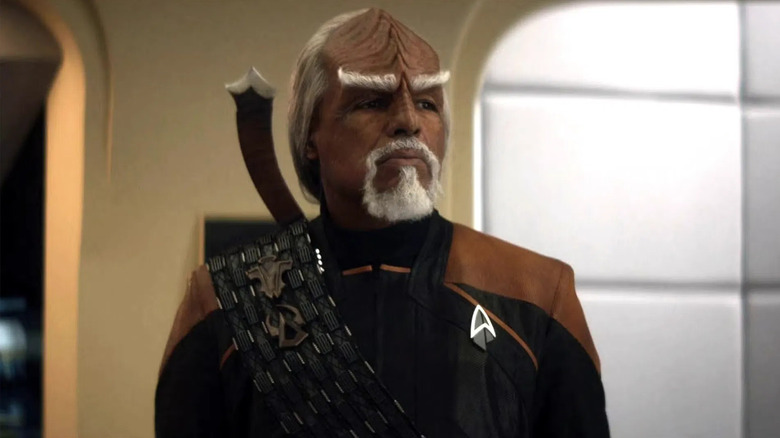
When actor Michael Dorn took on the role of Worf, son of Mogh, the Klingon officer aboard the Enterprise on "Star Trek: The Next Generation," he would do much more than just play the most famous Klingon. He would also end up helping to shape the entire Klingon culture, and "Star Trek" is all the better for it. The Klingons of shows like "The Next Generation" and "Star Trek: Deep Space Nine" lived according to a strict code of honor, and while they were bloodthirsty, they were also passionate and fiercely loyal. Klingons have come a long way from being basic stereotypes, and a big part of that is because of Dorn's influence.
While there are tons of great Klingons who fit into this group, with their honor and forehead ridges and bat'leths, the best Klingon of them all will always be Worf. Just as the Klingons themselves have evolved over the course of the franchise, Worf has had an incredible evolution from his time on "Next Generation" through season 3 of "Star Trek: Picard," and he's an exemplar of what makes Klingons so great even if he is a rather unusual one. Hopefully we'll get to see lots of Karim Diané as Jay-Den Kraag following in his bootsteps on "Starfleet Academy," honoring Kah'less and Starfleet in equal measure. Qapla'!