

Why Margot Robbie's Barbie 2 May Never Get Made (And Why That's A Good Thing)
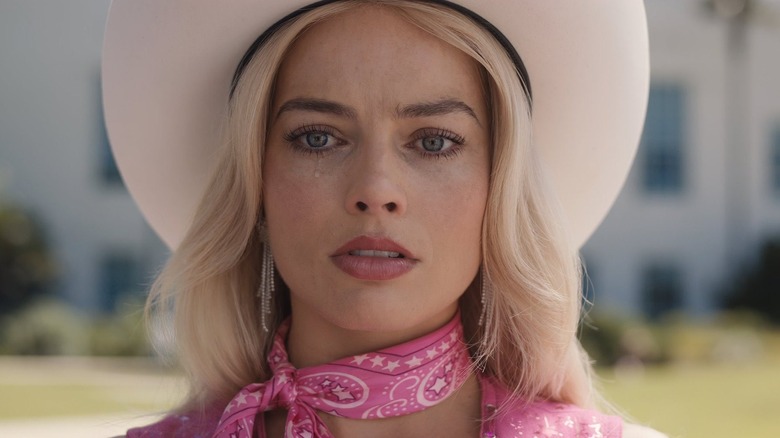
After years of negotiating, it looks like a sequel to Greta Gerwig's "Barbie," starring Margot Robbie and Ryan Gosling, is going to stay in the box, never to be played with. According to Variety, despite the reported "life-changing" amount of money being offered to the team that turned the first live-action theatrical outing for America's best-selling fashion doll into the highest-grossing film of 2023, life in plastic is not so fantastic for "Barbie 2." Warner Bros. has about four months to put a "Barbie" sequel into active development, or else the rights revert back to Mattel. This also means that anything related to Gerwig's film will not be permitted to be used as a baseline for another live-action "Barbie" movie, and whoever partners next with Mattel will have to fully reboot the property.
Given the film's financial success and critical accolades (read my glowing review here), a sequel film seemed inevitable. While it would obviously be in the best interest of shareholders to replicate that success, I'm not convinced that a film as singular as the live-action "Barbie" needs to become the latest victim of unnecessary franchising, considering there are already 44 CGI-animated "Barbie" films ("Barbie & the Diamond Castle" hive, rise!) and multiple CGI-animated series (not to mention video blogs and other short-form content). Friends of Barbie have plenty of Barbie stories to get their fix, and the story of Robbie's titular Barbie had the perfect ending. There is no need for a "Barbie 2," and I'm not convinced a sequel would be able to recapture the magic of the first film regardless.
Barbie doesn't need a sequel film
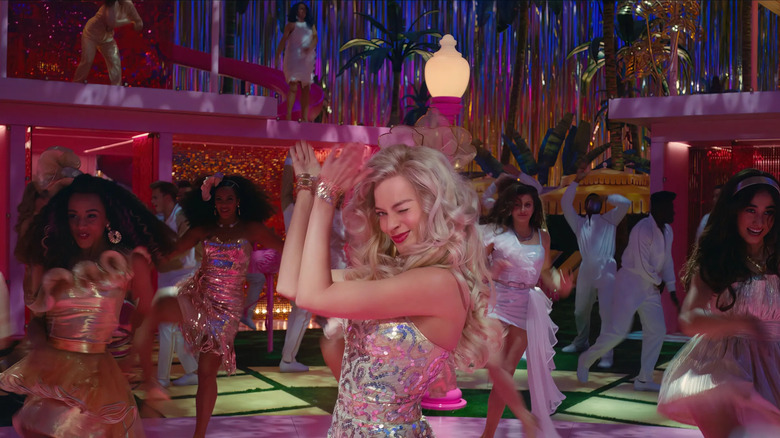
I am a bit of a "Barbie" historian, and I've dedicated countless hours to understanding the fandom, history, and cultural impact of the Barbie doll across all mediums. So when I say that Greta Gerwig's "Barbie" was lightning in a bottle, I'm coming from a place of adoration and immense respect. While "Barbenheimer" weekend allowed for "Barbie" and "Oppenheimer" to become box office behemoths (something else the industry has been desperately trying and failing to replicate), the reason that "Barbie" outperformed Chris Nolan's eventual Best Picture winner has less to do with the PG-13 vs. R rating of the two films and more to do with the fact "Barbie" was the first time in a very, very long time that a studio-backed blockbuster was prioritizing audiences beyond men aged 14-49. Even people who eventually hated "Barbie" went out to see it just to see what the fuss was about, or to gain perspective on the non-stop discourse around the virtual water cooler about the film's introductory, easily digestible themes of feminism.
"Barbie 2" would have to grab the baton from the first movie and run with it, which means diving into pricklier discussions surrounding feminism. While I believe Gerwig could easily handle that material, I'm less convinced that the average moviegoer — who spent months debating whether or not America Ferrera's monologue in the film went too far or not far enough — would get on board with a movie about a Barbie who got her wish to be a real girl now having to deal with the real patriarchy that plagues all of society, and not just the kind of patriarchy Ken learned about from observing tech bros walking around Century City in Los Angeles and watching "The Godfather."
Original stories are thriving — let them thrive
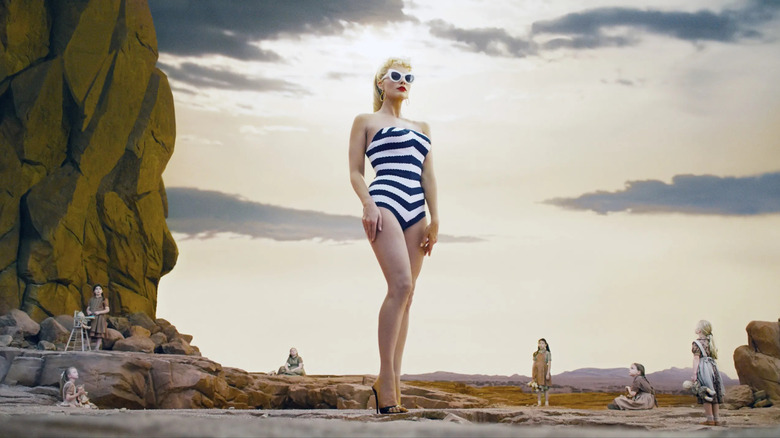
While "Barbie" was based on existing IP, the story that Greta Gerwig and co-writer Noah Baumbach crafted was an original take on the character and undoubtedly led to the film's success. Some properties, like "Spider-Man," for example, can justify a franchise. "Barbie" wasn't written to be a serialized story, so forcing it to become one fundamentally strips her of her unique impact. All of the accusations lobbed against it of being "a cheap cash-grab" will become true, because there is no reason for a "Barbie 2" to exist beyond making money, and another box office-breaking year is not guaranteed. Is it truly worth sullying the joy of the first film by risking a possible "Joker: Folie à Deux" situation?
Audiences are hungering for original films, and Warner Bros. hit it huge last year with original hits like "Weapons," "Sinners," and "One Battle After Another." Sure, the latter was loosely based on a book, but there were so many changes made that calling it an adaptation would be incorrect. While "pay disagreements" have been publicly declared as the reason for the lack of a sequel's forward momentum, I'm secretly hoping this is a way for the creative team to avoid making a movie that they don't want to make by making egregious financial demands that Warner Bros. Discovery CEO and living "Roger Rabbit" villain David Zaslav would never agree to meet. Variety noted that if David Ellison's quest to acquire Warner Bros. goes through, a source claims "I bet this would be the first deal he makes." Given Ellison's feelings on diversity, equity, and inclusion initiatives, no one should want a "Barbie" sequel under his tutelage.
Barbie's already out of the box. You can't put her back in and ask audiences to play with her by someone else's rules. Sorry, shareholders. Maybe it's just that no one wants to play with you.