

15 Greatest Best Picture Oscar Nominees That Didn't Win
We may receive a commission on purchases made from links.
The Academy Awards are an annual celebration of greatness in the movies, but no one would mistake it for an objective look at the best that cinema has to offer. The Best Picture winner is awarded the singular prize, but the rest of the nominees are all intended to represent equally impressive greatness across the board. It's unlikely that the rest of us will always — or even sometimes — agree with every pick, and that's perfectly okay.
Even when a terrific film wins Best Picture (we've ranked the Best Picture winners of the 21st century so far, if you're interested), both the odds and subjective tastes mean that plenty of equally strong (or even stronger) movies are settling for the nomination. It may, or may not, surprise you to learn that some of your favorite films, ones you'd probably suspect won Best Picture for their given year, actually had to settle for the nomination itself.
It's worth noting that this is not a list of Best Picture nominees that should have won. It's a reminder that great films are great films because they stand the test of time, not because they won an award a few months after they were released.
These are the greatest Best Picture nominees that didn't actually win the award.
Witness for the Prosecution (1957)
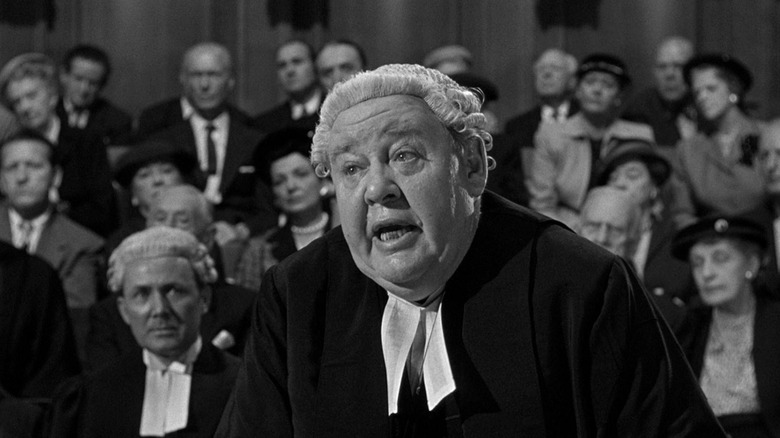
The 30th Academy Awards were all about David Lean's true story "The Bridge on the River Kwai." The film won seven Oscars including Best Picture, and while they're all well-deserved wins, you'd be hard-pressed to say that Otto Preminger's "Witness for the Prosecution" is the lesser film. It's a courtroom thriller built on smart writing, a killer lead performance, and some still surprising twists in the final act.
Sir Wilfrid Robarts (Charles Laughton) is a lawyer teetering on the edge of retirement when an intriguing case comes his way. He steps in as the defense for Leonard Vole (Tyrone Power), a man accused of murdering a wealthy widow, and as he prepares his case, Leonard's innocence comes clearer and clearer. Or does it?
Director/co-writer Billy Wilder made a career out of delivering one masterpiece after another including "The Apartment," "Sunset Boulevard," and "Double Indemnity." This film's level of smarts and prestige are on par with any legal thrillers that followed in its wake (even if it didn't make our list of the best legal thrillers).
Chinatown (1974)
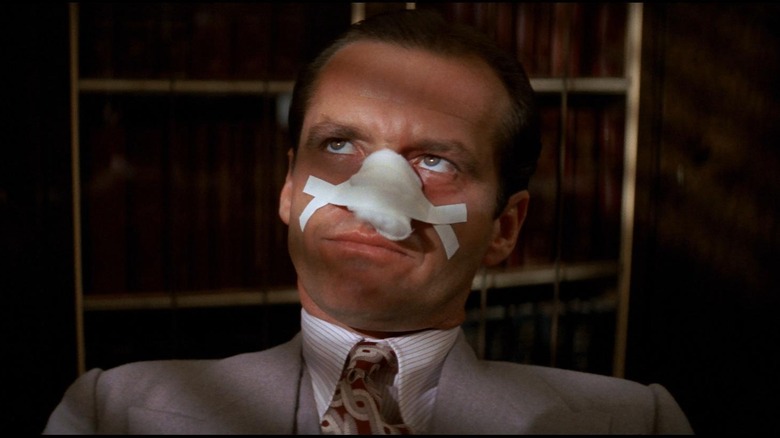
There's an argument to be made that the 1970s were peak Hollywood. Films had something real to say, and oftentimes those things were incredibly cynical. Roman Polanski's "Chinatown" is one such dark masterpiece, and while it never stood a chance at the Oscars against the likes of "The Godfather Part II," its status as an all-timer remains firm.
Jake Gittes (Jack Nicholson) is a private eye in Los Angeles prone to taking infidelity cases. What starts as one such case explodes into a conspiracy of deceit, political fraud, murder, and worse. He's in over his head and barely treading water, but the desire to do the right thing soon outweighs his usual focus on self-preservation.
Plenty of films end on downer notes, but few do so with the powerful gut punch that comes in with the ending of "Chinatown." Robert Towne's script captures and delivers the framework for a brutally sharp neo-noir, and it's brought to beautiful life by actors and artists at the top of their game including Faye Dunaway, John Huston, composer Jerry Goldsmith, and more.
The Conversation (1974)
Most of us will never know what it feels like lose an Oscar to someone else, but even fewer people can know the experience of losing it to themselves. Francis Ford Coppola is one of those select few, as he was forced to celebrate winning Best Picture for "The Godfather II" even as he lost it for "The Conversation," though we agree with the preference in our ranking of Coppola's movies.
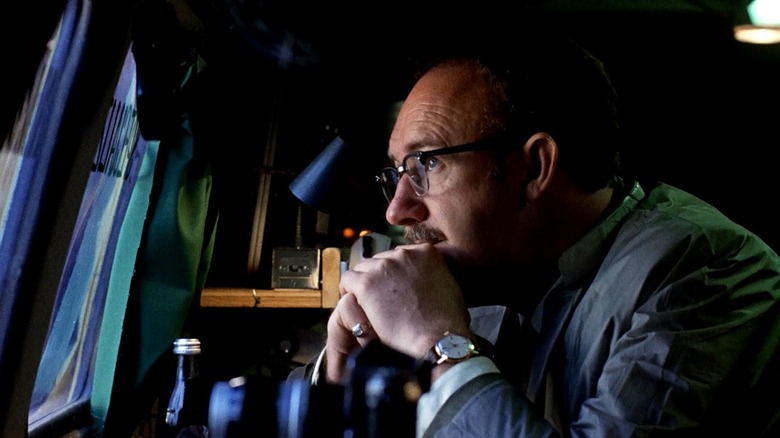
Surveillance is a lonely business, and Harry Caul (Gene Hackman) wouldn't have it any other way. His job is to listen to people, record them, and turn the tapes over to his boss when the assignment ends, but something about his most recent case lingers in his mind. He can't let go, and he's determined to find out why.
Coppola's other masterpiece from 1974 is a low-key thriller fueled as much by loneliness as it is by paranoia. Hackman is pitch perfect as a man whose intentional isolation from those around him makes him a great sound man, and it's a heartbreaking descent into self-awareness as he leans in too close to the lives of other people.
Barry Lyndon (1975)
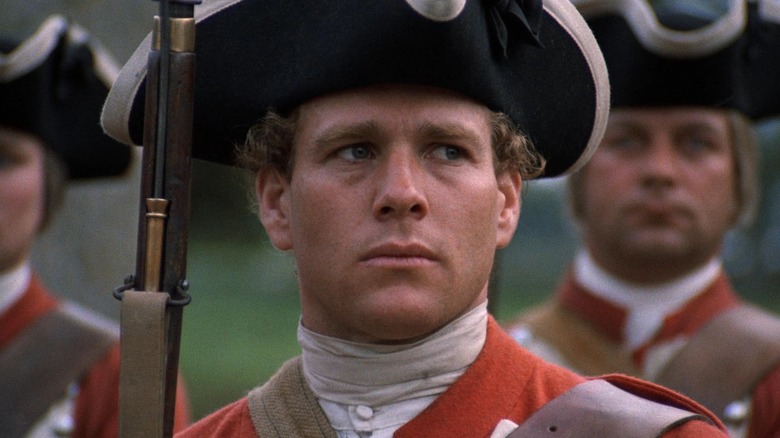
Stanley Kubrick was one of the most acclaimed filmmakers of the 20th century, but he earned a single Academy Award win over the years, and it was for special visual effects in "2001: A Space Odyssey." 1975's "Barry Lyndon" was nominated for Best Picture, and while it lacks the flashiness of his other films (all of which are ranked here), it's every bit a masterpiece like the film that beat it, "One Flew Over the Cuckoo's Nest."
The back half of the 18th century is home to noblemen and con men, and Barry (Ryan O'Neal) is determined to live a life of both extremes and everything in between. He moves through life on the whims of fate and poor judgment, finding despair, debauchery, and delicate linens along the way.
There are few films this bleak that are also this incredibly funny. It's a blackly comic tone, to be sure, but Kubrick's dry wit and appreciation for subtle satire results in a film that also happens to be a beautifully shot glimpse into history with exquisite production design, innovative camera techniques, and a hilariously inept villain at its heart.
Network (1976)
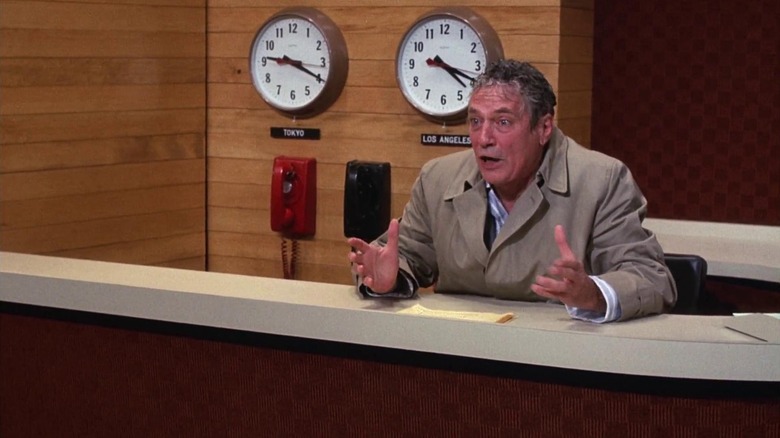
If 1970s American cinema was largely in a cynical state of mind, then the 49th Academy Awards might have been the first big sign of it cracking towards optimism. The Best Picture nominees included "All the President's Men" which chronicled corruption in the White House, "Taxi Driver" and its look at both a city and a man in decay, and "Network," a condemnation of the media and, arguably, of America itself. "Rocky" won the night, but today's dismantling of legacy media means we have Sidney Lumet's masterwork on the brain.
Howard Beale (Peter Finch) is a prominent news anchor about to be fired, so he goes full-tilt bonkers on live television by calling out what ails the country and threatening to kill himself. The outburst strikes a nerve, ratings spike, and now the network's executives have to figure out how to keep that momentum going.
Lumet, writer Paddy Chayefsky, and a stellar cast that also includes William Holden, Faye Dunaway, and Robert Duvall, all combine for a darkly funny critique of capitalist interests and a populace hungry for blood. Its observations sting even more these days.
All That Jazz (1979)
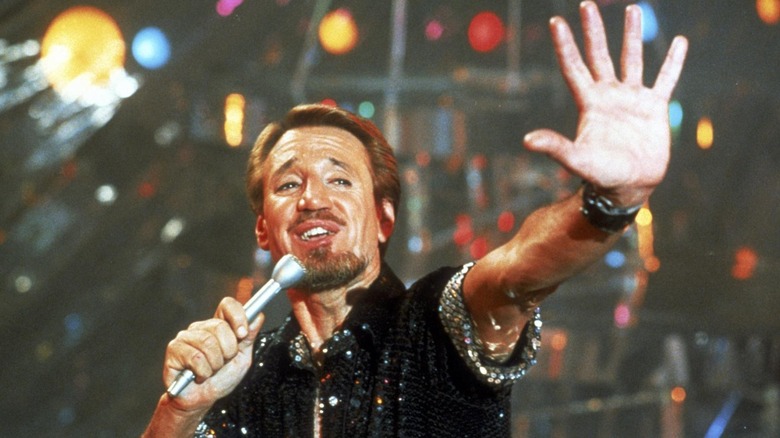
"Kramer vs Kramer" took home the Best Picture Oscar at the 52nd Academy Awards, but the other nominees seem to have had the longer lifespans. "Apocalypse Now," "Breaking Away," and "Norma Rae" are all great films, as is the final nominee, Bob Fosse's "All That Jazz." Part musical, part look into the mind of a self-destructive artist, and part autobiography, the film remains a powerful commentary on mortality.
Joe Gideon (Roy Scheider) is a busy man. He's editing a feature film he recently directed while simultaneously trying to get a stage musical off the ground, and the stress of it all — combined with his own ego, poor choices, and addictive personality — is having a deteriorating effect on his health.
The synopsis already makes for an interesting look at ego and drive, but it's the semi-autobiographical nature of it all that makes the film even more engaging. Fosse himself had a heart attack while simultaneously editing his film "Lenny" and staging the Broadway musical "Chicago," so this is him looking at his own life through the lens of fiction, fantasy, and bitter self-realization. It may have missed out on our list of the best movie musicals, but it's still worth watching.
Witness (1985)
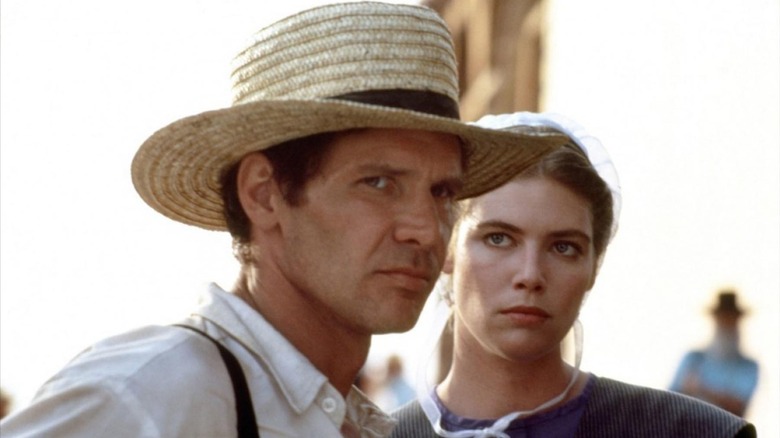
Peter Weir only directed 11 feature films across his 35-year career, but his percentage of modern classics is fairly high as evident by the whopping 29 Academy Award nominations that they collectively earned (and by our ranking). His films managed seven wins but never for Best Picture, and one of those losers was 1985's "Witness." It lost, somewhat inexplicably, to Sydney Pollack's "Out of Africa."
A young Amish boy (Lukas Haas) witnesses a murder and falls under the protection of Det. John Book (Harrison Ford). He discovers that fellow cops are the villains and soon finds himself in the care of the boy's mother (Kelly McGillis) and at odds with the Amish community.
This is the rare film that manages to deliver solid action and suspense while also crafting a quiet, compelling drama about both the Amish people and an uncontrollable attraction. It's a movie for adults, you know, like they used to make, that succeeds without having to jolt viewers every few minutes with action or excitement. The performances, the exchanged looks of affection, friendship, and lust, and the respect it shows towards other people, all combine for an extraordinary film.
Broadcast News (1987)
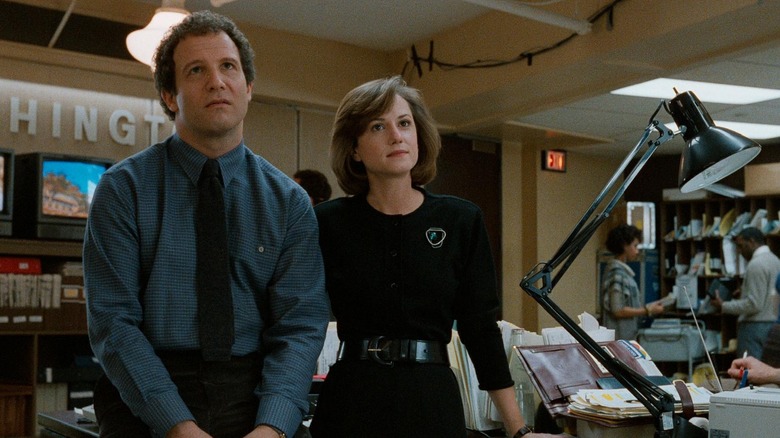
There's a slight lack of impartiality here as James L. Brooks' "Broadcast News" just so happens to be a certain someone's favorite film ever made. But even taking that into account, this is still a masterpiece of the human condition. Like "Network" above, the film explores the capitulations and tradeoffs made by a for-profit newsroom, but here it's the working people themselves that are the focus. It lost Best Picture to Bernardo Bertalucci's "The Last Emperor."
Jane (Holly Hunter) is a network news producer for the Washington D.C. bureau, and her best friend, Aaron (Albert Brooks), is their best writer. He's also not so secretly in love with her, which makes their friendship complicated when Jane falls for a pretty boy news anchor (William Hurt) clearly lacking in the journalistic morals that she values so darn much.
Brooks' film was nominated in seven categories and lost all of them, but it remains as heartfelt, funny, and whip smart today as it did nearly forty-years ago. The script is incredibly sharp in its relationships, dialogue, and observations on the last gasps of a dying industry, and the performances — from the leads on down to supporting turns from Jack Nicholson and Joan Cusack (who owns one of the film's many memorable scenes) — make you truly care about these people.
Goodfellas (1990)
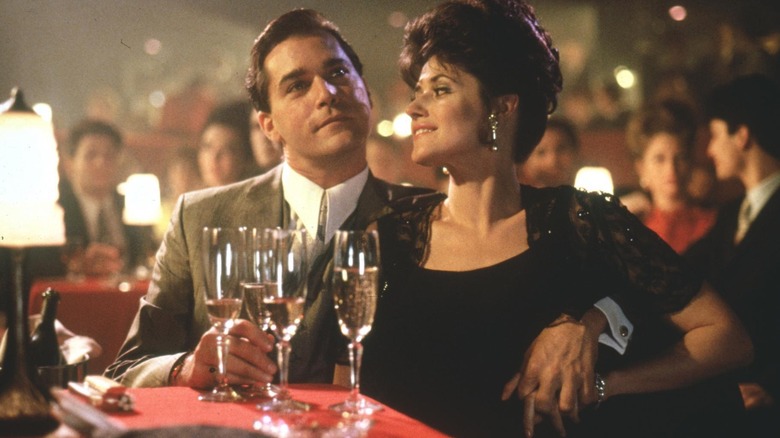
Martin Scorsese is one of those top-tier filmmakers who some might assume has won numerous Oscars for Best Picture and Best Director. In fact, he's only won each of those awards once — both of them for 2006's "The Departed." His 1990 masterpiece, "Goodfellas," received six nominations, winning only a Best Supporting Actor award for Joe Pesci. Kevin Costner's "Dances with Wolves" took the top two awards of the night, and they were well-deserved wins that don't diminish the greatness of the mob movie, which ranks highly on our list of Scorsese's movies.
Henry Hill (Ray Liotta) got his start in organized crime as an upstart teen with criminal aspirations, and he's still embroiled in the lifestyle nearly 25 years later. He's let things get more than a little out of control, and soon he's forced to consider becoming a witness for the government and testifying against his friends and cohorts.
Critics like to complain that Scorsese's films are too similar, but even his works within the gangster subgenre are clearly and distinctly different in their respective approaches, characters, and stories. This one is based on a true story and is rich in character, humor, and violent truths.
L.A. Confidential (1997)
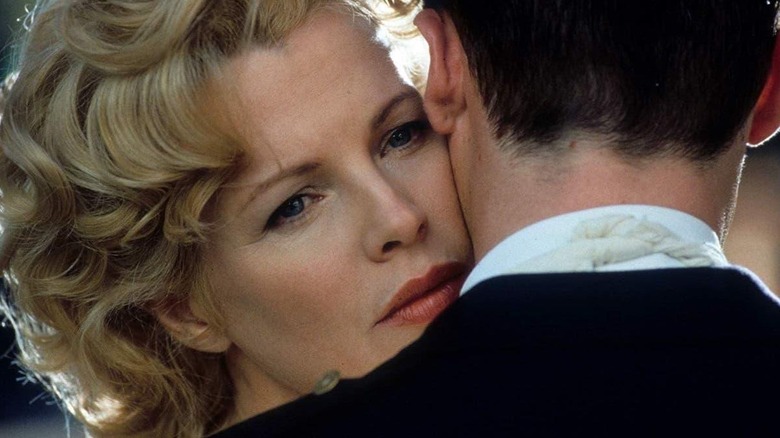
Every film released in 1997 was sailing in the shadow of a behemoth as James Cameron's "Titanic" went on to dominate the Academy Awards. One film felled in its quest for Oscar's Best Picture gold was Curtis Hanson's dense, thrilling, and brilliant period noir, "L.A. Confidential," which made our list of the best neo-noir movies.
Three detectives (Guy Pearce, Russell Crowe, Kevin Spacey) in 1953 Los Angeles find their paths cross when various crimes and criminals seem to lead them to the same place: the LA Police Department. They follow the clues, and more violence follows, but not all of them are going to live to see justice be served.
Hanson's film is based on a big, sprawling novel by James Ellroy, and the script (co-written by Brian Helgeland) wisely jettisons everything that doesn't touch these three central characters. Their journey towards becoming better men mirrors the hope they have for the city itself, that it can become a better, safer, brighter place for all. The performances, from the leads on down to Kim Basinger, James Cromwell, Danny DeVito, and more, all sell the heck out of the place, the time, and the atmosphere.
The Insider (1999)
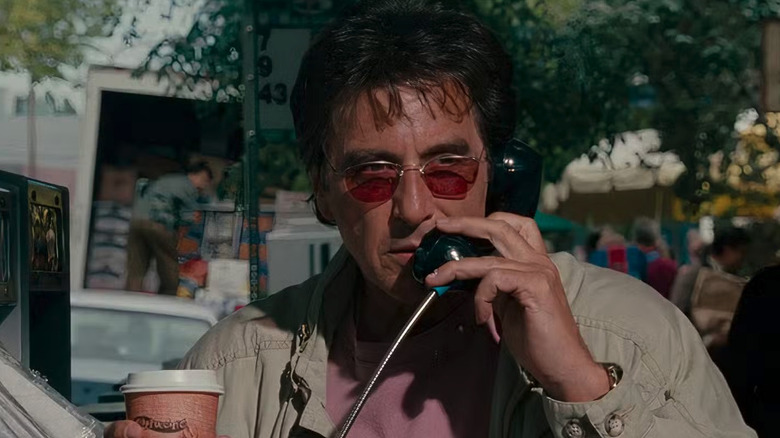
It's mentioned at the top that this isn't a list of Best Picture nominees that should have won over the actual winners, but it's safe to say that this absolutely deserved the win. Because seriously, Michael Mann's The Insider" — a film that's grown increasingly relevant in recent months (and ranks very high on our list of Mann's films) — was beaten by "American Beauty."
A tobacco company executive (Russell Crowe) is convinced by a producer (Al Pacino) from "60 Minutes" to testify in a case against his former employer, but the weight of the industry and the power of corporations soon bear down on them both.
Corporate pressure and editorial cowardice at "60 Minutes" are back in the news these days, as the famed news magazine finally looks ready to be put out to pasture. Mann's film is unforgettable in part because it highlighted the unthinkable, and things have only gotten worse which in turn makes a rewatch of this film all the more depressing.
Crouching Tiger, Hidden Dragon (2000)
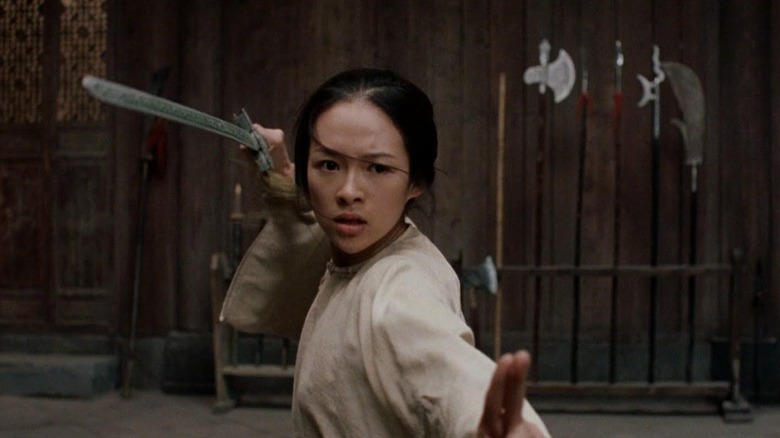
Ang Lee's "Crouching Tiger, Hidden Dragon" took the world by storm back in 2000 and broke records for a non-English film in North America. Others eventually beat those records, but it's Lee's film that lives on. It was beat out for Best Picture by another sword-wielding epic, Ridley Scott's "Gladiator."
Li (Chow Yun-fat) is a master swordsman secretly in love with his best friend, Yu (Michelle Yeoh), and the feelings are mutual. Morality and honor prevent them from speaking their truths, and they're running out of time. A legendary assassin, a spunky young woman, and a green sword are about to force their hands.
Lee's masterpiece ranks high on our list of his movies, and it's one of the most beautiful films you're likely to ever see, in its themes, characters, pacing, and lush visuals. It's a story about things good and great held back by fear and society, and about the people who suffer as a result, but mostly it's a story of love's many challenges worth overcoming.
Munich (2005)
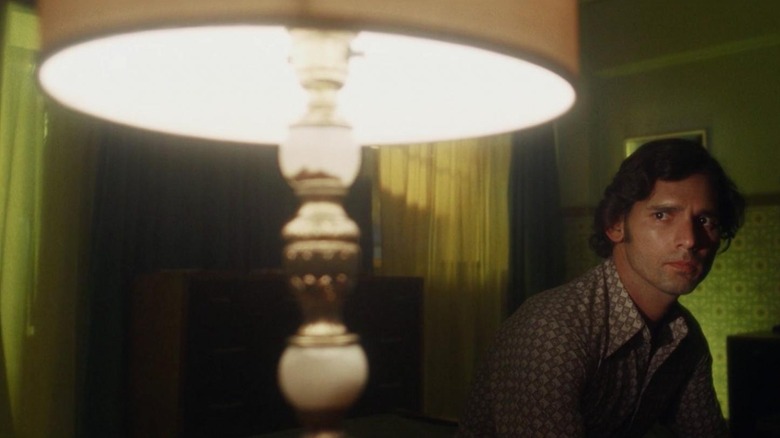
"Munich" is both the darkest and most atypical entry in Steven Spielberg's filmography, so it's no surprise that it's also among his lowest grossing at the box-office. It's arguably his very best film, too, which makes its Best Picture loss to Paul Haggis' "Crash," one of the worst Best Picture winners, all the more upsetting.
Palestinian terrorists attack and kill members of the Israeli Olympics team during the 1972 Summer games in Munich. Israel responds via their intelligence agency by assembling and dispatching a five-man team of assassins tasked with achieving retribution. The violence continues.
Spielberg's film received plenty of criticisms and complaints about its veracity, but its themes are unimpeachable in their own powerful truths. Conflicts can never truly end when those involved are constantly looking to fire the final bullet. It's a lesson that humans still haven't learned. The cast is compelling with fantastic turns by Eric Bana, Daniel Craig, Ciaran Hinds, Geoffrey Rush, and more, and the film just hits in moments both quiet and explosive.
Michael Clayton (2007)
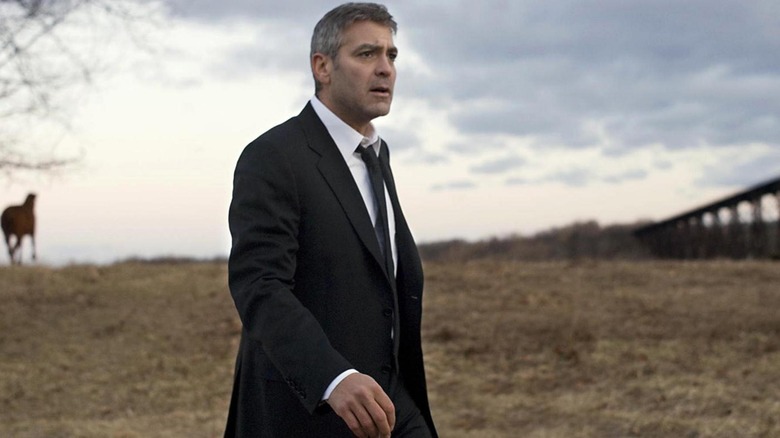
One unintentional trend across many of the films on this list is the realization that authority figures and the powerful will ultimately fail the rest of us. The only correct response in these times is to stand up for what's right. It may have lost Best Picture to the equally grim "No Country for Old Men," but Tony Gilroy's "Michael Clayton" still wins with its message of integrity.
When a big law firm realizes they have a potentially expensive problem on their hands, they call in Michael Clayton (George Clooney) to fix the issue. This time it involves a lawyer who's developed an unfortunate conscience, but as Michael works to resolve the issue, he discovers his bosses have some drastic measures in mind.
Gilroy's film is just a masterclass from top to bottom. Clooney shines in one of his best films, but the supporting cast is aces, Gilroy's script is exquisite and tight, and it delivers incredible tension and suspense with its drama and character beats. It's one of those films you can't stop once you start.
Mad Max: Fury Road (2015)
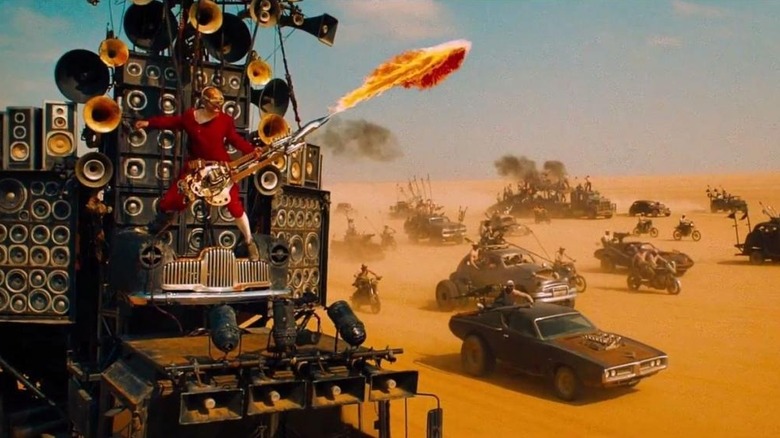
Some films declare their greatness through the awards that they win, but George Miller's "Mad Max: Fury Road" does so with the rev of muscle car engines, the sonic blast of a fire-spouting electric guitar, and the most unforgettable chase in cinema history. It may have lost Best Picture to the quieter but still chattier "Spotlight," but we all know the best film of 2015 belonged to Max.
Humankind, or what's left of it, lives in a world of violence and sand. Water and gasoline are the most valuable resources around. Max (Tom Hardy) wants only to be left alone, but when he crosses paths with a determined Imperator Furiosa (Charlize Theron) and the five young women she's protecting, he reluctantly gets involved.
On any given day, the fourth entry in Miller's "Mad Max" saga is spectacular action filmmaking, and it just might be the best movie ever made. It's a film you watch on the biggest screen possible with the volume turned up, and you revel in its gloriousness with awe and a big smile on your face.