

15 Best Family Movies Of The 21st Century, Ranked
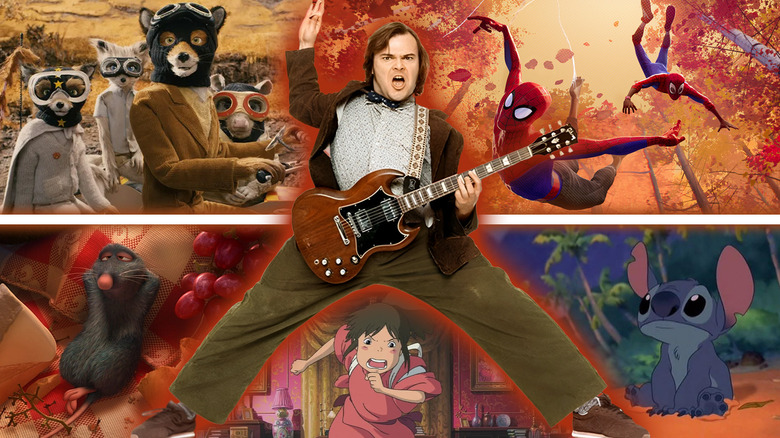
Watching films is often best experienced in a communal setting. Few things are better than the unique experience of coming together with others to engage intellectually and emotionally with an art form that whisks you away on an imaginative adventure or builds empathetic bonds between you as a viewer and a life you could never experience or understand otherwise. To that same degree, movies can often be a tradition that brings families together to bond with one another, whether that is parents taking their kids to experience the joy of going to the movie theater or gathering around in the living room for a movie night.
There's always been a market for family-oriented films, and the designation of a "family movie" can have an abstract connotation, applying to many different types of films. Sometimes it's the four-quadrant blockbuster poised to make a billion dollars because of its wide demographic marketing, but even more often it's the animated film seemingly targeted toward kids but that has enough clever writing and universal themes to speak across generations. While we have a list of the best family movies ever, we wanted to narrow it down to the cream of the crop from the year 2000 and forward. What's the best family fare that Hollywood has produced over the past quarter century?
These are the 15 best family movies of the 21st century, ranked.
15. Shrek
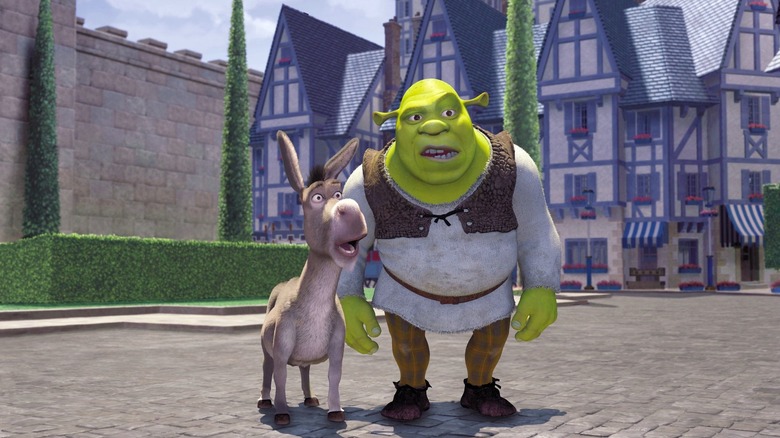
"Shrek" deserves a spot on the list, if for no other reason than its pure cultural impact. The animation division of DreamWorks SKG produced this crude, irreverent reimagining of classic fairy tales, all thrown together into a fresh, brash mix that broke box-office records, established new ideas about the kind of humor that could define animation and children's animation, and kick-started a franchise that has gone on long enough to start taking steps backward.
Whether "Shrek" holds up for you today may be purely a matter of how strongly you connected with it upon its release 25 years ago, but it has numerous charms that still hold up. Most notable is the engaging, well-suited voice cast, who all help elevate both their characters and the coarse, pop-culture-reference-heavy humor, with Mike Myers, Eddie Murphy, and Cameron Diaz leading the way. The CGI animation has held up as well as you'd expect over the course of two decades, but some of the garish imagery now feels appealingly quaint, as Hollywood transitioned into new modes of broad pop entertainment in the 21st century.
14. School of Rock
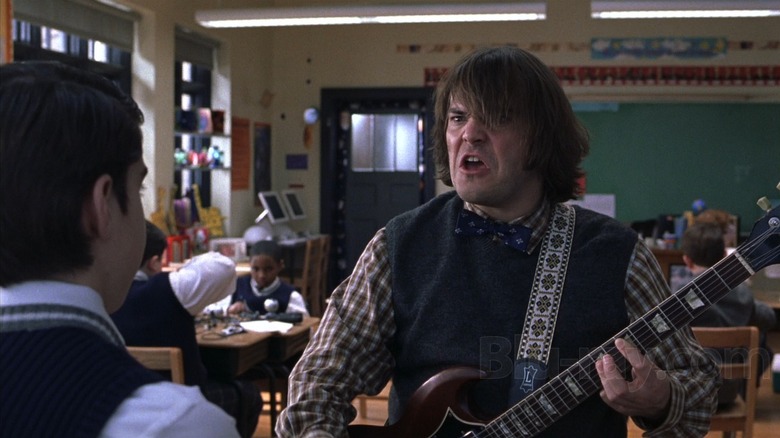
Richard Linklater, the chronicler of aimless Texas teenagers and philosophizing romantics, seemed an odd fit for a studio comedy about a fake substitute teacher recruiting fourth-graders into a rock band. Nonetheless, "School of Rock" suited his loose, breezy instincts better than anyone would have expected. Working from Mike White's script, reportedly seeded by White's own failed rock-and-roll ambitions, Linklater aims for authenticity in this family romp, going so far as to insist that the kids actually learn to play their instruments rather than relying on synchronized artifice.
More than anything else, "School of Rock" is, of course, a Jack Black vehicle, and it offers us the best possible version of the over-the-top performer. His Dewey Finn has a screaming, unwavering commitment to the idea that rock is a spiritual practice worth defending, mirroring Black's own outsized celebrity persona he's developed over the years. Joan Cusack stars opposite as a perfectly immovable principal. The film is clean and polished but has a scrappiness built into its premise of disparate kids coming together to make art, a charm that has since sprouted a Broadway musical and a Nickelodeon series.
13. Hugo
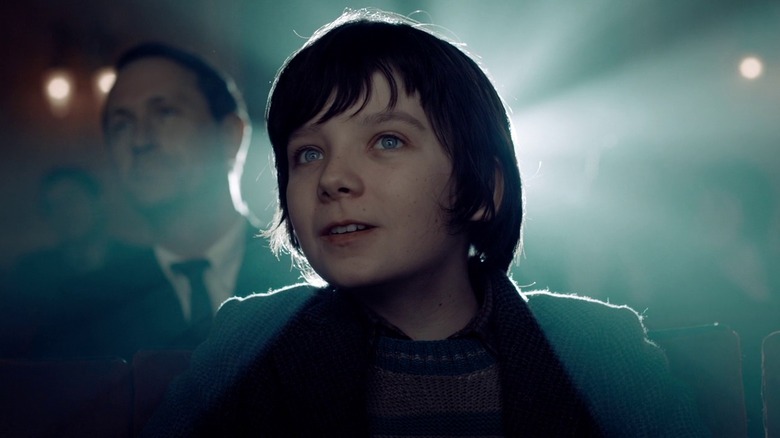
Martin Scorsese took a hiatus from his more violent and adult dramas to delve into family filmmaking with "Hugo," adapting Brian Selznick's illustrated novel into a 3D tribute to cinema's own infancy. Scorsese, among the medium's most devoted historians, used the film to resurrect the reputation of George Méliès (Ben Kingsley), the pioneering French filmmaker who, by the end of his life, had been reduced to running a toy stall inside a Paris train station.
The plot, about an orphaned clockmaker's son (Asa Butterfield) piecing together the mystery of a broken automaton, mostly functions as scaffolding for Scorsese's real interest: purpose, obsolescence, and the fragility of film preservation. The film's 3D remains one of the format's most sophisticated uses, built on depth and layering rather than gimmicky protrusion, while Dante Ferretti's production design conjures a Paris constructed entirely from imagination. It's Scorsese's most personal explanation of why he fell in love with movies in the first place, and it's worth revisiting, despite its muted reputation. There's a reason it's high on our ranking of Scorsese movies.
12. Monsters, Inc.
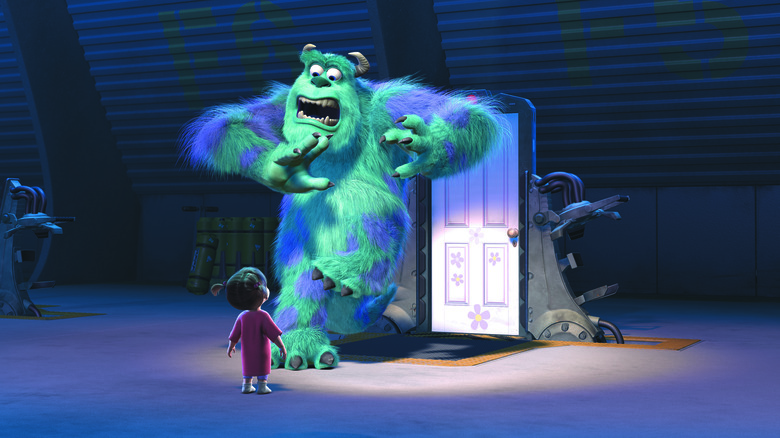
The first of many Pixar films on this list, "Monsters, Inc." exemplifies what the company did best during its heyday: Take a speculative idea about children and spin it in a way that's clever and sentimental enough to appeal to kids and adults alike. In this Pete Docter-directed venture, arguably the best film that the longtime veteran and now Pixar CCO would ever direct for the company, the monsters that kids think are hiding in their rooms at night are real, but they're secretly lovable, and scaring kids is their normal 9-to-5 job for a large conglomerate in the city of Monstropolis.
"Monsters, Inc." had an arduous road to the big screen. It was a new venture for Pixar, as their fourth film and the first not directed by company co-founder John Lasseter. It faced numerous hurdles, including a lawsuit that seemed poised to prevent the film's release. None of these troubles are evident in the final product, which is just as funny, heartfelt, and meticulously designed as the best of Pixar's work.
11. Finding Nemo
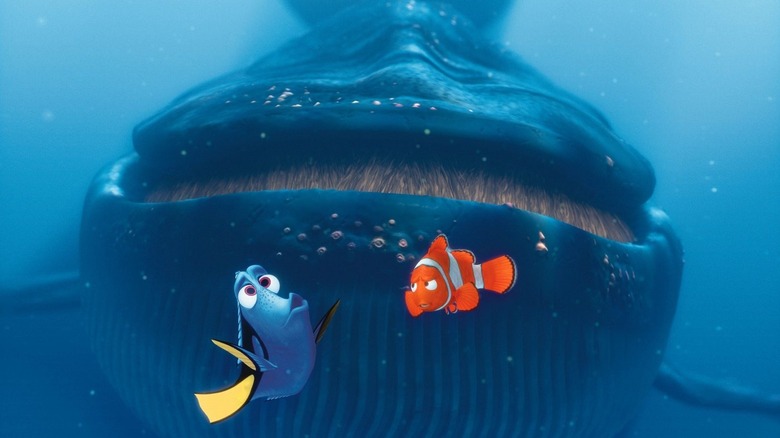
By 2003, Pixar had already proven its knack for speculative premises, but "Finding Nemo" pushed the studio's technical ambitions into new territory, simulating the undulating light and drifting particulates of the open ocean with a level of verisimilitude no computer-animated film had attempted. Director Andrew Stanton, drawing on his own anxieties as a father, builds the story of a clownfish crossing the sea to rescue his son around a blunt prologue that still hits like a sledgehammer: the off-screen death of Marlin's (Albert Brooks) wife and hundreds of their unhatched eggs, except for one damaged survivor.
In doing so, Pixar finds a newfound commitment to storytelling that would help solidify its standing as the quintessential studio for family entertainment and forever shift the power dynamic between Disney and Pixar. On top of that, Brooks brings his neurotic, put-upon persona to power Marlin's fatherly apprehension, but it's Ellen DeGeneres as the memory-impaired Dory who gives the film its comedic and emotional center, a performance so beloved it eventually earned its own sequel. "Finding Nemo" changed the trajectory of a film studio and set a new benchmark for family filmmaking — it was the highest-grossing film of 2003 and was responsible for Pixar's first competitive Oscar win for Best Animated Feature.
10. Spider-Man: Into the Spider-Verse
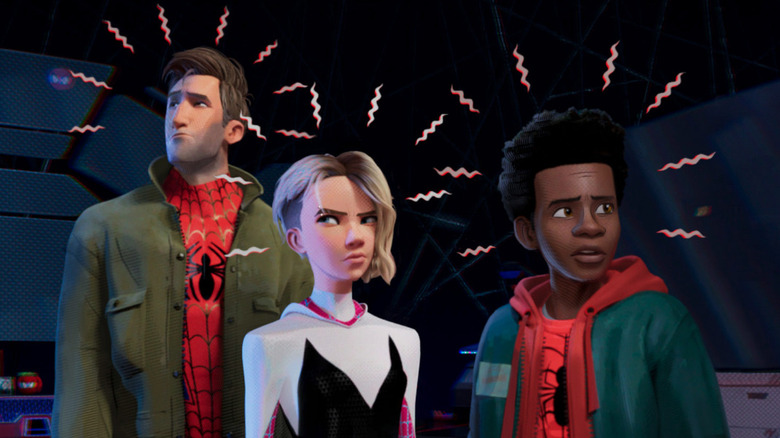
"Spider-Man: Into the Spider-Verse" broke new ground for both the superhero genre and animated filmmaking at large, with mind-bending visuals that achieve a new level of expressiveness sorely lacking in major Hollywood productions. In fact, both Spider-Verse movies are far ahead of all other superhero movies. It also delivers the kind of crossover, propulsive Spider-Man story that previously seemed possible only in comics — "Into the Spider-Verse" successfully translates the multiverse-hopping of hand-drawn panels into a filmic medium in a way that feels authentic.
The film's other achievement is a quieter one: giving Miles Morales (Shameik Moore), the Brian Michael Bendis-created Spider-Man who'd spent seven years fighting for legitimacy in the comics, his definitive screen introduction. Moore and the rest of the voice cast, including Jake Johnson and Hailee Steinfeld, offer up the humanity within the film's hyper-vivid style, a combination that led to its win for the Academy Award for Best Animated Feature.
9. The Incredibles
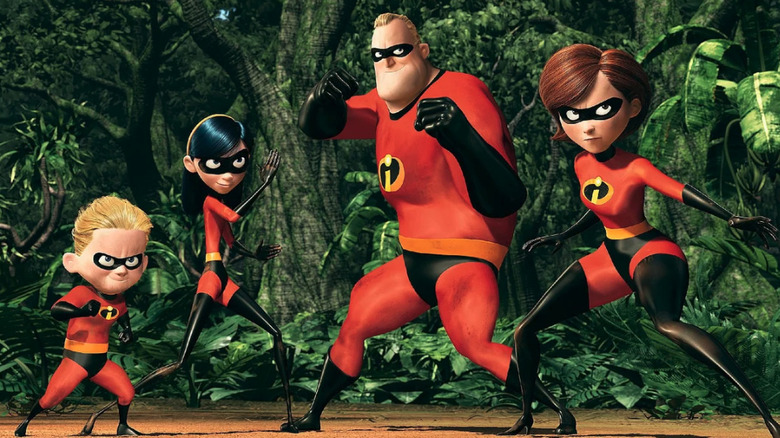
Four years before "Iron Man" turned superheroes into Hollywood's dominant export, Brad Bird made a film about capes and secret identities that still holds up as one of the genre's best entries and remains the biggest original superhero movie ever made. Coming off the box-office disappointment of "The Iron Giant," Bird brought his clean, mid-century-modern eye to Pixar's first outing focused entirely on human characters, pushing the studio's animators toward greater confidence in animation and creating a sense of verisimilitude in skin, hair, and fabric that hadn't been demanded of them when animating toys, fish, bugs, and monsters.
What makes "The Incredibles" endure isn't the action, though the set pieces remain sharply staged and thrilling — it's the sly critique of suburban conformity and midlife stagnation, filtered through a family forced to rediscover its purpose together. This is another example of Pixar communicating universal, often mature themes through maximalist high-concept geared toward kids and built for animation, further aided by Craig T. Nelson and Holly Hunter anchoring the family's emotional center with their naturalistic chemistry.
8. Lilo & Stitch
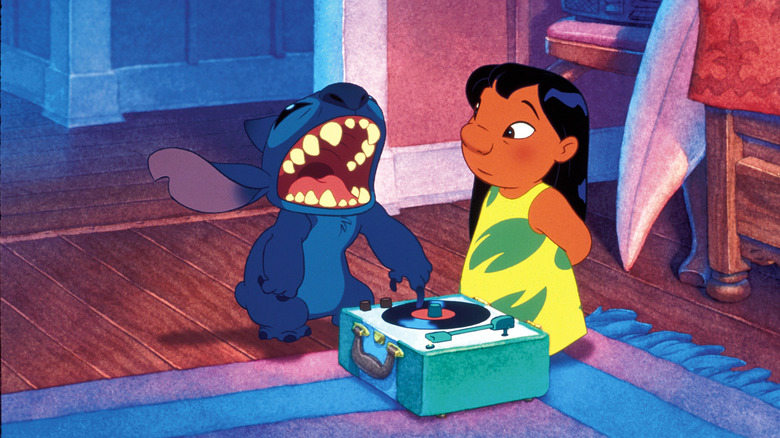
Arriving at the tail end of Disney's post-Renaissance slump, "Lilo & Stitch" felt like a small rebellion against the studio's animated features' settled-in style. Directors Chris Sanders and Dean DeBlois pushed for hand-painted watercolor backgrounds instead of the era's increasingly digital sheen, with CG elements composited into hand-drawn environs, giving the film a loose, painterly texture that set it apart. It managed to avoid the oversight of corporate executives and scraped by as a fresh, idiosyncratic project right under the noses of Disney higher-ups while attention was focused on seemingly bigger projects like "Treasure Planet."
You can feel the freedom of creativity coursing through the film's veins, which made it a boom upon release and has left a lasting legacy, ensuring it is remembered as one of Disney's last great hand-drawn features — even the overly safe live-action remake was an enormous hit purely because of the original film's longstanding reputation. The story of an outcast, grieving young girl who befriends a destructive, animalistic alien lands with the emotional weight that best defines Disney, making it one of the studio's most soulful entries.
7. WALL-E
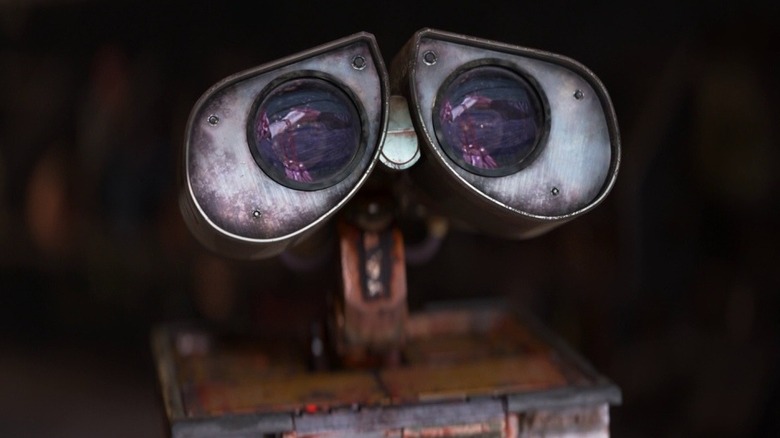
If "Monsters, Inc." was Pixar testing the limits of what it could do as an entertainment studio, "WALL-E" was a total flex from a company with immense confidence in its track record and internal talent. You don't get a much bigger gamble in children's entertainment than something like "WALL-E." It's a family movie built around a basically mute protagonist and drawing on the work of silent-film comedy stars such as Charlie Chaplin and Buster Keaton. They were asking kids to watch the 21st-century version of something like "Modern Times" in form and sensibility.
That wouldn't hold true throughout the runtime, as the film becomes more conventional and wordy in its second half. But that works to its benefit, and director Andrew Stanton maintains total control over the story he wants to tell with "WALL-E," about the romantic daydreaming of a clumsy, trash-cleaning robot stuck on a devastated Earth and the complacency of the space-bound, corporate-controlled human race that allowed such a thing to happen to their home planet. "WALL-E" fuses its earnest emotion with a childlike sense of wonder into a post-apocalyptic story about romance and what we owe to ourselves and our planet — it's one of Pixar's biggest successes.
6. Pirates of the Caribbean: The Curse of the Black Pearl
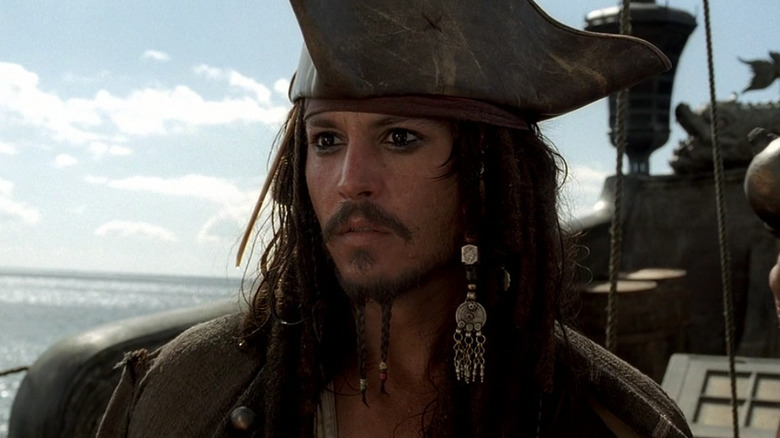
Movies based on theme park rides were, and mostly remain, an idea worthy of scorn, which makes it all the more remarkable that "Pirates of the Caribbean: The Curse of the Black Pearl" transcends even being a perfunctory live-action adventure cash-in on branding. No, director Gore Verbinski gives the film everything he's got, delivering genuinely thrilling swashbuckling entertainment that represents a lost art of four-quadrant Hollywood — even if the film was tarnished by lame, bloated sequels.
The film's success owes almost entirely to a gamble that nearly didn't pay off: Johnny Depp's eccentric, eyeliner-smudged performance as Captain Jack Sparrow, which Disney executives found so bewildering in the dailies that they considered reshoots. Of course, Depp became the film's entire engine — and his increased presence in the sequels would be part of their downfall — but one shouldn't discount what the pitch-perfect ensemble brings to this pulp-adventure material. Plus, we shouldn't forget the pitch-perfect tone Verbinski struck, working with beautiful production design and costuming alongside a funny and action-packed script by Terry Rossio and Ted Elliott.
5. Paddington 2
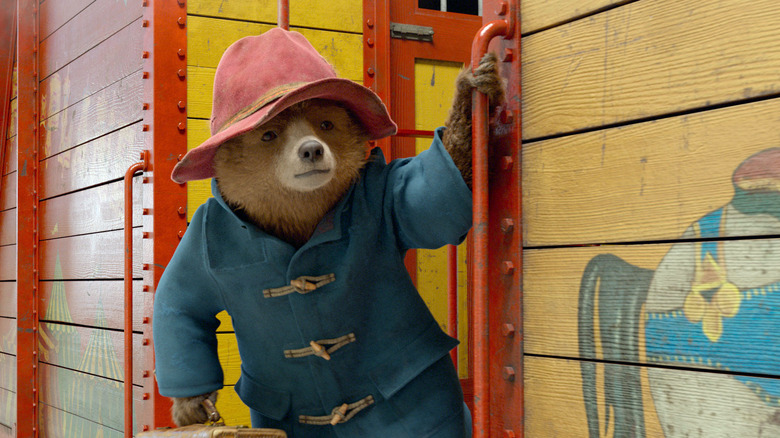
Who doesn't love Paddington? The adorable, polite, affable, Ben-Whishaw-voiced Peruvian bear, who providentially landed with a family in Britain, is made irresistible in Paul King's film adaptations of the classic book series. This sequel to the surprise delight of the 2014 adaptation improves on its predecessor in nearly every way, crafting a film so effortlessly kind that you wonder why the rest of the children's entertainment ecosystem can't put the pieces together to follow suit. It was also briefly the best-reviewed movie of all time on Rotten Tomatoes.
What separates the "Paddington" films from other tentpole family entertainment is their genuinely imaginative formal control: King choreographs sight gags and production design, including a marmalade-hued prison kitchen and a pop-up book rendered as a moving diorama, with Wes Anderson-like precision, without ever losing the agreeable warmth at the story's core, which focuses on the idea that hospitality is worth practicing even when the world doesn't return it. The story of an immigrant bear finding refuge among strangers plays as a moving argument for decency as its own reward.
4. Ratatoullie
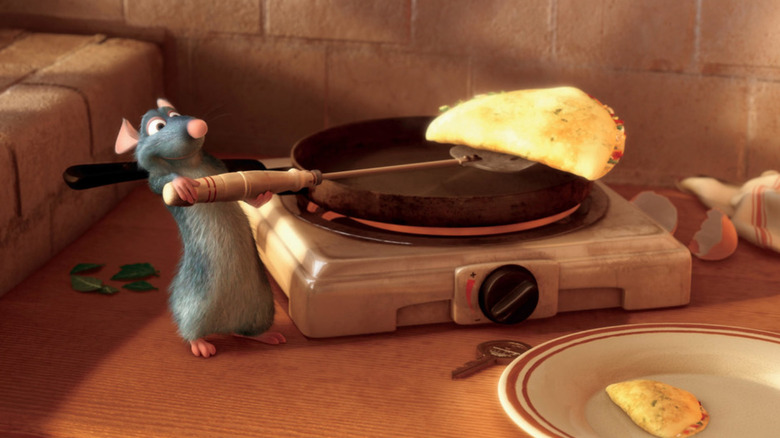
Finishing "Ratatouille" was a frantic race to the finish, but the film was in trouble before director Brad Bird ever touched it. Original director Jan Pinkava had spent years developing the project before Pixar brought in Bird to rescue it, a fix-it job that had by then become something of a specialty for him. The premise alone was a bit of a stretch: a rat who dreams of becoming a world-class Parisian chef, thereby making the two anchors of the kids' film an emotional connection with an animal most people associate with vermin and the artistry of European cuisine.
Nevertheless, the production pulled through, and "Ratatouille" has stood the test of time as one of Pixar's best from its golden age. In particular, the food animation remains strikingly tactile and mouthwatering, further pushing the envelope in their achievements in animated craft. It also succeeds thematically by focusing on the idea that talent can come from anywhere and shouldn't be determined by pedigree. It's a rich argument tucked into a movie about a rat cooking soup, delivered through funny, charming voice performances, particularly Patton Oswalt's warm, plucky performance as Remy.
3. Coraline
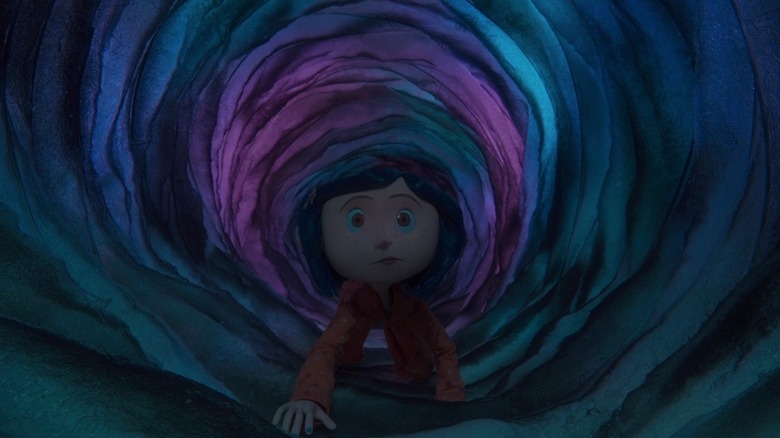
Kiddie dark fantasy horror doesn't get much better than "Coraline." Henry Selick spent a decade working in Tim Burton's shadow after "The Nightmare Before Christmas" and found his own voice by adapting Neil Gaiman's novella into Laika's debut feature, the Portland stop-motion studio that would go on to define a handcrafted, macabre strain of family animation. The film follows a bored, neglected girl who discovers a parallel version of her life through a hidden door, populated by an eerily attentive "Other Mother" (both Mothers played by Teri Hatcher), whose kindness curdles into something more obsessive and monstrous.
The tactility of Laika's work is the film's chief pleasure — hand-sewn costumes, miniature sets built with an obsessive attention no CGI shortcut could replicate, and an imaginative approach to character and world design. "Coraline" doesn't shy away from unsettling children rather than placating their emotions, treating real fear as a form of respect for a young audience, which is likely why the film has picked up a devoted following among horror fans as well as families — it was even a newfound box office hit upon re-release a couple of years ago.
2. Spirited Away
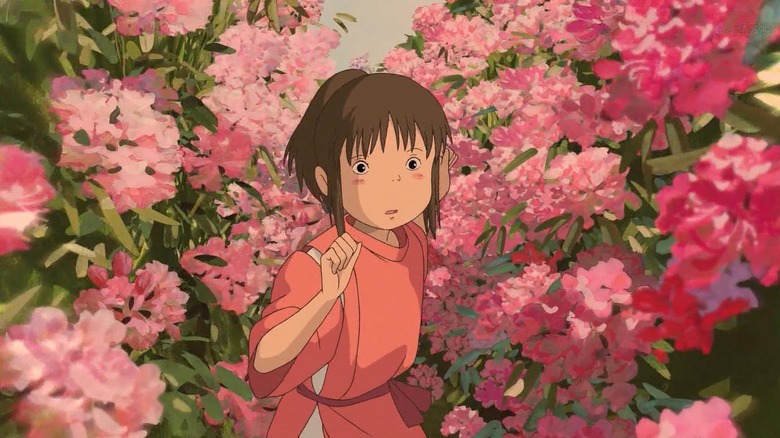
By the time "Spirited Away" arrived in 2001, Hayao Miyazaki was already Japan's most revered animator, yet this dreamy, galvanic, occasionally scary fantasy transcended even his great work to become a paragon of thoughtful family entertainment — indeed, The New York Times named it the best animated movie of the 21st century. Upon its release, it surpassed "Titanic" as the highest-grossing movie in Japanese box-office history, and two years later, it became the first hand-drawn, non-English-language film to win the Academy Award for Best Animated Feature, underscoring how thoroughly the film transcended its home market.
Famously, Miyazaki began animating "Spirited Away" without a completed script, discovering the story's logic as it came to him, lending the finished film an improvisational quality that accentuates the dreamlike, tumbling momentum of a young child's discovery of a strange, potentially dangerous fantasy world she doesn't understand. It's dressed up in some of the most imaginative creature and set designs Miyazaki ever committed to film, while never explaining itself more than it has to, allowing its young audience to give themselves over to their own uncanny imagination.
1. Fantastic Mr. Fox
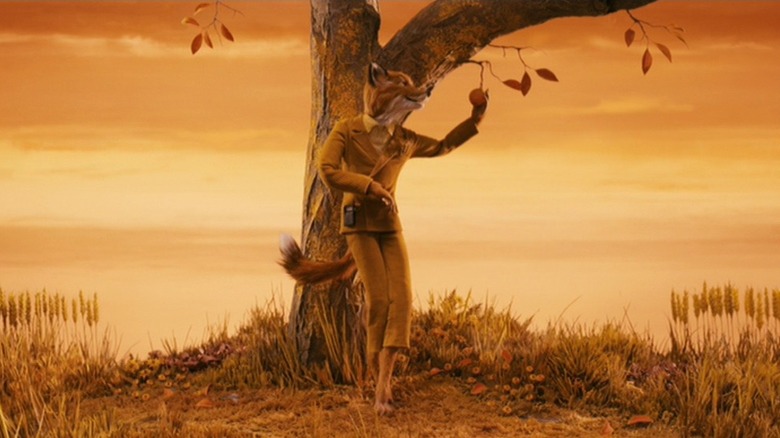
Roald Dahl's slim, mischievous novel found an unlikely but ideal translator in Wes Anderson, whose meticulous dioramas, deadpan line readings, and fixation on domesticated wildness allow "Fantastic Mr. Fox" to serve as one of the purest distillations of his preoccupations. Working in stop-motion for the first time, Anderson transposes his usual tics, such as symmetrical compositions, an autumnal corduroy-and-mustard palette, and a starry ensemble delivering clipped, ironic dialogue, onto a cast of animals without sacrificing an ounce of what makes his sensibility so enduring.
It also improves on its source material: Anderson expands Mr. Fox's (George Clooney) midlife restlessness, turning a straightforward heist caper into a wry study of a wild animal chafing against the supposed necessity of being tamed in his older age, unable to resist "one last score" at the risk of his family's safety. It's a theme at one with Anderson's interest in men of stunted growth, conveyed here in a beautiful handmade texture — "Fantastic Mr. Fox" has a case for being Anderson's best film, and, with how perfectly it melds adult and childlike sensibilities, competes for the title of the greatest family film ever made. If nothing else, it's certainly the best Roald Dahl adaptation.