

10 Best Crime Movies Nobody Talks About Anymore
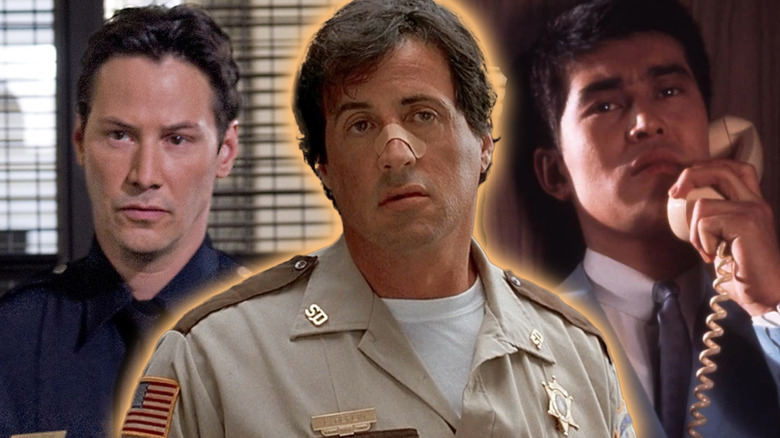
From mobster movies to psychological thrillers, the crime genre is one of the most robust and enduring in the history of cinema. This includes foreign films, of course, with many countries providing their own culturally specific approaches to stories centered on criminals of various walks of life. With countless movies within the crime genre, it's inevitable that many quality films get lost in the shuffle or to the passage of time. Even projects from some of the biggest filmmakers in the industry aren't immune from being overlooked by wider audiences.
Whether they were underrated during their initial release or just overshadowed by higher profile projects, there is no shortage of crime movies that deserve more attention. From action-packed Hong Kong flicks and high-octane thrillers to neo-Westerns and British crime dramas, there is something for everyone. We've gathered genre films from around the world and throughout the past 60 years that should be on fans' radars.
These are the 10 best crime movies nobody talks about anymore, and each is worth checking out.
Tokyo Drifter
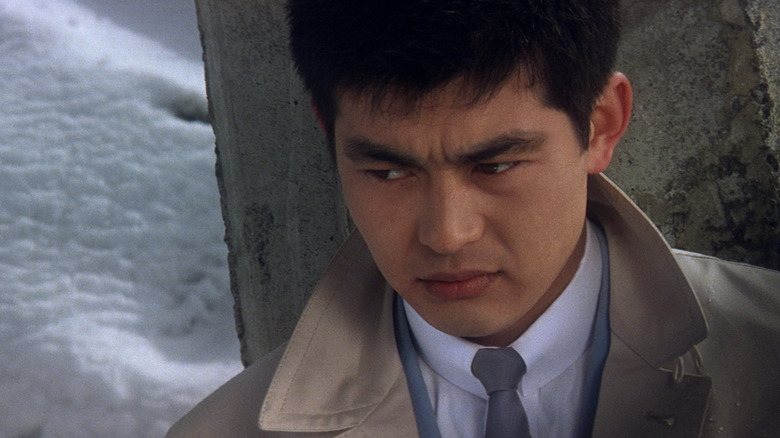
When it comes to '60s Japanese crime drama cool, it's hard to top the 1966 yakuza movie "Tokyo Drifter." Former hit man Phoenix Tetsu (Tetsuya Watari) refuses an offer to join a major yakuza clan as it makes a power play for control of Tokyo. This makes Tetsu a wanted man, forcing him to flee Tokyo from the mob enforcers and contract killers hunting him. Initially seeking refuge in the northern regions of Japan, Tetsu finds himself as a person of interest in an escalating gang war.
With its stylish presentation and on-the-run premise, "Tokyo Drifter" offers a more propulsive and inherently scenic yakuza story. At the same time, there is plenty of confidently staged action, as Tetsu battles numerous crooks sent to kill him. Both Tetsu's flight and these set pieces feature some of the slickest cinematography to come out of Japan in the '60s, capturing the decade's effusive vibe. One of the best Japanese action movies of all time, "Tokyo Drifter" exudes an effortless swagger that serves it well.
The Seven-Ups
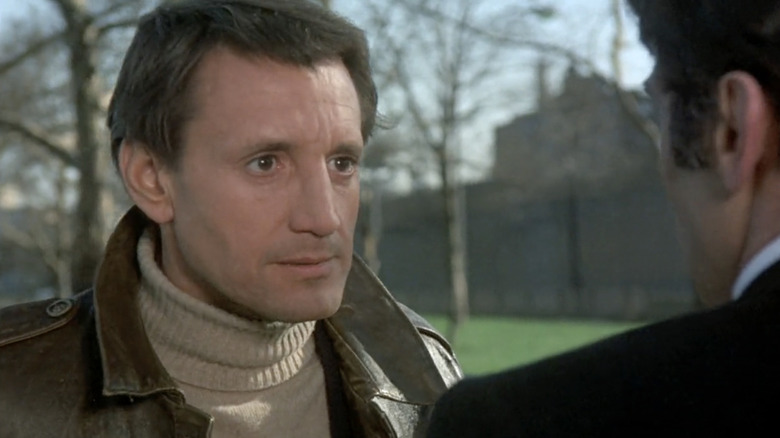
After Philip D'Antoni produced the landmark 1971 crime movie "The French Connection," he reunited with some of the crew and actor Roy Scheider for its spiritual successor "The Seven-Ups." The 1973 movie is directed by D'Antoni, with Scheider playing New York City police detective Buddy Manucci who is notorious for his heavy-handed methods to bust crooks. The city's crime scene is rocked by growing instability and tension in response to a string of kidnappings involving powerful criminals and their close associates. Manucci and his rambunctious unit scramble to uncover who's behind the kidnapping ring, even as they face increased scrutiny from their superiors.
D'Antoni and stunt coordinator Bill Hickman are responsible for some of the greatest car chases in movie history, including "The French Connection" and "Bullitt." That high-octane excellence remains in place in "The Seven-Ups" with a particularly impressive car chase through Manhattan, in addition to other taut action set pieces. Scheider is as intense as ever, evoking his similar character from "The French Connection," masterfully holding center stage this time as the defiant Manucci. Closer in tone and presentation to "The French Connection" than its 1975 direct sequel, "The Seven-Ups" continues the gritty bad boy cop action.
Violent Streets
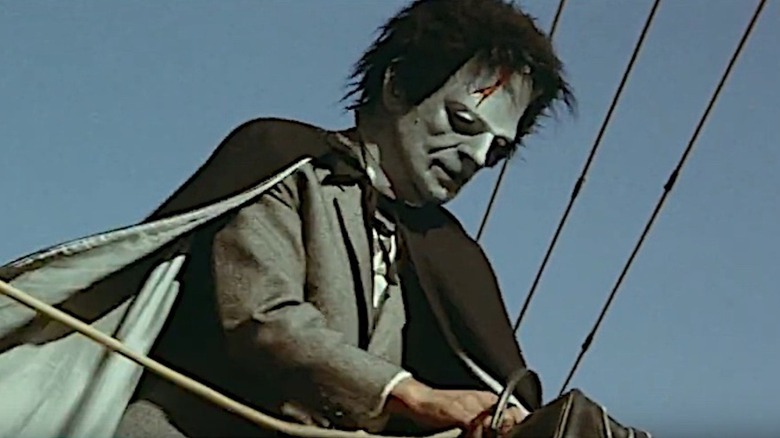
A much more brutal and overlooked Japanese crime film involving the yakuza than "Tokyo Drifter" is 1974's "Violent Streets." The movie stars Noboru Ando as retired mobster Egawa Koichi, who runs a trendy nightclub in the middle of Tokyo. After viciously rebuffing an attempt by the yakuza to move in on his business, Egawa finds himself drawn into a conflict between warring yakuza clans. Egawa settles back into old habits seamlessly, wrecking carnage on any enemies unfortunate to stand in his way as the gang war escalates.
"Violent Streets" certainly lives up to its title, bringing the graphic mayhem right from the movie's opening nightclub scene and establishing Egawa's sadistic bonafides. The blood runs freely and regularly throughout the film, vividly colored red as if it were a Hammer Horror flick. Clocking in at 96 minutes, there's not an ounce of fat on this thing, running lean and mean for its yakuza duel. Not as well-known as Sonny Chiba's extensive catalog of crime thrillers or the "Battles Without Honor or Humanity" series, "Violent Streets" is a stylishly sanguine yakuza movie.
The Driver
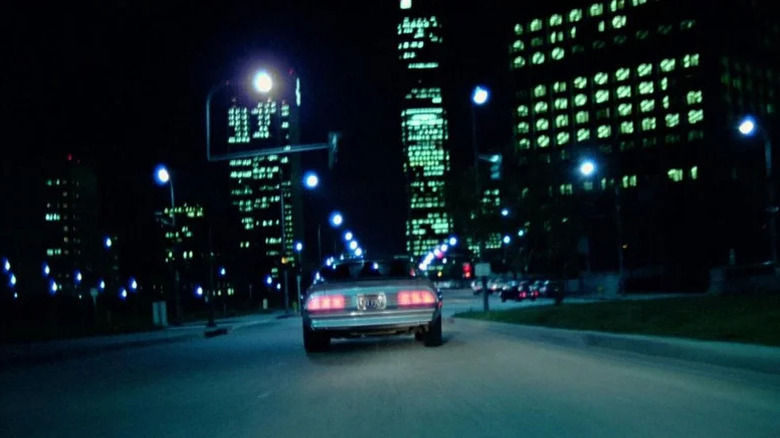
The sophomore directorial feature from filmmaker Walter Hill ("The Warriors," "48 HRS") is the neo-noir thriller "The Driver," which he also wrote. The 1978 movie stars Ryan O'Neal as a nameless getaway driver who assists as a wheelman for heists around Los Angeles. Because of the driver's reputation throughout the criminal underworld, he is hunted obsessively by a similarly nameless police detective, played by Bruce Dern. After the detective sets up an elaborate sting operation to take him down, the driver accepts the challenge, even knowing he's walking into a setup.
"The Driver" is another movie on this list with standout car chases, making up approximately a third of its runtime in this case, stylishly staged around Los Angeles. For a movie like this, the story is largely secondary or at least more thematic than explicit in its execution of clashing masculinity and obsession. O'Neal is never better as the enigmatic driver, bringing a focused presence to what is essentially a front-facing archetype. One of the most underrated car movies and showcasing Hill in his larger-than-life element, "The Driver" is arguably the coolest movie on this list.
Blood Simple
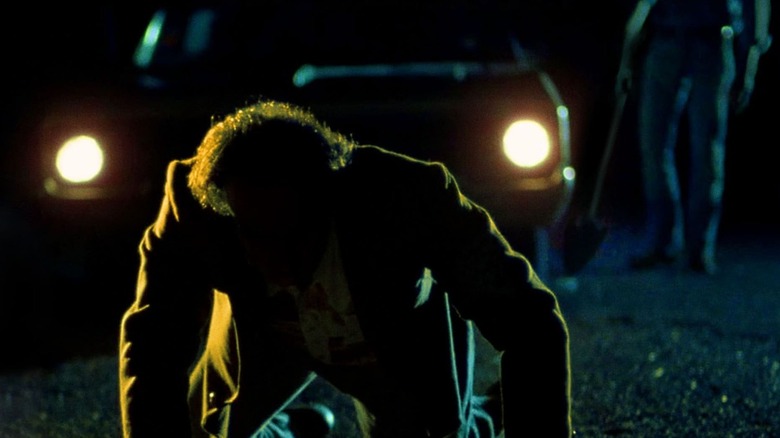
Joel and Ethan Coen's feature directorial debut was the 1984 neo-noir thriller "Blood Simple," which they also wrote, produced, and edited. The movie has jealous husband Julian Marty (Dan Hedaya) hire Loren Visser (M. Emmet Walsh) to murder his wife Abby (Frances McDormand) and her extramarital lover Ray (John Getz). However, Visser double crosses Marty before continuing to hunt the couple after a series of misunderstandings. This leads to a deadly game of cat-and-mouse as Abby tries to stay one step ahead of the murderous crook.
The Coen brothers consider "Blood Simple" their worst movie, but we respectfully disagree, especially when one remembers that 2004's "The Ladykillers" exists. A lot of the storytelling sensibilities that would inform the Coens' later projects, particularly "No Country for Old Men," are visible here. This includes a healthy supply of dark humor and grounded yet off-kilter performances from the movie's ensemble cast. A strong sign of things to come from the creative team, "Blood Simple" is an underrated project in the Coens' filmography.
Bullet in the Head
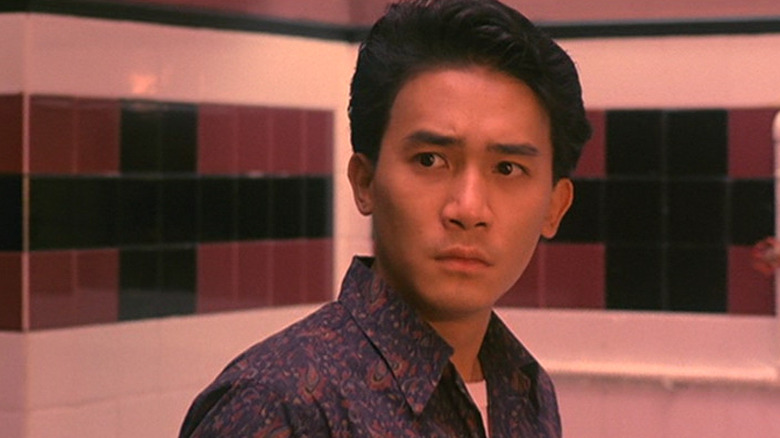
Hong Kong filmmaker John Woo has changed the way that modern action set pieces are staged, delivering prolonged stylish gunplay influencing subsequent movies like "The Matrix." One of Woo's overlooked films is 1990's "Bullet in the Head," following a trio of childhood friends and crooks Ben (Tony Leung), Paul (Waise Lee), and Frank (Jacky Cheung). Set during the height of the Vietnam War, the three take advantage of the conflict by working as smugglers in Vietnam. However, the trio not only have to contend with the ongoing war and hostile factions around them but also a rival crime syndicate in the region.
Compared to Woo's other Hong Kong projects, like "The Killer" or the genre-defining crime action movie "Hard Boiled," "Bullet in the Head" is often omitted from discourse about his work. John Woo's signature action sequences are still very prominent and Leung, with his co-stars, make up for the absence of Woo's usual acting collaborator Chow Yun-fat, both dramatically and explosively. The movie is also one of Woo's most emotionally involving, both with the main characters' friendships and its protagonist's recent marriage. An ambitious period piece crime thriller, "Bullet in the Head" is among Woo's greatest work from either Hong Kong or Hollywood.
King of New York
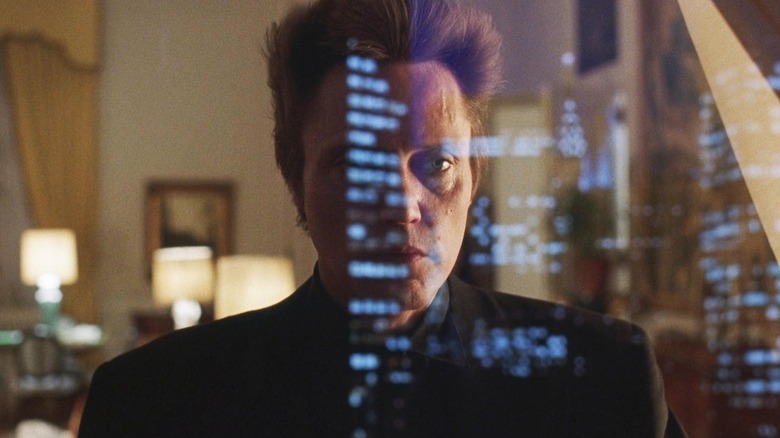
A highlight in prolific neo-noir filmmaker Abel Ferrara's work is the 1990 crime thriller "King of New York," starring Christopher Walken as protagonist Frank White. After being released from prison, White sets out to seize control of New York City's criminal underworld, killing a mob boss who refuses to comply. These actions draw the attention of the police, but White uses his knowledge of the law to avoid another arrest. A group of police detectives decide to take matters into their own hands and kill White, leading to a violent string of murder attempts and reprisals.
"King of New York" is among the best Christopher Walken movies and certainly one of the most overlooked from his extensive filmography. As White, Walken exudes unflappable confidence, best illustrated when he's outnumbered by a group of muggers on a subway car. This underlying cool is elevated by Ferrara's direction and Bojan Bazelli's cinematography, bringing a dark flair to the movie. Moody and intense, with a memorably violent back half, "King of New York" finds Ferrara and Walken forming a creative simpatico on-screen.
Cop Land
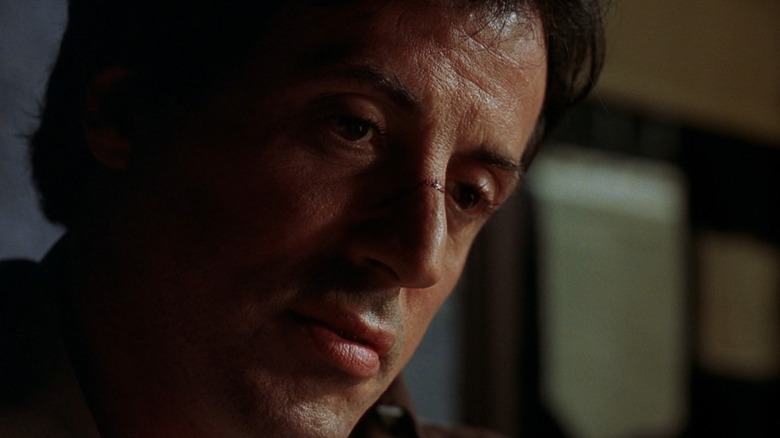
After helming the 1995 indie movie "Heavy," filmmaker James Mangold's first major Hollywood project was writing and directing 1997's "Cop Land." The movie centers on a small New Jersey town that's home to a ring of corrupt New York Police Department officers. The town's sheriff Freddy Heflin (Sylvester Stallone) turns a blind eye to this insidious group's wrongdoings until he finally gets tired of being pushed around. With the mayor stonewalling his attempts at an official investigation, Heflin decides to take the law into his own hands to administer justice.
"Cop Land" is an underrated gem that Sylvester Stallone says nearly ended his Hollywood career, but he delivers what is arguably his greatest dramatic performance in it. Joining him are Robert De Niro, Harvey Keitel, and Ray Liotta, each firing on all cylinders creatively to build out a magnificent ensemble cast. For a sophomore directorial feature, Mangold brings a notable storytelling confidence to the project, positioning the story as something of a neo-Western. One of the best cop movies of all time, "Cop Land" is an absolute highlight from all of its impressive parties involved.
Layer Cake
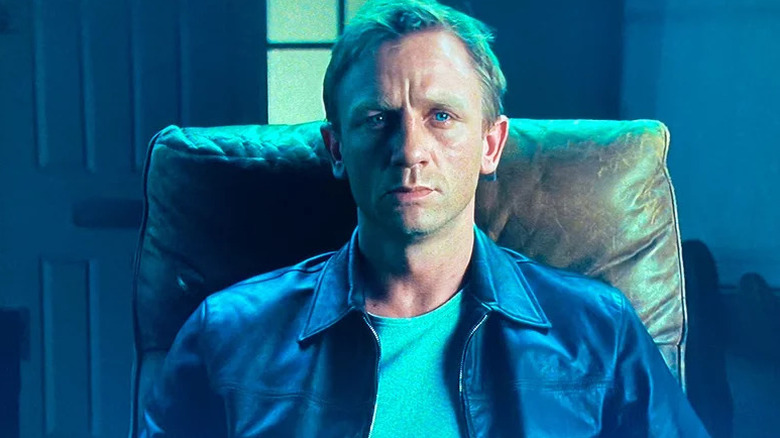
Filmmaker Matthew Vaughn produced Guy Ritchie's career-starting crime movies "Lock, Stock, and Two Smoking Barrels" and "Snatch" before making his own feature directorial debut with "Layer Cake." The 2004 British crime drama centers on a London-based cocaine distributor known simply as XXXX (Daniel Craig), who is trying to go legitimate and extricate himself from the criminal underworld. In order to tie up his last unfinished business, XXXX must rescue the kidnapped daughter of an associate and recover a large drug shipment stolen from a Serbian syndicate. This places XXXX on a collision course with mob bosses Jimmy Price (Kenneth Cranham) and Eddie Temple (Michael Gambon) as old scores are settled.
With its lurid world of double crosses and competing criminal interests, Vaughn sets up a complex web of allies and enemies throughout "Layer Cake." This is backed by a slick style that Vaughn would evoke and build upon in his later directorial work to great effect, keeping viewers riveted. The underseen crime thriller also got Daniel Craig cast as James Bond, with Craig bringing a self-assured performance as its nameless and calculating protagonist. As the movie that transformed Craig into a lead actor and Vaughn into a director, "Layer Cake" deserves far more attention than it currently gets.
Street Kings
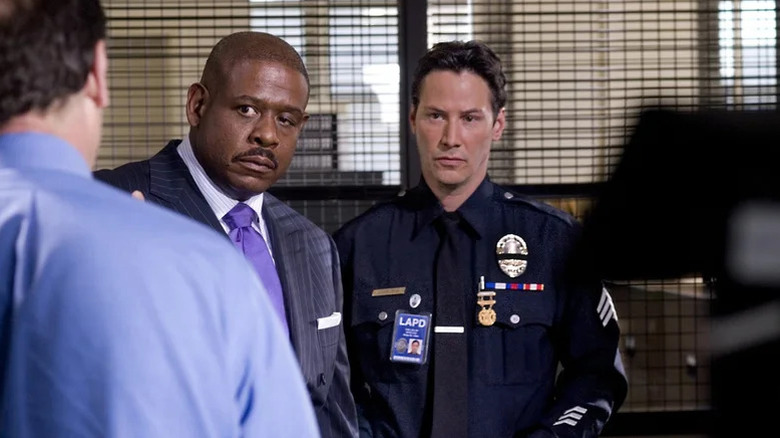
Keanu Reeves is like you've never seen him before in the 2008 cop thriller "Street Kings," directed by David Ayer. Reeves plays burned-out undercover Los Angeles police detective Tom Ludlow, whose brutal methods for results makes him a divisive figure in the department. After Ludlow's former partner Terrence Washington (Terry Crews) is killed, this starts a chain reaction of violence around the precinct. Ludlow, who is eventually accused of being a cop killer, uncovers a larger conspiracy of corruption within the force and takes a stand.
Like Ayer's similar work with cop dramas like "End of Watch," there is a real grit and viciousness to "Street Kings." Reeves is playing what is arguably the least likable character of his career, by design, and really digs into the role with single-minded intensity. Netflix breathed new life into "Street Kings," and fans of his should add the movie to their watch list. At the same time, even though the movie's reputation has improved, be prepared for a story and characters that pull no punches.