

5 Changes Star Wars Needs Under Lucasfilm's New Leadership
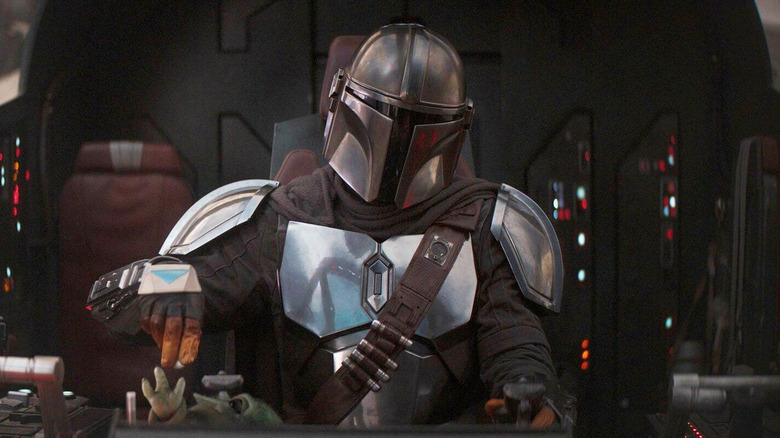
A massive change is on the horizon for Lucasfilm, which means big things for "Star Wars" in the near future. Kathleen Kennedy, who has served as president of the company ever since Disney purchased Lucasfilm in 2012, is departing her position. While Disney has yet to make a formal announcement, it's been reported that Kennedy will be stepping down before long.
Taking her place will be a two-headed-monster led by Dave Filoni, best known as the man behind the animated "Clone Wars" and "Rebels" shows, in addition to his work on "The Mandalorian" and "Ahsoka." Filoni has served as Chief Creative Officer at Lucasfilm since 2023. He'll be spearheading the creative side of things going forward, with Lynwen Brennan, the current President and General Manager of Lucasfilm Business, handling all the executive business.
Without getting into Kennedy's tenure as President of Lucasfilm, it's safe to say that the Disney era of Lucasfilm has been a mixed bag thus far. We've had wildly high highs, such as "Star Wars: Episode VII — The Force Awakens," as well as low lows, among them the failure of "Solo: A Star Wars Story" at the box office. A changing of the guard represents a chance for a galaxy far, far away to re-focus and re-establish its place in the broader pop cultural landscape. To do that, some changes need to be made.
We're going to look at some of the biggest changes that Filoni and Brennan can and should make as they seek to usher Lucasfilm into a new era. Let's get into it.
A clear creative direction
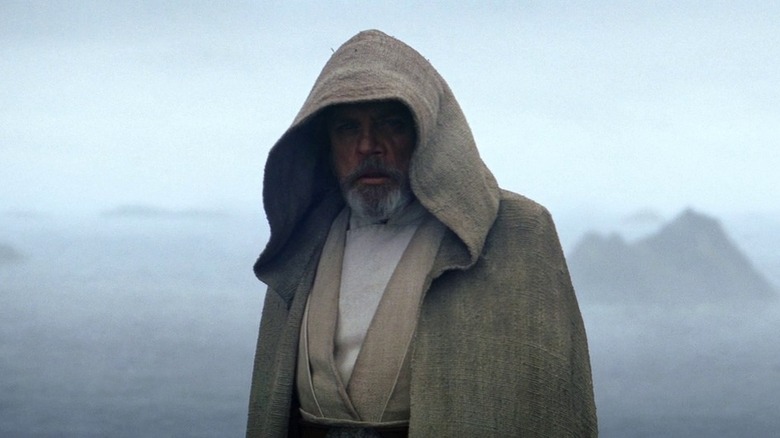
One could debate endlessly what Lucasfilm could have or should have done at various points over the last decade when it comes to "Star Wars." But one thing that can't really be debated is the lack of a clear, cohesive vision for the franchise in the aftermath of 2015's "Star Wars: Episode VII — The Force Awakens." Director J.J. Abrams has made it clear that the "Star Wars" sequel trilogy didn't have a fully mapped out plan from the beginning, which always felt like a pretty ill-advised way to handle such a big property.
This isn't about whether or not someone loved "Episode VIII: The Last Jedi" and hated "Episode IX: The Rise of Skywalker" (or vice versa). It's undeniable that "That Last Jedi" was wildly successful but also wildly divisive, and it's felt like the franchise has been living in the shadow of fear ever since then, with Lucasfilm unsure of how to please the fandom (which itself has fractured in many ways). Even the stuff that works, such as "Andor" or "The Mandalorian," seems cut from different cloths without any true cohesion behind-the-scenes.
Different projects like those can and should exist within the larger framework of the "Star Wars" galaxy, but it shouldn't feel like throwing darts at a board. It would very much behoove Filoni, Brennan, and the brass at Disney to have a clear plan moving forward. That may sound obvious, but it hasn't seemed as though things have been handled as such up to this point. Sometimes, the obvious thing is the right thing. As for what that direction should look like, creatively speaking? That's another conversation entirely and one for another time.
Fewer canceled projects
One of the most dizzying things that has happened during Kennedy's tenure as the head of Lucasfilm is the sheer number of "Star Wars" movies that have been announced only to be canceled later. From the Boba Fett film to Colin Trevorrow's version of "Episode IX," these projects have loomed large over the last decade. It's hard not to take note of this many developed ideas that never saw the light of day and see that as a result of the lack of creative direction. That sort of thing ultimately starts at the top of the chain.
Somehow, Filoni and Brennan need to find a way to ensure that fewer projects are abandoned. For one, it's difficult for fans of the franchise to get excited about something, only to have it ripped away down the line. There are lots and lots of people who would still love to see Rian Johnson's "Star Wars" trilogy and, while it hasn't been officially axed, anyone who believes it's ever going to see the light of day would do well to temper those expectations.
Aside from setting expectations for the audience that aren't delivered on, it's an optics issue. Hearing about "Star Wars" movies or TV shows that are often formally announced by Lucasfilm, and not just existing in the rumor mill, only to have them go away makes it seem like the people at the top don't have a steady grip on the franchise. This is Hollywood. Things are going to happen. But the number of times projects have come and gone in recent years is downright staggering for a property this big. This needs to be reigned in.
Stop announcing projects too early
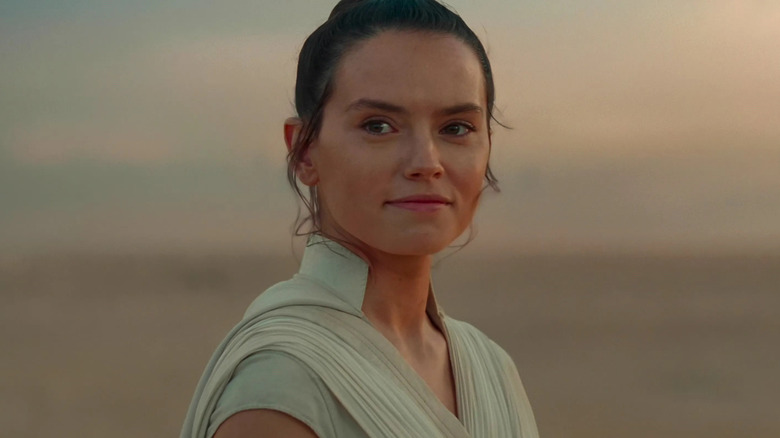
Building on the canceled projects issue, some of that feels like self-inflicted wounds on Lucasfilm's part. The studio has had a history over the last decade of announcing new "Star Wars" movies or TV shows, and in some cases video games, only to see them fester in development hell for years on end or go away entirely. Granted, in some cases, Disney can't help it if the press gets a hold of something, but that's not what we're talking about.
Lucasfilm announced Johnson's trilogy before "The Last Jedi" even came out. It similarly announced a trilogy from "Game of Thrones" duo David Benioff and D.B. Weiss, only to have it fall away. The Rey movie was likewise announced three years ago and remains without a release date. Daisy Ridley has talked about it here and there, but it's seemingly no closer to becoming a reality. The same can be said of James Mangold's "Dawn of the Jedi" film. Meanwhile, Filoni is set to direct a "Mandalorian" spin-off movie, but that feels dependent on the "Mandalorian" spin-off series wrapping up first, so that delay at least makes some sense.
Examples like this are numerous and frustrating. Patty Jenkins was announced to direct a "Rogue Squadron" movie in the wake of "The Rise of Skywalker" hitting theaters, only to have it be canceled and then supposedly uncanceled. All the same, that's another one that doesn't appear close to happening at this moment. Basically, Filoni and Brennan would do well not to announce anything until it's far closer to a sure thing. The need to build hype is understandable, but the damage announcing these things too early on in the development cycle has done is far greater than any benefit it's provided.
A willingness to move on from legacy characters
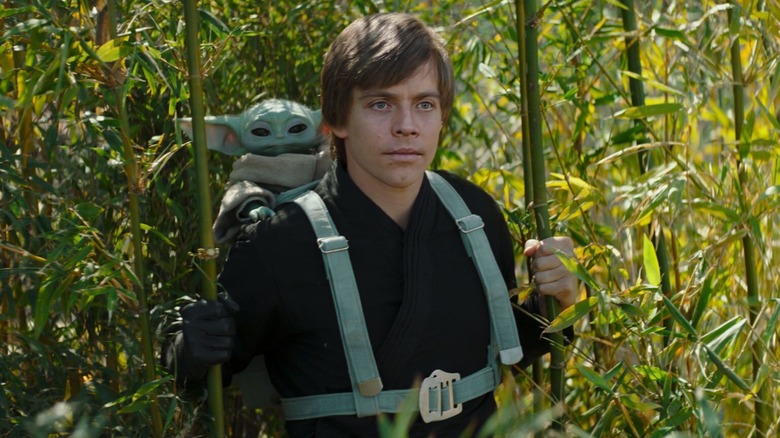
In many ways, the "Star Wars" galaxy should make the Marvel Cinematic Universe feel small. It is an entire galaxy, after all, with thousands of years of stories to explore. As it stands, "Star Wars" often feels small because there is a continued focus on characters from the original trilogy. And while there are times where leaning on those legacy characters makes sense (like having them pass the torch in the sequel trilogy), it does feel like it's holding back the potential for expansion and moving beyond what audiences are already familiar with.
Luke Skywalker showing up in "The Mandalorian" season 2 (and again in "The Book of Boba Fett") was genuinely thrilling for many fans. That was, however, within the framework of something new that had been established for multiple seasons, with Mando (Pedro Pascal, et al) and Grogu making their way across the galaxy and only occasionally engaging with familiar individuals. On the flip side, the "Obi-Wan Kenobi" series left a lot of fans feeling cold, as it leaned almost entirely on nostalgia and old characters.
Without getting too much into personal feelings project-to-project, it would behoove Filoni and Breennan to lean more on eras and characters that haven't been explored nearly as much, which could open up decades of storytelling. Fortunately, Lucasfilm is already trying to do this with movies like "Star Wars: Starfighter." The same could be said for Mangold's "Dawn of the Jedi" movie (again, assuming it happens).
That's not to say that legacy characters should never be used, but it currently feels like they're severely limiting what this franchise can be. It's a finite way to approach a universe full of infinite possibilities.
Understanding that less is more with Star Wars
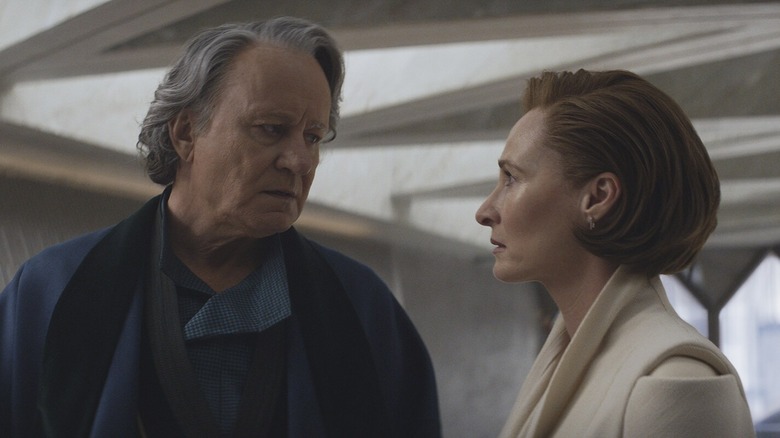
While the "Star Wars" universe is large, one thing it probably shouldn't be is ever-present. One of the biggest things that previously made this franchise so special was its relative scarcity. It's part of the reason why "The Mandalorian and Grogu" being the first "Star Wars" movie in seven years feels exciting for many fans. It's been a long time since the property's been on the big screen, even if these are characters we've seen a lot on TV.
Naturally, Disney isn't always going to want to take seven-year breaks from a cash cow franchise. That's an unreasonable thing to believe, but Filoni and Brennan would do well to not overdo it like Marvel has of late. Multiple "Star Wars" movies being released in rapid succession alongside multiple TV shows per year is far too much. That's at least part of the reason why "Solo" bombed at the box office in 2018. Hitting theaters just five months after "The Last Jedi" was too much, too soon.
Restraint is a good thing. "Andor" was far better off as a two-season show rather than a five-season show. Hardcore fans will always show up, but this franchise needs to feel big and special, particularly when we're talking about live-action installments. Managing the flow of projects in the future is going to be key, and a healthy balance will need to be struck. Disney needs to be kept happy, but it also can't over-exploit "Star Wars" or it risks becoming unexciting or possibly even confusing to the average person. If there's too much, it may become difficult to define what "Star Wars" even is to casual fans. That can't happen.
"The Mandalorian and Grogu" hits theaters on May 22, 2026.