

Why 2025 Proved We Need To Change The Way We Talk About The Box Office
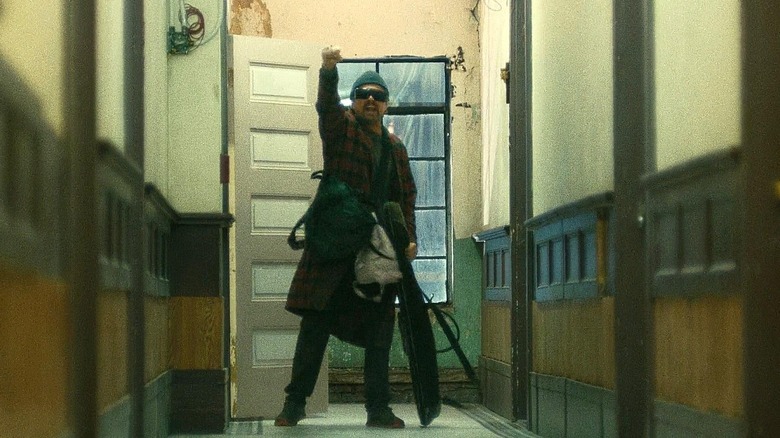
Cinema is dying. Movie theaters are an endangered species. The studio system continues to collapse before our very eyes. By and large, 2025 turned into a long and bleak march towards pessimism, despite the industry initially looking ahead to this mile marker and pinning all hopes on the mantra of #SurviveTil25. Each of those hyperbolic statements came true ... or, at least, feel real enough to constitute a clear and present danger to Hollywood as we know it. What's more, that sense of doom was pervasive enough to break free of our online bubble and escape confinement into the mainstream. For better or worse, this was the year when even casual audiences became aware of the discourse surrounding production budgets, opening weekend performances, and shareholders' return on investment.
But a funny thing happened on the way to making every accounting nerd's dream come true: This growing narrative, which posits that numbers matter above all else in art, took a bit of a hit. Ryan Coogler's "Sinners," despite naysaying by industry trades, went on to become a word-of-mouth success and a pop-culture force. "One Battle After Another," the big-budget Paul Thomas Anderson passion project that analysts spent an entire year wringing their hands over, helped reignite interest in premium formats and is a frontrunner for the next Academy Awards. Even Marvel Studios debuted two of its more interesting efforts in some time, despite an overall tepid response from audiences.
Perhaps the 2025 year in film proves that we can — no, must – change the way we discuss the box office. Nobody denies we live in a world where money talks. But maybe, just maybe, it doesn't have to be quite this loud.
We don't need to judge every movie by its opening weekend
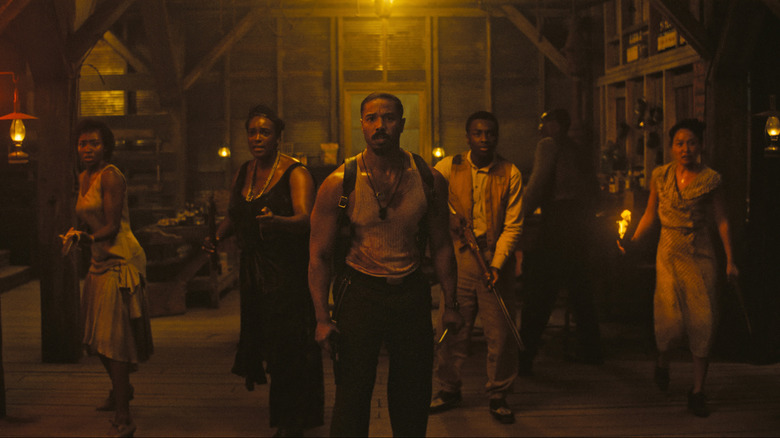
Let's be clear: "Sinners" is an exception to the rule. Blockbuster-sized movies in the vampire genre, with this much ambition and based on an entirely original story, simply aren't built to survive in our post-pandemic theatrical landscape. Even with Ryan Coogler at the helm and the star power of Michael B. Jordan (technically, two of him) in its favor, the many skeptical eyebrows raised when it was first announced were justified. As thrilling as the premise of a 1930s-set vampire siege movie has always been, "Sinners" was not a prudent business decision ... at least, according to conventional wisdom.
Yet even outliers can teach valuable lessons — like the importance of letting things breathe. There's certainly a reason why so much weight is placed upon the opening weekend for the majority of movies, but that has never told the whole story. Every so often, a little cinematic engine that could arrives at the perfect cultural tipping point, taps into very specific political or social trends, and rides a steady buildup of momentum that studio executives never could've seen coming. "Sinners" is precisely that runaway, crowd-pleasing train, representing as pure a distillation of art and commerce as you'll ever see. To flatten its entire existence to merely its first three or four days of release, particularly for a movie celebrating decades upon decades of rich cultural history (as best exemplified by that barn-burning musical sequence), feels especially galling.
By every conceivable standard, "Sinners" was a hit (and likely could've made even more). Those trying to box it into a narrow and immediate view of success look mighty silly now. For the rest of us, its long-term viability came as no surprise whatsoever.
Box office isn't the only -- or even most important -- metric of success
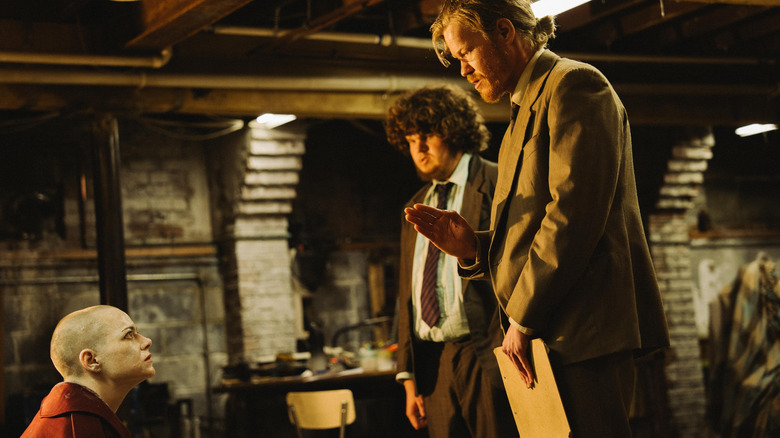
Not all movies are made equally — or should be, at any rate. Once upon a time, it was accepted by industry insiders and audiences alike that "A Minecraft Movie" would help provide cover for the financial shortcomings of "Mickey 17." Nobody would mistake this for studios desiring to be altruistic patrons of the arts, but at least it was an acknowledgement that films have merits that go well beyond their bottom line.
In 2025, we desperately need a return to that mindset more than ever before. "One Battle After Another" stands as the year's most obvious example of a money-losing venture that still can be considered a net win, but it's far from the only one. It's a safe bet that well-publicized flops such as Yorgos Lanthimos' "Bugonia," Bong Joon-Ho's "Mickey 17," or even Ari Aster's divisive "Eddington" will all make their presence felt for years to come. "The Smashing Machine" and "Christy" may go down as a turning point in the careers of both Dwayne Johnson and Sydney Sweeney, respectively. For those of us yearning for a throwback to adult-oriented movies of yore, "Caught Stealing," Honey Don't!," and "Black Bag" might as well have been an oasis in a desert.
Financial punditry will always have its place in our ecosystem (and, if you ask me, /Film is better at it than most), but it need not be the end-all and be-all of every single discussion. 2025 may not have been the box office panacea we'd been hoping for at the start, and it may end in an even darker place. Luckily, we can do our part by being a little more open-minded about how we talk about the box office.