

12 Philosophical Star Trek Episodes That Will Leave You Thinking
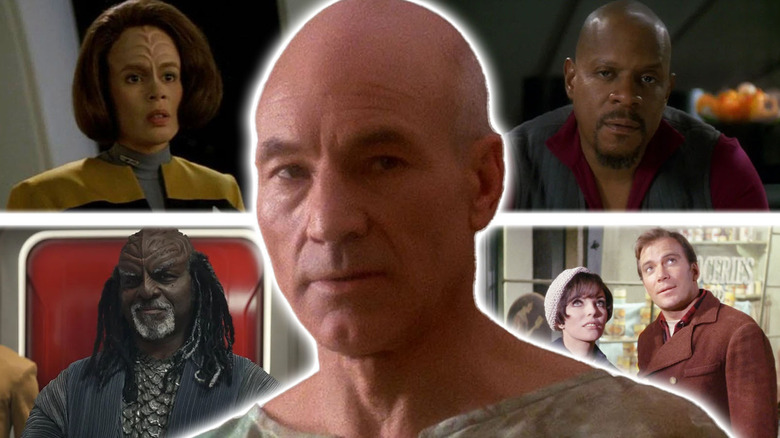
One of the things that has differentiated "Star Trek" from "Star Wars" and any number of its genre contemporaries is its penchant for thought-provoking storytelling. Through its futuristic perspective, "Star Trek" has been able to explore different elements of the human condition, veering into outright existentialism on several occasions. The show is no stranger to asking hard moral questions that test the various main characters throughout the franchise's extensive history. This has been true of the franchise since "The Original Series," with the tradition living on as the venerable science fiction property has been reinvigorated in the streaming era.
From episodes musing on the nature of existence to episodes that explore the cost of conflict on one's soul, "Star Trek" excels when it presents its shows with philosophical adventures. The real standout episodes are the ones that leave the morality of the decisions that have been made shrouded in ambiguity. But more than just having the characters second-guessing themselves, these moments spread that introspection and reflection on consequence to the audience. Here are 12 philosophical "Star Trek" episodes that will leave you thinking as the end credits begin to roll.
The City on the Edge of Forever (The Original Series)
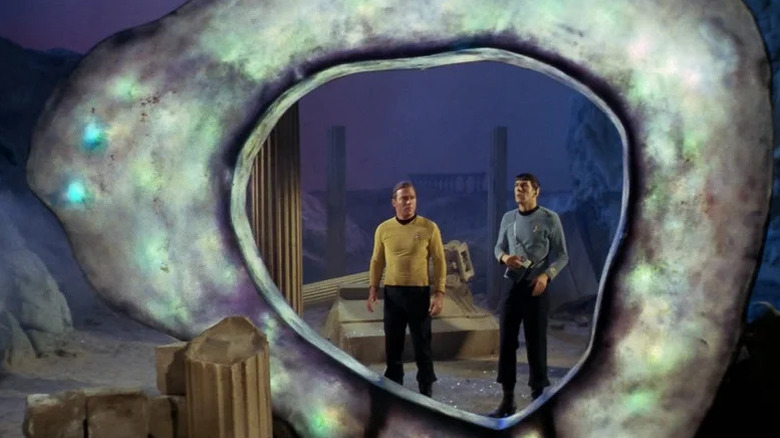
The best episode of "Star Trek: The Original Series" according to IMDb, the first season episode "The City on the Edge of Forever" set a high-water mark for the franchise. The episode opens with Doctor Leonard McCoy (DeForest Kelley) accidentally changing history after traveling back to New York City during the Great Depression. Captain Jim Kirk (William Shatner) and Spock (Leonard Nimoy) pursue McCoy to the past, trying to prevent this alteration from occurring. As Kirk falls in love with local activist and social worker Edith Keeler (Joan Collins), he realizes he must let her die for history to be restored.
Edith Keeler is one of the saddest deaths in the entire "Star Trek" franchise, with Kirk essentially sacrificing the woman he loves to save his reality. "The Original Series" would have other heroic sacrifices and hard-earned decisions but none at the same emotional intensity or moral complexity. Even though Kirk and Spock are successful in their mission, there is no victory here, with Kirk visibly shaken upon returning to his own time. "The City on the Edge of Forever" provides audiences with an emotional gut punch, knowing Kirk ultimately did the right thing, albeit at a tremendous cost.
The Measure of a Man (The Next Generation)
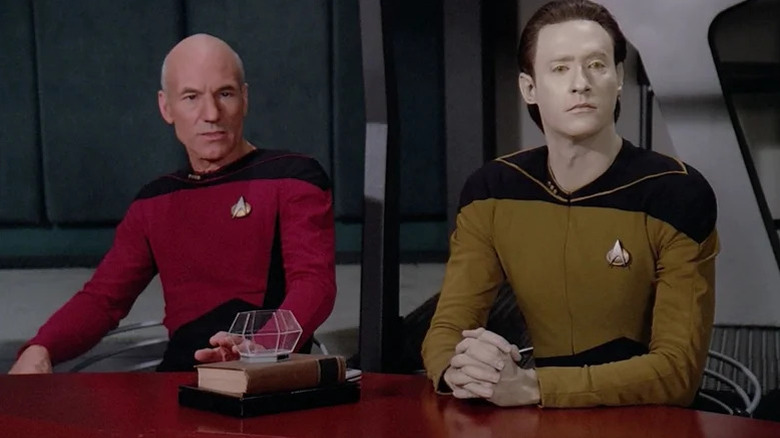
By its second season, "Star Trek: The Next Generation" began to evolve into the show that fans came to know and love. This is particularly true of its episode "The Measure of a Man," which focuses on a legal battle over the individual rights of synthetic Enterprise crew member Data (Brent Spiner). When a Starfleet scientist wants to dismantle Data to study him and create replicas, Captain Jean-Luc Picard (Patrick Stewart) argues that Data is not property but a person. This leads to a contentious legal showdown whether or not Data has true consciousness and self-awareness, with William Riker (Jonathan Frakes) forced to represent the opposition.
Really, we could spend an entire article just going over the best philosophical episodes from "The Next Generation." "The Measure of a Man" is the first indisputably great episode from "TNG," shining a light on what it means to exist and be respected as autonomous and individual. It's a wonder that the episode came out when it did because "TNG's" early writers room was full of turmoil and bad blood, affecting the quality of the episodes. Just as "The City on the Edge of Forever" is to "TOS," "The Measure of a Man" is an essential "Next Generation" episode everyone should watch at least once.
The Wounded (The Next Generation)
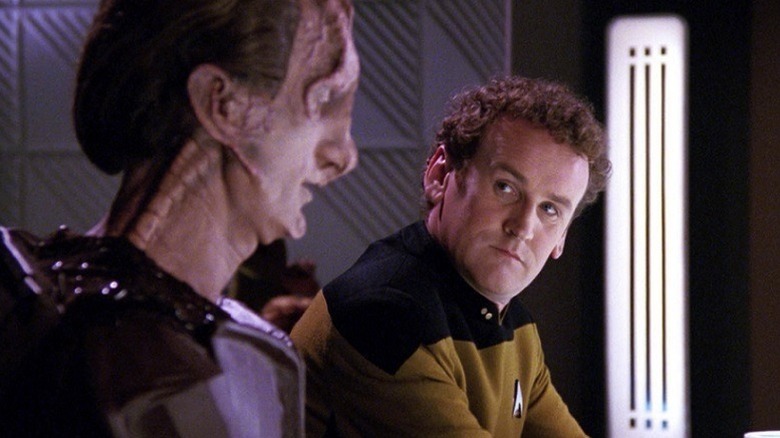
After defeating the Borg Collective, at least for the moment, "The Next Generation" introduced the villainous Cardassian Union in the episode "The Wounded" at the start of its fourth season. The episode temporarily reignites hostilities between Starfleet and the Cardassians when respected Captain Benjamin Maxwell (Bob Gunton) seemingly goes rogue and attacks Cardassian targets. To avoid the conflict from escalating further, Picard moves to get Maxwell to stand down from any further attacks, initially wondering if Maxwell is carrying out a vendetta. However, upon further investigation, Picard realizes that Maxwell's apparent paranoia about the Cardassians dangerously upgrading their military capabilities against Starfleet is not without merit.
"The Next Generation" was really on another level when it was producing its fourth season, firing on all cylinders creatively. "The Wounded" presents an interesting case where it's apparent that its rogue antagonist is actually right about his suspicions, he just goes about it in a wrong way. This would open the door for even bigger wartime moral conundrums that were explored throughout "Star Trek: Deep Space Nine." "The Wounded" is an interesting look at Starfleet on the cusp of war, with its diplomatic ideals compromised when presented with a conflict containing no easy answers.
The Drumhead (The Next Generation)
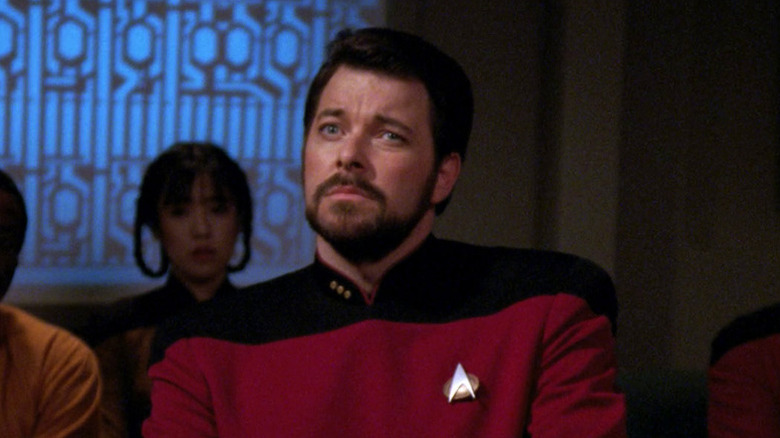
Another "The Next Generation" season 4 classic is "The Drumhead," which has Starfleet investigate an explosion on the Enterprise under suspicions of sabotage. Starfleet Command sends Norah Satie (Jean Simmons) to lead the investigation, which quickly turns into an inquisition when Satie alleges there is a large conspiracy at work. Even as analysis reveals the explosion was an accident rather than a malicious act, Satie continues to intensify her investigation of the Enterprise crew. When Picard objects to Satie's methods and prolonged presence, he becomes the focus of her paranoia-fueled work.
Jonathan Frakes decided to break a big "Star Trek" rule when he directed "The Drumhead," changing the cinematography to make the episode more engaging. But beyond its excellently staged legal drama styles, the episode's themes feel more salient than ever, with its warning of paranoia obscuring justice. Patrick Stewart delivers one of his finest performances as Picard, matched beat-for-beat by Simmons in a showdown that will leave audiences thinking of its implications. Another masterpiece in storytelling that expands underscores the enduring relevance of "Star Trek," "The Drumhead" shines a light on how wrongs can be committed in the name of justice.
Half a Life (The Next Generation)
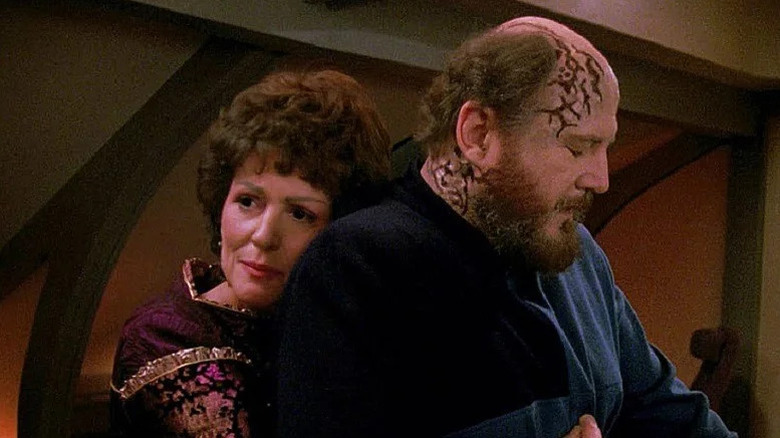
One last season 4 installment from "The Next Generation," the episode "Half a Life" explores the nature of mortality and cultural pressures. The series has Lwaxana Troi (Majel Barrett), the mother of Deanna Troi (Marina Sirtis), strike up a romance with visiting scientist Timicin (David Ogden Stiers). Timicin comes from a civilization where those who reach the age of 60 are systemically euthanized, an age that he is rapidly approaching. Lwaxana tries to convince Timicin to resist his societal expectations, with Starfleet unable to intervene on the matter.
"Half a Life" is one of the best episodes of "Star Trek: The Next Generation," an episode with little conventional action but big philosophical questions. At his core, Timicin doesn't want to die, but he also doesn't want to shame his family or try to become a sudden revolutionary figure within his society. This creates a conflict between cultural duty and the right to life, something that only Timicin can figure out for himself, despite Lwaxana's influence and clear desire. Another "Star Trek" episode that dwells heavily on varying cultural moralities, "Half a Life" continues season 4's winning streak.
The Inner Light (The Next Generation)
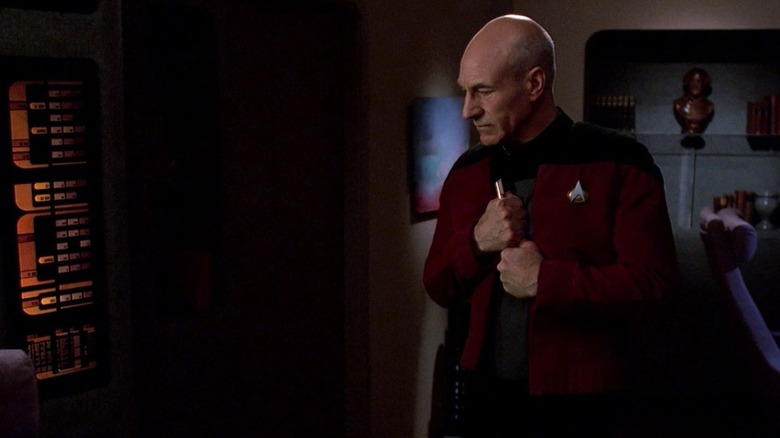
One of the all-time greatest "Next Generation" episodes barely features the Enterprise or most of the main characters outside of Picard. The fifth season episode "The Inner Light" has Picard incapacitated by a mysterious probe, which seemingly transfers his consciousness into an alien man named Kamin. Accepting this abruptly adopted life, Picard lives out his life as Kamin, raising a family as he grows older in this faraway society. Picard eventually realizes that this experienced lifetime is a way for him to witness a civilization that has long since died out.
"The Inner Light" is a self-contained bittersweet celebration of the fullness of life, with Picard living out someone else's entire lifetime in a matter of minutes. The experience leaves Picard a changed man, living out the perspective of being a family man and entering the twilight of his life before being returned to his normal existence. In doing so, Picard gains a unique understanding of the human condition while, to his friends, he had only been temporarily unconscious. "The Inner Light" was highlighted as Patrick Stewart's favorite "Star Trek" episode, and given the thought-provoking quality of this installment, it's easy to see why.
Tapestry (The Next Generation)
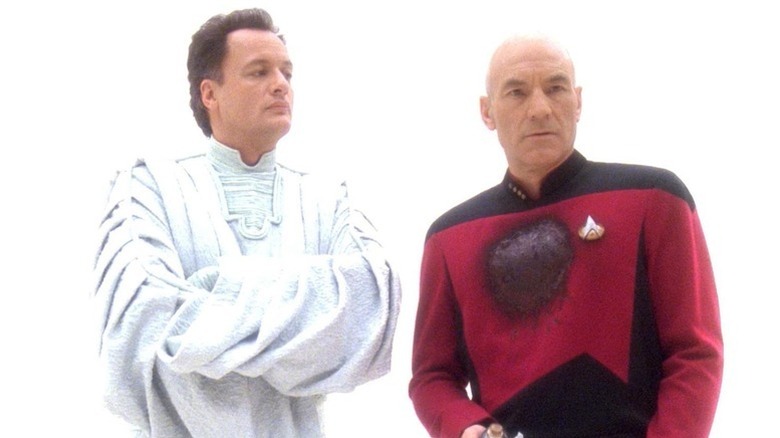
Ever since the start of "The Next Generation," Q (John de Lancie), an omnipotent being, judges humanity's continued existence using Picard as his main representative for the species. When Picard suffers a near-death experience in the sixth season episode "Tapestry," he is visited by Q who offers him the chance to relive his greatest mistake. Armed with his knowledge of his future, Picard avoids making the mistake but this leads to him experiencing a much different and less fulfilling life. This development causes Picard to realize that his past mistake actually was an important part of his growing into the esteemed Starfleet captain that he is in the prime timeline.
"Tapestry" is one of Q's best moments across the entire "Star Trek" franchise, underscoring his unusual reality-bending friendship with Picard. Like "A Christmas Carol" or "It's a Wonderful Life," the episode lets Picard see how important his life decisions are, especially his perceived mistakes. That life lesson spreads to the audience, even as Picard's reality is cheerfully restored, with him appreciating what he just witnessed from what could've been. A Q-induced gem of an episode, "Tapestry" is a fun but thoughtful out-of-body experience for Picard.
In the Pale Moonlight (Deep Space Nine)
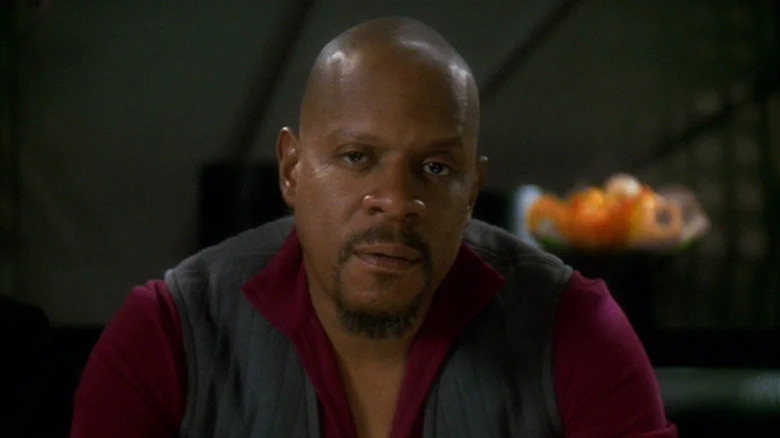
So much of "Star Trek: Deep Space Nine" was defined by conflict, with the show's Dominion War causing tension behind-the-scenes for the production. The most memorable episode from the longstanding storyline was "In the Pale Moonlight" from the show's sixth season. Told as a log entry recorded by Captain Benjamin Sisko (Avery Brooks), the episode has Sisko work with Elim Garak (Andrew Robinson) to convince the Romulans to fight the Dominion. This leads the two to engage in increasingly morally dubious actions to secure Romulan participation at any cost.
"In the Pale Moonlight" quite intentionally plays out like a confession, with Sisko grimly having to reveal what he was just complicit in. This particular tale is as morally ambiguous as "DS9" gets, with the episode's most troublesome material snuck past network execs. That moral ambiguity is what makes the episode so memorable, leaving audiences wondering along with Sisko if he did the right thing. Morally complex and providing no easy answers to its characters or viewers, "In the Pale Moonlight" truly is "DS9" at its finest.
Tuvix (Voyager)
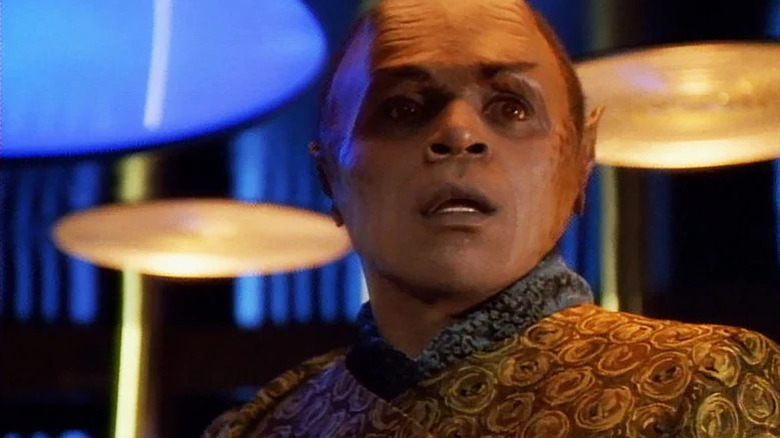
"Star Trek: Voyager" was another "Star Trek" series that veered more into moral ambiguity like "DS9" before it. A prime example is the second season episode "Tuvix" which has Tuvock (Tim Russ) and Neelix (Ethan Phillips) merged into the composite being Tuvix (Tom Wright). In order to regain her affected crew mates, Captain Kathryn Janeway (Kate Mulgrew) must reverse the process, effectively ending Tuvix's existence. However, Tuvix has a self-aware identity of his own and is concerned about being terminated for the others to return.
Transporter accidents have been a recurring trope in the "Star Trek" franchise dating back to the earliest episodes of "The Original Series." What "Tuvix" does is subvert this narrative element by presenting the Voyager crew with an ethical dilemma if it's alright to sacrifice a new being to bring back their friends. Of course, the alternative is that Tuvok and Neelix are gone forever, but it still raises the question if what Janeway does is tantamount to murder. The most famous "Star Trek: Voyager" episode still tears fans apart today as another story with no clear moral solution.
Remember (Voyager)
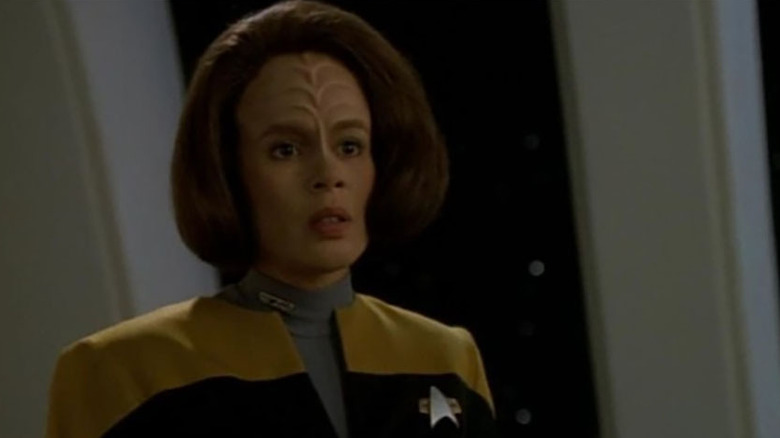
The "Voyager" third season episode "Remember" features a similar presence as "The Inner Light," albeit much darker in fitting more within the show's tonal sensibilities. The episode has the Voyager transporting a telepathic race known as the Enarans back to their home planet. Voyager's chief engineer B'Elanna Torres (Roxann Dawson) begins experiencing vivid dreams living as an Enaran from a disturbing point in their history. Learning that this is an implanted memory, Torres confronts the Enarans over what they did based on what she witnessed through these telepathic visions.
At first glance, the Enarans and the dreams that Torres experiences seem harmless enough until things take a turn for the decidedly more intense and disturbing. This isn't Picard's slice-of-life tour of a long-dead race but a vision that forces Torres to bear witness to another race's secret sins. The reveal is a heartbreaking one and a development that Janeway and the Voyager can't intervene in to save the day. One of the best episodes from all of "Voyager," "Remember" is a heartbreaker of a story centered on Torres.
Nemesis (Voyager)
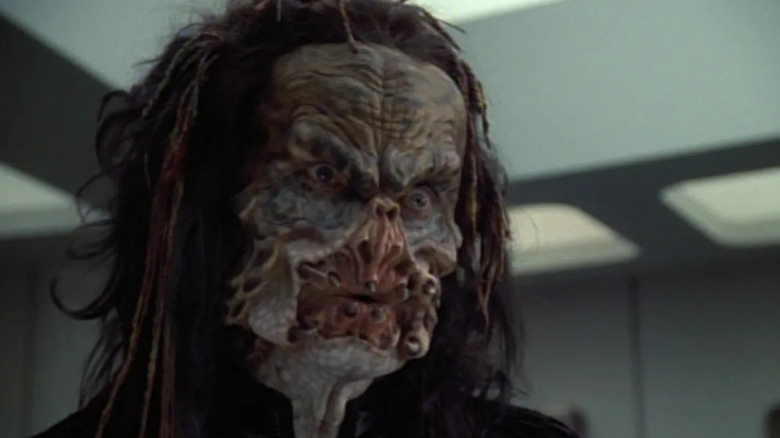
Voyager's first officer Chakotay (Robert Beltran) finds himself stranded in a bitter fight on a remote planet in the fourth season episode "Nemesis." Chakotay is taken in by the Vori, a humanoid species locked in a violent struggle with the technologically advanced Kradin. After witnessing atrocities committed by the Kradin firsthand and repulsed by their monstrous appearance, Chakotay agrees to assist the Vori in their fight. After being recovered by Tuvok with help from the Kradin, Chakotay learns he was fully conditioned by the Vori to hate the Kradin in an elaborate brainwashing simulation.
"Nemesis" is an episode about how susceptible we are to propaganda and mental conditioning, completely blurring reality. Chakotay is turned into an enemy of the Kradin over the course of the episode, and even after learning the truth, he finds it hard to be in the Kradin's presence. With this realization, what drives the story's message home is Chakotay lamenting how easy it is to develop hatred compared to resolving it. The moment is one of Chakotay's best and the twist ending leaves audiences realizing that they too have been put on by the Vori.
Under the Cloak of War (Strange New Worlds)
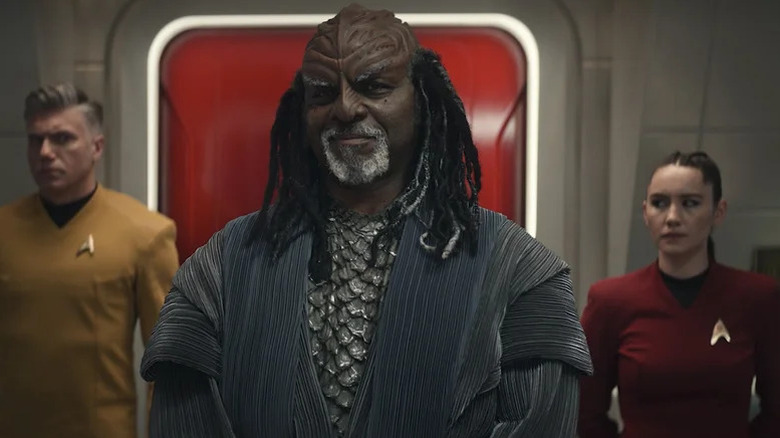
"Star Trek: Strange New Worlds" brings the franchise back to its episodic roots as it explores the captaincy of Christopher Pike (Anson Mount) on the Enterprise. The prequel series opens with the United Federation of Planets still recovering from a harrowing war against the Klingon Empire, as depicted in "Star Trek: Discovery." The lingering trauma from the conflict comes into focus during the second season episode "Under the Cloak of War." The "Strange New Worlds" episode delves into the trenches as the Enterprise transports Klingon general-turned-diplomat Dak'Rah (Robert Wisdom), who has a bloody history with Doctor Joseph M'Benga (Babs Olusanmokun).
The climax of "Under the Cloak of War" is an altercation between Dak'Rah and M'Benga, resulting in the Klingon's death. M'Benga insists to Pike that the killing was an act of self-defense on his part, though Pike and, by extension, the audience, is unsure of the claim. One of the great things about this ending is that it remains largely unresolved, though M'Benga casts further suspicion over the matter in the following season. Still, what exactly transpired remains shrouded in mystery and open for debate if M'Benga simply killed the Klingon in cold blood or was forced into a skirmish.