

12 Historical Miniseries You Need To Watch
We may receive a commission on purchases made from links.
Period dramas on the big screen can deliver a variety of compelling stories, but to fully immerse yourself in the world of the past, sometimes a miniseries is exactly what you need, giving the story plenty of time to breathe. At the same time, they're not going to overstay their welcome either — they're like the Goldilocks of narrative fiction, not too lengthy, not too short.
Long considered a mainstay of prestige television, the advent of streaming services have made historical miniseries more accessible than ever. Whether they're immersive World War II dramas, stories of medieval England, or explorations of more modern periods, each of the shows on this list is capable of entertaining and educating in equal measure. So if you're looking to get swept away by lavish sets, gorgeous costumes, and old-timey drama, you've come to the right place.
Here are the best historical miniseries you have to watch.
Band of Brothers
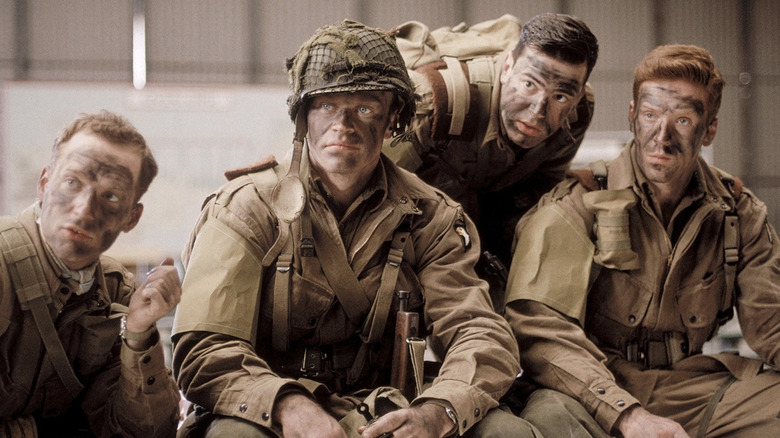
If there's one thing that Tom Hanks and Steven Spielberg have in common — besides their immense individual contributions to cinema, that is — it's that they're both giant dorks for World War II. Nowhere is that more evident than in the TV series that they created together, "Band of Brothers," which details the training and deployment of a company of parachute infantry soldiers on the Western Front.
This is event television at its finest, with excellent action set pieces that keep audiences on the edge of their seats and a top-tier cast of actors bringing to life a host of soldiers. Nowadays, "Band of Brothers" has become one of the definitive war television shows, and it was immensely popular when it was first released as well. It aired in the aftermath of the terrorist attacks on September 11, a time at which American audiences were especially interested in patriotic fare. But the power of the series has endured decades later.
Chernobyl
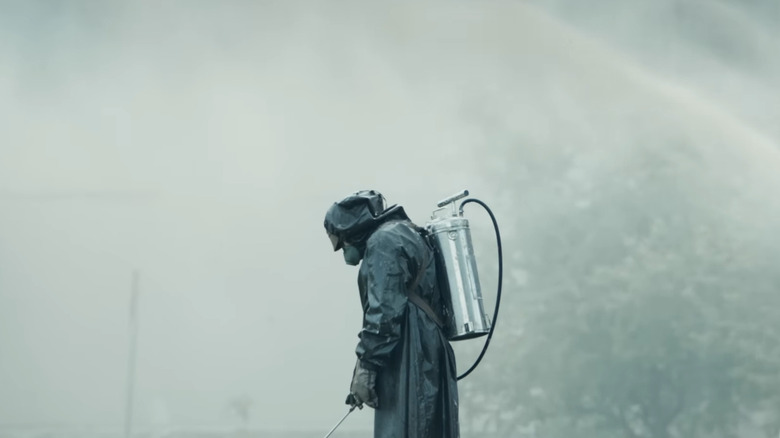
Plenty of shows can match the emotional impact of "Chernobyl," but few that couple its sentiment with the depiction of a nuclear disaster so tight and claustrophobic as to be literally nausea-inducing. Jared Harris and an immense cast of talented performers star in "Chernobyl," which tells the story of the most devastating nuclear disaster in Soviet history, when a reactor exploded in the city of Chernobyl, filling the surrounding area with toxic amounts of radiation and producing far-reaching environmental impacts across Europe.
Harris plays Valery Legasov, a prominent scientist brought in to aid in the clean up of the site, a task made infinitely more difficult by the strong Soviet impulse to cover up the extent of the disaster. Both the explosion at Chernobyl and the horrifying aftermath are presented in gruesome detail, making the guilt felt by Valery for his failure to protect people rather than the government's reputation all the more poignant. "Chernobyl" was a huge awards success, taking home 10 Emmy Awards including one for Best Limited Series, and becoming one of HBO's best ever miniseries.
When They See Us
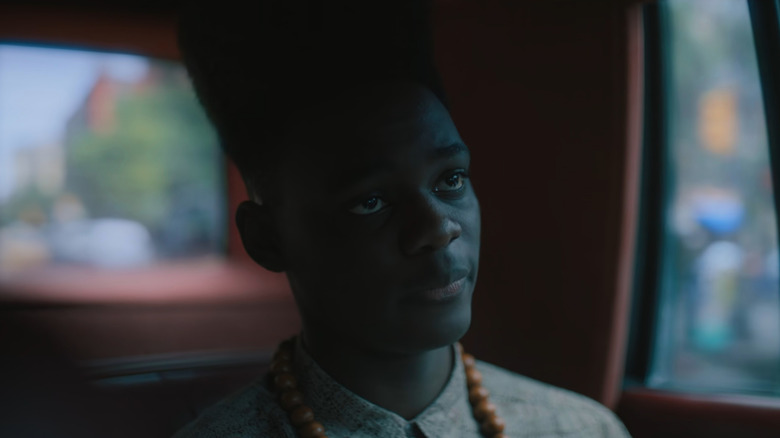
"When They See Us" may not be the most historical of historical miniseries — after all, it takes place in the 1980s, hardly the distant past — but the events it details are no less momentous for the fact that they take place in recent memory. This devastating miniseries is set in New York City, revolving around the extremely controversial arrest and conviction of the boys who came to be known as the Central Park Five.
These five Black teenagers were unfairly prosecuted because of their race more than anything else, and went to jail for years before eventually being exonerated and released with little more than a token apology for their wrongful imprisonment. With heartbreaking performances from the main cast of teens — including Jharrel Jerome, who won an Emmy Award for his work on the show — in addition to thoughtful direction from Ava DuVernay, "When They See Us" is a painful yet unforgettable viewing experience.
John Adams
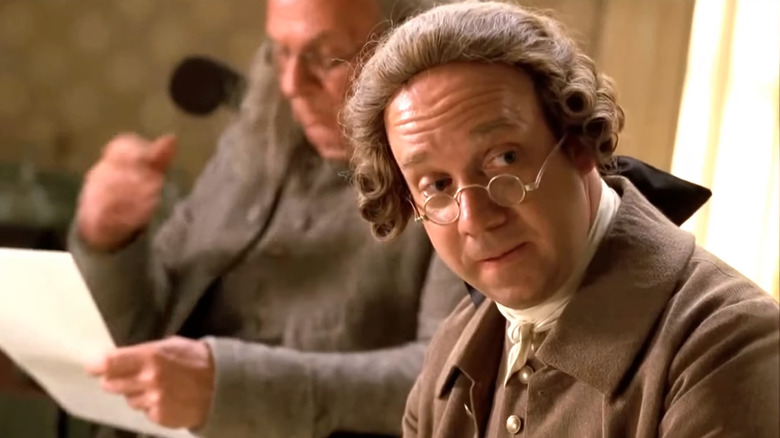
For a long time now, historical miniseries have been considered de facto prestige television, and that's largely thanks to the merits of shows like "John Adams," which further developed the subgenre's reputation for quality. It stars Paul Giamatti as John Adams over the course of his astounding career set against a backdrop of the American Revolution.
A quiet, unassuming, yet fiercely intelligent Boston lawyer, Adams has little ambition for power — which, of course, doesn't stop him from becoming one of the most prominent figures in early American history and eventually the second president of the United States. Although Giamatti is the life force of the entire production, there are plenty of other standouts in "John Adams," including Laura Linney as Abigail Adams. Based on the book by David McCullough, "John Adams" brings the American Revolution to life by zeroing in on one of its most interesting political heroes.
Generation War
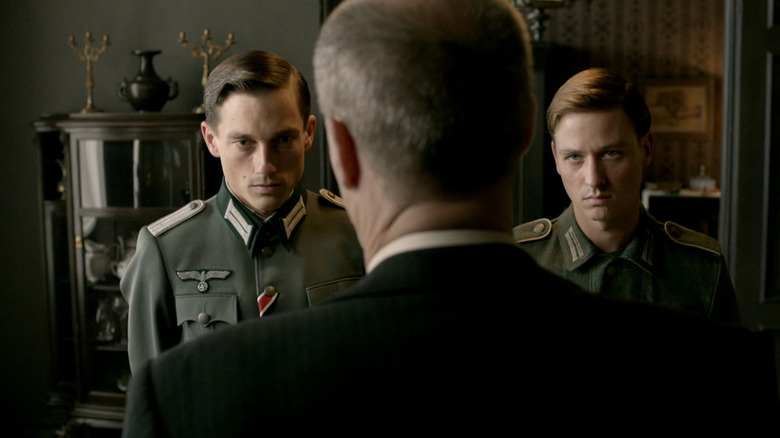
There are about as many World War II miniseries on television as there are Boomer dads with a World War II hyperfixation. But most of them are told from the American perspective or, if we want to get really cosmopolitan, maybe the English. "Generation War" tells the other side of the story, showing how the war ruined the lives of several young Germans — not just the ones who stood against Hitler's policies, but the ones who joined in the war effort as well.
Here, there are five teens on the brink of adulthood — a Jewish boy and his girlfriend, a pair of brothers, and a young nurse — who see their world torn apart during Hitler's reign, whether they realize it at the time or not. While some begin with patriotic zeal, it doesn't take too long for them to become disillusioned once they bear witness to the harsh realities of war. "Generation War" doesn't hold any of its punches, and its narrative even has a few surprises, as the characters continually grow to defy their expected archetypes.
The Underground Railroad
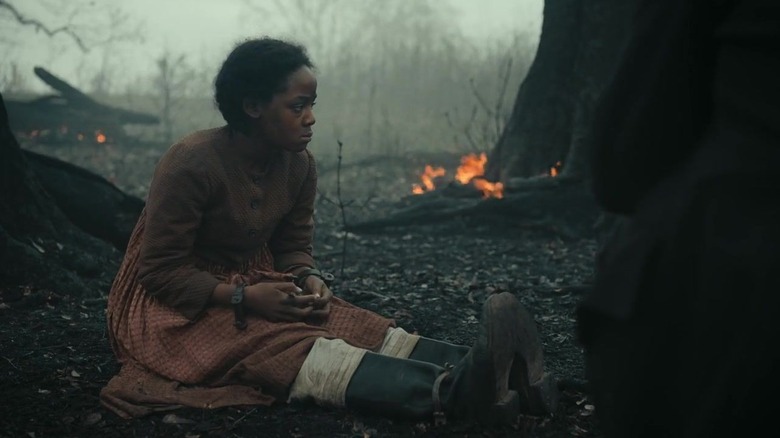
Barry Jenkins has become an unstoppable force on the big screen, with exciting and gorgeously shot films like "Moonlight" and "If Beale Street Could Talk," so it makes sense that he would have a similar impact on television with "The Underground Railroad." Adapted from the novel by Colson Whitehead, "The Underground Railroad" tells the story of Cora (Thuso Mbedu) as she makes her way along the secret network developed with the aid of abolitionists to help enslaved people escape to freedom.
The series incorporates magical realism in a way that captures the horrors of the era while also lending it an otherworldly quality. Jenkins imbues the production with his trademark eye of visuals, making it one of the most stunning series that Amazon has ever produced. Although it may have gone somewhat under-appreciated by general audiences, it was embraced by the awards circuit, with seven Emmy nominations to its name.
The Queen's Gambit
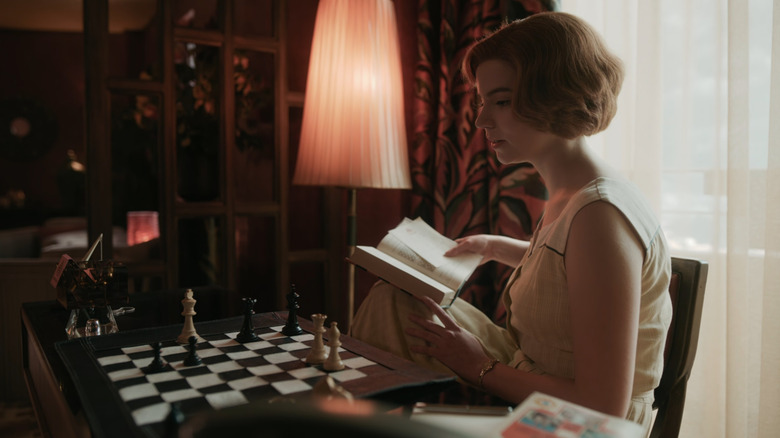
Who would have thought that chess could be so thrilling? "The Queen's Gambit" features Anya Taylor-Joy in a star-making turn as Beth Harmon, a peculiar orphan who capitalizes on her tremendous aptitude for chess to make a life for herself in the 1960s. Raised in an orphanage where she learns the basics of chess from the surly janitor (Bill Camp), her talents are recognized after she is adopted as a teenager and begins to participate in local tournaments, culminating in her faceoff with a Russian grandmaster.
The acting performances in "The Queen's Gambit" are top notch, from Taylor-Joy herself to Marielle Heller as her adoptive mother and Harry Melling and Thomas Brodie-Sangster as two of her chess rivals turned friends. But what really sets the series apart is its impeccable set and costume design, which give "The Queen's Gambit" a unique flair in service of Beth's unique journey from rags to riches.
Roots
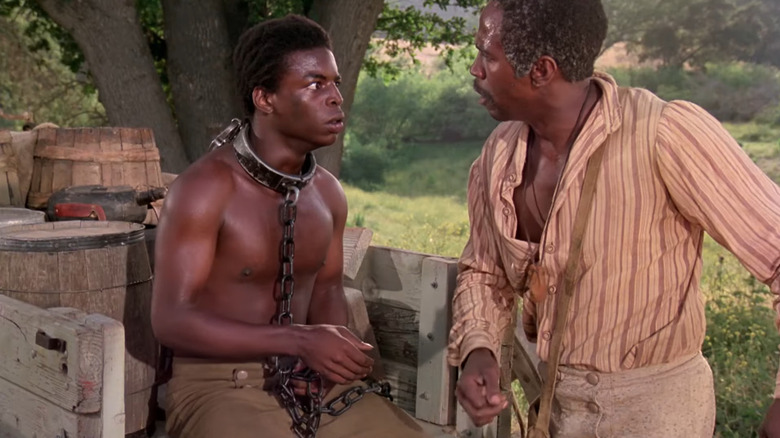
When "Roots" first premiered in 1977, you'd be hard-pressed to find someone in America who hadn't watched it. To this day, its finale holds the record as having the third-highest Nielsen ratings of any episode of television ever. Back then, when you only had a few different channels to pick from, that meant a lot of people were watching "Roots."
Based on the bestselling novel by Alex Haley, "Roots" follows the journey of Kunta Kinte (played by LeVar Burton and John Amos as the younger and older version of the character, respectively), a man from The Gambia who is captured, sold into slavery, and transported to the United States in the 1700s. He never abandons his African identity, even though he is violently punished for his acts of rebellion. And over the course of the sprawling miniseries, we follow both Kunta Kinte and his descendents as they interact with the American legacy of slavery. Powerful and deeply moving, "Roots" wasn't just a ratings behemoth — it also earned 37 Emmy nominations, ultimately winning nine.
A Very English Scandal
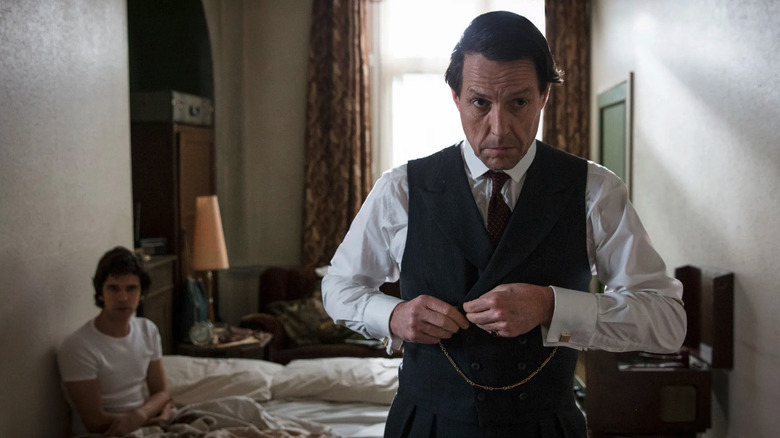
For a long time, Hugh Grant was famous for being the quintessential befuddled Englishman with floppy hair. But as he's aged, he's found a new niche for himself, embracing his inner creep. It's a career move that has served him well, giving him a second act as a performer that feels perfectly suited for him. Nowhere is that more evident than in "A Very English Scandal," where he plays Jeremy Thorpe, a political superstar whose career is derailed when he first has an affair with Norman Scott (Ben Whishaw), then conspires to have him killed when Scott threatens to reveal proof of their former relationship. Politicians can have a lot swept under the rug, but getting caught putting a hit out on your ex-lover tends to get noticed.
Ben Whishaw is a delight as Scott, who is equal parts vulnerable and egotistical, enjoying his time in the limelight as he crafts an outlandish origin story for himself. But the real coup is Grant, who redeines himself as an actor with the role. "A Very English Scandal" was well-regarded enough that it generated two spinoff series, "A Very British Scandal" about an aristocratic divorce that drew headlines in the 1940s, and "A Very Royal Scandal" about the now-infamous interview that permanently linked Andrew Mountbatten-Windsor with Jeffrey Epstein.
Holocaust
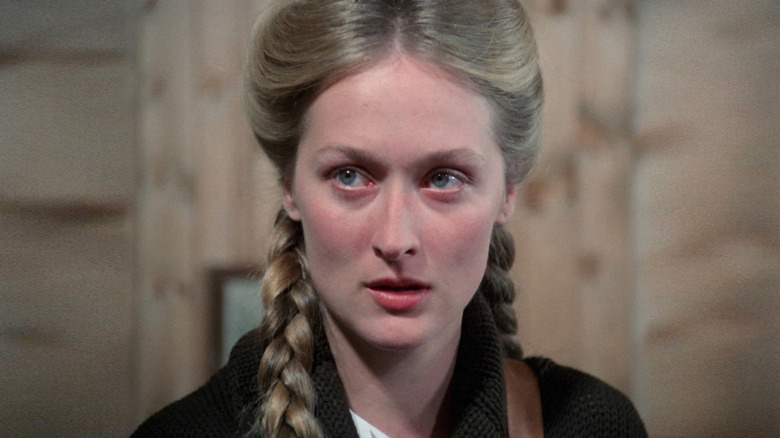
When it comes to prestige television, there are a few miniseries from the 1970s that defined the genre. One of them was "Roots," which was a national phenomenon, and another was "Holocaust." Aired over the course of five nights on NBC, "Holocaust" was event television at its most profound, starring all-star actors such as Rosemary Harris, Meryl Streep, and James Woods as members of a Jewish family in Berlin. As Hitler's regime cracks down and antisemitism goes on the rise, the Weiss family struggles to survive in a world that is growing increasingly hostile towards them.
"Holocaust" captured the attentions of not just American audiences, but viewers around the world, helping to frame the conversation about the Holocaust (and indeed, cementing the name of "the Holocaust" in the minds of the masses) decades after the war. It was viewed by over 100 million Americans at the time of broadcast, and earned both an Emmy for Outstanding Limited Series, as well as awards for three of its actors (Meryl Streep, Blanche Baker, and Michael Moriarty).
The Pillars of the Earth
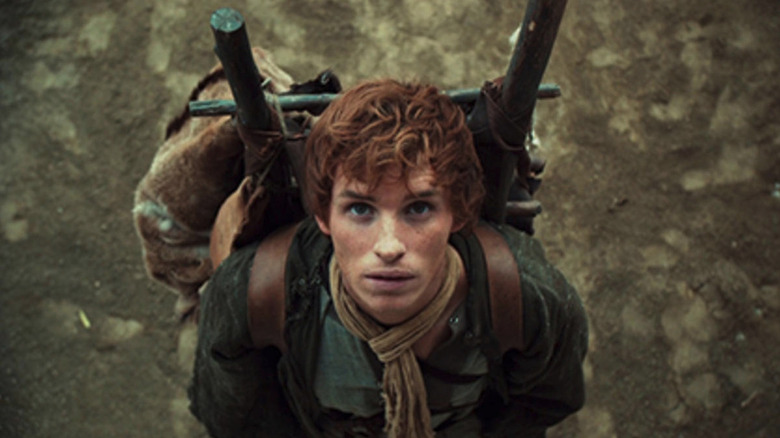
Ken Follett's historical novels have become immensely popular, and that's largely thanks to the phenomenal success of the first in his Kingsbridge series, "The Pillars of the Earth," which received a Starz miniseries adaptation in 2010. It revolves around a small town in England during the medieval era, and how the fortunes of its citizens rise and fall during the Anarchy (a period in which the late king's daughter Maude and his nephew Stephen fight for control of the country, with the crown changing hands multiple times).
Aside from the excellent world-building that Ken Follett is known for, "The Pillars of the Earth" succeeds on the strength of its large ensemble cast, which includes Ian McShane, Rufus Sewell, Eddie Redmayne, Hayley Atwell, Donald Sutherland, Sam Claflin, and many others. Although the show only lasts for eight episodes, it covers a vast amount of time, allowing viewers to watch the long-term development of this sleepy English village into a thriving cathedral town, as well as seeing the lives of the characters we've grown attached to play out over several decades.
Say Nothing
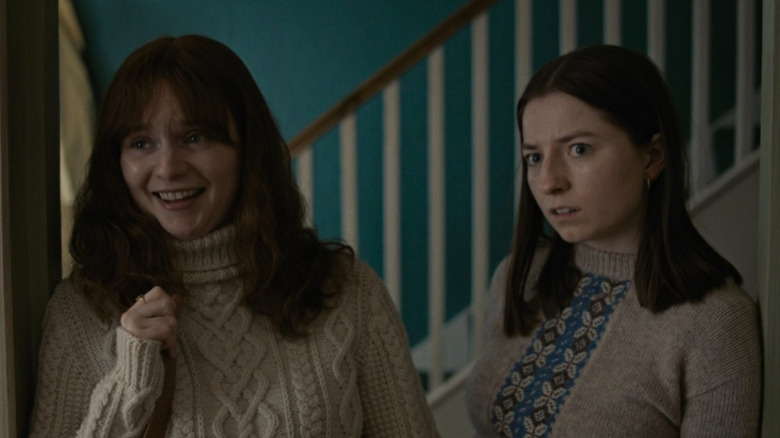
In recent TV history, the most memorable depiction of the Troubles in Ireland was on the teen comedy "Derry Girls," which paints an altogether rosier picture than what we see in "Say Nothing." Released on Hulu in 2024 and based on the book by Patrick Radden Keefe, "Say Nothing" takes place over the course of four decades in Northern Ireland, when violence between republicans and unionists during the Troubles was an ever-present threat. Set in Belfast, it details the lives of several individuals (both real and fictional) as they make their way through the turmoil of the conflict.
Keeping its focus on actual events, "Say Nothing" is a gripping, thought-provoking look at a complicated and very painful period in Irish history — one that has ripple effects that are still felt in Ireland today. While it ended up garnering some controversy — the real-life Marian Price disavows some of the actions of her on-screen self as inaccurate, ultimately leading her to sue Disney — it's nonetheless one of the most interesting historical miniseries in recent years.