

15 Best Years In Movie History, Ranked
What's the best year in movie history? That's a loaded question! Does it mean the year with the most good movies? The year with an outsized impact on the industry at large? The year when all the good movies succeeded at the box office and the bad ones flopped? Is it 1990 just because that's the year "Gremlins 2: The New Batch" was released?
We explored this quandary when ranking the 14 greatest years in horror history, but now we're applying it to filmmaking writ large, the whole shebang. For me, it's a confluence of a little bit of everything, but mostly it's about years when a high number of foundational, critically acclaimed, or truly audience-pleasing films were released. We're talking years so dense with movies that were immediately revered or, with time, are now considered classics, leaving you either pining for the days when we had it so good or realizing you never actually knew how good we had it. Great movies come out every year, but these years felt like nothing but great movies.
Here are the 15 best years in movie history, ranked.
15. 1927 - Metropolis, The Jazz Singer, and more
1927 is one of the most important years in modern cinema: The industry broke the sound barrier, forcing Hollywood to overhaul its day-to-day operations. "The Jazz Singer" hit theaters in October with synchronized songs and a few snatches of spoken dialogue, and within a few years, the silent era was over. The art form reached a brief zenith in its proto-form before being completely reimagined, leaving dozens of former silent stars struggling to keep up with the modern age.
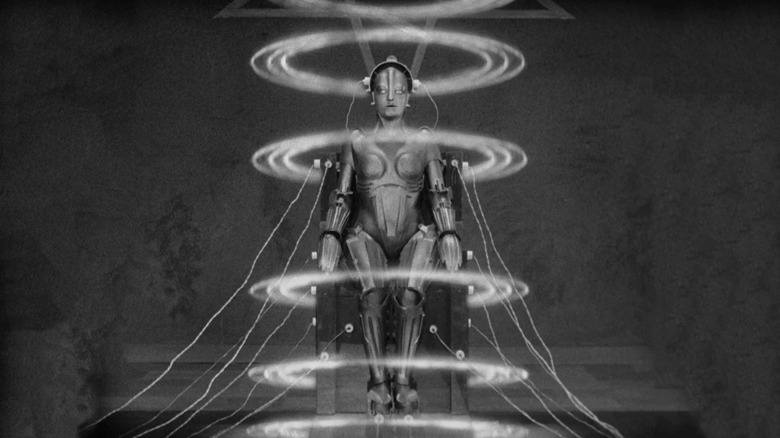
Those movies from the last gasp of the silent era show the pure innovation in visual storytelling. Fritz Lang made "Metropolis," one of the most influential sci-fi movies of all time, whose DNA you can trace to the very essence of modern-day sci-fi we're so familiar with. Meanwhile, Murnau's "Sunrise" is a swooning, fluid love story that won an Oscar in the odd category of "Unique and Artistic Production." "Wings" took home the first-ever Best Picture trophy, and Abel Gance's "Napoléon" offered viewers a sprawling epic of ingenious technical skill. These movies hold up just as well against a century of talkies that followed.
14. 1957 - 12 Angry Men, Bridge on the River Kwai, and more
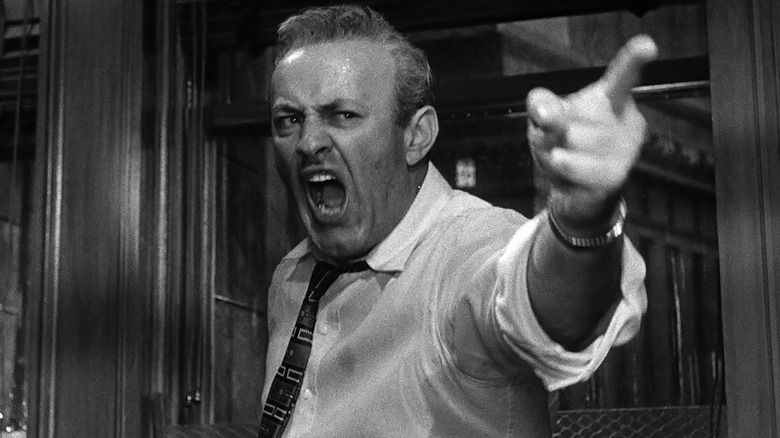
The movies of 1957 had a lot to say amid shifting cultural tides. Sidney Lumet made his feature debut with "12 Angry Men," a masterclass about sweaty jury room caught in an ethical quandary. But David Lean's sweeping WWII epic, "The Bridge on the River Kwai," was the one that took home seven Oscars, including Best Picture. Stanley Kubrick's "Paths of Glory" got no such love for its devastating portrait of military brass sending soldiers to die, but it remains one of the great war movies.
Then there's the international circuit. Ingmar Bergman's "The Seventh Seal" cemented his status as one of cinema's most existential brooders, pondering the grave unknowability of life and death in lush visual fashion — and he doubled up by releasing "Wild Strawberries" the same year. Akira Kurosawa remade "Macbeth" in feudal Japan with "Throne of Blood." Federico Fellini's "Nights of Cabiria" won the Oscar for Best Foreign Language Film, and I haven't even mentioned films like "Witness for the Prosecution" and "Sweet Smell of Success." The films of 1957 had a serious, sobering sensibility as they reckoned with the world around them, and they still resonate strongly.
13. 1939 - Gone with the Wind, The Wizard of Oz, Stagecoach, and more
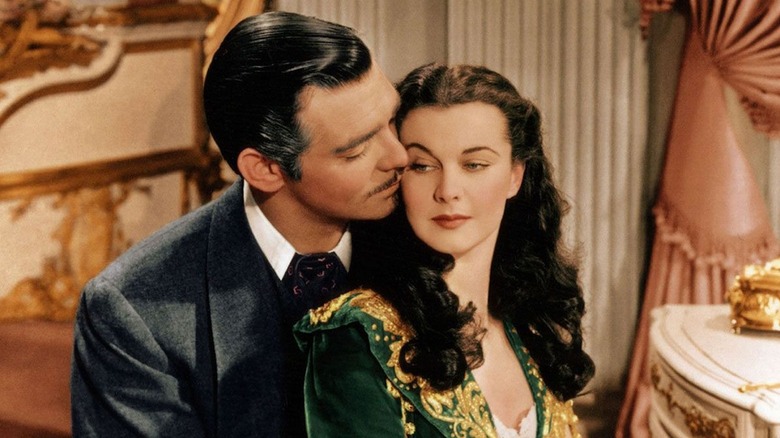
Many people consider 1939 the zenith of classic Hollywood. That's true, and the only reason it's so low is the sheer number of quality films the following years would offer. But the studio system was firing on every cylinder, with an absurdly great lineup of 10 Best Picture nominees at the Academy Awards. "Gone With the Wind" swept up eight competitive Oscars, including a historic win for Hattie McDaniel as the first Black performer to take home a statue. Victor Fleming got credit for it and "The Wizard of Oz," perhaps the ultimate cinematic classic for the ages.
Elsewhere, "Mr. Smith Goes to Washington" gave us James Stewart's exhausted, hoarse-voiced filibuster, and John Ford's "Stagecoach" minted John Wayne as a Western movie star. Howard Hawks' "Only Angels Have Wings" gave Cary Grant and Jean Arthur career highlights, and Ernst Lubitsch's "Ninotchka" is secretly one of classic Hollywood's greatest romcoms. Right before a globe-shattering war, the Golden Age was in an endlessly rewarding victory lap.
12. 1975 - Jaws, Dog Day Afternoon, and more
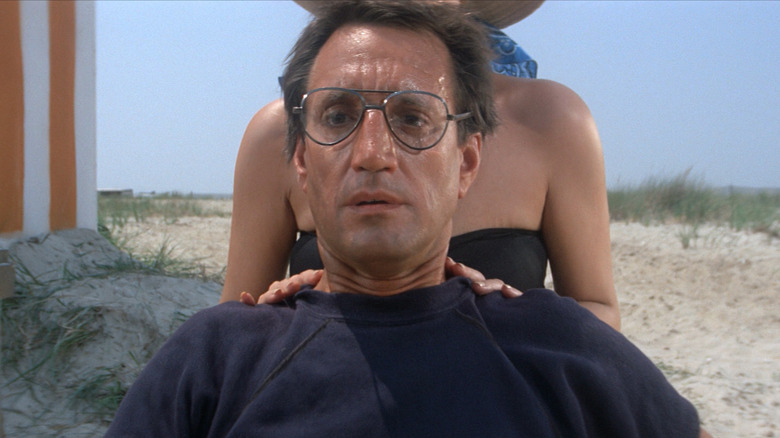
The blockbuster was born in 1975, and the era of New Hollywood brats was in full swing. Steven Spielberg's "Jaws" would forever change how the industry made and marketed spectacle-laden fare, and kick-start a franchise that ranges from garbage fire to masterpiece. "One Flew Over the Cuckoo's Nest" swept the Big Five Oscars and featured one of Jack Nicholson's most iconic performances. Sidney Lumet makes his second appearance on this list with "Dog Day Afternoon," which features Al Pacino as a sweaty, desperate bank robber trying to raise money for his partner's gender-reassignment surgery.
Elsewhere, things get more rarefied. Stanley Kubrick shot "Barry Lyndon" by pure candlelight with lenses originally developed for NASA, and the result is a movie that captures the essence of an epic, sprawling canvas hung in a museum. "Deep Red" is giallo at its most stylish, with Dario Argento's typically clever direction and a throbbing Goblin score. And Chantal Akerman's expansive 3-hour epic, "Jeanne Dielman, 23 quai du Commerce, 1080 Bruxelles," about a widow going through the quotidian motions, would go on to top Sight & Sound's poll of the greatest films ever made nearly 50 years later.
11. 1967 - The Graduate, In the Heat of the Night, Bonne & Clyde, and more
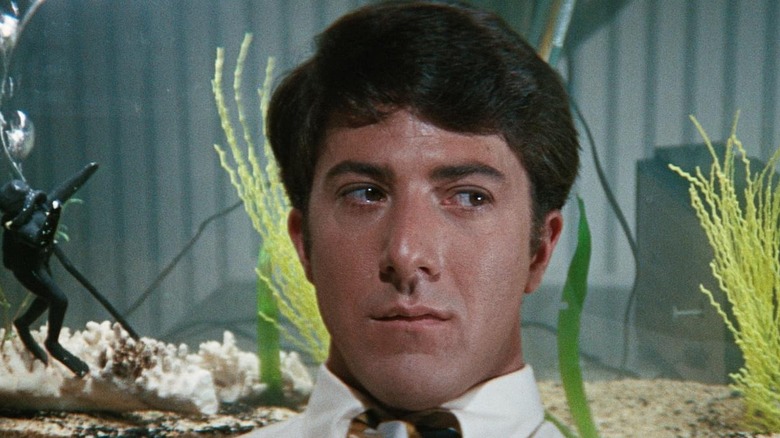
While 1975 was New Hollywood at its apex, 1967 kicked the door open, challenging the industry and audiences with new, provocative, sometimes raucous films that broke the old studio-system mold. Just look at that year's Best Picture field, where "In the Heat of the Night" won, but the Academy also nominated "Doctor Dolittle," epitomizing the clash of titans as the tides turned. In any case, "Bonnie and Clyde" or "The Graduate" probably should have won instead, with their bare-faced, candid challenges to accepted societal mores in the '60s making them bastions of new ideas about what stories you could tell on screen. If you want more of everything this movement kicked off, you should check out our list of the best New Hollywood movies you probably haven't seen.
Across the Atlantic, Catherine Deneuve lit up the movie screens, first in Luis Buñuel's "Belle de Jour," as a bored housewife living a secret double life, and then in Jacques Demy's candy colored "The Young Girls of Rochefort," where she twirls through a musical alongside her real-life sister, Françoise Dorléac. In 1967, cinema was rapidly developing new conventions.
10. 1982 - E.T. The Extra-Terrestrial, Blade Runner, and more
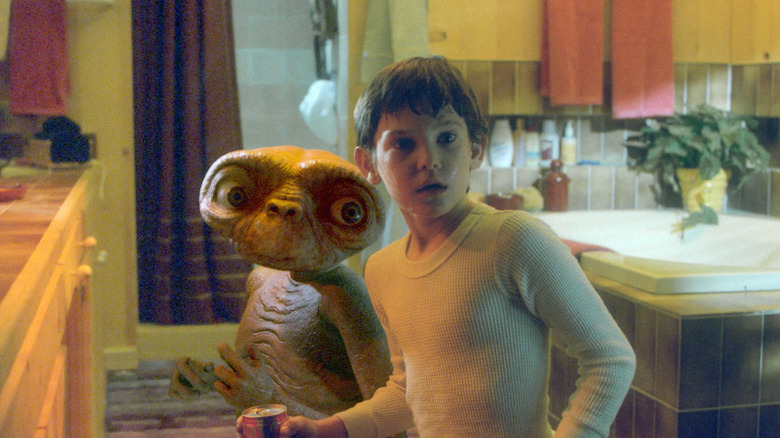
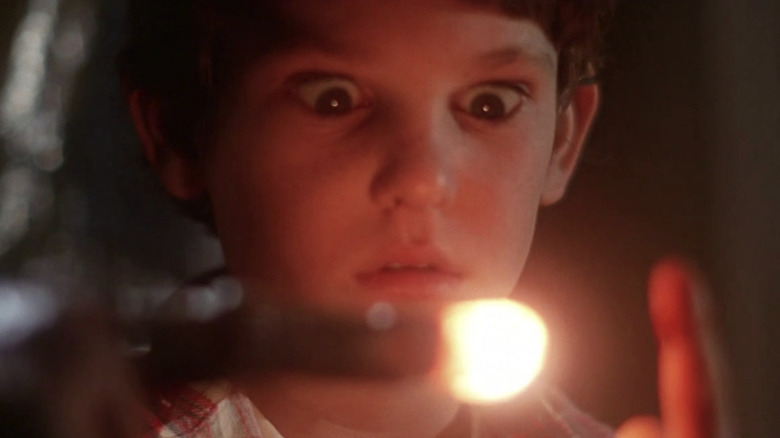
1982 was the year of genre-movie masterpieces that contemporary audiences largely ignored. Steven Spielberg owned the summer with his generation-defining "E.T.: The Extra-Terrestrial," while also producing "Poltergeist," Tobe Hooper's suburban shocker that people are convinced Speilberg ghost-directed. Meanwhile, "Blade Runner" and "The Thing" both crashed and burned at the box office, but both are now among the most influential sci-fi movies ever made — turns out plenty of genre-defining sci-fi barely impacts the box office. That includes "Tron," a landmark in computer imagery that kickstarted a franchise audiences across generations generally refuse to see in theaters.
1982 also introduced audiences to John Rambo in "First Blood," a movie about a haunted, wounded Vietnam Vet that became a franchise about Sylvester Stallone looking cool while shooting a gun. Martin Scorsese's "The King of Comedy" underperformed and was savaged by critics, but his acolytes now know it as one of his secret masterpieces. Jim Henson's beautiful puppet work made "The Dark Crystal" a defining Gen-X movie, Dario Argento kept delivering slick, bloody giallo with "Tenebre," and Ingmar Bergman released yet another three-hour domestic epic with "Fanny and Alexander" (actually five hours if you catch the television version).
9. 1995 - Heat, Se7en, Clueless, Toy Story, and more
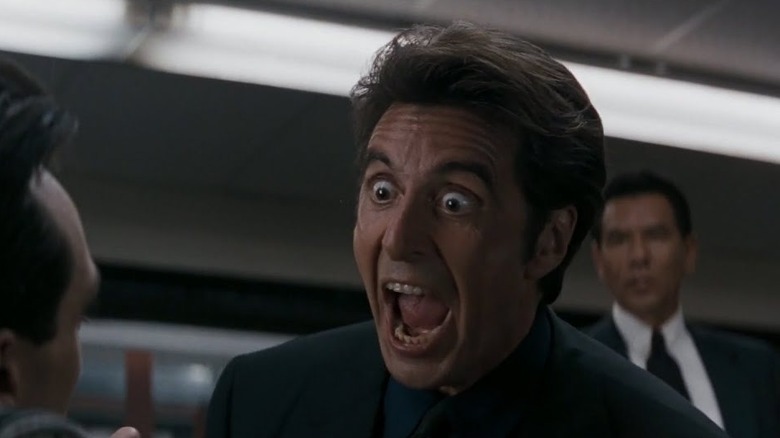
The market for adult-oriented Hollywood fare was never better than in the mid-'90s. Just look at "Heat," Michael Mann's crime epic that sets Robert De Niro and Al Pacino loose on an existential cat-and-mouse chase across L.A. David Fincher's gloriously nasty, grim "Se7en" took audiences on an apocalyptic journey of doom with Brad Pitt and Morgan Freeman. "The Usual Suspects" spawned a thousand twist-ending imitators; Ron Howard made one of his best films with "Apollo 13"; and Martin Scorsese went on a gangster-movie victory lap with "Casino."
Even the lighter popcorn and blockbuster fare was memorably stacked. This was the year Pierce Brosnan debuted as Bond in "GoldenEye," and also the year "Die Hard with a Vengeance" paired Bruce Willis with Samuel L. Jackson for the franchise's best sequel (as confirmed by our ranked list of the "Die Hard" franchise). You've also got "Crimson Tide," "Batman Forever," "Jumanji," and "Desperado," all with a certain level of impact, if you're from a certain generation of movie fans. Last but not least, you can't forget Amy Heckerling's farcical coming-of-age classic "Clueless," or "Toy Story," which redefined animation and launched a franchise.
8. 1977 - Star Wars, Suspiria, and more
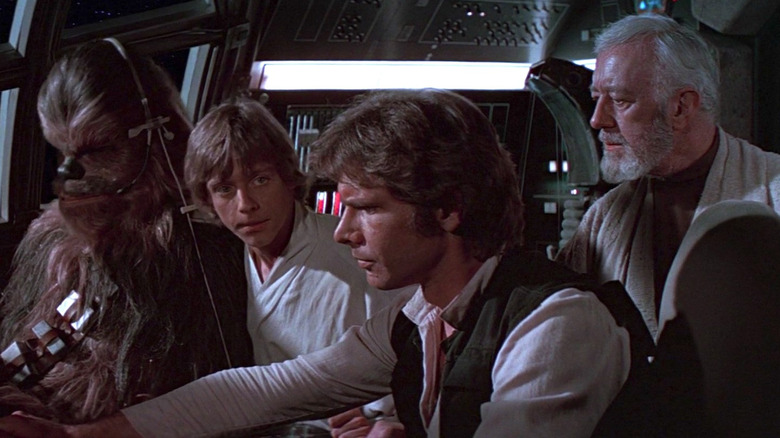
One little movie called "Star Wars" came out in 1977, which is probably justification enough for this year to be included. It's now 50 years later, and we're still feeling the ramifications of its cultural impact, both through the sustained "Star Wars" franchise universe of movies, games, merch, and more, and through its redefinition of what the cultural force of the blockbuster could look like. It's also part of why another 1977 masterpiece, William Friedkin's "Sorcerer," fell flat on its face but is now considered perhaps the last masterpiece of the declining New Hollywood era, despite its perfect storm of problems.
1977 horror also produced some weirdo masterpieces. Dario Argento adds another entry to this list with what many consider his opus, "Suspiria." David Lynch kickstarted his influential career of surrealist fever dreams with "Eraserhead," which began as a student production and became a regular-rotation midnight movie at repertory houses. Then there's Nobuhiko Obayashi's "House," a psychedelic Japanese haunted house movie where a man-eating piano is only the start of the truly batty imagery layered within.
7. 1987 - Predator, Scarface, The Princess Bride, and more
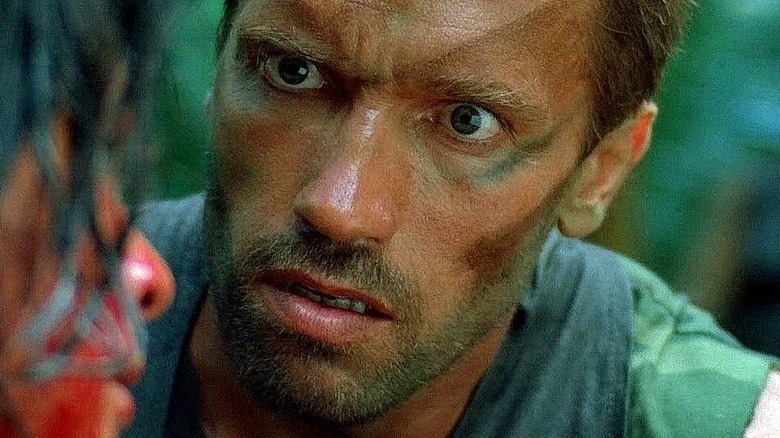
Dads of a certain age were eating well in 1987, a banner year for action and comedy flicks. Arnold Schwarzenegger kickstarted the still-ongoing sci-fi horror franchise with "Predator," which endures as one of the best movies of the '80s (and we've ranked the franchise if you want to see how the rest fares). Paul Verhoeven blasted audiences with a brutal, unforgiving satire of American policing and consumerism in "Robocop." Brian De Palma released his notable gangster movie before "Scarface" with "The Untouchables," and you also had "Full Metal Jacket," "Fatal Attraction," and "Wall Street."
But comedies are where '87 really shines. "The Princess Bride" is an iconic, farcical fantasia for anyone who grew up with it, and the Coen brothers made an early masterpiece with the Looney Tunes energy of "Raising Arizona." Then you've got "Planes, Trains, and Automobiles," "Good Morning, Vietnam," "Spaceballs," "The Witches of Eastwick," and even "Beverly Hills Cop II," cementing a year that was good for making audiences laugh.
6. 1974 - The Godfather Part II, Young Frankenstein, A Woman Under the Influence, and more
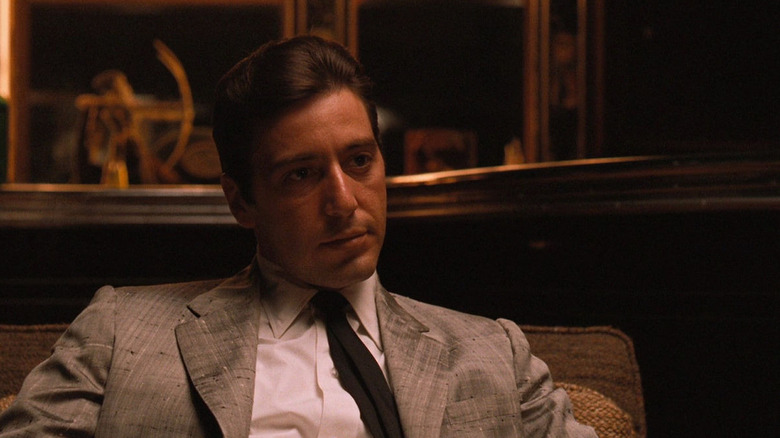
1974 is another high-water mark for the New Hollywood era, when filmmakers had total freedom and made grungy, bleak masterpieces that challenged the controlled order studios and producers had imposed on artistic visions. "The Godfather Part II" lived up to, and even surpassed, its predecessor's quality—and became one of only two sequels to win Best Picture. "Chinatown" presented an upsettingly nihilistic view of justice's viability in a legendary noir. You've also got another S-tier Francis Ford Coppola movie in "The Conversation," along with "A Woman Under the Influence," "Alice Doesn't Live Here Anymore," and the grimy, thrilling "The Taking of Pelham 123." Among this more serious fare, Tobe Hooper released one of the most visceral and upsetting horror movies ever made with "The Texas Chain Saw Massacre."
1974 also delivered elsewhere on the genre side of things: Mel Brooks released both "Blazing Saddles" and "Young Frankenstein," two of the decade's most iconic comedies. "Black Christmas" helped invent the modern slasher. Brian De Palma restaged "Phantom of the Opera" with a Faustian twist in "Phantom of the Paradise." Yes, '74 was a rich lineup of boundary-pushing filmmakers.
5. 1994 - Pulp Fiction, The Shawshank Redemption, The Lion King, and more
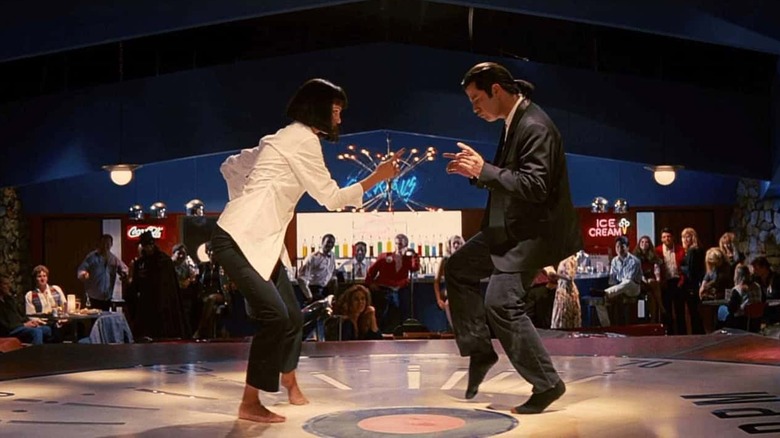
Hollywood crowd-pleasing instincts collided with the boom of mid-'90s indie filmmaking in 1994, to spectacular results. Quentin Tarantino's "Pulp Fiction" won Cannes' Palme d'Or and redefined the cultural conversation around movies for a young generation of movie fans. It lost Best Picture to "Forrest Gump," a colossal hit that remains a cultural lightning rod. It's also the year "The Shawshank Redemption" was born, and it has sat at the top of the IMDb Top 250 for decades. Disney's "The Lion King" became one of the biggest animated hits ever, and "Speed" is a tight and iconic Keanu Reeves action classic.
In the mid-budget and comedy range, you had the continued airport-novel-adaptation boom with "The Client" and "Clear and Present Danger." Jim Carrey pretty much owned the box office with "Ace Ventura: Pet Detective," "The Mask," and "Dumb & Dumber." You even had family staples that would end up on constant rotation in households, like "The Santa Clause" and "The Little Rascals." 1994 had something for everyone, which is what helps it stand out across a century of moviemaking.
4. 2001 - Lord of the Rings, Harry Potter, Shrek, Mulholland Drive, and more
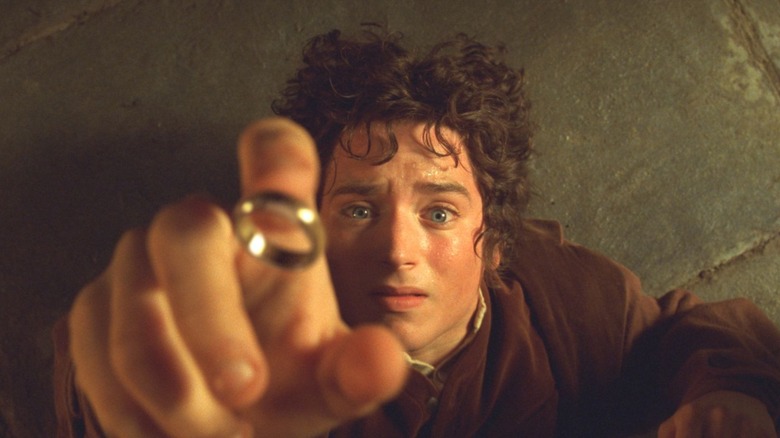
The modern blockbuster tentpole took shape in 2001, backed by real craft. Fantasy, in particular, was having a banner year, with "The Lord of the Rings: The Fellowship of the Ring" and "Harry Potter and the Sorcerer's Stone" each launching franchises that would define a generation of moviegoers. Animation was thriving too: "Shrek" became the first winner of the Best Animated Feature Oscar. It was also the year of Pixar's "Monsters, Inc.," and Hayao Miyazaki's "Spirited Away" is now championed as a breathtaking masterwork. And of course, "The Fast and the Furious," kickstarted a global franchise empire.
But 2001 had plenty of weird stuff, too. David Lynch's "Mulholland Drive" began as a canceled TV pilot and now sits near the top of many critics' lists of the best 21st-century films. "Donnie Darko" went through its rite of passage, flopping at the box office before becoming a midnight-movie staple in rep houses and living rooms. Steven Spielberg finished Stanley Kubrick's unrealized sci-fi tragedy "A.I.: Artificial Intelligence," one of his most underrated works and a high-ranking entry on our list of Spielberg's sci-fi movies. Plus, you've got "The Others," "The Royal Tenenbaums," "Ocean's Eleven," and "Legally Blonde."
3. 1971 - A Clockwork Orange, The French Connection, Harold & Maude, and more
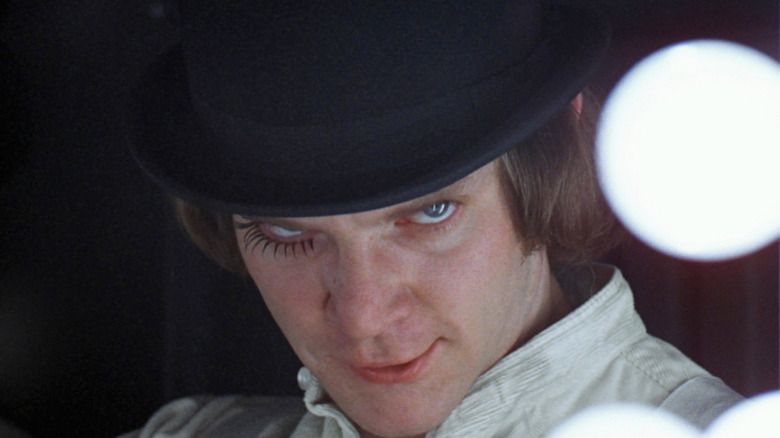
1971 was a fearless year for the New Hollywood auteurs, as filmmakers' bold visions came to life, and they got away with just about anything. That's how you have a year when Stanley Kubrick could release something as unsettlingly provocative as "A Clockwork Orange," or William Friedkin in a similar fashion with "The French Connection." There's also softer, more emotionally revealing titles, including Robert Altman's "McCabe & Mrs. Miller," Peter Bogdanovich's "The Last Picture Show," and Hal Ashby's oddball outsider romance "Harold and Maude." Plus, Steven Spielberg and George Lucas made their directorial debuts with "Duel" and "THX 1138," respectively.
But the gritty fare stood out. Clint Eastwood earned a new iconic role in "Dirty Harry," worked with director Don Siegel again on "The Beguiled," and made his directorial debut with "Play Misty For Me." Sam Peckinpah's "Straw Dogs" and Ken Russell's "The Devils" still touch nerves — they're movies you couldn't make today. "Wake in Fright" and "Walkabout" catalyzed an Australian New Wave, and "Sweet Sweetback's Baadasssss Song" and "Shaft" helped revolutionize Black-led cinema. We haven't even touched "Willy Wonka and the Chocolate Factory" or "A Touch of Zen." Great filmmaking was everywhere in 1971.
2. 2007 - No Country for Old Men, Zodiac, Juno, and more
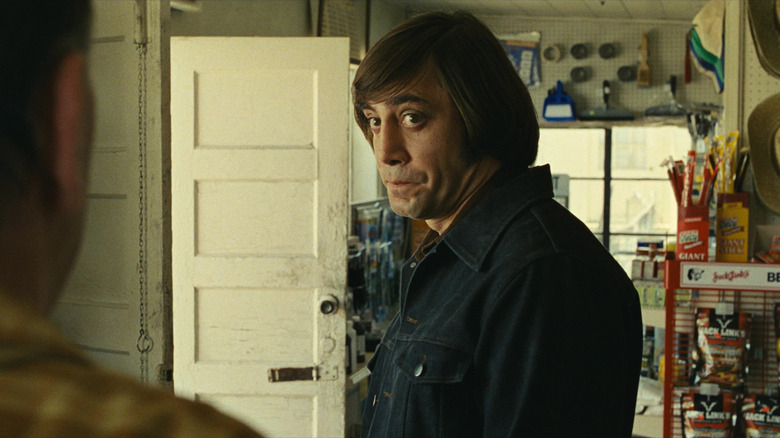
It's astonishing that what are now classic movies were all released in 2007, a 20-year span that makes this year stand out from the crowd. First and foremost, there's "No Country For Old Men," one of the best movies of the century, which finally won the Coen Brothers Best Picture. On the flip side, there's "There Will Be Blood," one of Paul Thomas Anderson's many masterpieces. David Fincher's "Zodiac" underperformed at the time but is now often considered perhaps his best work. Andrew Dominik's "The Assassination of Jesse James by the Coward Robert Ford" reconceives the Western as a hushed, gorgeous elegy. With "Michael Clayton" and "Juno" rounding out the Best Picture field, the Academy Awards were a murderer's row this year.
And then there are the other highlights: "3:10 to Yuma," "Hot Fuzz," "Superbad," "The Darjeeling Limited," and, of course, one of Pixar's funniest and most resonant films, "Ratatouille," which also kicked off the company's boldest and most daring phase of films. No year in the 21st century has topped 2007 in influence and richness of great cinema.
1. 1999 - The Matrix, The Sixth Sense, The Blair Witch Project, Office Space, and many more
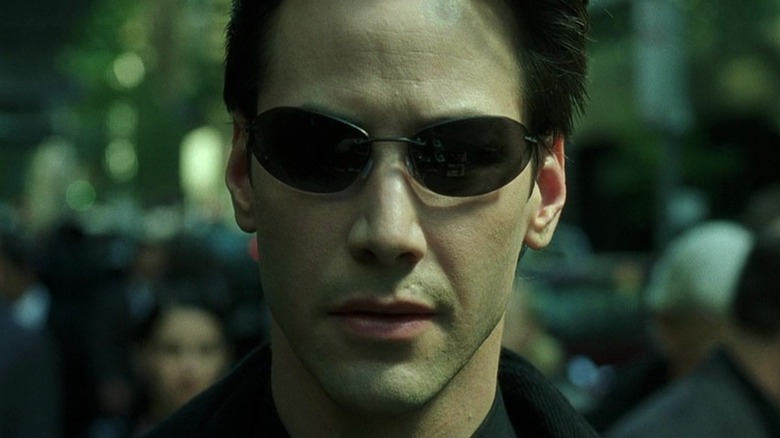
1999 is famously known as the great movie year, so it's no surprise it tops our list, but the release catalog is really just that insane. "The Matrix" completely rewired people's brains. "Fight Club" bombed at the box office before becoming a defining text of the DVD era. People dodged conversations about "The Sixth Sense" left and right to preserve the twist. "The Blair Witch Project" pioneered new internet-era movie marketing. "American Beauty" took over the adult drama market and went on to win Best Picture. Paul Thomas Anderson indulged himself with the sprawling and operatic "Magnolia." Stanley Kubrick's final film, "Eyes Wide Shut," arrived posthumously. Audiences uniformly tried to convince themselves they liked "Star Wars: The Phantom Menace," and Pixar earned praise for its first sequel, "Toy Story 2."
I don't know how else to fit the breadth of what came out this year in this without just listing it all: "The Virgin Suicides," "Election," "The Insider," "Bringing Out the Dead," "Ghost Dog: The Way of the Samurai," "The Straight Story," "Beau Travail," "Audition," "Office Space," "American Pie," "10 Things I Hate About You," "Dogma," and "South Park: Bigger, Longer, and Uncut." At the cusp of the new millennium, Hollywood, international studios, and indie filmmakers all around were making movies like it was the end of the world. Who knows if we'll ever have a year quite this stacked ever again.