

Whalefall Continues One Of 2026's Most Surprising (And Dark) Movie Trends
Spoilers for "Whalefall" follow.
Despite all our disparate individualities, there are several common experiences in life. One is death, loss, and the grief that it typically leads to. Due to their universality, these themes are part of the makeup of drama itself. As such, they turn up frequently; you'd be so hard pressed to find a calendar year in which a book, movie, or TV show didn't deal with this theme in some way. With all that said, there seems to be a surprising (and dark) trend occurring in the movies of 2026 which is a bit more specific than just grief persevering (to borrow a phrase).
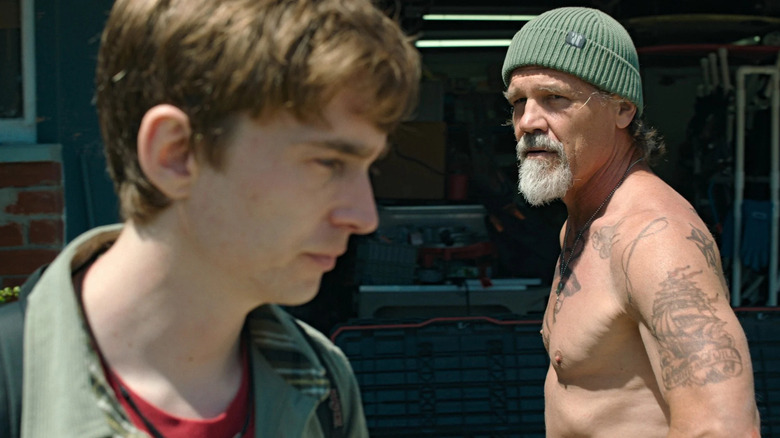
So many genre movies this year have involved the subject of the loss of a father, and more specifically a father whose relationship with their child or children is awkward at best, and wholly problematic at worst. This week's "Whalefall" falls into that latter camp, as it chronicles the layers of abuse, resentment, and tough love between Mitt Gardiner (Josh Brolin) and his son, Jay (Austin Abrams). These issues are large enough to be represented by something no less gigantic (and Biblical) than a whale who accidentally swallows Jay.
"Whalefall" is the latest in what appears to be a continuing trend of daddy issue genre movies. While this may all just be coincidence, it could also be a reflection of how many Gen X'ers, Elder Millennials, and outlying members of other generations are having to face the loss of their own parents now, as I did with my father earlier this year. Rather than being triggering, however, these themes turning up in some excellent genre films have really made me feel seen, and have helped immensely with my own grieving process.
The trend of dead dads isn't just about loss, but about reconciliation with the past
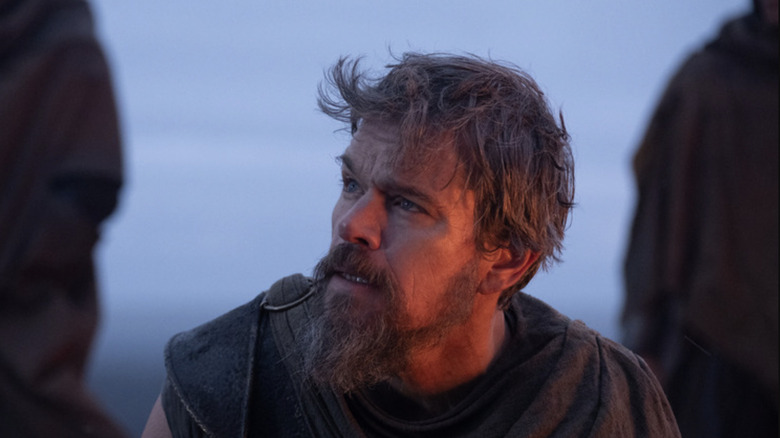
In "Whalefall," Jay's issues with Mitt are of course intensely personal. Yet through the film's genre conventions — a lot of survival thriller, a bit of sci-fi psychodrama — Jay begins to view the whale as a version of his father, with the two characters' voices becoming one. This expands the film's daddy issues theme into a larger, more existential idea about reconciling with the past in order to make way for a new future. This idea of the loss of the father representing the passing of an old world turns up in many movies released this year: "Greenland 2: Migration," "28 Years Later: The Bone Temple," "The Sheep Detectives," "Masters of the Universe," "The Death of Robin Hood," "Supergirl," and "The Rivals of Amziah King" can all be looked at through this lens.
Additionally, there've been genre movies released in the past year in which the patriarch is symbolically lost, only to return (albeit in a changed manner): "The End of Oak Street" and "The Odyssey," for example. Those two movies demonstrate how the trend isn't merely about the standard experience of grief and loss, and are more about how we're all being forced to process the rapid changes in the world around us, both cultural and political. In each of those examples, the characters must reconcile that their cushy, often idealized pasts are well and truly gone, and that the new world they're in is not going to go away. This is an extension of what the loss of a father means psychologically and spiritually: our guide has left us to fend for ourselves, and we must try to use their lessons (and mistakes) to build a new strategy to survive.
The genre films of 2026 help us deal with our flawed fathers
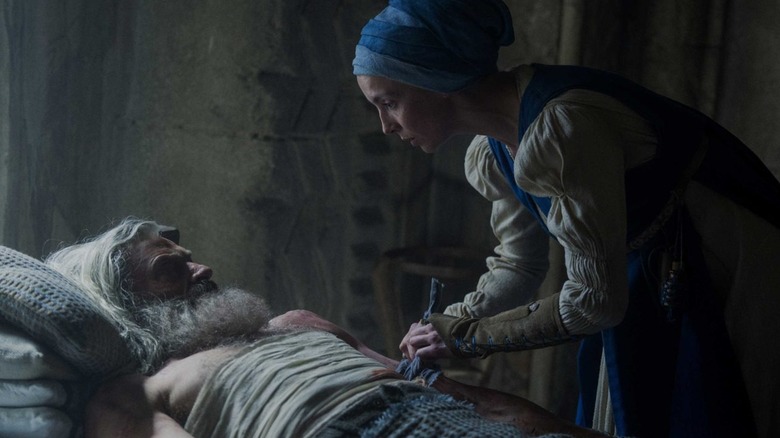
Mitt in "Whalefall" is an angry and broken man, leading to his mistreatment of his son. Yet his love for Jay is no less strong, which is what allows him to impart certain lessons which help Jay escape becoming a whale's dinner. Mitt is a multi-faceted character, and several other films this year have taken a deeper look at the flawed patriarch. Of course, this theme turns up in several horror movies such as "Hokum" and "Lee Cronin's The Mummy," in which the father figure is sometimes seen as something to be literally frightened of. It's certainly dealt with in "The Death of Robin Hood" and "The Sheep Detectives" (with both patriarchs played by Hugh Jackman, ironically), as the father figures are very much the "do as I say, and not as I have done" types.
As we head into the final few months of 2026, it seems like this trend is set to continue. I have yet to see "Avengers: Doomsday," but there could be an echo of this thematic angle in Robert Downey Jr., whose Tony Stark is essentially the father of the Marvel Cinematic Universe, turning up as Doctor Doom. The patriarch played by Aaron Taylor-Johnson in "Werwulf" appears to be a literal beast at times.
Of course, I'm still processing my reaction to my loss; right now it still doesn't feel completely real, and the process doesn't have a timetable to it. So I'll likely see reflections of my father on screen for the rest of my days. For now, though it has the verisimilitude of a shared phenomenon, which is very healing. Another example of why art is so necessary.