

10 Best '80s Movies Nobody Talks About Anymore
We may receive a commission on purchases made from links.
The 1980s seem like modern times, but they were actually four decades ago. That's almost half a century, people, and it turns out that none of us are as young as we like to think. It's not all doom and gloom, though, as we'll always have great movies from the 1980s, including some that nobody talks about anymore.
Now, to be clear, we're not referring to you. We know you talk about some of these movies all the time, but the rest of the world isn't nearly as hip to the hidden gems and forgotten favorites below. Some have been overshadowed by other films from the same stars, others have simply grown out of favor over the years, and a few have inexplicably been neglected by those in charge of making home video decisions. The important thing is that we're talking about them now.
So keep reading for a look at 10 of the best '80s movies that nobody talks about anymore.
Hopscotch
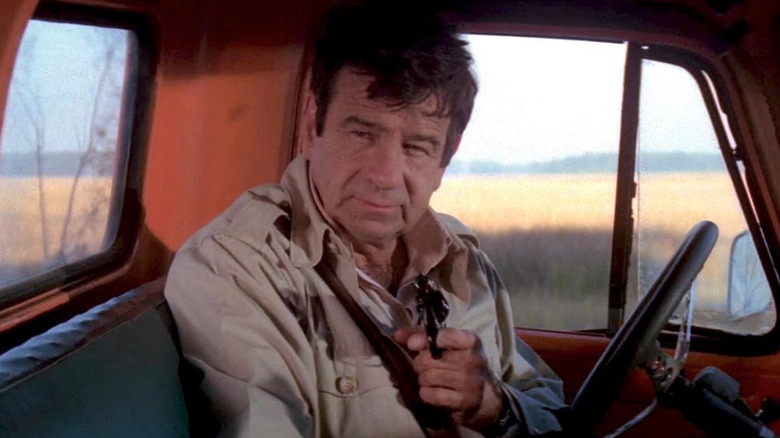
Miles Kendig (Walter Matthau) is a veteran agent with the Central Intelligence Agency, but a choice made in the field leaves him reassigned to desk duty. He quits instead and decides to write a tell-all book about his time in the CIA, but the agency does not take kindly to the idea.
Matthau's Hollywood career lasted nearly half a century with two notable high points. The first is his unforgettable run through the 1960s and 1970s with classic films like "The Odd Couple," "A New Leaf," "The Taking of Pelham One Two Three," and more. The second arrived in his final decade of life as he enjoyed a comedic resurgence with films like "Dennis the Menace" and "Grumpy Old Men" — the latter of which featured a long overdue reunion between Matthau and Jack Lemmon. Most people would be hard-pressed to recall a highlight of his from the decade in between, and that makes 1980's "Hopscotch" a terrifically entertaining find that hasn't gotten the love it deserves.
The film is a globe-hopping adventure that sees Miles moving between Germany, the United States, Bermuda, and the UK with both American and Soviet agents on his tail. Matthau's charm and wit shine through it all, as the film bounces between spy shenanigans and romantic comedy antics, and it's a great reminder that our movie stars didn't always have to be traditionally (generically) handsome or beautiful. Matthau has charisma for days, and the film is an endlessly fun romp worthy of rediscovery. Side note, "Hopscotch" is actually based on a novel by Brian Garfield who, of course, is best known as the author of "Death Wish."
Body Heat
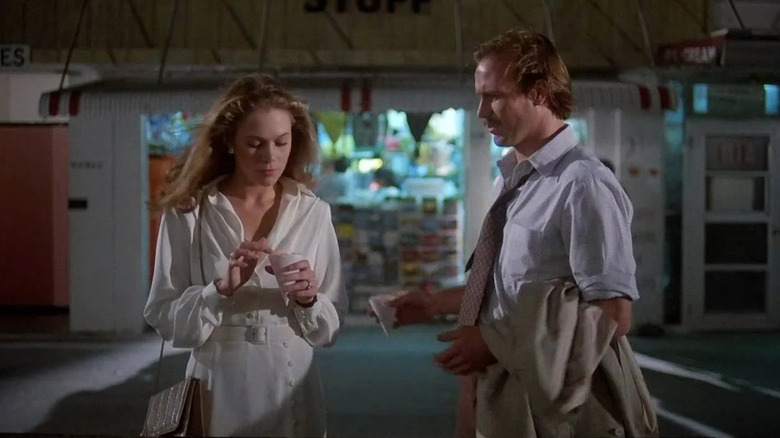
A lawyer (William Hurt) with questionable morals and a married woman (Kathleen Turner) with an extremely wealthy husband begin a steamy affair. What starts as a lusty tryst, though, soon reaches its sweaty limbs towards an act of murder.
It seems we can't go more than a few months without the question being raised loudly on social media as to the necessity of sex scenes. The answer, as it is with most things when it comes to art, is that you should simply consume what you like while letting others enjoy what they like. We bring up this conversation because Lawrence Kasdan's "Body Heat" is arguably one of the sexiest, sex-focused movies to ever come out of Hollywood. Ned (Hurt) and Mattie (Turner) aren't good people, necessarily, but they sure are having a good time together, both with and without clothes. More importantly, all of their time spent getting physical with each other is absolutely integral to the story being told.
This was Kasdan's first feature film as director, and he came out of the gate swinging with the biggest and best of them. "Body Heat" is a perfect noir, modernized by its inclusion of nudity and extremely spicy sex scenes, but it's also every bit the twisty, atmospheric descendant of films like "Double Indemnity" and "The Postman Always Rings Twice" — both of which made our list of the best film noirs. Kasdan's script is incredibly sharp, and both Hurt and Turner deliver performances that leave you believing their feelings for each other even with the plot's eventual betrayals. Be a hero, and show this movie to the Gen Z people in your life.
Strange Brew
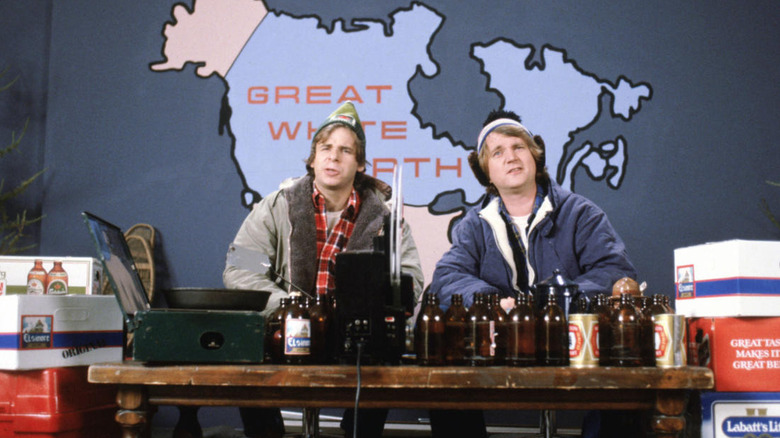
The McKenzie brothers, Bob (Rick Moranis) and Doug (Dave Thomas), simply want some free beer. A scam to accomplish that goal instead lands them jobs at Elsinore Brewery, and it's not long before they discover that the brewery's Brewmeister Smith (Max Von Sydow) is murdering his way towards a mad plan for world domination through tainted beer.
If you think the plot synopsis makes little to no sense, just wait until you watch the actual movie. "Strange Brew" may be very, very loosely inspired by Shakespeare's "Hamlet" — you'd probably be surprised just how many of your favorite films are actually based on the Bard's plays — but that doesn't stop it from being utterly ridiculous from start to finish. The script feels half-improvised, but all of it works to deliver pure, unfiltered Canadian comedy straight into your veins. Wordplay, visual gags, and the inarguable comedic brilliance of both Moranis and Thomas (who originated the characters in Second City's "SCTV" series) make for an unforgettably funny descent into madness.
The odds of someone watching "Strange Brew" for the first time today and absolutely loving it seem slim, given its high percentage of nonsense, but many of you saw it and loved it as pre-teens and are grossly overdue for a rewatch. The dialogue is endlessly quotable, the gags are constantly surprising, there's some unexpectedly fun action, and it's always a genuine joy seeing Moranis onscreen. He gets a lead role here, one that helps land the film pretty high on our list of Moranis' best films, and he is clearly having an incredibly enjoyable time. Settle in with friends, a beer or three, and an open mind, and you're guaranteed to laugh.
Mike's Murder
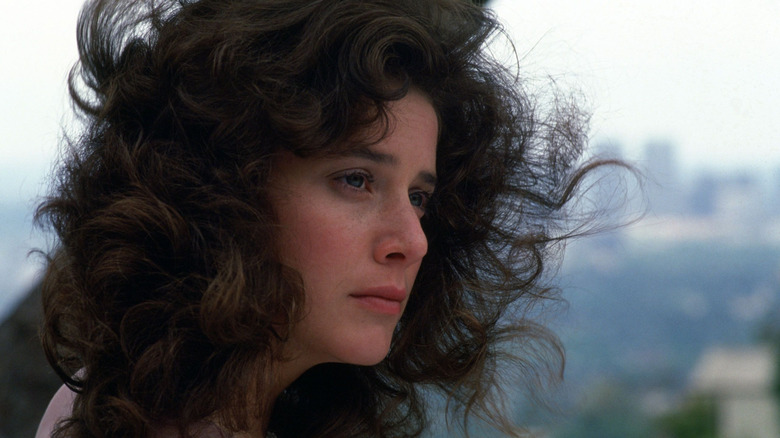
Dating is hard everywhere, but it's especially tough in a city like Los Angeles. Betty (Debra Winger) knows this to be true, but her first date with a tennis instructor named Mike (Mark Keyloun) suggests the grind might be over. A second date never materializes, though, despite plans and flirting over the phone, and Betty is determined to find out why.
There's a neo-noirish feel to writer/director James Bridges' 1984 film, "Mike's Murder," but it's atypical for more than a few reasons. Chief among them is the presence of a female solo lead, a rarity for the noir genre, and Winger absolutely mesmerizes as a woman unable to let go and leave questions unanswered. It didn't make our list of the best neo-noirs, but it arguably deserved a spot, given its masterful tale of loneliness and regret against a backdrop of criminal deeds and deception.
There's a mystery element, of sorts, to the film, but it rarely feels like the priority as we're instead on a journey of discovery with Betty. Yes, she's looking to discover the truth behind Mike's disappearance, but we already know the gist of the answer — thanks in part to the title itself — and we're instead fully engaged by Winger's performance and her character's journey. It's a sad journey, to be sure, but it's one that leaves our protagonist stronger, wiser, and better off than she was before. Dating is tough, but living can be even harder.
Lost in America
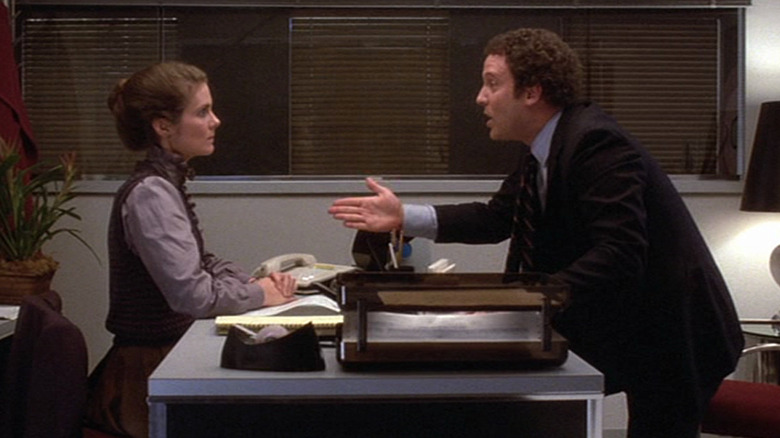
It's not always wise to take life lessons from the movies, and that's something David (Albert Brooks) and Linda Howard (Julie Hagerty) realize far too late. They've taken a page from "Easy Rider" and quit their jobs, sold all their belongings, and hit the open road in a new RV with their financial nest egg in the form of cash. Their first stop is Las Vegas, and that is... unfortunate for their nest egg.
"Defending Your Life" might be writer/director Brooks' best film, but "Lost in America" is a close second. Just as his characters do, Brooks takes inspiration from counter-culture films from the 1960s as a window into the lives and aspirations of modern-day adults. The Howards are doing everything right — according to societal standards — and you can't help but admire their bold, adventurous spirit even if it does lead to a comedy of errors as the couple tries to navigate the loss of their nest egg ending in a hilarious encounter with Garry Marshall.
Brooks is his time-tested, pitch-perfect neurotic with a precise plan that's guaranteed to fail if even the slightest part goes off the rails, and he is hilarious as that inevitable wreck ensues. He's a master of making self-doubt and nervousness seem both funny and endearing, and Hagerty is a brilliant foil for that inflated negativity. She's every bit his comedic equal as her innocence and bubbly naivete combat him at every turn. "Lost in America" is a brilliant comedy about relationships, unachievable dreams, and the promise that the grass is always greener down the road.
Jean de Florette
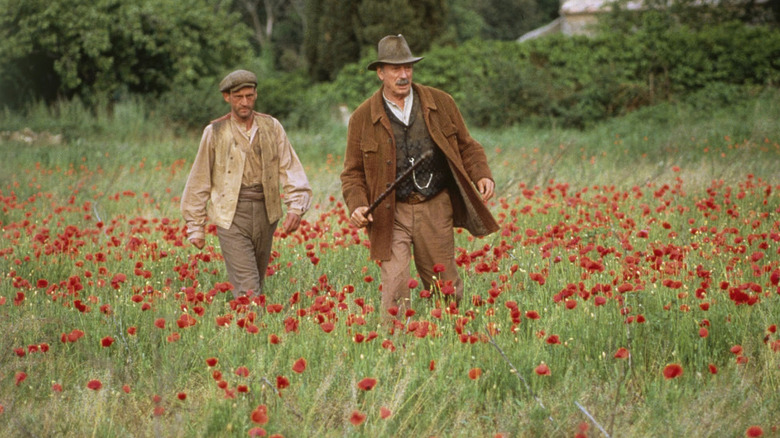
Jean (Gerard Depardieu) moves his wife and young daughter to rural Provence after inheriting a plot of land from his mother, but his plans to make a life there hit an obstacle in the greed of his neighbors. Ugolin (Daniel Auteuil) and Cesar (Yves Montand) are nearby farmers who want the land for themselves, and they're willing to do anything to make that happen.
Claude Berri's "Jean de Florette" was a minor hit here in the U.S. back in 1987 — a major accomplishment for a non-English, non-genre film — and it remains an incredibly effective tale of persistence, greed, and human nature. It remains terrifically compelling, too, something that's all the more impressive given its reliance on character, performance, landscape, and an unavoidably depressing narrative. It's not fun, but it is a beautiful, haunting, engaging film.
All three of the leads do excellent work here starting with Depardieu's hunchbacked Jean. His optimism and naïveté make him easy prey for the other two men, but it's no less of a tragedy for that inevitability. His struggle is as inspiring as it is heartbreaking, and when the end comes, it does so with a righteous fury both onscreen in the scream of Jean's daughter and offscreen in the viewer's need for justice. Happily, both are satiated by the film's sequel, "Manon of the Spring," which was shot simultaneously and is every bit as gorgeous and satisfying. Set aside four hours and treat yourself to an unforgettable double feature from France.
When the Wind Blows
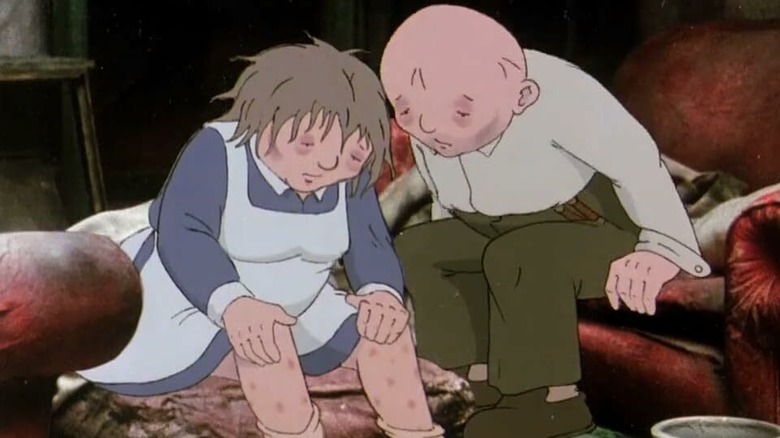
War is brewing between the Western Allies and the Soviet Union, and there's a worry that it might take the nuclear route. Jim and Hilda (voiced by John Mills and Peggy Ashcroft) are a long-married couple with complete faith in their government and their god, but when the nuclear blast hits and fallout covers the countryside, that faith is set to be challenged.
Every generation has their own mutually accepted fears, but ones from the 1980s just hit different. It's difficult to appreciate if you didn't grow up then, but those of us that did can remember some very distinct threats to our lives. If quicksand and killer bees didn't get you, razored Halloween candy surely would — and if all else failed, there was a chance you'd die in a nuclear war with the Russians. Films like "The Day After" and "Threads" brought that last reality to vivid life, but Jimmy T. Murakami's "When the Wind Blows" was arguably even more devastating as it delivered those emotional horrors in the deceptive guise of an animated feature.
Writer Raymond Briggs, best known for the children's book "The Snowman," crafts a soul-crushing tale of futility in the face of weaponry that should never have been allowed to exist. Jim and Hilda are an oblivious British couple who expect law and order even in the face of chaos, and their refusal to think beyond that expectation leads them down a painful path. This is a bleak commentary on the kind of people who lead society to the brink through their lack of curiosity, education, and empathy, and Murakami's animation blends various styles to tell a sad story through unique visuals resulting in an unforgettable watch. It didn't make our list of the best animated movies ever, but it's still worth seeking out.
Anguish
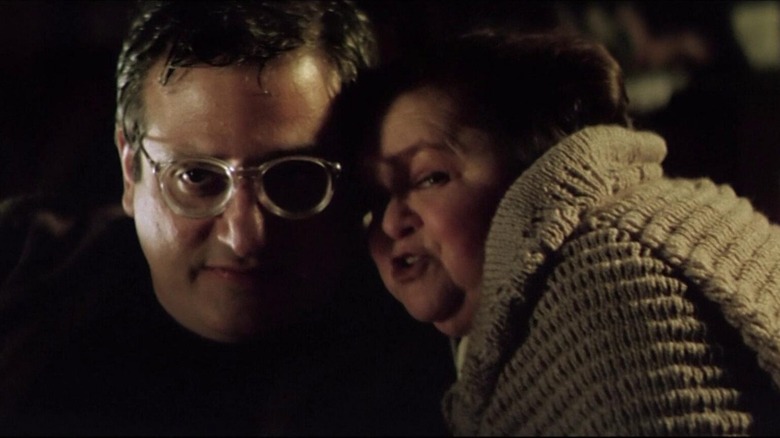
John (Michael Lerner) is a disturbed man with an even more mentally imbalanced mother (Zelda Rubinstein) who compels him to murder people and bring her their eyeballs. This is revealed to be a movie playing on a theater's screen, but soon the audience finds themselves targeted by a madman of their own.
While it may not technically be a crime, it seems particularly egregious that Bigas Luna's late 80s genre gem, "Anguish," remains conspicuously unavailable on home media. The film is a genuinely creepy look at obsession, violence, and a particularly unhealthy relationship between a mother and her son, and both Lerner and Rubinstein give wonderfully over the top performances that nail the vibe and enhance the atmosphere. Every element, from those performances to the movie theater setting, is designed to keep viewers slightly off kilter, and the result is a beautiful nightmare for horror fans.
The film within a film aspect is especially well-crafted, as are the story's additional twists, and it does more than simply act as cheap thrills. There's a method to Luna's madness, and his main motivation is a love letter of sorts to the communal experience of experiencing a horror film in the theater. The line blurs between where the film onscreen stops and the "real" world begins, and it makes for an exciting, surprising, and extremely fun descent into terror that's deserving of many, many more eyeballs. It's also a fairly bloody and gory little film, so maybe take that into consideration before you share it with your mother.
Casualties of War
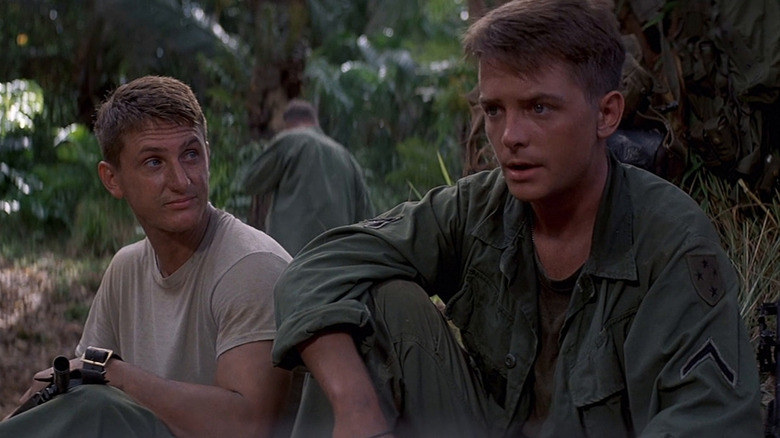
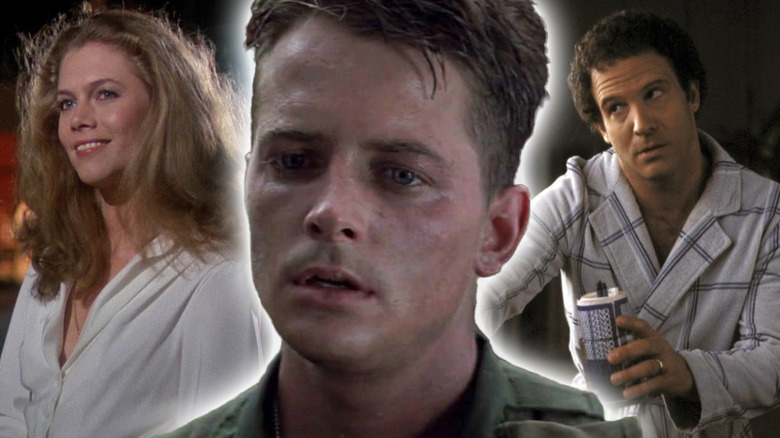
The Vietnam War rages on, and there are no winners. Private Eriksson (Michael J. Fox) doesn't quite fit in with the other soldiers, and that's evident in his refusal to participate in a planned assault on a young Vietnamese woman. Sergeant Meserve (Sean Penn) and his men treat Eriksson as a threat, and the pressure on him to sweep it under the rug of war grows.
It might not rank very high on our list of Brian De Palma's films, but "Casualties of War" remains one of the director's best efforts all the same. It's an incredibly intense, horrifying, and ugly depiction of war that captures how out of place the U.S. was in that conflict. We were uninvited guests, but even worse, we trashed the place and its people before finally up and leaving having accomplished absolutely nothing of note. The film, based on a haunting true story, makes the point that there are good people and bad people, but it's the easily swayed masses in the middle who can ultimately turn the tide.
This is a grim film that thrills even as it leaves you outraged, and its power comes in a big way from its performances. It wasn't Fox's first dramatic role, but it was definitely his darkest, and his nice guy persona is slowly suffocated by his character's anger, helplessness, and regret. Just as compelling on the flip side of things is Penn's monster of a man whose callousness and lack of humanity is absolutely horrifying. John C. Reilly, John Leguizamo, Ving Rhames, Wendell Pierce, and more familiar faces help bring the real-life nightmare home.
Dead Bang
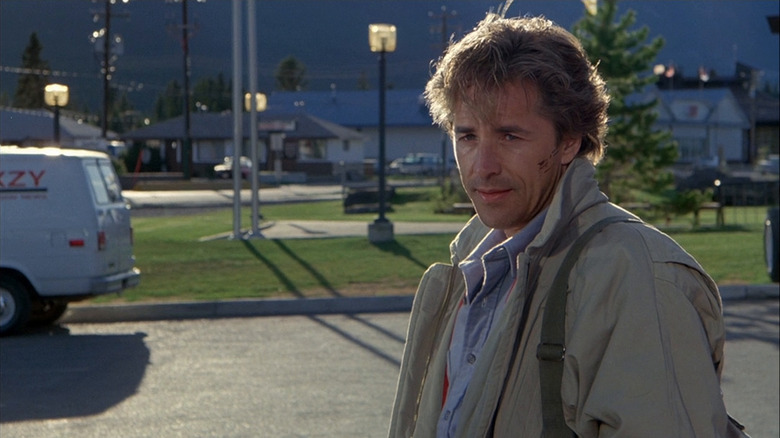
An armed robbery leaves two men dead, and Detective Jerry Beck (Don Johnson) is assigned to the case. He's an alcoholic with anger issues, but he's also motivated after discovering that a group of white supremacists are connected to the killer. At odds with both his own department and the F.B.I. agents attached to the case, Beck plows headfirst into the pit of racists.
"Dead Bang" is another film that has been inexplicably mistreated on home video, but it's absolutely worth seeking out for Johnson's hairstyle choice alone. The actor permed it to look more like the real cop his character's based on, and the fluctuating results add an extra layer of enjoyment. The film itself is also hugely entertaining as Johnson's portrayal of a mess of a man is free of vanity and devoid of cool — he's a walking disaster, and Johnson commits without making his struggle a joke. Beck becomes a terrifically compelling character at the center of a dark, and unfortunately relevant, story.
The action and set pieces here are top notch thanks in large part to the presence of veteran filmmaker John Frankenheimer in the director's chair. He was a longtime fixture in Hollywood as evidenced by one of his films also appearing on our list of the best '60s movies that no one talks about anymore. It's crisp and exiting stuff, and there's a genuine satisfaction in seeing these villains dealt with in the only way they deserve. The end result is a terrific action/thriller deserving a much wider audience.