

Daredevil Is Marvel's Darkest Superhero — But This Comic Finally Made Him Fun
We may receive a commission on purchases made from links.
The Marvel Comics universe has a few paragons like Captain America or Thor, but most of its superheroes are more human — for better or worse. The Hulk is a tragic monster in the vein of "Frankenstein," while Moon Knight, Wolverine, and Daredevil can be as violent as any villain. Daredevil in particular is Marvel's darkest superhero, thanks to Frank Miller's run on "Daredevil" in the 1980s, which overhauled the book into gritty noir pulp.
Matt Murdock's life is often a trainwreck and he's a man of numerous hypocrisies; a lawyer who takes the law into his own hands, and a Catholic who puts the fear of the Devil in people instead of turning the other cheek (as "Daredevil" writer Chip Zdarsky has put it). Only the Punisher rivals Daredevil's darkness, and it's up for debate whether Frank Castle truly counts as a superhero.
Later "Daredevil" runs like Ann Nocenti's or Brian Michael Bendis' take after Miller, continually putting Matt through the ringer. Matt's secret identity has been leaked, he's gone to prison, he's continued to lose more and more of the women who he loved, etc. But there is one modern "Daredevil" run that changed course.
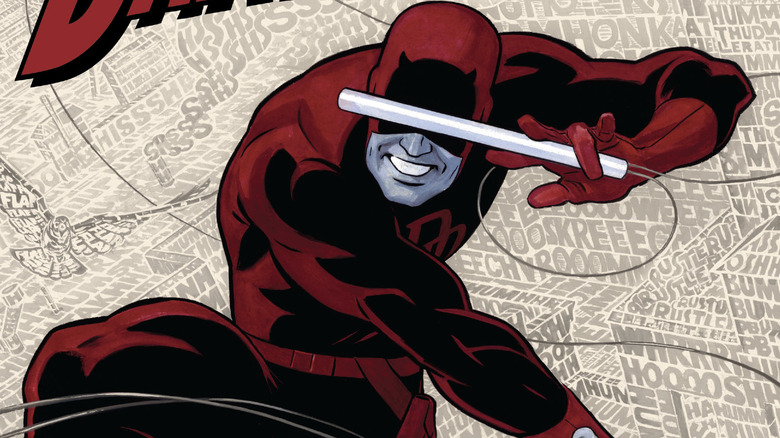
When Mark Waid began writing "Daredevil" in 2011, he decided it was time for some fun. Waid's pitch, published in "Daredevil" #1, summarized the new outlook he gave to Daredevil:
"[Daredevil is] the only Marvel hero who lives totally in the moment. He's been through enough agony to have confidence that nothing will break him and (more importantly) that no pain lasts forever. He's the Man Without Fear not just because he'll dive off a skyscraper, but because he genuinely believes that after all he's been through, there's nothing unimaginable left."
Waid's "Daredevil" is about a man choosing to enjoy life.
Mark Waid turned Daredevil from a grim vigilante back into a swashbuckler
Stan Lee and Bill Everett debuted Daredevil in 1964 as another hero in the vein of Spider-Man — which left Daredevil in the webslinger's shadow until Miller came along. But unlike practically every other "Daredevil" writer since the 1980s, Mark Waid is pulling from the pre-Frank Miller "Daredevil" stories in the 1960s and 1970s.
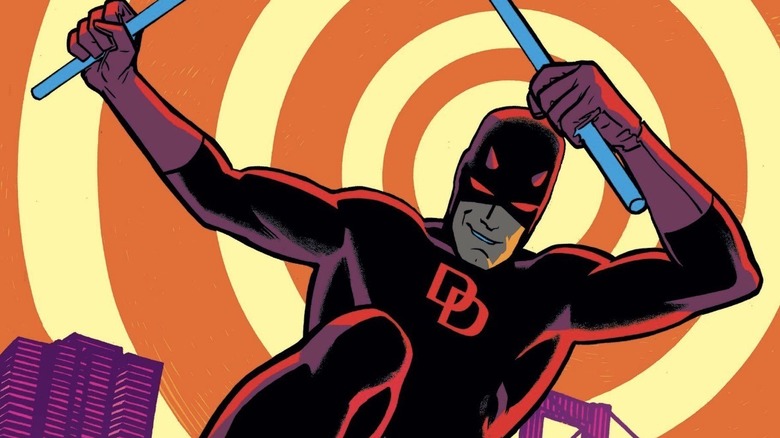
The very first issue of Waid's "Daredevil" run (drawn by Paolo Rivera and Marcos Martin) features Daredevil crashing a mob wedding and stealing a kiss from the bride. Matt is having the time of his life being a hero, instead of moping about with his martyr complex like he was in previous runs. Catholic guilt became a defining theme of Daredevil's character thanks to Miller, but that largely takes a back seat here.
Miller made the Kingpin of Crime into Daredevil's nemesis, but in Waid's "Daredevil," Matt fights goofier super-villains like Mole Man and the Spot rather than gangsters. Miller creation Elektra, Daredevil's ninja assassin lover, also rarely shows up. When she does appear in issue #35, Elektra even says Matt seems different than he usually does — more "jocular."
Waid introduces a new love interest for Matt: Assistant District Attorney Kirsten McDuffie. She is not a tortured woman but has a more classical "bickering belies sexual tension" dynamic with Matt.
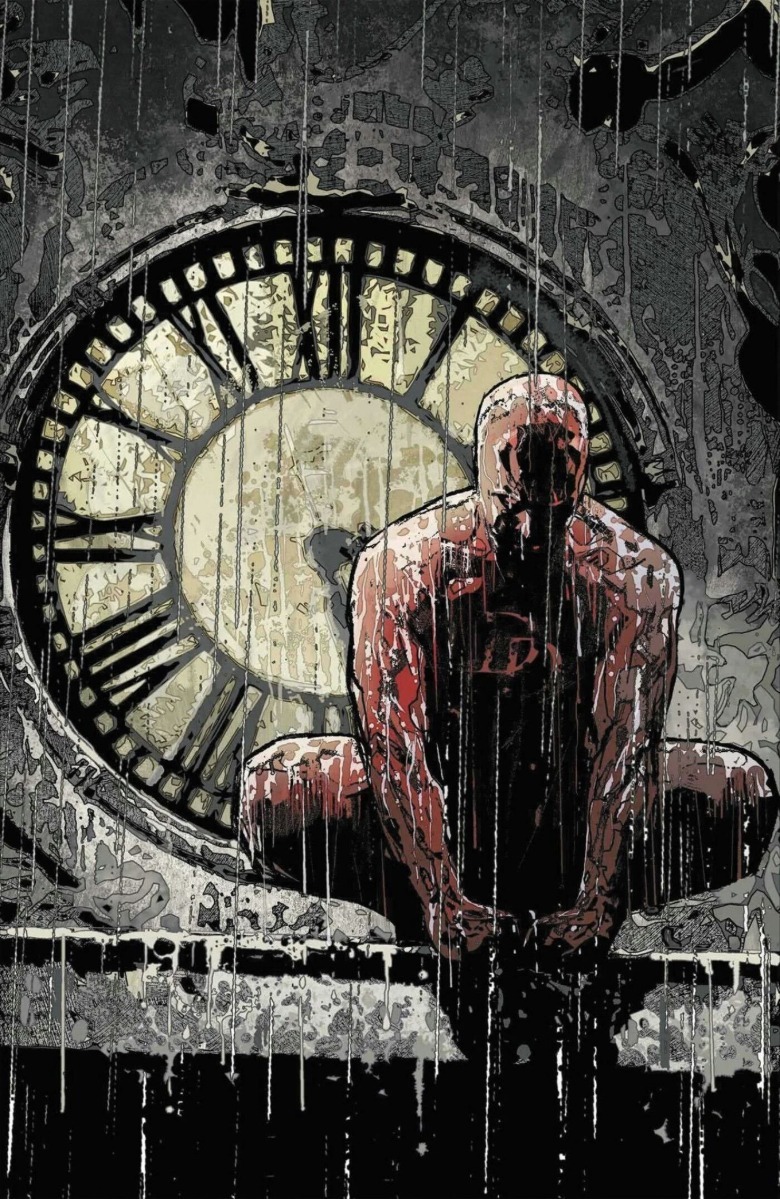
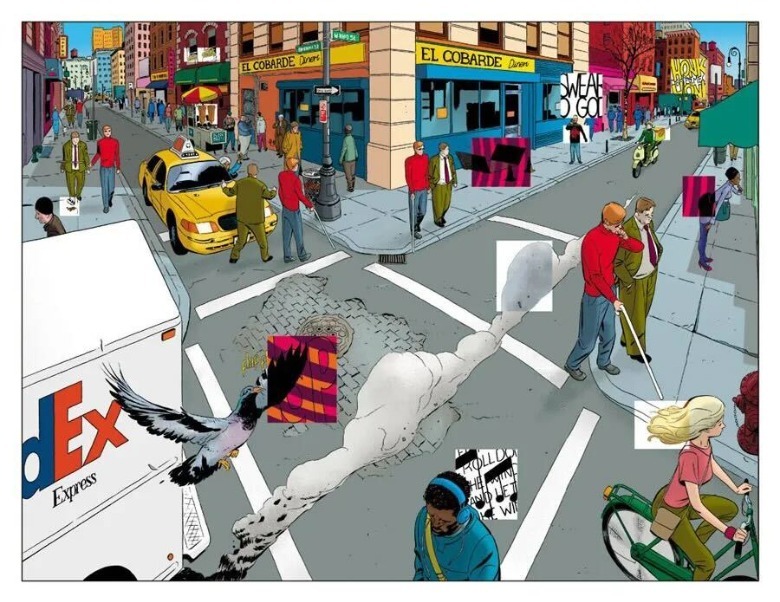
Of course, a comic's art is even more vital in mood-setting than the words are. In the 2000s, acclaimed "Daredevil" artist Alex Maleev gave the book a style of dark shadows, scratchy pencilling, and backgrounds with photorealistic detail.
 Marvel Comics
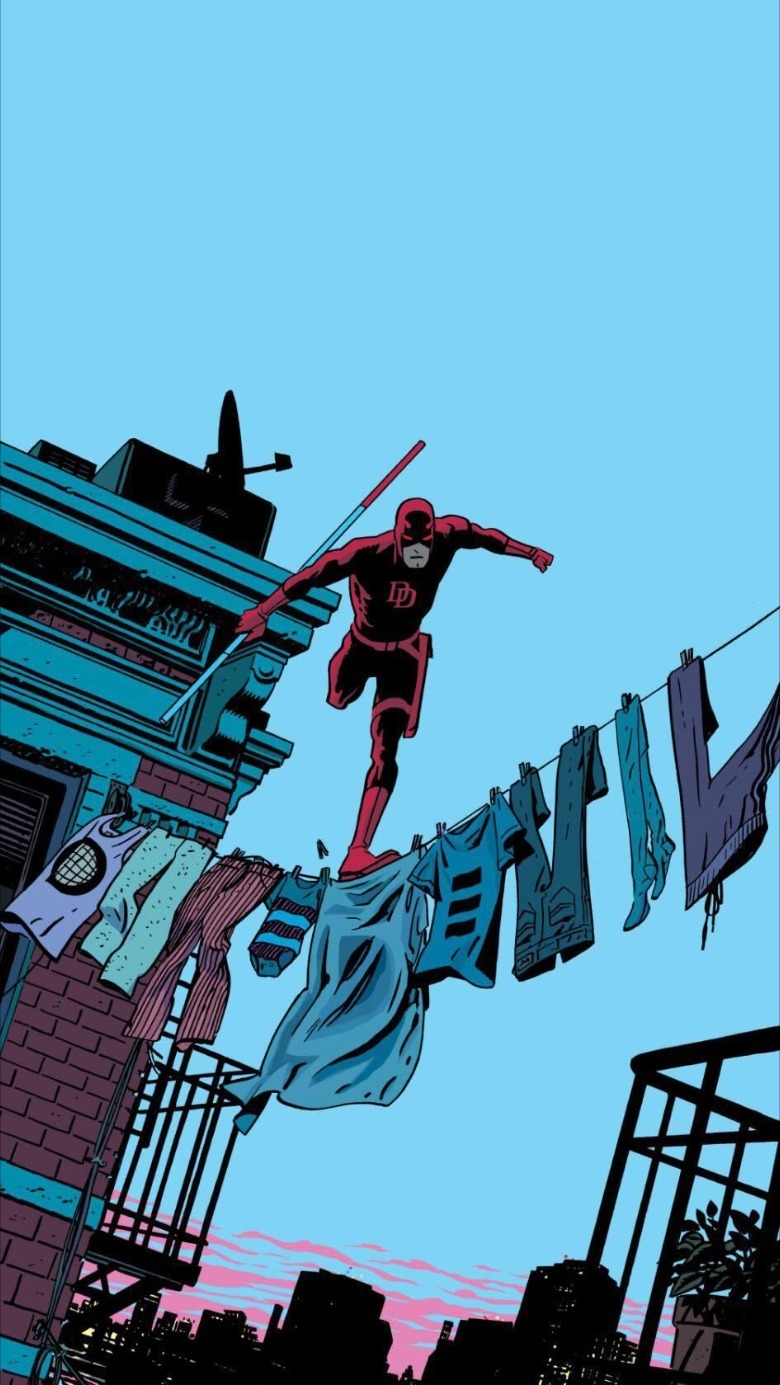
The artists on Waid's "Daredevil" run, like Rivera, Martin, and Chris Samnee brightened the book's palette, making the art more fantastical and classically superheroic.
 Marvel Comics
 Marvel Comics
Daredevil was the beginning for Mark Waid & Chris Samnee's Batman & Robin
The Eisner Award-winning issue #7 of Mark Waid's "Daredevil" features Matt guiding some blind kids lost in a snowstorm to safety. In a flashback, Matt quips to his friend Foggy Nelson how he hates the "Old Matt" — "the tortured, guilt-ridden, self-destructive punching bag." In an interview published in "Daredevil by Mark Waid" Volume 1, Waid said he wanted to give Matt a "more sardonic voice." Life still knocks Daredevil down a lot during Waid's run, but he takes the punches with slick humor instead of joining the world in beating himself up.
Though Waid has written plenty of comics for Marvel, he's well-known as more of a DC fan at heart. (He especially adores Superman.) In "Captain America" #695, Waid writes that, as a young kid, his favorite Marvel character was Captain America, because Cap was about as noble as any DC superhero: "I admired his nobility and the way he took action where the other Marvel heroes I foolishly disdained would wallow in their troubles." Waid's "Daredevil" reads as Waid giving some of that classical nobility to Matt Murdock.
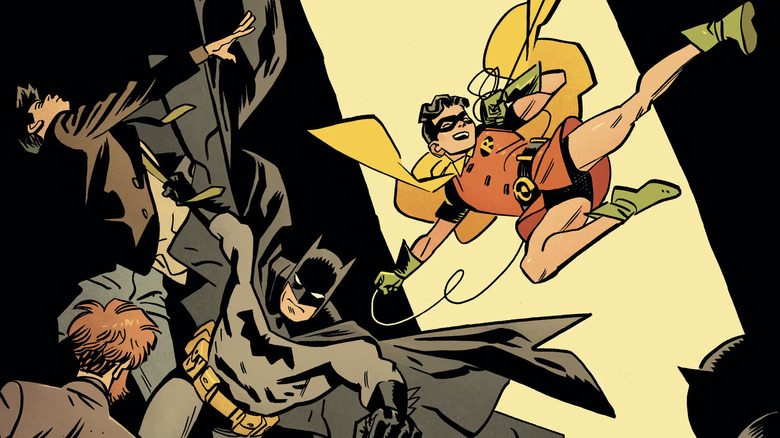
While "Daredevil" had numerous artists under Waid's pencils, Chris Samnee (after first drawing issue #12) became the book's primary artist. He and Waid have since reteamed for several other superhero comics, such as a 12-issue "Black Widow" series, six issues of "Captain America" (#695-700), and "Batman & Robin: Year One," about Dick Grayson's early days being Robin and living with Bruce Wayne.
Each of these comics have the same swashbuckling spirit as Waid and Samnee gave "Daredevil." Frank Miller reinvented both Daredevil and Batman as brutal and gritty, but writers like Mark Waid show how both these heroes of the night can still be bright and optimistic.