

The Only Three Movies To Win The Big Five Awards At The Oscars
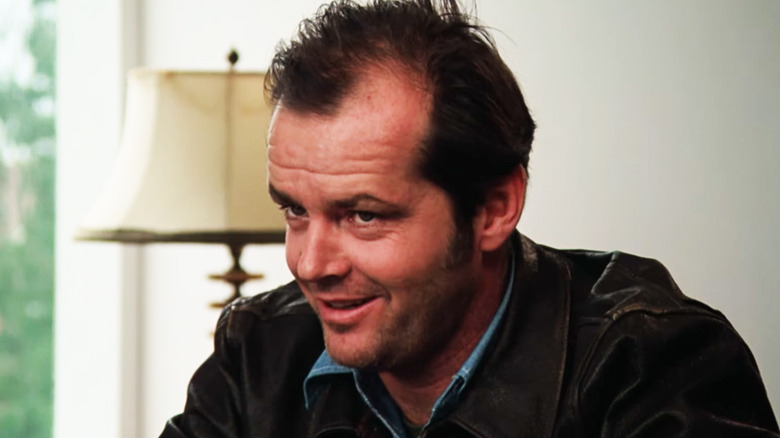
It's been almost a century since the Oscars began, and in that time, many films have come close to taking home the big five awards. Those awards are: Best Picture, Best Director, Best Actor, Best Actress, and Best Original/Adapted Screenplay. But claiming victory in all five categories isn't exactly easy. In fact, it's a feat so rare it's only happened three times in the history of the awards, with 1935's "It Happened One Night," 1975's "One Flew Over the Cuckoo's Nest," and 1991's "The Silence of the Lambs" being the only films to have taken home statues in all of those major categories.
The very first Academy Awards ceremony was held on May 16, 1929. Back then, the show lasted just 15 minutes and wasn't even broadcast. Instead, Academy president Douglas Fairbanks hosted a private banquet at the Hollywood Roosevelt Hotel three months after the winners had already been announced in every category.
Today, the Oscars are almost unrecognizable by comparison. The most prestigious event of awards season is a much more lavish affair, where every aspect of it production is analyzed, evaluated, and critiqued, from the opening monologue to the inevitable snubs (of which there were many at the 2026 Oscars). In the almost 100 years between that comparatively modest inaugural ceremony and the 2026 Oscars, there have also been several records set. There are, for example, only seven actors who've won three or more Oscars in the history of the awards. But there are even fewer movies which can claim to have won the big five awards, proving just how remarkable an achievement it really is.
A 1930s rom-com was the first film to win the big five Oscars
In 2026, "Sinners" broke an astonishing record with its 16 Oscar nominations, and while it did win in four categories, including Best Actor for Michael B. Jordan and Best Original Screenplay for writer/director Ryan Coogler, it wasn't in contention for the "big five" because it didn't have any nominees in the Best Actress category.
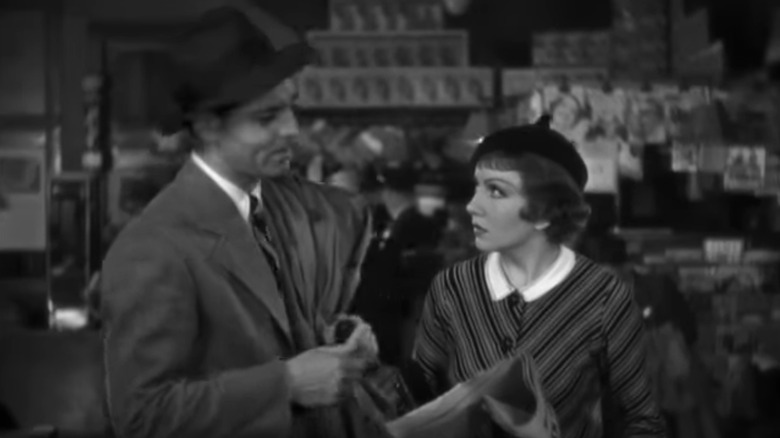
As it stands, only three movies in the history of the Oscars can claim to have accomplished this extraordinary feat. The very first was 1934's "It Happened One Night." Easily one of the best movies of the 1930s, Frank Capra's romantic comedy instantly garnered attention for its depiction of Claudette Colbert's Ellie exposing (shock!) her leg to Clark Gable's Peter. But the story of Colbert's socialite spurning her father and falling for Gable's charming reporter was also just a delightful rom-com in and of itself. Adapted by Robert Riskin from Samuel Hopkins Adams' 1933 short story "Night Bus," the film was buoyed by undeniable chemistry between its two stars and debuted to positive reviews.
It wasn't really all that much of a surprise, then, when it took home Best Picture at the seventh annual Academy Awards. But the wins just kept coming, with Gable claiming Best Actor and Colbert Best Actress — particularly impressive, considering a backlash against the nominees forced the Academy to allow voters to disregard the printed ballot and write whichever actress' name they wanted that year. Capra won Best Director and Riskin took Best Adapted Screenplay, rounding out the big five categories. On February 27, 1935, "It Happened One Night" became the first film in Oscars history to achieve such a feat. It wouldn't happen again for another 40 years.
One Flew Over the Cuckoo's Nest was the second film to win in all five big Oscars categories
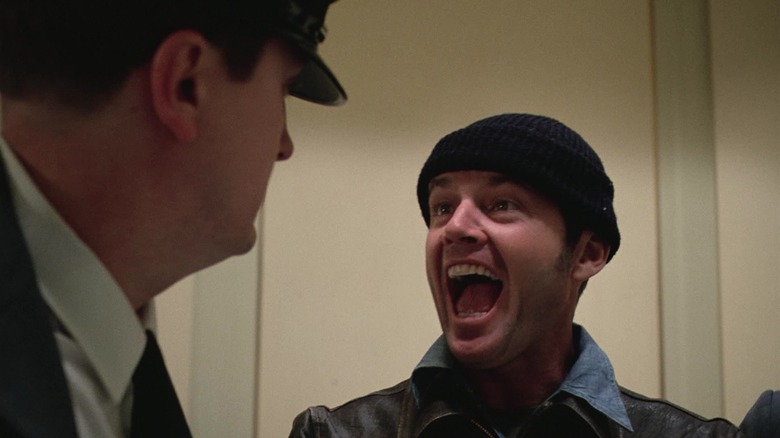
"One Flew Over the Cuckoo's Nest" finally arrived in 1975 after being delayed for a decade. It was worth the wait. Not only was the film a box office success, making $109.1 million on a $3 million budget, it was met with positive reviews. While critics weren't unanimously convinced at the time (Roger Ebert opined that the film "insist[ed] on making larger points than its story really should carry"), it was almost immediately clear that "Cuckoo's Nest" was one of the best movies of the 1970s.
That reputation was solidified when the film won Best Picture at the 1976 Academy Awards, in one of the most competitive Oscar categories of all time. Had that been the only award this movie took home, it would have been remembered as an all-timer. But the wins didn't stop there.
Miloš Forman's beloved comedy drama, based on Ken Kesey's 1962 novel, earned nine nominations and went on to claim victory in all four of the remaining big five categories. Jack Nicholson won Best Actor for his portrayal of the roguish anti-authority trickster Randle Patrick McMurphy, while Louise Fletcher won Best Actress for playing his arch-nemesis, the austere Nurse Mildred Ratched. Once Forman won Best Director and Lawrence Hauben and Bo Goldman took home the Best Adapted Screenplay award, the movie became the second in Oscars history to triumph in all five of the big awards categories — and rightly so.
The Silence of the Lambs was the third and final big winner at the Oscars
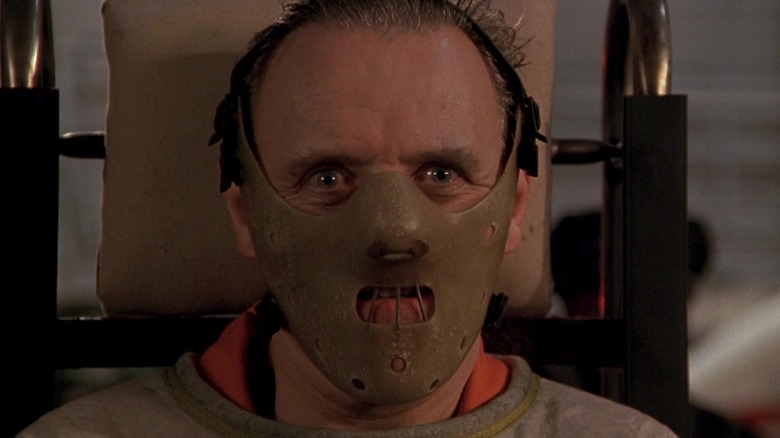
Audiences didn't have to wait another 40 years to witness another clean sweep at the Oscars. In 1992, "The Silence of the Lambs" proved less was more when it came to horror, telling a taut, disturbing tale that resulted in the only horror movie to ever win Best Picture at the Oscars. But it won a heck of a lot more than that.
At the 64th Academy Awards, "The Silence of the Lambs" received seven nominations. It didn't win in every category, but it still absolutely dominated, taking home all five of the big awards and even earning a tribute from host Billy Crystal, who was wheeled on-stage strapped to a dolly while wearing a Hannibal Lecter mask. The film became a cultural phenomenon thanks mostly to Anthony Hopkins' unforgettable portrayal of the cannibalistic serial killer. But as its victory in all five of the main categories proves, the movie's achievements were a team effort.
Jonathan Demme won for his direction while Hopkins and Jodie Foster took home Best Actor and Actress, respectively. Writer Ted Tally won Best Adapted Screenplay for adapting Thomas Harris's 1988 novel to the big screen, securing "The Silence of the Lambs" as the third and — at the time of this writing — last movie to take home all five of the big awards.