

Sci-Fi Author Andy Weir Has One Major Issue With The Star Trek Franchise
"All art is political." It's the Helen of Troy of culture war statements, so to speak, having launched a thousand thinkpieces arguing both in favor of and against the notion. But it can also be a tad misleading. Perhaps a better way to phrase it would be: "All art exists in a political context." After all, a film along the lines of "Sonic the Hedgehog 3" might not be as patently political as "Sinners" or so many other great movies that came out in 2025. But it's still a film where an undocumented immigrant is unjustly captured and imprisoned by the U.S. military as part of a chain of terrible events that almost culminate in Earth's being destroyed. (Go rewatch it, and tell me I'm wrong!)
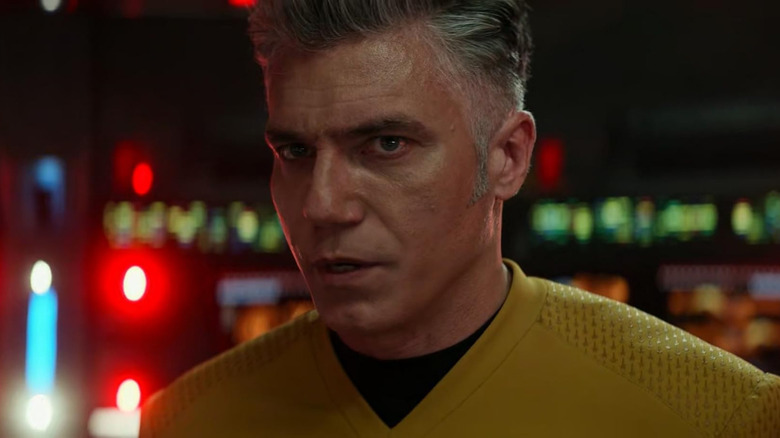
This is worth bearing in mind as we examine some comments that author Andy Weir once made during an interview with Futurism to promote his 2017 sci-fi novel "Artemis." At the time, Weir claimed, "I dislike social commentary," later stating, "I put no politics or social commentary into my stories at all." As he elaborated on that, Weird clarified that this has nothing to do with whether or not he himself agrees with the political points being raised, either. "For instance, as a lifelong 'Star Trek' fan, it's always bothered me that there is a presumed 'responsibility' within 'Star Trek' shows to talk about social issues. I just want to watch Romulans and the Federation shoot at each other," he proceeded to explain.
"I'm not saying anyone else should hold my view," Weir quickly added, later noting that there's no "wrong" way to engage with politics in storytelling and art overall. So, in the same generous spirit, let's take the time to unpack his argument (and whether his own books support him).
Star Trek, like all sci-fi, is always political ... but that doesn't mean it's always good
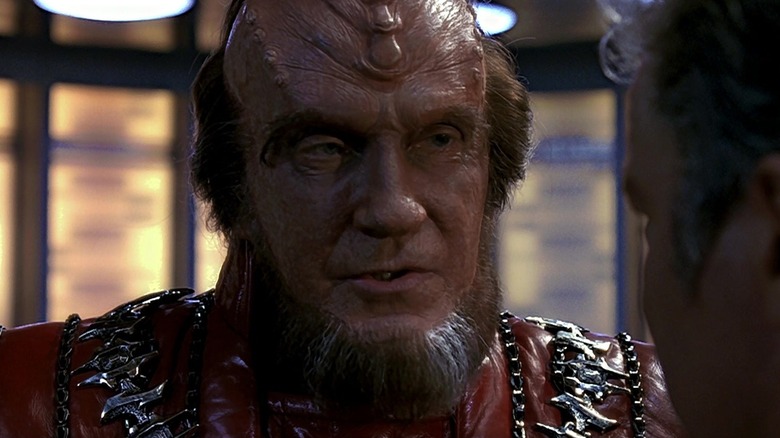
When you get down to the brass tacks of the matter, what Andy Weir really seemed to be getting at is that the "Star Trek" franchise and comparable sci-fi works can be guilty of prioritizing their messaging over telling a compelling story. And, sure, that's a fair critique. It's not an issue that's exclusive to sci-fi, either. For every great horror movie about grief and trauma, there are plenty of others so focused on Saying Something that they forget to include interesting characters or a stirring plot.
On the flip side, whether a work of art is soapboxing at the expense of being entertaining lies in the eye of the beholder. "Star Trek VI: The Undiscovered Country" isn't remotely subtle in the way it examines how idealists grow conservative or alludes to real-life events from the Cold War, but I still loved it when I first saw it as a kid. It remains my favorite "Star Trek" movie, even now that I'm entirely aware of its political allegories. It's not like "The Undiscovered Country" is an outlier when it comes to "Star Trek" projects offering bold-faced social commentary, either, which is just one more reason to roll your eyes at anyone who complains about a modern show like "Starfleet Academy" having "made 'Star Trek' woke."
But again, just because "Star Trek," as a brand, has always been in-your-face political, that doesn't mean its storytelling game is consistently strong, or the points it raises are never suspect. (Let's just say you'll never look at the movie "Star Trek Into Darkness" the same way once you know one of its co-writers was apparently a 9/11 conspiracy theorist.) But how does Weir's writing fare by comparison?
Andy Weir's work is political whether he sees it that way or not
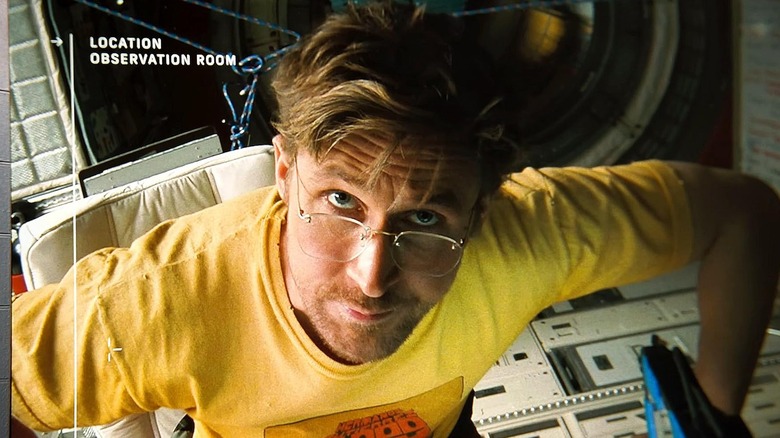
It's worth reiterating that, by his own account, Andy Weir is a Trekkie, and that shows in his work. His debut novel, "The Martian," not only champions international cooperation but also illustrates how good science can be utilized to overcome even the most seemingly insurmountable problems and subscribes to the belief that every life matters. These are all values fully consistent with those of the "Star Trek" property in general, and, to me, neither Weir's book nor its Ridley Scott-directed film adaptation is especially understated in its presentation. That goes double for Weir's other novels, like "Project Hail Mary" (which has now been adapted into a celebrated Ryan Gosling vehicle).
Still, I do understand Weir's point. "The Martian" and "Project Hail Mary" are full of political commentary, but it's woven seamlessly into their otherwise captivating narratives, to the point that it seems even Weir himself might not realize it. And though it jumps out at someone like me, it's literally my job to figure out what's going on under the hood of art that leaves me feeling enthralled or invigorated (or, y'know, the opposite of that). Just the same, I find the notion that the only way to make meaningful art is to avoid taking a sledgehammer approach to your messaging somewhat reductive. Sci-fi franchises like "Star Wars" and "Star Trek" yell their politics at audiences all the time. So long as they make the ride worth taking, say, the way "Andor" does with "Star Wars" or "Lower Decks" does with "Star Trek," it feels silly to get hung up on the idea that you might be learning something.
"Projet Hail Mary" flies into theaters on March 20, 2026.