

2025's (Mostly) Disappointing Blockbusters Taught Us A Valuable Lesson
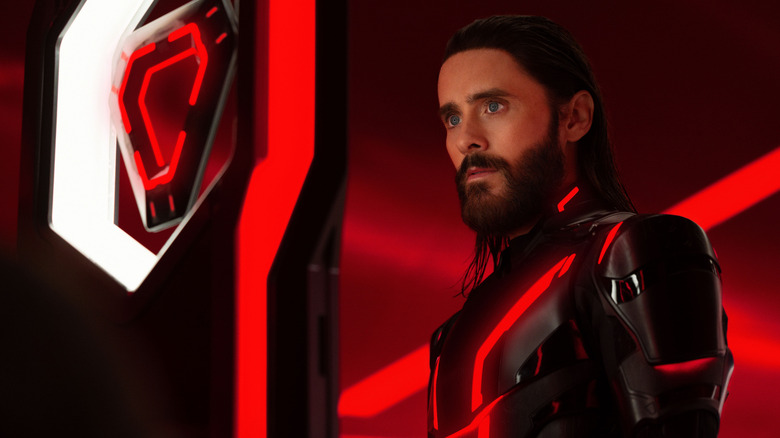
2025 was another great year for movies – though that's not to say it was great for every type of movie, mind you. December should be a time for celebration and reflection of the state of cinema that was, but there's another side to that coin as well. The failings and missteps found in a specific slice of that pie can often indicate where we're headed as a whole. And, while recency bias with success stories like "Sinners" or the (hopefully) box office-saving release of "Avatar: Fire & Ash" may skew our perceptions a bit, there's no getting around the black eye on the face of 2025: Blockbusters, by and large, felt like one crushing disappointment after another.
Is that even remotely a hot take? We're not here to paint with a broad brush and erase all traces of populist entertainment simply to prove a snobby point. 2025 gave us two of the more engaging Marvel movies between "Thunderbolts*" and "The Fantastic Four: First Steps," a strong foundation to (re)build the DC Universe in James Gunn's "Superman," and several visionary auteurs wilding out with blank checks: Bong Joon-ho's "Mickey 17," Ryan Coogler's "Sinners," Paul Thomas Anderson's "One Battle After Another," and Guillermo del Toro's "Frankenstein." This was by no means a lost cause.
Yet, by the same token, it'd be criminally negligent to overlook all the stinkers inflicted upon mainstream moviegoers over the last 12 months. Remember when the "Captain America" franchise restarter literally titled "Brave New World" instead turned into a safe, uninspired rehash? Or when Universal rushed "Jurassic World Rebirth" into production just to hit a summer release date? Heck, who was even asking for a Jared Leto-fronted "Tron" threequel in the first place? The final results were dire ... but they taught us some valuable lessons, too.
2025's blockbusters tried to give audiences what they wanted, not what they needed
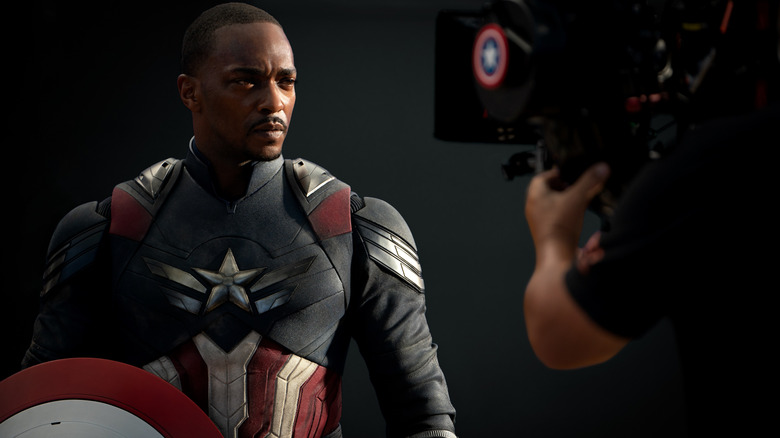
For the last decade and change, audiences have conditioned studios (and vice versa) to believe that appealing to the fans and bending over backwards to appease their wishes is the only way forward. "Star Wars: Episode VII — The Force Awakens" jump-started this trend exactly 10 years ago with its blatant devotion to the storytelling beats and structure of "Episode IV — A New Hope," but things have only gotten worse since then. Nowadays, sarcastically referring to a Marvel film as being "Fan-Service: The Movie" would lead to confusion over whether you mean "Avengers: Endgame," "Spider-Man: No Way Home," "Deadpool & Wolverine," or the upcoming (and, for skeptics, ominously-named) "Avengers: Doomsday." We're squarely in the Era of Glup Shitto.
In many ways, blockbuster filmmaking in 2025 felt an awful lot like the tipping point on this precipitously sliding scale. Where else would this ouroboros lead than to a climate where it seems like a good, sound business idea to hijack our newly-crowned Captain America for a backdoor sequel to "The Incredible Hulk," the ex-black sheep of the Marvel Cinematic Universe that the internet has inexplicably reclaimed? Or a place where multiple studio slates have dedicated vast amounts of resources to "live-action" remakes that are exactly the same as the animated originals, only worse? (Looking at you, "Snow White," "How to Train Your Dragon," and "Lilo & Stitch.")
When so much of our moviegoing intake is overloaded with sugary snacks and junk food alone, can we truly be surprised when we receive nothing but bellyache-inducing waste in return? What audiences need (a healthy, well-rounded diet) couldn't be more opposed to what they want (empty-calorie thrills). Luckily for us, that's where a very different group of films comes in.
There's still hope for blockbusters -- these mainstream movies prove it
Not all hope is lost, however — not when even a cursory look beyond what studios force-feed down our throats brings so much creativity and innovation to the surface. As bleak as this industry-wide issue may be (and it may only get worse if that Netflix-Warner Bros. deal goes through), even the shakiest studio system in recent memory can't be entirely written off for good when it still continues to produce great work. Whether it be through the Sisyphean efforts of our last reserves of A-list filmmaking talent or dogged creatives sneaking in genuine art into the relentless machine of legacy sequels and other IP plays, these are the titles that suggest a light at the end of a very hazy tunnel.
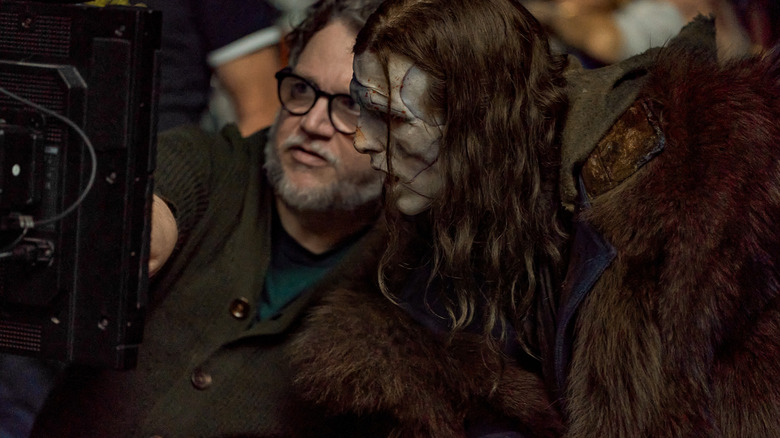
Never let it be said that art cannot flourish in even the most inhospitable conditions. After all, this is the year when a "28 Days Later" follow-up unleashed one of the most haunting and beautiful meditations on grief you'll ever see, while "The Long Walk," likely greenlit only due to its Stephen King origins, pulled off a similar miracle through the most heartrending experience imaginable. Elsewhere, "Novocaine" and "Drop" proved that mid-budget movies can still deliver high-concept, crowd-pleasing thrills, and even "Frankenstein," Guillermo del Toro's appropriately shambling and indulgent jigsaw puzzle of a passion project, reminded us that not all remakes and/or adaptations need be devoid of true inspiration. All that's left now is for James Cameron to whisk us a few trillion miles away on the wings of "Avatar: Fire & Ash" and put an exclamation point at the end of 2025's sentence.
Blockbusters fell on hard times this year, but they taught us to dig deeper and look farther to find real movie magic.