

How Netflix Buying Warner Bros. Could Destroy Movie Theaters

In 2010, Time Warner CEO Jeff Bewkes infamously hit Netflix below the belt, mocking the then-upstart streaming platform/industry disruptor as, "It's a little bit like, is the Albanian army going to take over the world? I don't think so." Little more than a decade and a half later, well, that small band of rebels is effectively on the precipice of establishing an empire of their own. When the news broke late last night that Netflix had emerged as the leading contender to acquire Warner Bros. Discovery, the instant reaction across Hollywood was one of confusion; mainly, confusion regarding what this might mean for our already-broken studio system and the declining theatrical industry. What's good for Netflix, after all, can't possibly be good for those of us who treasure the moviegoing experience and especially those who depend on it for their livelihoods, right?
For their part, Netflix has already attempted to get ahead of the narrative. In a gaudy new press release, the streamer announced its intentions to acquire one of the oldest and most prestigious studios in the world. A deep dive into the shareholder-friendly screed is quite revealing, however. Despite plenty of space devoted to PowerPoint presentation superlatives, like how this merger will "offer more choice, more opportunities, more value" and "improve our offering and accelerate our business for decades to come," a grand total of one (1) sentence deigns to shed light on Netflix's theatrical ambitions moving forward:
"Netflix expects to maintain Warner Bros.' current operations and build on its strengths, including theatrical releases for films."
What exactly does that mean for theaters at large? Which films and how many will Netflix actually bother releasing on the big screen? And, most importantly, can we even take the company at its word? Let's dive in.
Netflix claims it'll release WB movies in theaters, but is that the whole story?
Do you trust the faceless, multibillion-dollar corporation to do right by moviegoing audiences around the world, purely out of the goodness of its heart? That's the (perhaps cynical) question of the day, though it's only further muddied by Netflix's claims. Despite spending upwards of $80 billion on a hostile takeover of one of the few remaining film studios, we're meant to believe that the newly-merged Netflix/Warner Bros. entity would continue as if it were business as usual. What's more, this would fly in the face of Netflix's entire streaming model, which is built on delivering "content" straight to subscribers at home.
Despite Netflix's recent moves to the contrary, there are many reasons to remain skeptical. During a conference call to investors this morning (as reported by Variety), Netflix CEO Ted Sarandos sought to pour cold water on the extremely well-founded notion that the streaming giant is the enemy of theaters. As he explained:
"It's not like we have this opposition to movies into theaters. My pushback has been mostly in the fact of the long exclusive [theatrical] windows, which we don't really think are that consumer friendly, but when we talk about keeping HBO operating, largely as it is, that also includes their output movie deal with Warner Bros., which includes a life cycle that starts in the movie theater, which we're going to continue to support."
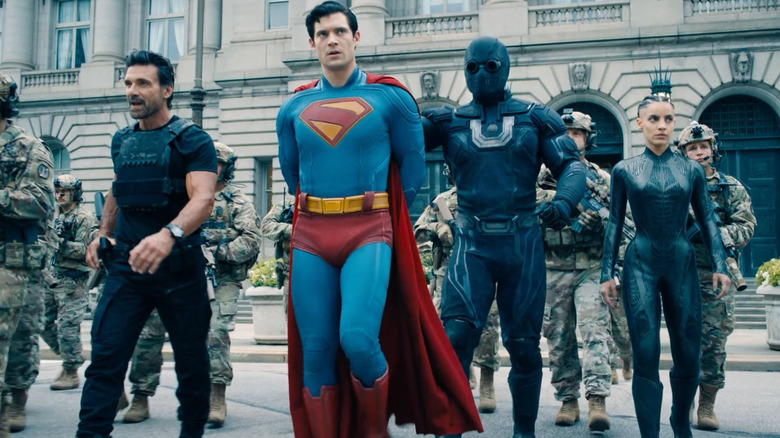
While this sounds promising, Sarandos gives away the game a little later on. According to the CEO, "I think, over time, the windows will evolve to be much more consumer-friendly, to be able to meet the audience where they are quicker." In other words, the next "Superman" movie might get two weeks exclusively in theaters — at best.
If the Netflix/Warner Bros. deal goes through, theaters as we know it may never be the same again
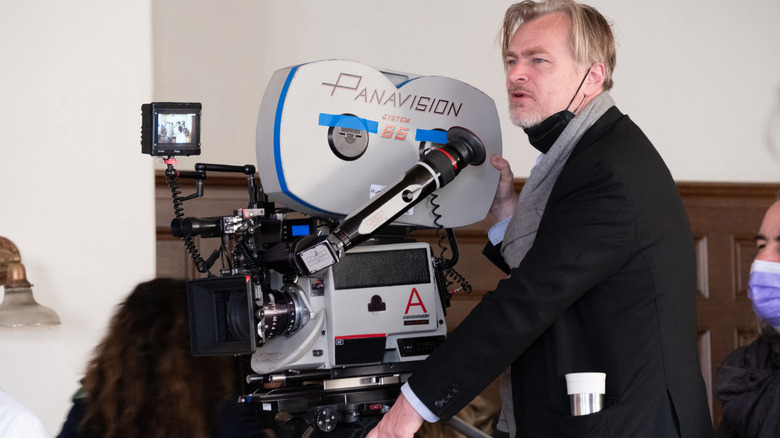
Someone please get Christopher Nolan, Savior of the Theatrical Experience and newly-elected President of the Directors Guild, on the phone. At this rate, the entirety of movie theaters worldwide may be in for a rude awakening by the time the dust settles on Netflix's potential acquisition of Warner Bros. Discovery (which, it should be noted, is not even close to being a done deal). But will we recognize whatever emerges on the other side?
Again, it all has to do with the pesky problem of theatrical windows for movies. With only rare exceptions, major theater chains such as AMC have resisted playing Netflix originals (such as the recent "Wake Up Dead Man") in theaters due to the streamer's unwillingness to offer windows longer than a few weeks. But with Warner Bros. and its vast library of films off the table entirely, that means a dramatic decrease in product on a year-to-year basis. In 2025, for instance, WB released a total of 15 movies in theaters. With box office profits already hard to come by, removing reliable hits like all of the DC Universe, auteur-driven phenomena such as "Sinners" or "Weapons," and even franchise plays like "A Minecraft Movie" or "The Conjuring" would be devastating to theater owners everywhere.
Worse yet, there's the troubling matter of whether theatrical exhibition as a whole can even survive in a landscape like this. Much like Disney conditioning Marvel or Pixar fans to skip movies in theaters in favor of an impending Disney+ release, what might transpire if even the next "The Lord of the Rings" theatrical event becomes just another Netflix streaming option a few weeks later? We should be awfully nervous to find out.