

5 Reasons Why The Social Reckoning Flopped At The Box Office
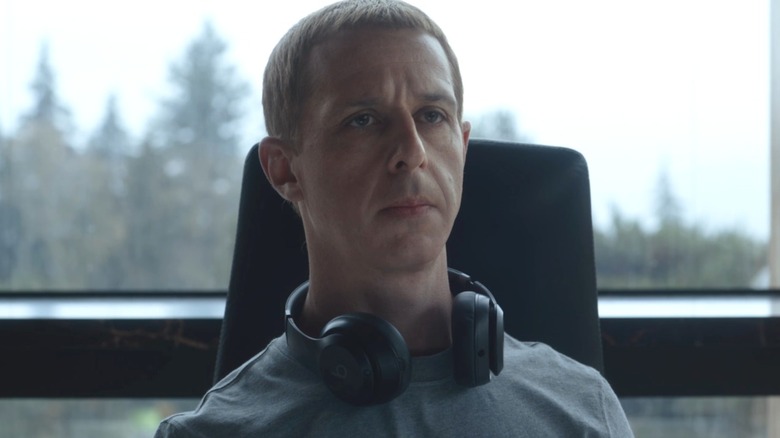
It was a less-than-stellar opening weekend at the box office for Sony Pictures' "The Social Reckoning." The long-awaited sequel to director David Fincher's "The Social Network," one of the best movies ever made, failed to live up to expectations. Director Aaron Sorkin couldn't deliver a follow-up worthy of Fincher's beloved modern classic.
"The Social Reckoning" opened to $5.3 million domestically, landing at number five on the charts. It also opened very soft overseas, taking in just $3.5 million, giving it an $8.8 million global debut against a budget in the $40 million range. For context, "The Social Network" opened to $22.4 million domestically en route to $225 million worldwide in 2010. Needless to say, this is a lackluster result.
David Fincher signed a four-year exclusive deal with Netflix in 2020 and he's been busy making the Cliff Booth "Once Upon a Time in Hollywood" sequel/spin-off. As a result, he didn't return to direct this movie. Instead, Sorkin, who penned the first film, stepped into the director's chair. Evidently, he didn't have the same magic touch Fincher did.
So, what went wrong here? How did Sony and Sorkin fail to make a sequel that lived up to its predecessor? We're going to look at the biggest reasons why "The Social Reckoning" flopped at the box office on its opening weekend. Let's get into it.
The Social Reckoning was met with mixed reviews
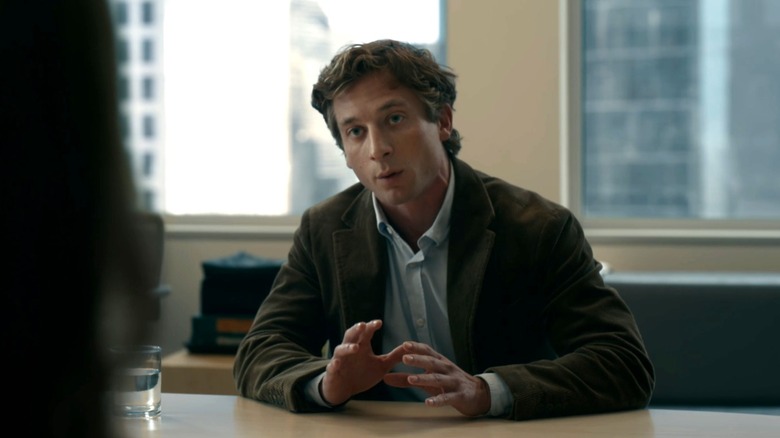
The movie is inspired by true events and is billed as a "companion piece" to "The Social Network." It centers on Frances Haugen (Mikey Madison), a young Facebook engineer who enlists the help of Wall Street Journal reporter Jeff Horwitz (Jeremy Allen White) to go on a dangerous journey that ends up blowing the whistle on the social network's most guarded secrets.
One of the biggest things "The Social Network" had going for it was a great deal of praise. Unfortunately, Aaron Sorkin's sequel didn't rise to that same level. Critics were heavily mixed on the politically-charged follow-up, with audiences also divided on the Facebook drama. That certainly didn't help the movie's commercial prospects.
As of this writing, the sequel holds a 55% critical approval rating on Rotten Tomatoes to go with a so-so 73% audience score. It also earned a B- CinemaScore, which is essentially a death sentence for its word of mouth. It's all but certain to earn the "wait to stream it" label at this point, meaning that the second weekend drop is probably going to be steep.
/Film's Chris Evangelista said that Aaron Sorkin's Facebook follow-up film falls flat in his review of "The Social Reckoning." He's certainly not alone in his assessment. Sony is going to have to hope that it can still garner some awards season love and make up a lot of ground on VOD/streaming in the weeks to come.
None of the cast from The Social Network returned
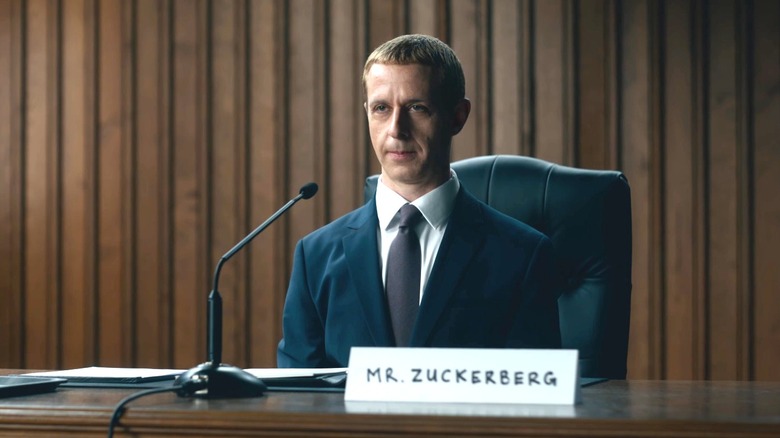
One of the biggest assets to "The Social Network" was its stellar cast. It helped make stars of Andrew Garfield and Jesse Eisenberg, who played Eduardo Saverin and Mark Zuckerberg, respectively. It was also a big deal for Armie Hammer, who played the Winklevoss twins, but he's since been basically excised from the business. Hammer is attempting to mount a Hollywood comeback, but needless to say, he wasn't going to get a call from Sony for this one.
None of the key cast members from the first movie returned for "The Social Reckoning." Jesse Eisenberg turned down the sequel, with Jeremy Strong ("Succession") taking over as Zuckerberg. Garfield also didn't return for "The Social Network" sequel, though that had more to do with the story being told and less about him being uninterested in the project. In any event, that made it a tougher sell to audiences who would have more easily connected it to David Fincher's 2010 masterpiece had they seen some familiar faces.
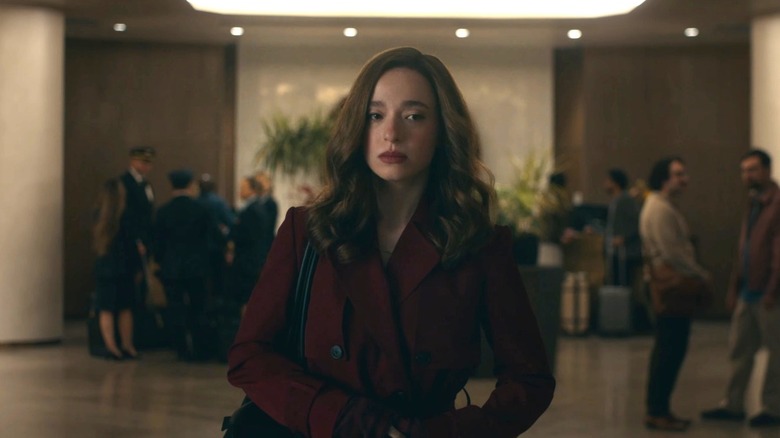
It's not that Aaron Sorkin failed to put together a good cast. Mikey Madison is coming off of her Oscar win for "Anora." Jeremy Allen White just wrapped up an acclaimed run on Hulu's "The Bear." Much of the supporting cast, including mega-comedian Bill Burr, were also good gets. But they weren't big enough or automatically compelling enough to sell tickets. Few movie stars these days can fill seats with their name alone, so that's not a knock on any of them. Not having the same actors that made the first movie a success in the first place was the bigger issue here.
Timing wasn't on The Social Reckoning's side
Timing can be everything at the box office. Pick the right spot on the calendar and it can mean great things. "Other Mommy" was billed as a "lackluster horror movie" in /Film's review, and many critics agreed, but it was serving the purpose of being a big new horror movie during the Halloween season. Timing was on its side. That was not the case with "The Social Reckoning."
This dramatic sequel comes at a time when audiences, broadly speaking, are far more interested in genre fare that fits the spirit of the season. That's why "Other Mommy" succeeded. It's also why Zach Cregger's "Resident Evil" has been ruling the box office ever since it opened in September. That's not to say non-horror fare can't flourish during this time. Amazon MGM's "Verity," a steamy, star-studded thriller, has been doing quite well for itself, as has Brad Pitt's survival/dog movie "Heart of the Beast."
The problem for Aaron Sorkin's latest, however, is that the void is already being filled by movies that have been received better by audiences. People have little reason to choose the challenging, real-life drama over titles that are going to offer a "good" time at the movies. Getting people off the couch to pay for a ticket is harder than it's ever been, and ultimately, people want to be entertained above all else when they choose that experience. At the moment, there are far better choices to be made from the perspective of the average viewer.
These types of movies still regularly struggle at the box office in the 2020s
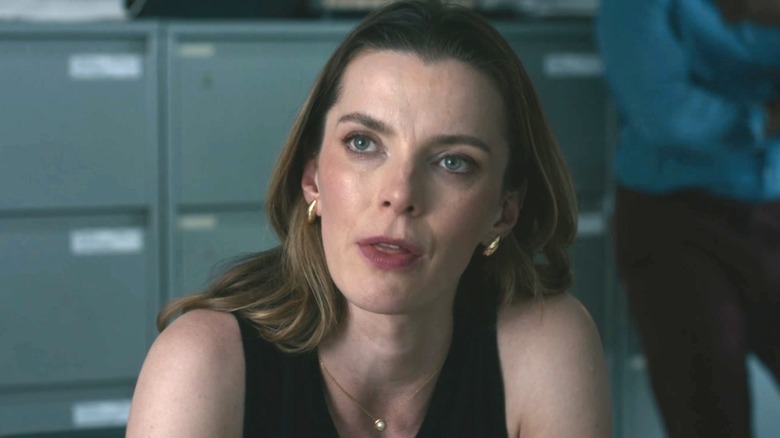
It's not that it's right and it's not that we can't always strive for a better, more healthy theatrical marketplace, but the reality is that in the 2020s, this is precisely the kind of movie that struggles at the box office. Things have absolutely improved since the pandemic and 2026 has been very healthy. Even so, adult-focused dramas, things without a big genre hook, and mid-budget awards season hopefuls are the movies that have struggled the most.
Tom Cruise's "Digger" recently bombed at the box office despite having one of the world's biggest movie stars in it. It was similarly met with mixed reviews and was targeting a similar demographic. 2026 has also seen the likes of "Tony" and "I Love Boosters," just to name a couple of movies without an obvious "must-see" hook for audiences, struggling to live up to commercial expectations.
In the case of "Digger," Warner Bros. dramatically over-spent on what was far from a sure thing. Sony Pictures, to its credit, gave "The Social Reckoning" a reasonable enough budget in the $40 million range. Even so, that only serves to illustrate just how hard it can be for movies cut from this sort of cloth to break out in today's marketplace.
Even if it had earned strong reviews, success would have been far from a guarantee. With the mixed response? It stood little-to-no chance.
Facebook is no longer the cultural monolith it was in 2010
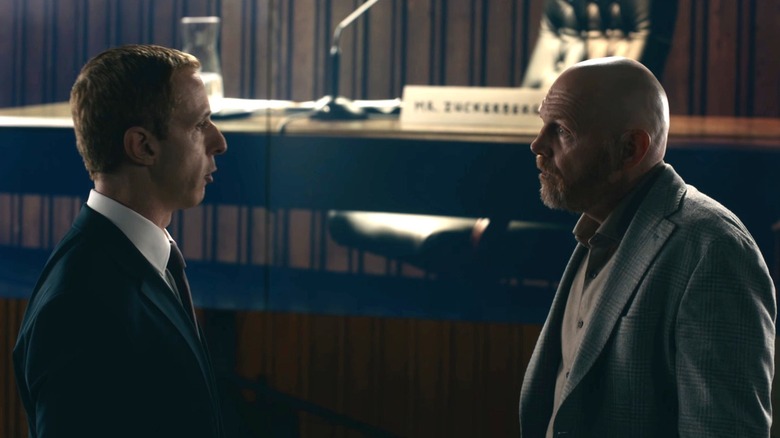
When "The Social Network" was released in 2010, Facebook was far more of a part of the daily lives of the average person. It was peaking in terms of popularity and growth as the most popular social network on the planet, pretty much unchallenged in that department. In 2026, Facebook is still enormously popular in terms of its overall user base, but things have changed dramatically.
Younger people have flocked to TikTok, Instagram, Snapchat, and other social platforms. Facebook has evolved in terms of how it's used and how it's perceived. By and large, it's no longer the fascinating cultural monolith that it was when David Fincher's movie came out. At that time, people were curious about its rise to prominence. "The Social Reckoning," in stark contrast, isn't continuing that same story.
Aaron Sorkin made a more politically charged movie at a time when the average person is exhausted by politics. The hook wasn't as clear for viewers, and reviews aside, there's a decent chance a lot of people just didn't want to engage with the conversation this movie is having. Between the January 6th of it all and the behind-the-scenes drama, this wasn't as audience-friendly.
It's not so much that "The Social Reckoning" is an unworthy sequel to "The Social Network," even if a lot of people feel that way. Commercially speaking, it's that the sequel doesn't present as much of a juicy hook for the viewer. It's quite the opposite. This is subject matter lots of folks would rather distance themselves from when they're engaging with cinema, for better or worse.
"The Social Reckoning" is in theaters now.