

The Variety Show That Gave Dolly Parton Her Big Break (And An Iconic Song)
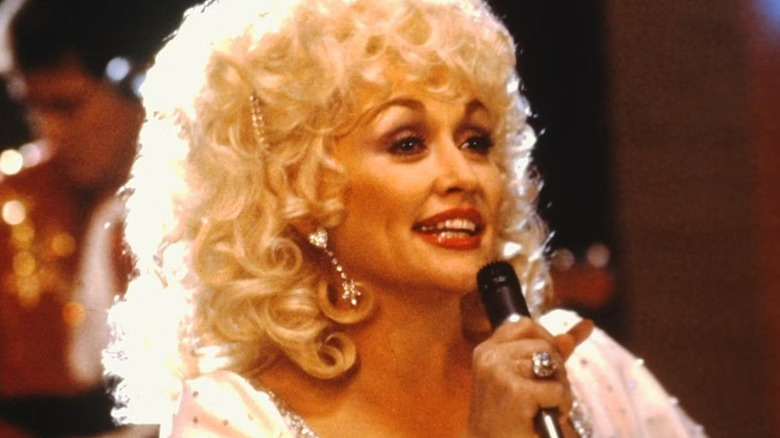
For so many of us, it's hard to fathom a world without Dolly Rebecca Parton Dean. The music legend, famous actress, theme park founder, and just all-around ambassador for kindness and charity enjoyed a level of fame so high and continual that it's only achievable by a select few. Of course, very few people are born into fame, and Dolly was no different. She started out performing at an early age, singing on local Tennessee radio and television programs. Her clear musical talent helped her find work as a songwriter, where she often worked with her uncle, Bill Owens. Despite her management and record labels attempting to fashion her as a bubblegum pop singer given the genre's popularity in the 1960s, Dolly eventually got the chance to record country music in the latter part of the decade.
Although Parton's early efforts in country music didn't take off right away, it was enough to put her on the radar of Porter Wagoner, a musician and entertainer who'd gotten his start in the 1950s and, in 1960, started a syndicated variety TV show, "The Porter Wagoner Show." Modeled after the various variety programs that were popular at the time, the program could best be described as a looser, country and western music-focused "The Ed Sullivan Show," or a less comedic "Hee Haw." In 1967, Wagoner's regular featured female singer, Norma Jean, left the program, and he found a replacement in Dolly Parton. Parton's tenure on the series lasted seven years, during which time her star rose. "The Porter Wagoner Show" was Dolly's big break, and when she decided to leave the program to pursue a solo career in 1974, she wrote one of her biggest hits as a farewell tribute to her mentor and duet partner: "I Will Always Love You."
The Porter Wagoner Show was a brilliant showcase for Dolly Parton's talents
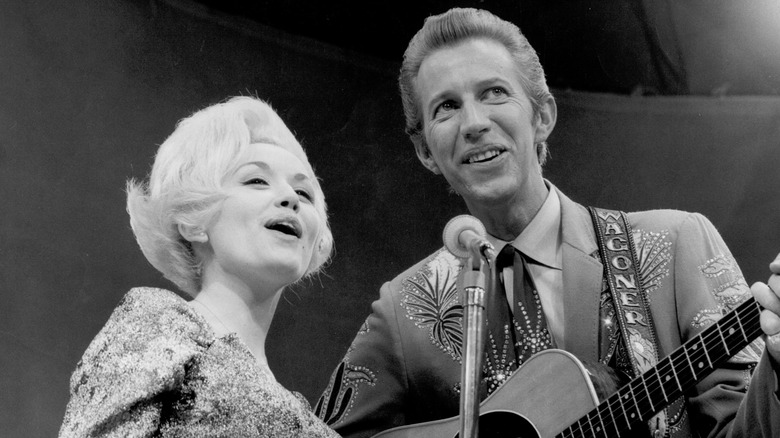
If other 1960s and '70s variety shows were pop-culture showcases engineered for mass appeal, then "The Porter Wagoner Show" was their more focused and curated cousin. It of course contained many of the hallmarks of the variety show which can still be seen in late night programming to this day: a host, a special guest for each episode, comedy interstitials, and so on. Yet the program was far more focused on music than just about every other variety show of the time, making it a favorite of music lovers then and now. The show wasn't just used as a vehicle to promote popular artists, but also sought to celebrate music, too.
In retrospect, it was exactly the type of show which allowed a young Dolly Parton to show off her range of talent. Not only could she write some wonderful songs, she could sing them beautifully. She also more than held her own during the show's moments of banter both during and in between the songs. In fact, you could say that Parton's comedic timing, which she eventually cultivated in movies like "9 to 5," was born on the "Porter Wagoner" set. The series absolutely helped bolster her music career, as she recorded 12 duet albums with Wagoner while making 15 albums as a solo artist. What's more, in a similar way that "9 to 5" helped inspire change in the workplace for women, Parton's work in "The Porter Wagoner Show" challenged the role of women in country music, if not music in general. This could be seen right from her first appearance on the show, where she sang her 1966 feminist-themed tune "Dumb Blonde."
Why 'I Will Always Love You' is Dolly Parton's masterpiece
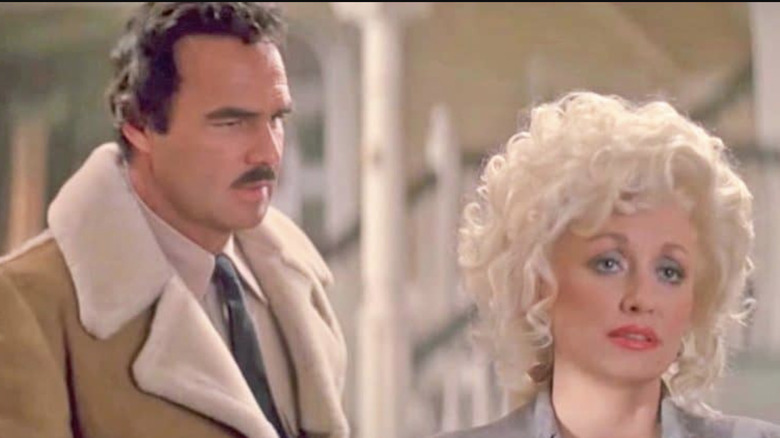
While Dolly Parton's appearance on "The Porter Wagoner Show" helped rocket her to stardom, her relationship with Wagoner wasn't always smooth, as she explained in an interview with the Los Angeles Times shortly after Wagoner's passing:
"I worked with Porter Wagoner on his show for seven years, and he was very much — I don't mean this in a bad way, so don't play it up that way — but he very much was a male chauvinist pig. [...] He was in charge, and it was his show, but he was also very strong-willed. That's why we fought like crazy, because I wouldn't put up with a bunch of stuff."
Dolly's move to leave the show, writing the song "I Will Always Love You" and allowing Wagoner to produce it, was a graceful and heartfelt gesture. The song became one of Parton's biggest hits, not once but twice: upon its release in 1974, and again in a re-recording for "The Best Little Wh*rehouse in Texas" soundtrack in 1982. Even some cover versions became hits, not the least of which was Whitney Houston's version for the soundtrack of "The Bodyguard" in 1992.
Even though the song is about their parting ways, Parton performed it on "The Porter Wagoner Show" several times, demonstrating the truthfulness of its message. It's proof of how remarkably kind Parton was, especially in the face of Wagoner attempting to sue her over their professional split. As a person, Dolly Parton was a remarkable blend of kindness and integrity, which is what makes her passing such a loss. Thankfully, her work (including clips online and cable reruns of "The Porter Wagoner Show") will allow her to be loved by all of us for always.