

House Of The Dragon Season 3 Will Make You Angry After A Knight Of The Seven Kingdoms
This article contains spoilers for "House of the Dragon" Season 3, Episode 3.
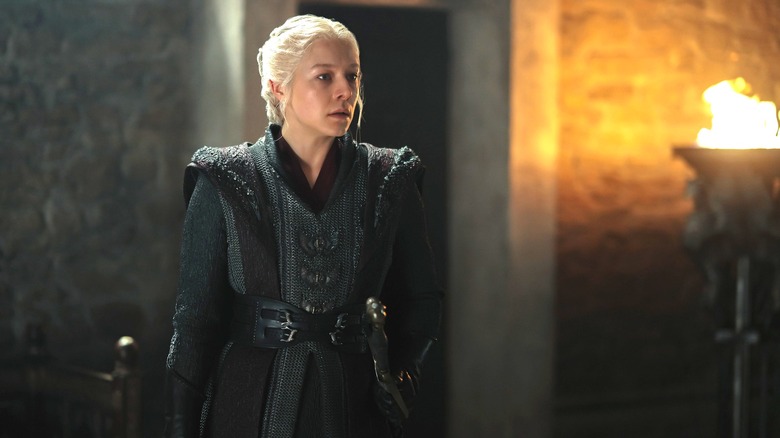
"House of the Dragon" Season 3 is off to a weird start. The season began with what was very clearly meant to be the end of Season 2 – a huge climactic battle — followed by an episode that changed the status quo and ended on a cliffhanger. Now, Episode 3 establishes the new normal for King's Landing, and the many, many issues Queen Rhaenyra (Emma D'Arcy) must face now that she's taken over the city.
One of these issues is what to do with the Dragonseeds, the Targaryen bastards that Rhaenyra recruited to become dragon riders and help win the war. The important Dragonseeds to remember here are Ulf (Tom Bennett), Hugh (Kieran Bew), and Adam (Clinton Liberty). Where Ulf spent the last two episodes demanding a big castle, none of the three get much in the way of the absurd amount of treasure and titles someone like Bronn (Jerome Flynn) received in "Game of Thrones." (Remember when he somehow became Lord of Highgarden and Master of Coin? Wild.)
Still, the Dragonseeds do get something: titles. In Episode 3, Rhaenyra has Daemon (Matt Smith) knight the three men, giving them status, a title, and a last name. It's a huge moment for the Dragonseeds, but watching Daemon recite the knighthood oath as he knights the three men — particularly Ulf — takes on a different meaning after watching "A Knight of the Seven Kingdoms."
That's because none of these men can hold a candle to a true knight like "A Knight of the Seven Kingdoms" character Raymun Fossoway (Shaun Thomas), and watching these Dragonseeds get knighted in the same manner will make you angry.
Raymun Fossoway is a true knight, unlike these buffoons
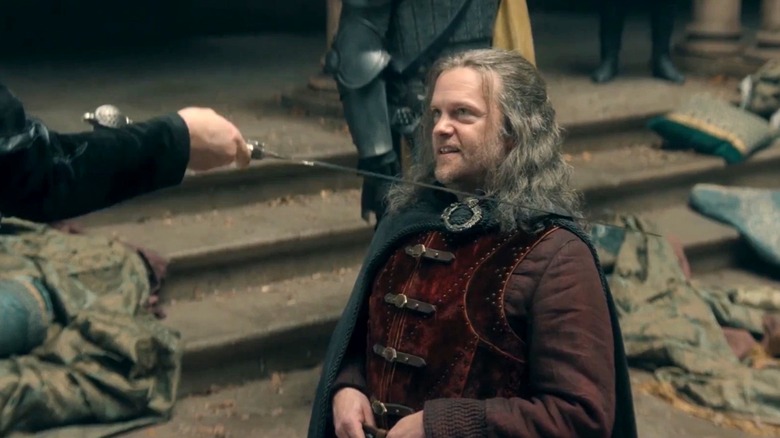
The knighting of Raymun Fossoway in "A Knight of the Seven Kingdoms" was a loving, touching moment that highlighted the honor of knighthood and the values that a true knight must have. The scene even made the knighting of Brienne of Tarth in "Game of Thrones" more powerful because of how it connected Brienne to her ancestor, Ser Duncan the Tall.
By comparison, the "House of the Dragon" scene in Season 3, Episode 3 feels like a disgrace. Everyone in the scene looks like they didn't want to be there. Adam only wants to get legitimized by Rhaenyra, as she promised Adam's father, but she refuses. Hugh looks like he doesn't really care much about what a knighthood brings. Ulf is smug enough that he genuinely thinks knighthood is beneath him now that he has a dragon, and wants to be considered as important as the Queen herself. When Rhaenyra asks what name he'll choose for himself, Ulf asks to be called a Targaryen, which she immediately shuts down. Then, when Daemon is about to place his sword on Ulf's shoulders and recite the oath, he doesn't look honored, but terrified and unworthy.
Sure, Adam does nothing wrong. He is the only honorable one here. Hugh feels right down the middle. But Ulf? So far, all we've seen of him is an arrogant drunk who keeps using his lineage to gain favors (mostly free drinks), not really doing anything to earn respect. Is this what a knight should be?
Knighthood in Westeros is about to get even more depressing
The way "House of the Dragon" portrays its knighting ceremony feels like a smack in the face to the whole idea of knighthood. This is an example of "A Knight of the Seven Kingdoms" kind of ruining the rest of the Westeros franchise; that show carries such reverence for certain traditions and values, and here comes "House of the Dragon," dragging them through the mud in the name of a swift victory in war.
Then again, that's kind of the whole point of this particular show. "House of the Dragon" is meant to be the fall of the Roman Empire moment for Westeros, depicting the slow process which annihilates House Targaryen. The war forces both sides to abandon the perceived purity of their ideals and resort to brutal atrocities and cheating in order to gain an advantage, and the Dragonseeds are a primary example of that. The core of Targaryen power is the idea that only they can ride dragons, and therefore they're better than everyone else. Yet, Rhaenyra has to resort to using bastards and lowlifes like Ulf, tarnishing the very concept of a dragon rider.
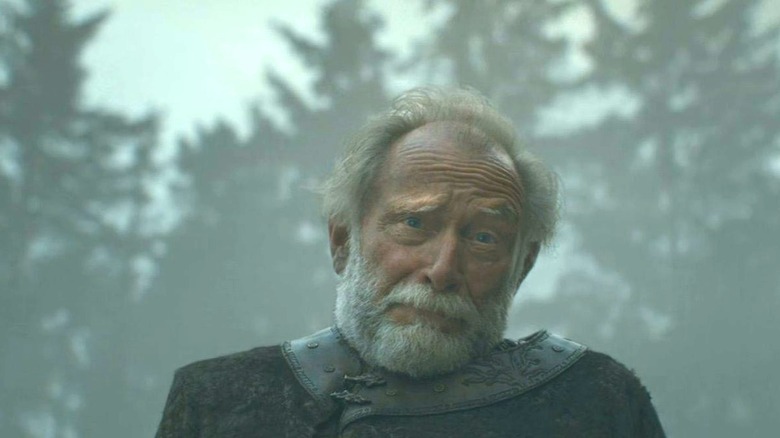
We know from "A Knight of the Seven Kingdoms" that institutions will only get more corrupted with time. By the era of Duncan the Tall, long after "House of the Dragon," true knighthood feels almost like a foreign concept. Dunk's mentor, Ser Arlan, may not have been the most memorable knight in the realm, but at least he did the right thing and stood up for people who couldn't defend themselves. From what we saw in that show, he took knighthood seriously, which is more than several other characters can say. That slow deterioration makes the moment in "Game of Thrones" where Brienne gets knighted all the more poignant, because it restores the moral righteousness to the position after centuries of corruption, apathy, and people like Ulf.