

Andy Weir Adored This Ryan Gosling Space Movie That Should Have Never Flopped
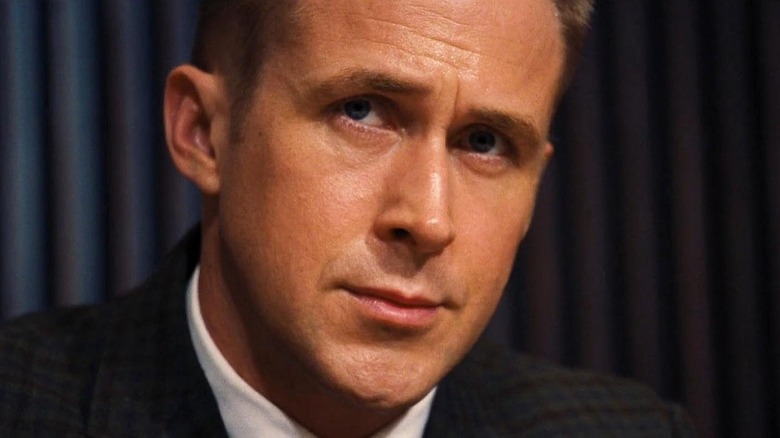
If you go into "First Man" expecting a companion piece to that other flick where Ryan Gosling plays an astronaut, i.e. the rightly-celebrated "Project Hail Mary," you'll be in for a bit of a rude awakening. Directed by Damien Chazelle and adapted by screenwriter Josh Singer from James R. Hansen's 2005 non-fiction book of the same name, the 2018 drama is a far more melancholy affair than the aforementioned Andy Weir sci-fi novel turned film. Instead of an adorable, zany alien sidekick, Gosling's taciturn "First Man" character, the real-world NASA legend Neil Armstrong, usually has naught but grief from the death of his 2-year-old daughter for company in space. He also comes within an inch of perishing on the job a lot. And I mean a lot.
"First Man" follows Gosling's Armstrong as he joins Project Gemini — the United States' second human spaceflight program — after his daughter's death in the 1960s. From there, of course, he eventually becomes part of NASA's Apollo program and the first team to reach Earth's moon. What you get is a movie of two halves. There are the glimpses into Armonstrong's domestic life with his wife Janet (Claire Foy), a forebear to Singer's study of another real-life strained marriage in his script for the 2023 Leonard Bernstein biopic "Maestro." And then there are the scenes where Armstrong puts his life on the line by conducting tests in audibly rickety NASA vehicles, which Tom Cross edits with the same breathtaking intensity as his Oscar-winning work on Chazelle's 2014 breakthrough film "Whiplash."
Weir summarized "First Man" nicely on social media in 2018, calling it "an intimate look into the life of a quiet, subdued man doing incredible things [with the] perfect balance of introspection and action." So, why did the movie flop?
First Man isn't a picker-upper, unlike other Ryan Gosling space movies
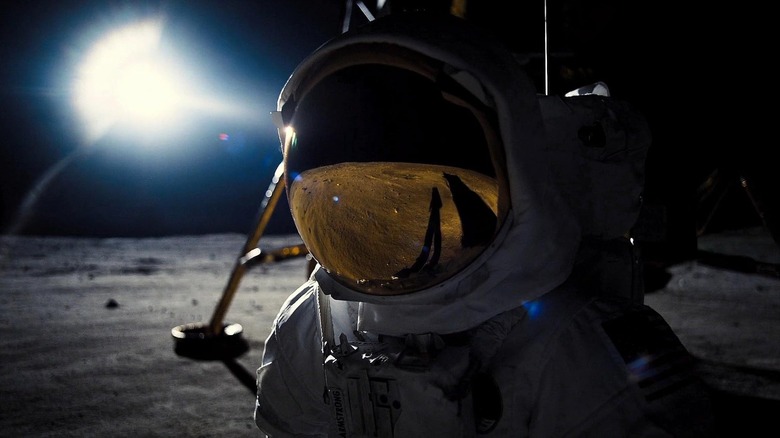
Like the manufactured controversy over Christopher Nolan's "The Odyssey" movie adaptation, "First Man" came under fire for reasons that were utterly ridiculous in 2018 and come across as even more nonsensical now. It was all to do with Damien Chazelle's decision to avoid recreating the iconic visual of Neil Armstrong planting the U.S. flag on the Moon, which led to accusations of the film being anti-American. (I won't bother to say who, precisely, made these claims, but it was 2018; you do the math.)
Watching the movie, though, it's immediately obvious why Chazelle made this choice. "First Man" is about putting a human face on the scientific achievement that was sending people to the Moon, including the lives and resources sacrificed over the course of that venture. Crudely replicating Armonstrong's planting of the flag, as opposed to showing what he got up to when the camera wasn't rolling, would cheapen the film emotionally and threaten to make it feel like a cinematic wax museum. Of course, that version of "First Man" probably would've been far more lucrative, as evidenced by the box office success of so many vacant musician biopics over the years.
Therein lies the reason that "First Man" fell roundly short of even doubling its $59 million budget at the box office. It's not a picker-upper you can readily recommend to casual filmgoers like "Project Hail Mary," no matter how much you hype up its nerve-rattlingly visceral you-are-there space flight sequences or the powerful performances by Ryan Gosling and Claire Foy. But just as its narrative ends with a silent, personal moment of reconciliation between characters over something loud and triumphant, it's a much more creatively meaningful movie than the alternative would've ever been.