

The Isaac Asimov Books That Taught Andy Weir How Diverse The Sci-Fi Genre Can Be
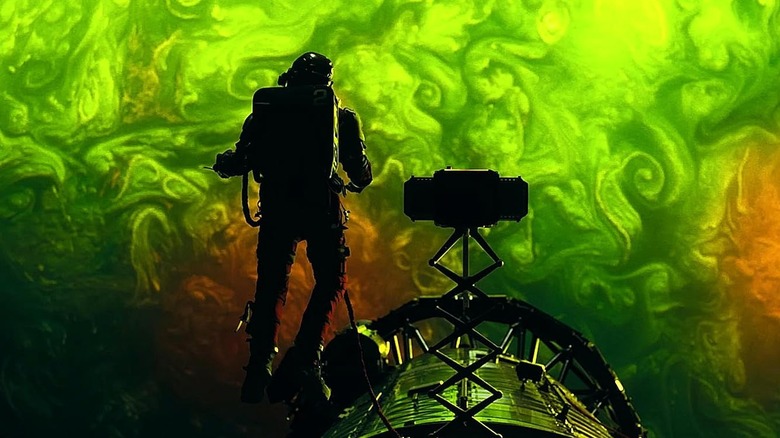
The sci-fi genre has the potential to go in a lot of directions. All it takes is watching a few of the most rewatchable episodes of "Star Trek: The Next Generation" or comparing that IP to the high drama of a space opera like "Star Wars" to realize how many registers you can hit across the sci-fi genre. For "Project Hail Mary" author Andy Weir, the realization of the breadth of sci-fi options came from an even older inspiration: sci-fi legend and Founding Father Isaac Asimov's book "Caves of Steel." In an interview with Grimdark Magazine, Weir was asked about some of the sci-fi books that impacted him the most deeply in childhood. Here's what the bestselling author said:
"I loved the 'Caves of Steel' series by Asimov. They showed me that Sci-Fi can be more than just action or adventure stories. It can also be a mystery or, frankly, anything you want."
The Asimov Classic was originally published as a multi-part serialized story in "Galaxy Magazine" from October through to December 1953. Weir followed up that title with another, even older book, too, saying:
"Also, 'Red Planet' by Heinlein really hit me in my sense of wonder when I read it as a kid."
"Red Planet" by Robert A. Heinlein is a juvenile sci-fi classic published in 1949 that explores Mars through the lens of college kid and human colonist Jim Marlowe. While fun, it is a very different tone from Weir's first choice by Asimov. (Weir is an unabashed fan of Asimov's books, even if he hasn't minced words about some adaptations.)
What books are in the Caves of Steel series?
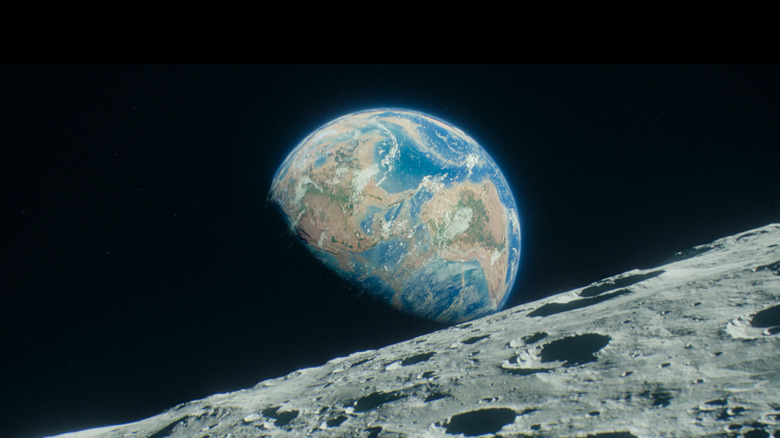
When Andy Weir refers to the "Caves of Steel" series, what he's actually talking about is Isaac Asimov's Robot novels. The first of these is officially called "The Caves of Steel," and it is nothing short of a hard-boiled detective novel — except it takes place a few thousand years in the future. The book introduces two key characters in Asimovian canon: detective Elijah Baley and his robot positronic partner R. Daneel Olivaw. It explores overpopulation, futuristic domed cities, and the initial interplanetary spread of humanity from its home world.
While Asimov wrote a lot of robot short stories, there are four primary books in his Robot novels series. The next book after "Caves of Steel" is "The Naked Sun," where Elijah and Daneel head to the nearby Spacer world of Solaria, where isolation is the norm and physical contact is abhorred. "The Robots of Dawn" then takes the dynamic duo to the Spacer world of Aurora, where they explore the tension between Earth and its colonized worlds.
The last book is "Robots and Empire," and it features an adventure with Daneel centuries after Baley's death. It explores key concepts across Asimov's sci-fi canon, most importantly, the development of the Jedi-like mind trick-like ability Asimov calls "mentalic" powers. Asimov's style and the focus of each book shift significantly, building on Weir's point that the author understood how vast the sci-fi genre really was. The last book is also where readers start to see the breadth and depth of Asimov's sci-fi writing because of a unique connection it has to the author's "Foundation" novels.
Caves of Steel connects to Asimov's Foundation universe
Isaac Asimov was one of the first sci-fi authors to connect all of his characters and stories within the same universe. But the author didn't hit you over the head with that knowledge. He wove it in subtly, and it takes a keen eye to see the connections between his Foundation and Robot books, in particular. Nevertheless, they are clear as day when you see them.
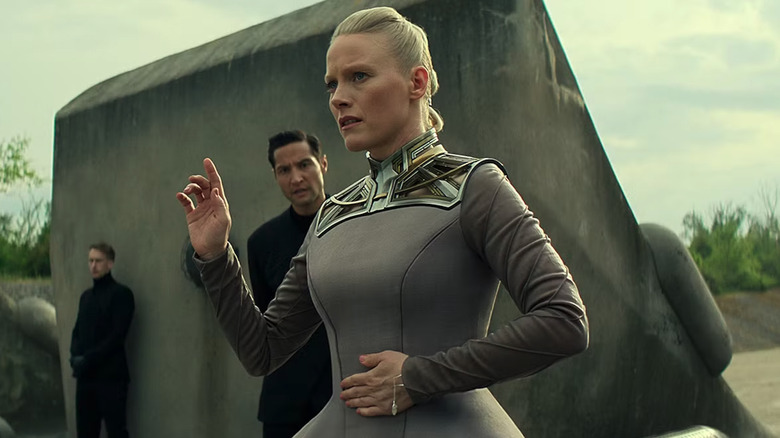
For instance, right from the jump, "The Caves of Steel" links to the "Foundation" novels through the character of R. Daneel Olivaw. Daneel is instrumental in the "Foundation" story 20,000 years in the future (the robot also goes by the name Demerzel and is played by Laura Birn in the Apple TV adaptation).
Asimov's "Foundation" stories are also heavily dependent on things like the "Zeroth Law" of robotics (a robot may not harm humanity, or, through inaction, allow humanity to come to harm). The concept of mentalics is also developed in "Robots and Empire" and then becomes a key part of humanity's future during the "Foundation" story. The Spacer worlds of Solaria and Aurora also show up in the last book, "Foundation and Earth." All things considered, Asimov wasn't afraid to go galactic with his world-building. He also loved to test different concepts and styles across different books. It's no surprise that Andy Weir traces his willingness to push the sci-fi stereotypes back to the bold and varied writing of this sci-fi titan.