

10 Best History Documentaries Of All Time, Ranked
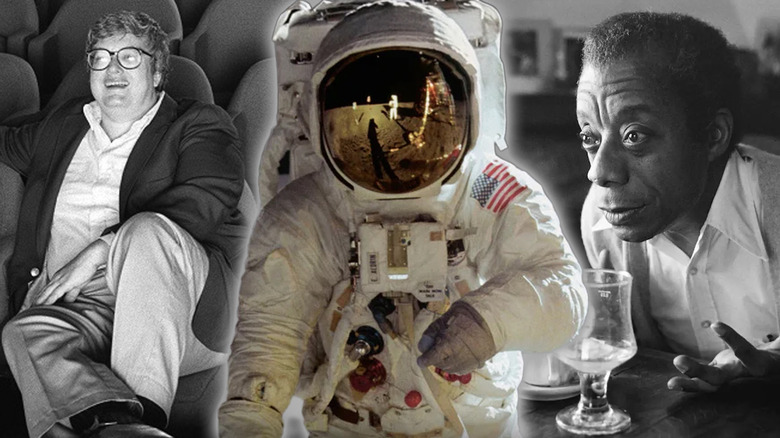
The overall quality of documentaries, particularly documentary films, have improved significantly over the past several years. More than just possessing the benefit of hindsight, documentary filmmakers' game has risen to match increased sophistication in storytelling that saw a rise with prestige television. Operating within a feature film runtime, documentaries focus on telling a concise account of their subjects without sacrificing the inclusion of vital information. This is especially true of documentaries chronicling historical subjects, whether they're pivotal incidents or public figures that left their own impact on the world.
Across the many history documentaries, we've narrowed it down to 10 that rise above the rest, both informative and expertly holding the audience's attention. To clarify, we're focusing on documentary feature films this time around, not television shows or specials. We're also focusing on documentaries that cover events retrospectively, not ones that were still unfolding at the time of their release.
These are the 10 best history documentaries of all time ranked, each shining a light on engrossing subjects.
10. Apollo 11 (2019)
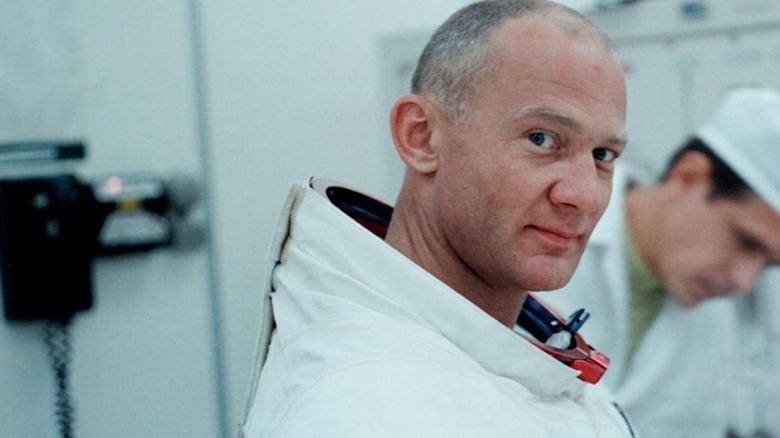
One of the crowning achievements of the 20th century is NASA landing the manned Apollo 11 mission on the Moon in July 1969. This fateful mission is depicted in the 2019 documentary "Apollo 11," released in time for the 50th anniversary of the event. Filmmaker Todd Douglas Miller pulled triple duty as the project's editor, director, and producer, editing 11,000 hours of footage into a coherent movie. In addition to showcasing the lunar landing from multiple perspectives, the documentary also examines the lives of its principal crew.
Offering a comprehensive look at NASA's landmark moment, "Apollo 11" is a must-watch for any fan of humanity's activities in outer space. But beyond the crew of Neil Armstrong, Buzz Aldrin, and Michael Collins, the documentary reminds audiences that it takes a village to get to space, much less to the Moon. The movie also utilizes archival footage provided by NASA that hadn't been seen by the public before, offering a new glimpse into the iconic historical event. Still effectively delivering tension and jubilation even though the outcome has long been set, "Apollo 11" is an exciting look at the effort to land on the Moon.
9. Restrepo
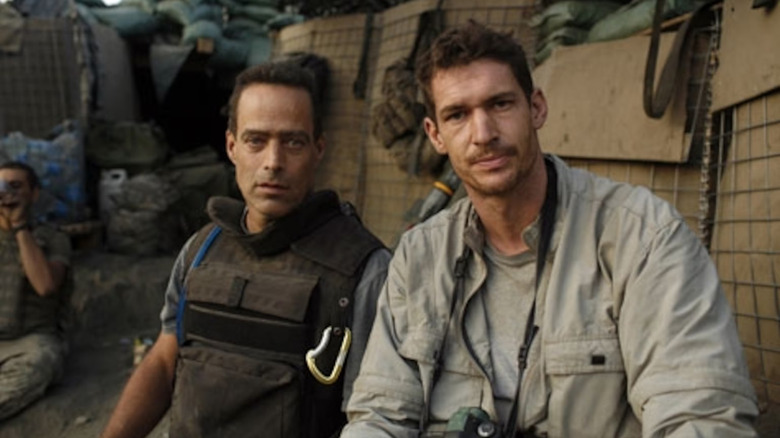
One of the deadliest regions during the United States' deployment in Afghanistan as part of its War on Terror was the Korengal Valley in the country's eastern area. To stem the flow of Taliban troops in the region, the American military establishes a combat outpost manned by a platoon. The position is named for Private First Class Juan Restrepo, a well-liked medic in the unit who is among the first soldiers from the ensemble killed in action. The 2010 documentary film "Restrepo" primarily focuses on the combat outpost in 2006 through 2007, including a dangerous mission to hunt down Taliban forces throughout the area.
"Restrepo" highlights how deadly the titular outpost was, with the soldiers stationed there enduring daily firefights from the Taliban. The footage largely comes from Tim Hetherington and Sebastian Junger, two journalists embedded with the unit for approximately a year. This places the audience right in the thick of the wartime intensity and let's them witness the camaraderie and anguish between the troops firsthand. One of the most tightly focused documentaries covering the war in Afghanistan, "Restrepo" offers an immersive, boots-on-the-ground perspective.
8. Senna (2010)
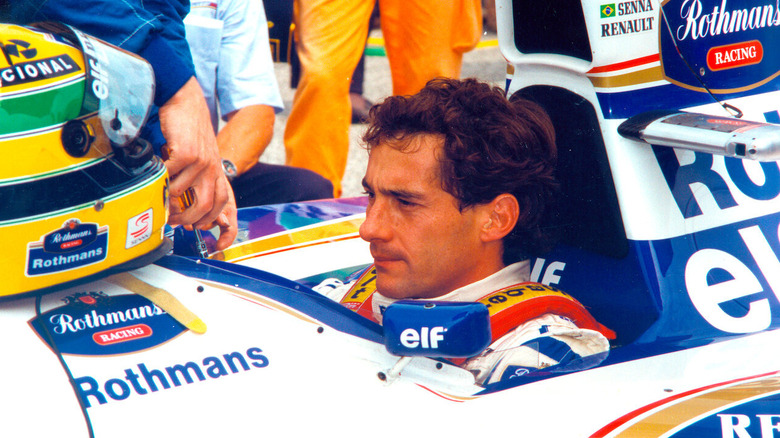
One of the most celebrated Formula One race car drivers of all time is Brazilian champion Ayrton Senna. The beloved competitor's career is chronicled in the 2010 documentary "Senna," which covers his professional debut in 1984 to his untimely death competing in the 1994 San Marino Grand Prix. Rather than relying on retrospective talking head interviews looking back at its subject, the documentary utilizes archival racing footage and news coverage to fill out its Formula One story. This also includes the usage of home movies provided to the filmmakers by the Senna family, offering a more intimate look at the man behind the races.
Over a decade since its release, "Senna" still stands as one of the best racing movies of all time, even for those unfamiliar with the high-octane world of Formula One. From Senna's rivalry with fellow driver Alain Prost to his obsessive drive to be the best, this is an uncompromisingly straightforward documentary. The film's strict reliance on archival footage lets audiences make their own, if slightly streamlined, conclusions about Senna's character and legacy. A deep dive into the life and times of Ayrton Senna through footage of the subject himself, "Senna" is one of the greatest sports documentaries ever made.
7. The Fog of War
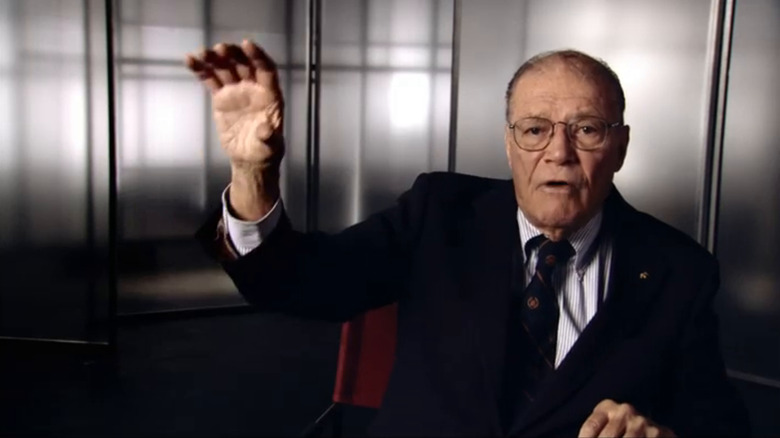
President John F. Kennedy made the divisive choice of appointing Ford Motor Company executive Robert McNamara as his Secretary of Defense. The 2003 documentary "The Fog of War" examines McNamara's life, especially his tenure in the Kennedy and subsequent Johnson administrations. In addition to using archival footage from the era, the documentary features interviews with McNamara himself filmed specifically for the movie. The film is divided into 11 lessons that McNamara identified from looking back at his life and career.
"The Fog of War" is a fascinating study in self-reflection involving one of the most polemical figures in American politics during the 1960s. Throughout the documentary, McNamara alternates between conceding his professional mistakes, especially when it comes to his handling of the Vietnam War, and being defensive of his actions in other moments. This is juxtaposed with clips from the conflict and growing protests in the United States as the war escalates. An introspective look at one of the chief decisionmakers behind the Vietnam War, "The Fog of War" offers an incisive look at its subject.
6. Shoah
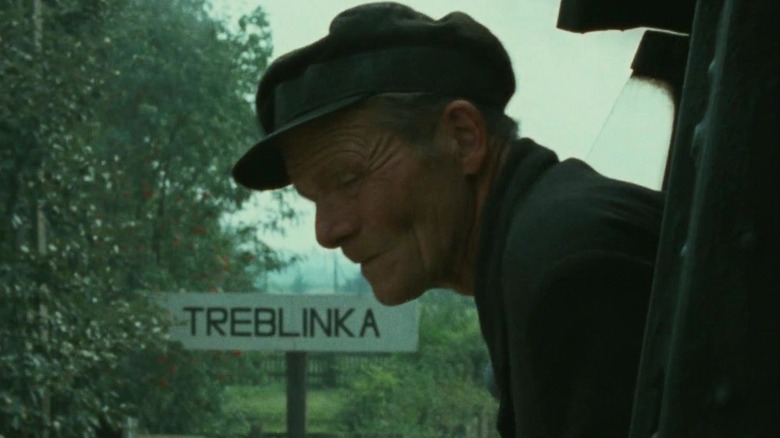
Stories involving the Holocaust are sobering subjects that demand the full attention and respect from the audience in revisiting such an ugly and painful moment of 20th century history. The documentary "Shoah," the Hebrew term for the Holocaust, is careful in not avoiding the grimmer elements of its subject while also affording due dignity to the victims and survivors. Released in 1985, the movie presents an exhaustive look at the horrific event, from the Warsaw ghetto to death camps in occupied Poland during World War II. The movie includes interviews from the survivors, those who committed the atrocities, and those who witnessed the events unfold from varying perspectives.
Running for over nine hours, "Shoah" is a movie best experienced in doses rather than in a single marathon viewing. The documentary is an unflinching look at the greatest evil of the 20th century, emotionally searing as it revisits the Holocaust from a multifaceted approach. The movie also serves as a solid companion piece to "Schindler's List," with the two films illuminating each other in their exploration of the traumatic subject matter. A haunting look at the Holocaust from those who experienced it, "Shoah" will leave audiences shaken and utterly moved by its examination.
5. Man on Wire
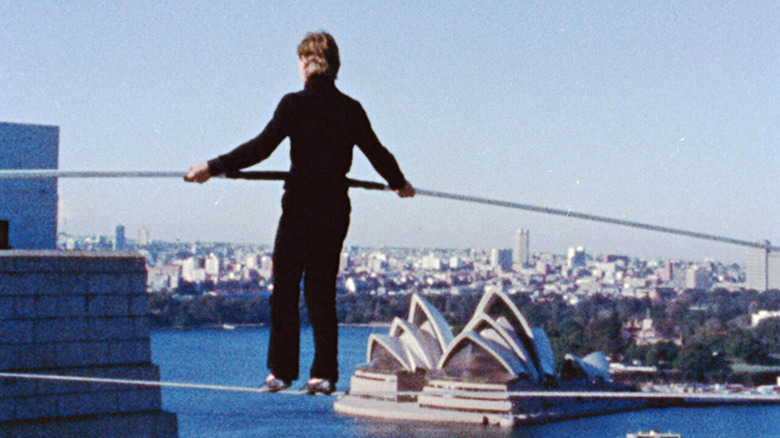
In August 1974, highwire artist and noted daredevil Philippe Petit made an unauthorized highwire walk between the twin towers of the World Trade Center in Manhattan. This incident is the subject of the 2008 documentary "Man on Wire," based on Petit's 2002 memoir "To Reach the Clouds." Director James Marsh stages the proceedings like a heist story, including rare footage of preparations made by Petit and his associates to prepare for the unsanctioned stunt. The movie features interviews with the participants, including Petit, as well as a recreation of the event, with Paul McGill playing a younger Petit.
There was a period when "Man on Wire" was the best reviewed movie of all time on Rotten Tomatoes, a distinction well-earned. The movie's heist-themed approach was a brilliant way to go, capturing the illicit excitement of the act leading up to its stratospheric climax. The documentary goes deep in delivering the spectacle involved and why Petit's highwire derring-do still has us buzzing decades later. While Robert Zemeckis' "The Walk" with Joseph Gordon-Levitt as Petit has its own merits in recreating the event, "Man on Wire" remains the definitive account of this death-defying feat.
4. Summer of Soul (...or, When the Revolution Could Not Be Televised)
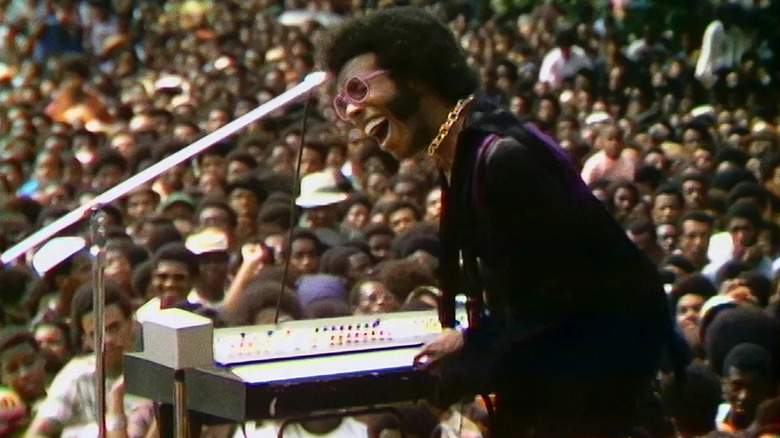
While the Summer of 1969 is better known for the Woodstock Music and Art Fair in upstate New York, that same summer a different musical festival occurred in Manhattan. The Harlem Cultural Festival unfolded across six Sundays that summer, with a documentary covering the event directed by Questlove released in 2021. Under the full title "Summer of Soul (...or, When the Revolution Could Not Be Televised)," the movie shines a light on why the event has gone largely unrecognized. This is juxtaposed with concert footage from the festival, including performances by Stevie Wonder, Nina Simone, and Gladys Knight and the Pips.
"Summer of Soul" is a joyous celebration of a forgotten music festival, with Questlove highlighting the impressive musical acts at the top of their game. Questlove builds out the context of the event through contemporary news coverage and present-day interviews with surviving artists and audience members. That so much professionally filmed footage from the festival exists proves to be a boon for the filmmakers in showcasing a number of standout performances. Easily one of the best music documentaries to ever exist, "Summer of Soul" unearths a vital and criminally overlooked moment in 20th century music history.
3. They Shall Not Grow Old
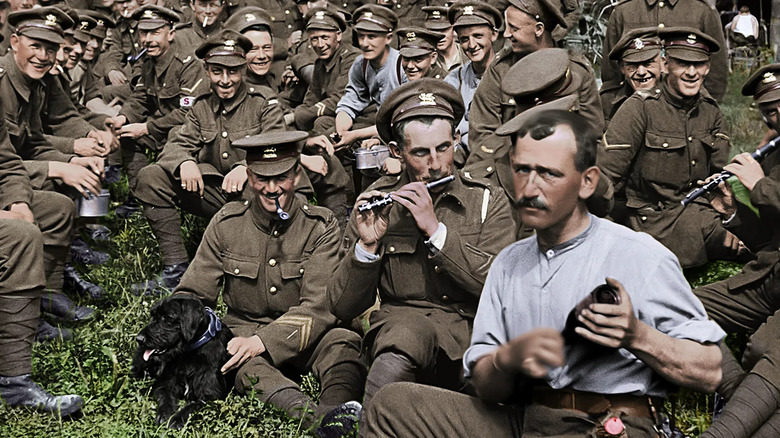
After helming the "Lord of the Rings" and "Hobbit" trilogies, filmmaker Peter Jackson turned his attention from high fantasy to World War I history. Directing and producing the 2018 documentary "They Shall Not Grow Old," Jackson restored archival footage held by the British Imperial War Museum. Providing an immersive perspective on the horrifying conflict, the production not only colorizes the footage but adds diegetic sound effects and incidental dialog. As the footage depicts various aspects of the war, from the homefront to the trenches, audio from WWI veterans occasionally offers additional context.
The level of restoration alone that Jackson and his team breathe into footage over a century-old is astonishing just as a technical feat. But "They Shall Not Grow Old" also offers a compelling look at World War I, unlike any other war documentary that has come before or since. The movie provides a deep dive into the forgotten World War, bringing it to viewers with startling clarity and intimacy. A near-perfect war documentary directed by Peter Jackson, "They Shall Not Grow Old" stands as one of fan-favorite filmmaker's most celebrated projects.
2. I Am Not Your Negro
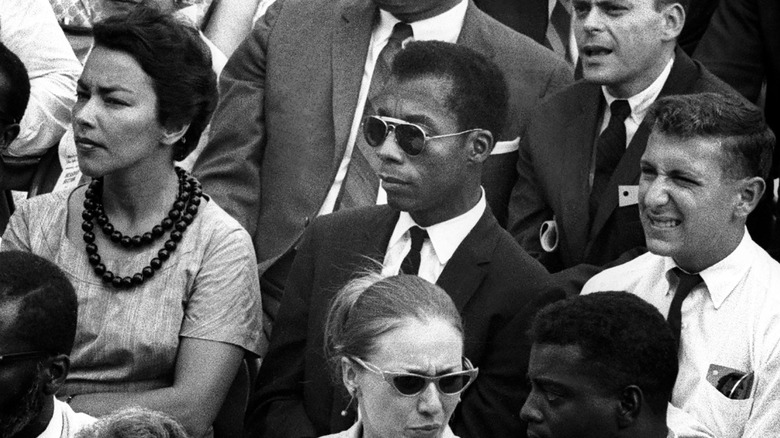
Seminal writer and civil rights activist James Baldwin has his unfinished memoir "Remember This House" serve as the basis for the 2016 documentary "I Am Not Your Negro." In a 1968 interview opening the movie, Baldwin asserts that the fate of the United States is tied to how the country addresses Black Americans. This sets the tone for the movie, with Baldwin's recollections and filmmaker Raoul Peck examining different aspects of racism and the civil rights movement in the 20th century. The movie is divided into five chapters accordingly, ranging from social commentary on race in contemporary pop culture to perceptions and lessons from public figures in the movement.
"I Am Not Your Negro" channels James Baldwin in his own words, with plenty of archival footage and commentary to underscore his observations. Even decades after Baldwin's death, the context that the movie provides makes his messaging maintain a continued resonance. In addition to narrating the documentary, Samuel L. Jackson also recites direct passages from Baldwin's work, further lending his perspective. Detailing the civil rights movement in the mid-20th century and observing how far society still has to go, "I Am Not Your Negro" is a stirring commentary on race relations.
1. Life Itself (2014)
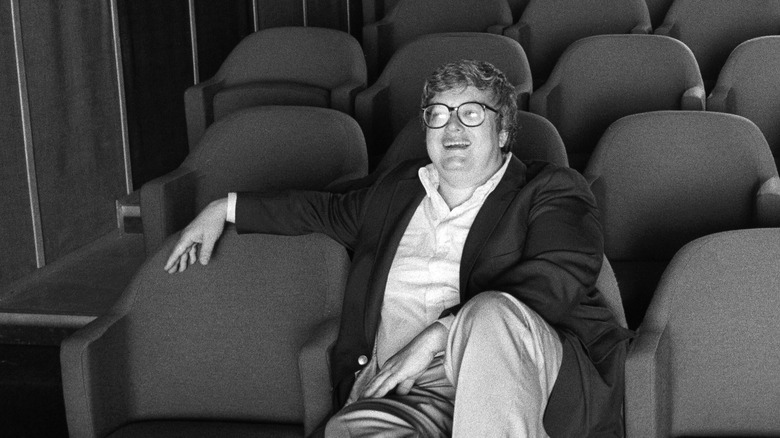
Count on a film site regarding the life and career of a film critic as the best history documentary of all time, but here we are. 2014's "Life Itself" adapts the memoir of film critic and journalist Roger Ebert's life before he passed away in 2013. The movie uses archival footage of Ebert's work and television appearances, as well as having voice actor Stephen Stanton impersonate Ebert while reading passages from his autobiography. This is coupled with interviews from various people who knew Ebert personally, from his wife Chaz to fellow critics like Richard Corliss and filmmakers like Martin Scorsese.
Roger Ebert was the sort of straight-shooting film critic that had no problem calling out movies for being cruel and dishonest while admitting his own preferences. "Life Itself" retains a similar honesty to its storytelling, covering Ebert's flaws as well as his triumphs and contributions to pop culture commentary. Even those who didn't agree with Ebert's outlook on cinema will find the documentary to be an emotionally affecting and sentimental celebration of his life. Roger Ebert was a man who, above all else, loved movies, and we love the deserved cinematic treatment that he received.