

How Streaming Allowed Star Trek: Deep Space Nine To Finally Get Proper Recognition [Exclusive]
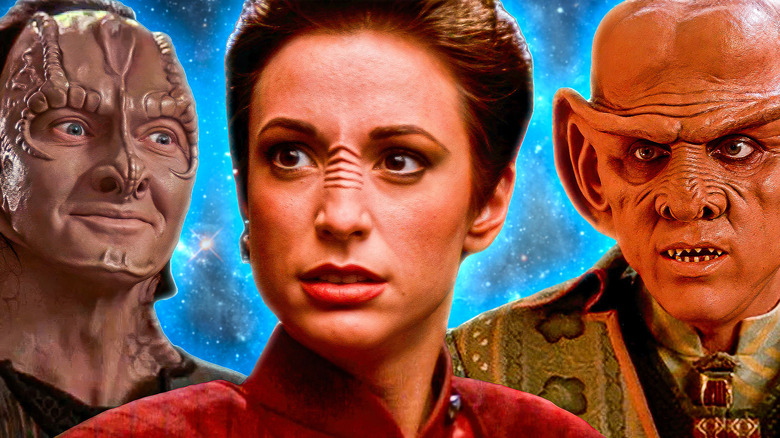
Despite its reputation for consistency, "Star Trek" has undergone quite a lot of change over its 60 years of existence. In a testament to the willingness of fans to try something new (eventually, at least), "The Next Generation" proved that even William Shatner and the cast of "The Original Series" could step aside as the face of the franchise and allow others to take the helm. But arguably no other series tested the limits of what "Trek" really means than the gradual success of "Deep Space Nine." A show set on a space station instead of an exploratory starship, set amid a militarized conflict, and led by a Black captain? You couldn't come up with a bolder, more subversive take on the property if you tried ... and, indeed, it would take some time before viewers caught up to its brilliance.
Few understand that uphill battle better than "Deep Space Nine" star Nana Visitor, the talented actor tasked with bringing the tough-as-nails hero Kira Nerys to life. She stands out as one of the more complex characters in the entire franchise, serving as a liaison officer representing the interests of the embattled planet Bajor to Starfleet. Convicted, stubborn, yet almost always the most clear-eyed figure around, Kira best embodies the scrappy, "Got that dog in them" mentality that the most underrated "Trek" show of them all always displayed.
So when I had the opportunity to speak with Visitor at this year's New York Comic Con while she was there promoting the new documentary "The Sixty-Year Mission: How Star Trek Changed Television and the World," I jumped at the chance to ask for her insights on just how far "Deep Space Nine" has come. She pinpoints the exact moment "Deep Space Nine" finally received the credit it deserved: streaming.
Nana Visitor explains how streaming changed the perception of Deep Space Nine
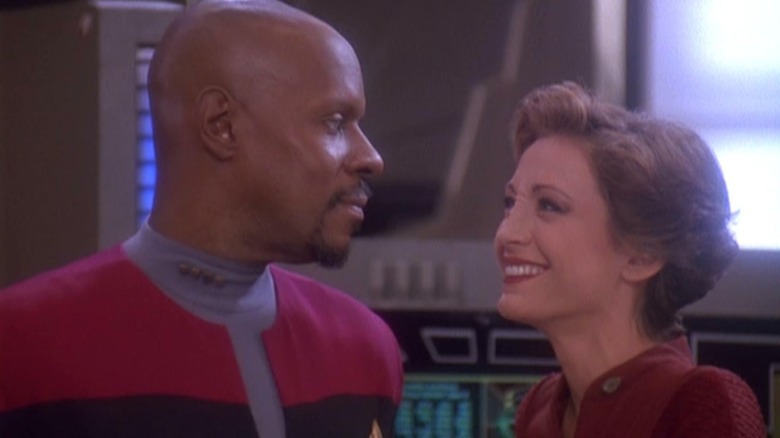
As "Deep Space Nine" proved on several occasions, perhaps time really isn't as linear as we tend to think. When the series premiered, audiences didn't immediately respond to its debut season. Part of that stemmed from the fact that the writers themselves were still figuring out the myriad plot lines and dynamics that would go on to define the show (to say nothing of early misfires like "Move Along Home," commonly considered the most hated "Deep Space Nine" episode of all). But, more than any other installment of the franchise, perhaps the one affectionately known as "DS9" needed a sort of long-term perspective to fully appreciate it — one that only time and space could provide.
Nana Visitor would agree. While speaking with /Film, the star pointed to one specific experience she had from a few years ago where it all clicked into place. According to Visitor:
"I remember a moment during the pandemic that on Twitter someone posted, ”DS9' is trending. Why?' And that question was very [laughs], it was like, 'Oh, yeah, because we were always the underdog,' and now suddenly people were being able to stream it and revisit it because they were looking at things to do at home during the pandemic.
And once the serialization was streamed, you could see what the writers were doing. You could see the arcs and the beautiful, subtle storytelling. And you got to know and love the characters."
That certainly speaks to the breadth of storytelling on display throughout every season of "Deep Space Nine," which tackled some of the most ambitious and intertwined narratives in all of "Trek." Now, well over 30 years later, "Deep Space Nine" simply is "Star Trek" — and rightfully so.