

Not The 100, Not The Last Of Us: This Post-Apocalyptic Sci-Fi Series Deserves More Attention
Is there still a place for art when the world ends? It's not a question that most post-apocalyptic media really focuses on. Instead, it tends to spend more time exploring how humankind might survive and reorganize after some horrifying catastrophe causes our global society to collapse. Even in George Miller's "Mad Max" saga movies, the art of oral storytelling is only examined insofar as it functions to maintain a record of human history.
"Station Eleven," however, is all about art and the ways it becomes inextricably linked to our current circumstances when we're exposed to it. Adapted from the 2014 Emily St. John Mandel novel of the same name, the HBO Max miniseries follows a small group of individuals as their lives are turned upside down by the onset of a devastating pandemic. Yet, it begins, fittingly enough, with a pre-pandemic performance of "King Lear," a William Shakespeare play about the tragic end of a dynasty. There, life suddenly imitates art as the production's star, Gael García Bernal's Arthur Leander, abruptly dies on stage just as human civilization itself begins crumbling due to the worldwide spread of a deadly virus.
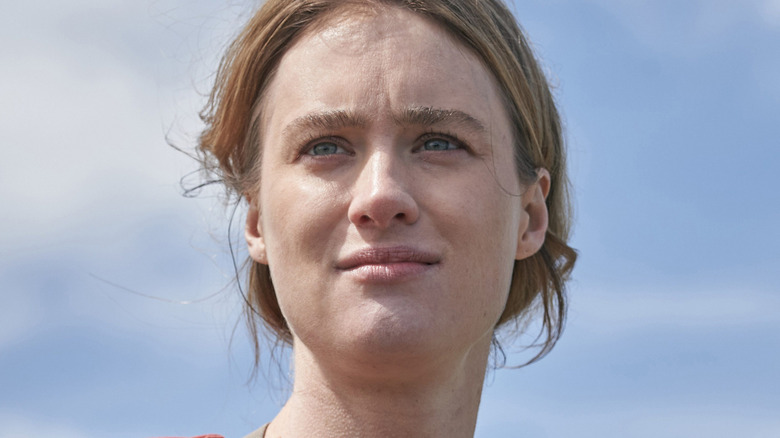
20 years later, a roaming group of performers known as the Traveling Symphony continues to stage the Bard's plays, while a depressing yet entrancing graphic novel titled "Station Eleven" links several of the show's survivors. That includes Kirsten Raymonde (Mackenzie Davis), a Traveling Symphony artist who was a child actor in that doomed staging of "King Lear" so long ago. But as much as the "Station Eleven" comic sustains Kirsten (just like her artistry nurtures the spirits of the Traveling Symphony's patrons), it also fuels a violent cult of abducted children led by the cryptic Prophet (Daniel Zovatto).
The result? A deeply moving series that warrants greater attention.
Station Eleven reminds us that life goes on, even in a post-apocalyptic world
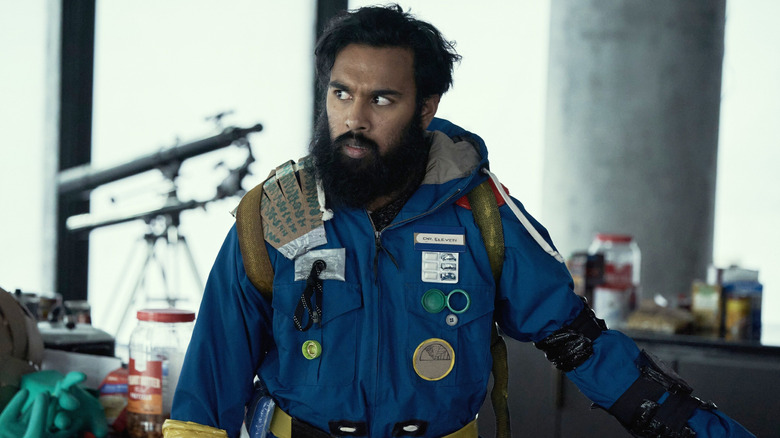
Unlike comparable sci-fi TV series, "Station Eleven" takes a fully multi-pronged approach as it moves back and forth in time to follow different characters. Most notably, Himesh Patel serves as the show's co-lead as Jeevan Chaudhary, a fellow who unwittingly becomes the caretaker to a young Kirsten (Matilda Lawler) after they meet the night of Arthur's death. The series similarly follows Arthur's ex-wife Miranda Carroll (Danielle Deadwyler) and second wife Elizabeth (Caitlin FitzGerald), along with others in their orbit, gradually revealing the roles they play in shaping the post-apocalyptic world to come.
Through it all, showrunner Patrick Somerville (serving up a combination of hopefulness, heartbreak, horror, and even dark humor that recalls his work on "The Leftovers") and his creative team constantly returns to the theme of how art and culture can bring out both the best and worst in people. Because of this, you wind up with a series that is quieter and less thrill-driven than hit post-apocalyptic shows like "The Walking Dead," "The 100," and "The Last of Us." In keeping with that, "Station Eleven" also embraces a more organic and less threatening visual sensibility as it delves deep into its characters' messy humanity (a courtesy it extends to the zealous Prophet as well).
That's probably part of why "Station Eleven" didn't break into its mainstream. More than that, though, it had monumentally bad timing, debuting as the world was still recovering from the COVID-19 lockdowns in December 2021. The irony, of course, is that "Station Eleven" is all about finding hope among harsh times through creativity and serendipity, itself a message that many folks desperately needed at the time. Little has changed five years later, so why not finally give it a look?