

Sadie Sink Starred In An Adaptation Of The Odyssey That Didn't Last Long
When you adapt "The Odyssey" into a movie or TV show, you have to think outside the box. It's not enough to merely render the ancient epic poem attributed to Homer as faithfully as you can based on any single translation. You have to do something more innovative, lest your adaptation blend in with the many, many others before it. Cast Wishbone the adorable Jack Russell Terrier as your protagonist, Odysseus, have the story take place in the "SpongeBob Squarepants" universe, rejig the whole thing as a Coen Brothers period crime comedy — whatever you want! Just make sure it's different.
Say what you will against "American Odyssey," but it at least got that part right. Created by Peter Horton ("Grey's Anatomy"), Adam Armus ("Heroes"), and Kay Foster ("The Following"), the NBC series premiered in 2015 and was envisioned as a modern-day spin on "The Odyssey" — so much that it was originally called simply "Odyssey" and released under that title in the UK. This was not, however, an ideal time to be launching a network show. With streaming becoming all the rage, a series like "American Odyssey" needed to stand out from the crowd to survive past a single season, be it with a killer premise or stellar reviews. Unfortunately, it had neither.
What it did have was Sadie Sink, then still two years away from blasting off (and, in time, introducing a whole new generation to the power of Kate Bush) thanks to her turn as the troubled, monster-fighting teenager Max Mayfield on "Stranger Things." So, in light of that and Sink snagging herself a shiny new role in "Spider-Man: Brand New Day," it's worth pausing to reflect on this forgotten artifact and its place in the history of small screen storytelling in the 21st century.
American Odyssey got lost in a sea of similar political thrillers
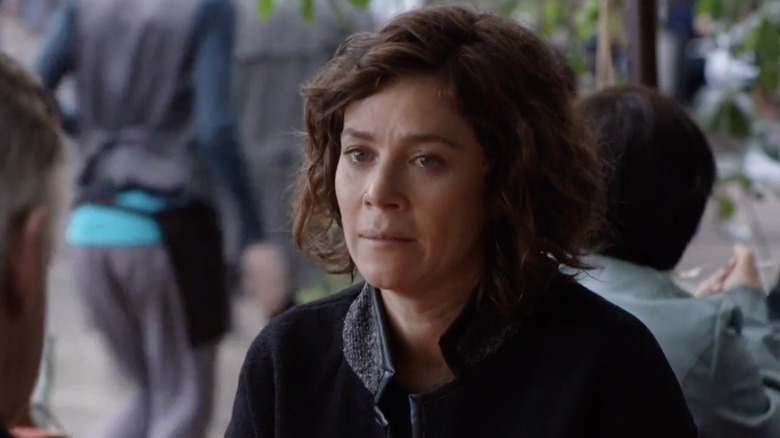
Well before Christopher Nolan's "The Odyssey" injected modern political anxiety into Homer's tale of a guy being constantly delayed on his journey home from war, "American Odyssey" did just that, albeit in a modern setting and with Anna Friel as its lead. The "Pushing Daisies" and "Marcella" actor starred in the series as Odelle Ballard, a U.S. Army Sergeant who uncovers the illicit dealings of a U.S. corporation during an operation to take down an Al Qaeda commander in North Africa. Throw in a very shady, Blackwater-esque private military contractor group and a highly suspicious attack that leaves Odelle stranded far from home as the sole surviving member of her army squad, and you've basically got "The Odyssey" by way of Showtime's hit Claire Danes-led political thriller show "Homeland."
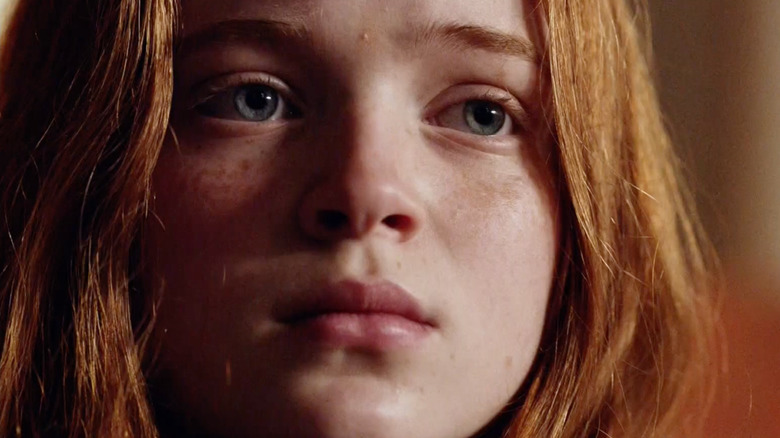
Critics noticed as much, although most of them felt "American Odyssey" lacked the nuance or finesse of "Homeland" and other then-recent titles dealing with U.S./Middle Eastern relations. The series also sought to create tension through the, at the time, in-vogue approach of "shaky-cam and furtive jump cuts" (to quote Allison Keene's review for Collider), but without the precision necessary to make that style sing. Even the show's fragmented narrative, which included a thread focusing on Odelle's daughter Suzanne (Sadie Sink) trying to discover the truth about what happened to her mother when she's reported dead, proved less effective than it had elsewhere (in most critics' eyes, anyway).
Viewers weren't taken with "American Odyssey," either. It was canceled after only 13 episodes, leaving its creatives to scuttle their ambitious plans to turn the series into a bit of an anthology in future seasons. As Odysseus could tell you, the journey home just doesn't always work out the way you'd like.