

J.R.R. Tolkien Didn't Mince Words About The First Ever Lord Of The Rings Adaptation
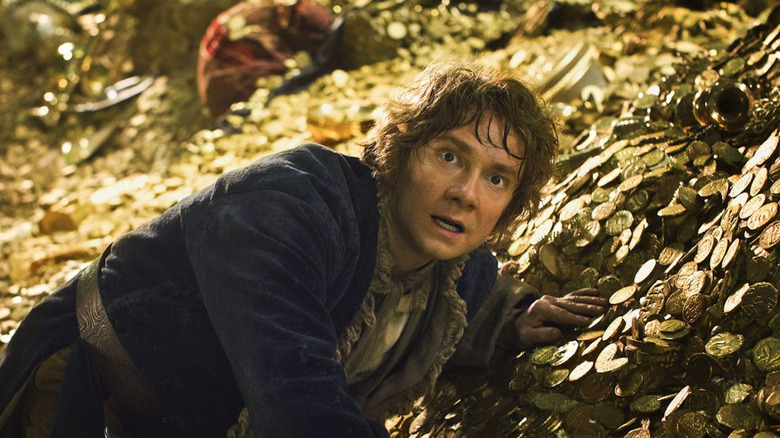
"The Lord of the Rings" author J.R.R. Tolkien was a well-known critic of his own creation. The man struggled to finish writing things on his own (many of his books were published by his son after his death). And the author was intensely critical of some of the, frankly, bizarre Tolkien adaptations attempted in his lifetime. In 1957, Tolkien famously tore a script by Morton Grady Zimmerman to shreds, criticizing the project's rampant carelessness, general degradation, and excessive use of eagles.
Even though this was just two years after he finished writing "The Lord of the Rings," it wasn't Tolkien's first time critiquing an adaptation. In 1955, the year "The Return of the King" was published, he had also worked with the BBC to help create a radio adaptation of his new trilogy.
Before we get into the critical weeds, let's start with the good stuff. Overall, Tolkien's feedback was less severe than with the movie script two years later. In fact, he initially had quite a few positive things to say about the broadcast, which was split into two "seasons." For instance, he had praise for the way they handled The Council of Elrond (a dialogue-heavy sequence perfect for radio). He also thought the elves were "managed excellently."
But there was also plenty of feedback. He thought Bilbo sounded boring and didn't like it when they mislabeled Tom Bombadil's wife, Goldberry, as his daughter. The general tone really was positive, though, and both Tolkien and his son, Christopher, worked with the show's producer, Terence Tiller, who took the job very seriously. They broke down key scenes and made sure things like accents and name pronunciations were correct. It wasn't until the second act of the two-part series that things started to break down.
Tolkien didn't think Lord of the Rings was fit for a radio broadcast
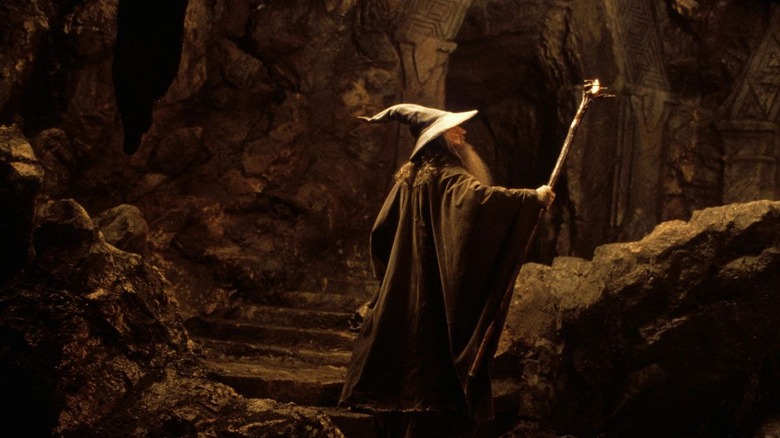
By the time the second part of Terence Tiller's adaptation was underway, J.R.R. Tolkien's criticism of the adaptive choices were mounting. Despite plenty of positive reviews of the show, he was aware of the negative feedback and seemed quicker to point out his growing discontent with the overall project. In November of 1956, he wrote a letter to Tiller responding to scripts for three episodes. He said he was going to restrain himself from "offering any criticism of detail" — then he did just that.
While the letter isn't long compared to some of the Oxford professor's personal communications, it packs a lot in a few paragraphs — and represents some of his most complete thoughts about the project. The most gently damning line reads thusly:
I remain, of course, flattered and pleased that my book should receive this attention; but I still cannot help wondering: why this form? Personally, I think it requires rather the older art of the reading 'mime', than the more nearly dramatic, which results in too great an emphasis on dialogue (mostly with its setting removed).
Tolkien pointed out that the radio format was confusing for non-book readers. He thought the scenery and characters were "flat" and continued to point to the issue of a voice-driven drama for this kind of story. He ends the letter by acknowledging that he lacks experience in the medium, and he isn't criticizing Tiller's text, which is actually high praise from Tolkien. He even added the interesting tag (which harsh critics of adaptations should remember):
Can a tale not conceived dramatically but ... epically, be dramatized – unless the dramatizer is given or takes liberties, as an independent person? I feel you have had a very hard task.
What did audiences think of the 1955 Lord of the Rings adaptation?
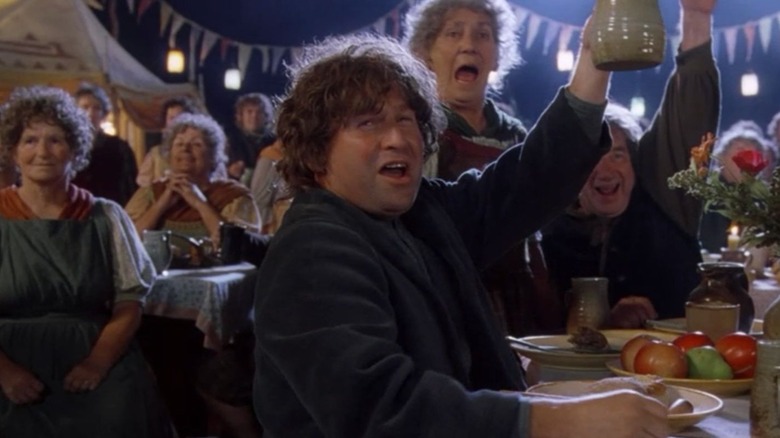
While J.R.R. Tolkien's attitude toward the radio version of his story soured over time, audiences did not have the same opinion. Many found the light-hearted story a wonderful break from the norm. The vocal performances were praised as well. Feedback for the first series was better than the second. Overall, though, there's no doubt that people enjoyed the story, even if it was repackaged in a more dramatic and less epic format.
The positive feelings toward this initial adaptation have extended into the present. Many people continue to praise the quality of and performances in the BBC radio version. Redditor Weekly_Breadfruit505 is a good example. Just a few years ago, they provided a lengthy review, lauding the production. Here's part of what they said:
I honestly think it remains the best adaptation of LOTR to date. It is true to the books, and it misses things out rather than changes things ... every performance is just magical ... I love that radio series. Gonna have to give it another listen."
We are in a golden age of Middle-earth media. "The Rings of Power" Season 3 premieres at the end of 2026. Director Andy Serkis confirmed a release date for "The Hunt for Gollum" a year later. Stephen Colbert is writing a script for a "Lord of the Rings" sequel that will follow. Peter Jackson is trying to tell more stories with "The Silmarillion," too. It's easy to get lost in the sauce here, but let's not forget these early pioneers who took on the incredible challenge of adapting these hallowed fantasy books with limited tools, all while laboring under the critical eye of their creator.