

Why Richard Donner Felt Casting Christopher Reeve As Superman Hurt The Actor's Career
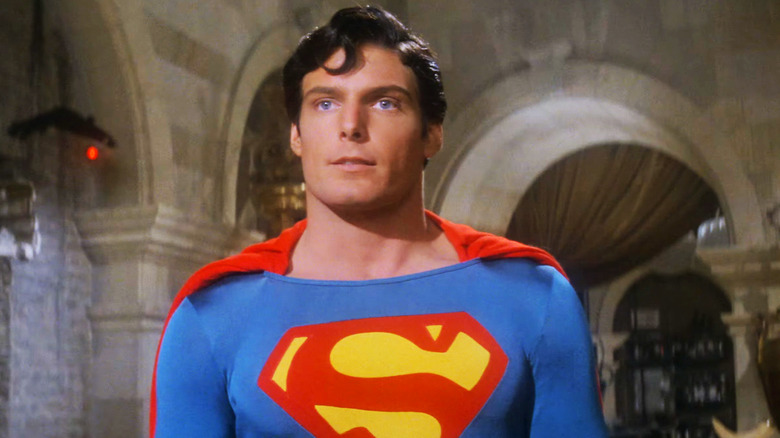
You might have loved James Gunn's charming crowdpleaser "Superman," or perhaps you were taken in by Zack Snyder's gloomy take on the Man of Steel. But there's still nothing like Christopher Reeve's Superman performance. His portrayal of the iconic hero remains the gold standard even after multiple decades and several subsequent performances. But director Richard Donner, who oversaw Reeve's introduction to the masses with 1978's "Superman," felt bad about casting the then-unknown actor in the role. According to Donner, his star would have had a successful career as a leading man had he not played Supes.
If you can believe it, there was a time when superhero movies were not a staple of pop culture. In fact, in the late '70s a public yet unburdened by superhero fatigue presented the kind of problem that, today, would be unthinkable. Warner Bros. not only had to convince audiences that Reeve's Superman was something special, but that a comic book movie was worth showing up for in the first place.
Of course, "Superman" ultimately proved to be the blueprint for every superhero movie that followed, not only in terms of the film itself but the marketing campaign which proudly promised moviegoers they would "believe a man can fly." After "Superman" became a hit, Reeve himself had flown to stardom. But not only would the actor become increasingly frustrated with subsequent films in the franchise, he found himself unable to break away from the role that established him as a star. While Donner might not have said it outright, he seemed to feel at least partly responsible.
Richard Donner felt Superman ultimately stunted Christopher Reeve's career
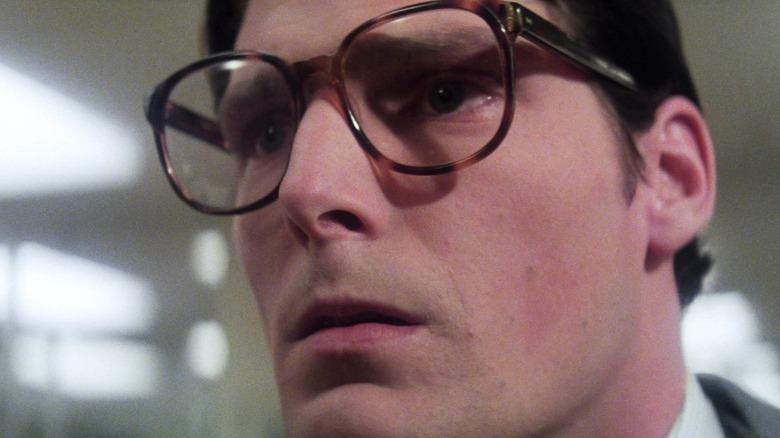
According to a DC producer, Christopher Reeve was cast as Superman precisely because he was an unknown. The Juilliard grad made his film debut in 1978, the same year that "Superman" was released, in the Charlton Heston-led submarine disaster flick "Gray Lady Down." When he took to the skies as Supes, then, he basically had no public profile whatsoever. The only other projects he'd been involved with were stage productions, one of which Richard Donner attended.
During an interview with the Life After Movies Web Show, the director recalled seeing Reeve on-stage. "When I cast him I had seen him in a play off-broadway or in the village actually," he said "[...] where I believe he played two characters; one himself, one his grandfather. And he was a wonderful actor, charming actor." Indeed, in the same way Donner was prepared to make a reverent celebration of an American hero, Reeve was prepared to treat the character as one worthy of serious study.
But in their enthusiasm to do justice to this icon of American fiction, both Reeve and Donner were blind to the potential pitfalls the "Superman" star might face. Asked about the struggles actors face when becoming associated with high-profile and popular characters, Donner told Life After Movies, "It was very hard... for Christopher to break away from being Superman. In reality he was a damn good little actor but people would either compare him to Clark or Superman or somewhere in his head he was trying to break away from that image [...] If he had never done 'Superman' I really believe he would have gone on and had a career as a leading man."
Christopher Reeve was never going to let typecasting hold him back
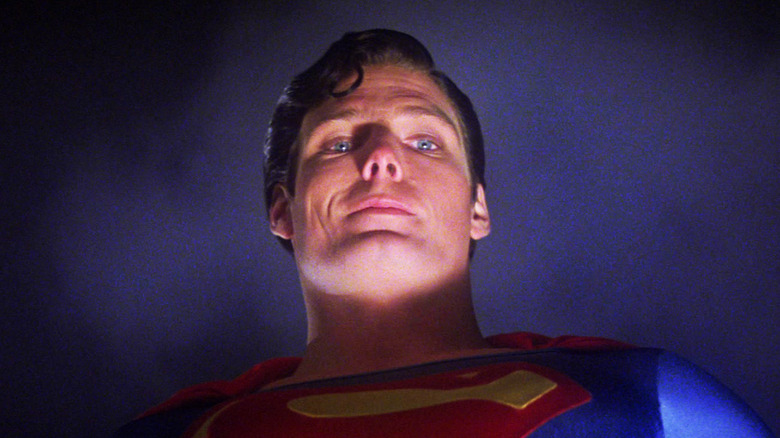
One of the most powerful, emotional, and inspiring documentaries ever made "Super/Man" provides an intimate look at the struggles Christopher Reeve faced post-"Superman." Obviously the biggest of these came from being paralyzed from the neck down after a riding accident. But before that, the talented young actor had a hard time leaving Kal-El behind.
For Richard Donner, Reeve was never truly able to, as the actor himself put it, "escape from the cape." In his Life After Movies interview, the director doesn't say he felt responsible for Reeve's post-Superman difficulties, but the pang of guilt is clearly there. "The fact that he was Superman, I think held him back in many many areas," said Donner, adding:
"The industry says there's a jinx. That's stupid. I don't believe in jinxes, unless you jinx yourself. But that is a big problem for these actors, to get out of that image that 'I am me. I am an actor, give me the role, I'll show you.' And they get stuck in this thing and they're compared to it the rest of their lives. It's a strange relationship with the general public."
Again, if you're tempted to feel too sorry for Reeve, watch "Super/Man" and you'll see that — some dark nights of the soul aside — he worked hard to ensure that he never felt so sorry for himself that he gave up. In that sense, Donner needn't have worried about his star. The man embodied the ethos of his best-known character right up until the end. And even if that wasn't the case, the fact that Reeve was responsible for igniting the imaginations of an entire generation of kids is a pretty super legacy.