

Carrie Showrunner Mike Flanagan Explains What Makes A Great Stephen King Adaptation [Exclusive]
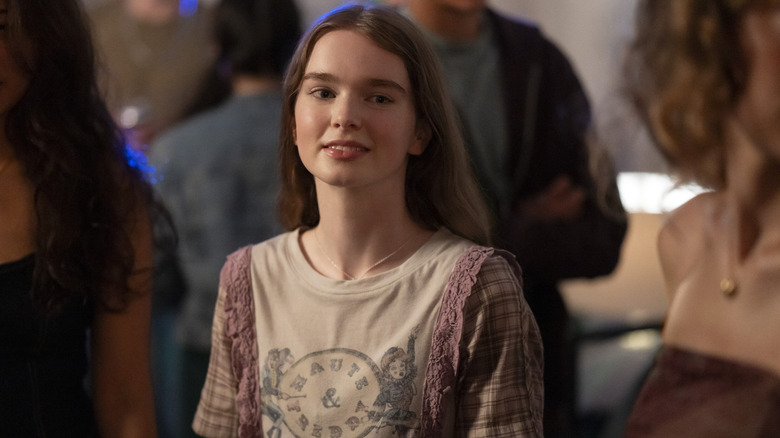
Stephen King has written approximately ten bajillion books (rough estimate), and nearly all of them have been turned into movies (which we ranked here) or TV shows — sometimes both. King is one of the most popular horror writers of all time, and his brand is so well-established that adapting his work to the screen is a no brainer. But of course, not all adaptations are successful. Why? Because lots of people seem to not grasp what makes King's work so special.
More often than not, filmmakers seem to think that the key to adapting King is to recreate his scary scenarios and hope for the best. But any longtime reader of King's work can tell you it's not just the horror that makes his books so memorable. One filmmaker who understands this is Mike Flanagan, who, in addition to making beloved Netflix horror shows, has also adapted several of King's books with great success.
In addition to helming the King films "Gerald's Game," "Doctor Sleep," and "The Life of Chuck," Flanagan is also showrunner of the new Prime Video adaptation of King's debut novel, "Carrie" (read our review of the show here). I was lucky enough to talk to Flanagan about the new series, and I asked him what he thought the secret was to adapting King's work. His answer: highlight not just horror, but heart.
Stephen King: optimistic humanist
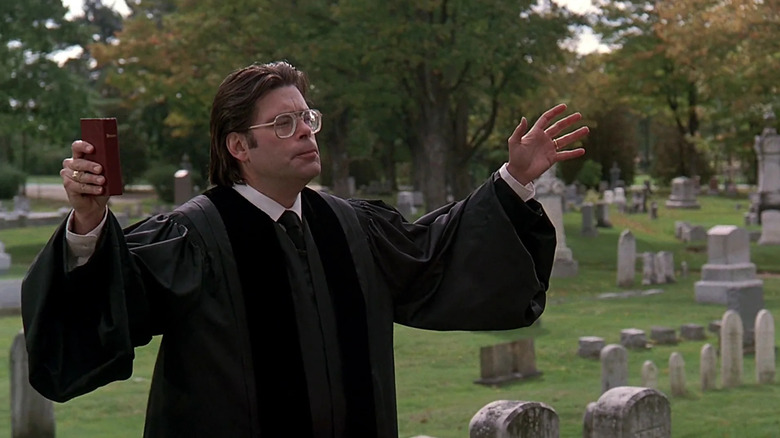
"[I]n his heart of hearts, Stephen King is an optimistic humanist, and that ... is his priority over the horror," Flanagan told me. He continued: "The horror is all there. It's there for you to dive into, but if you can hold on to that fundamental optimism, that to me defines Steve's work. There's a beautiful love of human beings underneath everything. Even the darker, most vile, nihilistic stuff that he writes, it's always in there somewhere, and that's what I always try to hold onto."
Flanagan is 100% correct here. For all his tales of the supernatural — for all the killer clowns, and vampire towns, and undead pets, and haunted hotels, and rabid dogs, and sentient cars, and so on, what makes King's books so memorable is the humanity. King is very gifted at both creating memorable characters and making us care about them. And that's essential, because if we didn't care about the characters, we wouldn't care about what happens to them. If we didn't care about the Losers' Club, we wouldn't be worried about Pennywise the Clown trying to eat them.
On top of that, even when King is writing about disturbing, upsetting things, there's almost always a glimmer of hope lurking in that darkness. His characters may not always get a happy ending, but we want them to, and that's what matters.