

The Chilling 2026 Netflix True Crime Documentary Series Has Viewers Questioning Everything
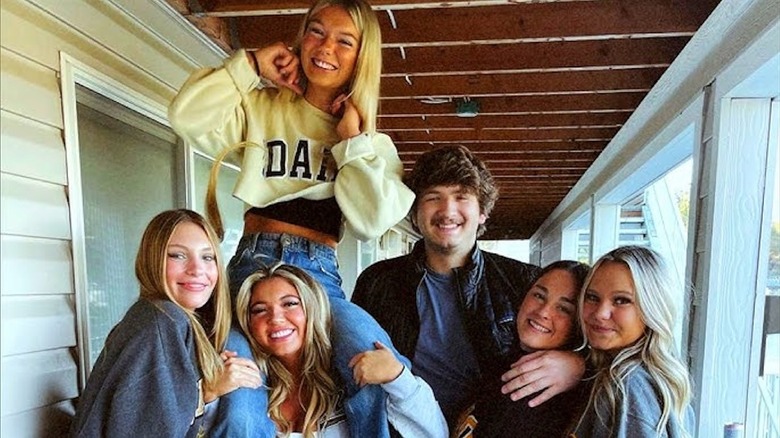
I've been a fan of the True Crime genre since I read the book that turned it into a literary sensation. In many ways, Truman Capote's "In Cold Blood" is still the ne plus ultra of the form, though Norman Mailer's "The Executioner's Song," Vincent Bugliosi's "Helter Skelter," and Robert Graysmith's "Zodiac" are just as essential. Obviously, you need a strong stomach to delve into this genre, but, when done well, the authors provide piercing insight into the mindsets of these killers — or, in the case of "Zodiac" (and Fincher's movie), a deep-tissue procedural examination of a trail that goes ice cold.
True crime is as popular as ever, for good and ill, and its main delivery system nowadays is streaming. There have been so many popular True Crime documentaries and dramas that multiple spoofs have been produced (the best being "American Vandal"). Sometimes they become unsettling character studies, like Netflix's recent hit "The Crash," which examined the case of Mackenzie Shirilla, who slammed into a building at 100mph, killing her boyfriend and another passenger. It's a disturbing doc primarily due to Shirilla's seeming lack of remorse (her parents are also weirdos).
"The Crash" generated loads of furious social media posts earlier this year, with viewers expressing disgust for Shirilla and her easy-going parents. They've hit the outrage goldmine again with "The Idaho Murders: College Nightmare," which investigates the 2022 murder of three students by Washington State University attendee Bryan Kohberger. Though he's petitioned to reverse his guilty plea (which has left him imprisoned for life), there was ample evidence to convict him. What's weird, however, is his lack of clear motive and the behavior of the surviving students in the house. The social media discourse over the latter issue is pretty lousy.
Bryan Kohberger was a monster without a clear motive
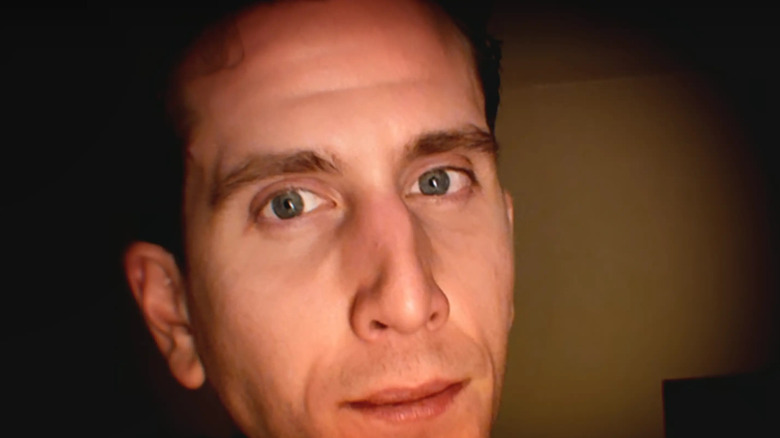
The families of the victims are perturbed that Bryan Kohberger was not required to provide a motive in exchange for a plea deal that kept him off death row. "The Idaho Murders" and the Prime Video doc on the subject, "One Night in Idaho: The College Murders," make it very clear that Kohberger's WSU classmates found him off-putting, if not downright hostile. Liz Karaban, who sat next to him in a Criminology class on serial killers, believes he "has a thing against women, based on the description of what he did to those three poor girls. People who brutalize women the way Kohberger did dislike them [he stabbed them 150 times], find them threatening. So they take all that anger out on them."
According to People, a Pennsylvania exotic dancer is very certain she encountered him on a slow night where he was the only customer. According to the woman, he talked about killing "whoever I want," and creeped her out during a lap dance by asking personal questions.
Strangely, he claimed he was level 1 on the autism spectrum, and suffered from ADHD, OCD, and ARFID, but only took Levothyroxine for hyperthyroidism. Again, since the prosecutors didn't press harder for a motive, we may never know what set Kohberger off.
As for why the victims' friends did not call 911 immediately, there's a perfectly logical reason for this. Alas, social media know-nothings are determined to paint these grieving kids as somehow negligent in their response.
The Idaho Murders: College Nightmare is plagued by a lack of empathy from its viewers
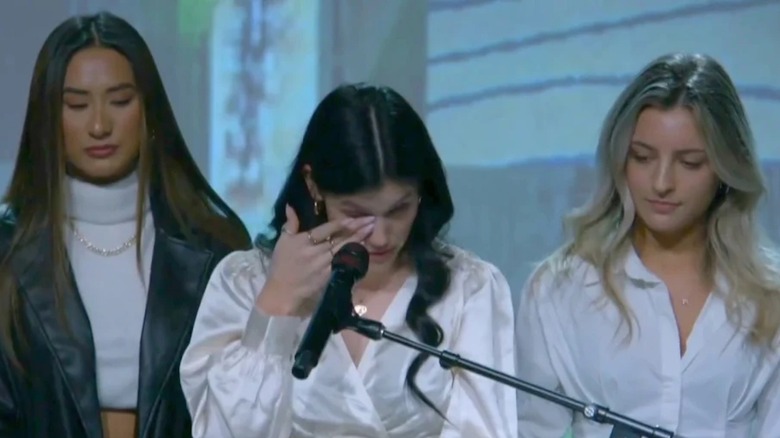
The question occupying the minds of people who have probably never been involved in a home invasion conducted by a malevolent force like Brian Kohberger is "Why didn't they call 911?"
I won't link to Twitter accounts because I've zero interest in initiating a pile-on over this, but here's the consensus of the know-it-all rabble:
"I'm watching the Idaho murders and I'm so confused about why they didn't call the police right away.
You hear your friend screaming and see a guy in the house. You go down to another friend room and wait and call someone else to come check it out who then calls the cops. 8 hours later. Huhhhh🤔"
Similarly...
"I'm watching the Idaho murders Netflix documentary, and I'll never understand why the roommate who heard the man and her friend screaming didn't call the police, like why?! Also the fact they destroyed the crime scene before the trial is so weird to me."
These people must've been on their second screens when the documentary explained the delay. These children witnessed unthinkable barbarism. Their friends were stabbed into oblivion. The survivors were apparently coming off a night of drinking, which fuzzes your grasp on reality. I've never heard the scream of someone being murdered, but I've been told that, when carried out by blade, there's a lot of gurgling and rattling. I imagine that would freeze you.
The mystery of "The Idaho Murders: College Nightmare" is what twisted Kohberger. It has nothing to do with the young people who will bear this nightmare for the rest of their lives. Leave them be.