

10 Best Superhero Movies Of Each Year Of The 2010s
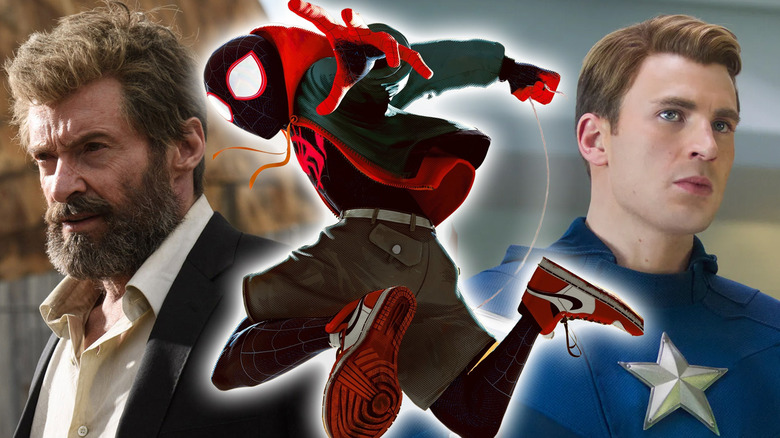
No genre defined blockbusters in the 2010s like superhero movies. Fans and creatives alike were still waiting to see what these kinds of films would look like after 2008 — the year that proved both that comic book blockbusters could double as prestige cinema ("The Dark Knight") and that crowd-pleasing origin stories still had something fresh to offer ("Iron Man").
The decade began with big swings on these fronts, quietly cementing the reboot as a financially defensible creative maneuver and intellectual property as the primary currency of filmmaking. By the mid-2010s, the superhero subgenre dominated the mainstream.
Some years offered a single solid project in a sea of misfires. Some years produced multiple films that stand out among the best of the best of the subgenre at large. In a decade that unquestionably changed the movie business for better (and for worse), these are the best superhero movies in each year of the 2010s, reminding us how great superheroes can be when they're at their best.
2010: Batman: Under the Red Hood
Unfortunately, for DC Comics fans, the "House that Batman Built" spent most of the decade being demolished at the movies by their competition over at Marvel. (Though this "competition" needs to bear a heavy asterisk. As some readers might be unaware, Marvel characters and stories were, at the time, infamously under licensing agreements with multiple massive studios with their own unique creative ambitions, pool of talent, and budget — DC only had Warner Bros.)
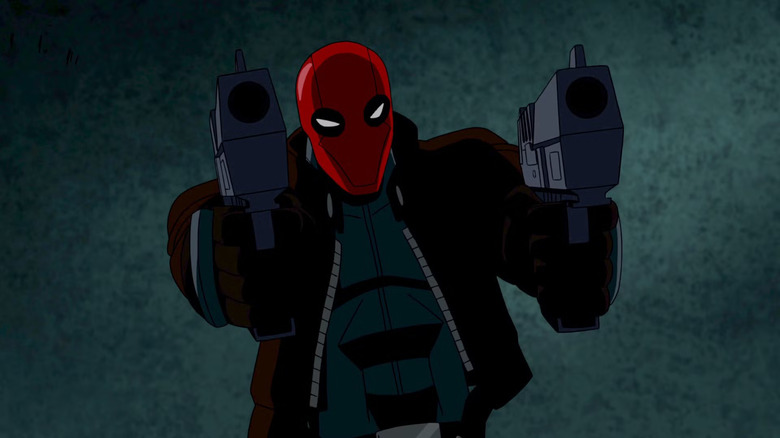
We'll rip the rest of the band-aid off now: The only year they truly came out on top in our view was 2010. It was a strong year for WB's DC Universe Animated Original Movies project. Its output included three mostly standalone animated films that stood alongside the year's live-action output in terms of quality. Of the three, "Batman: Under the Red Hood" is by far the best, and it has maintained a reputation as one of the best DC animated movies ever made.
This Bruce Timm-produced movie masterfully combines elements of both the '80s "Death in the Family" storyline and its 2000s sequel "Under the Hood" to chronicle the tragedy of Jason Todd (Batman's second Robin, voiced by Jensen Ackles). It's strangely a more challenging and adult film than the likes of "Jonah Hex," "Iron Man 2," or "Kick-Ass" (the last of which is admittedly still pretty fun, if not exactly evergreen). "Under the Red Hood" isn't just good for an animated film, but it's benchmark for a kind of "Batman" movie we've yet to see in live-action, one that wears its comic book influences on its sleeve without losing its psychological edge.
2011: Captain America: The First Avenger
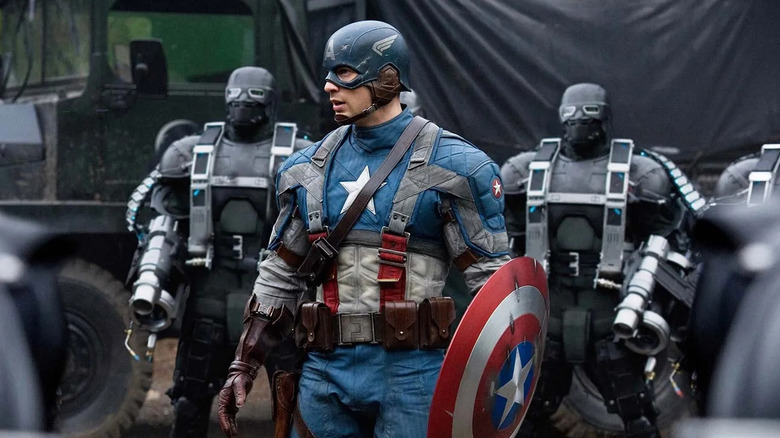
Conversely, the Walt Disney-backed Marvel Studios was, of course, the most successful studio to break into the superhero movie business in the 21st century. After proving the concept of their shared cinematic universe in 2008 with "Iron Man" and "The Incredible Hulk," they went into overdrive in the 2010s. In 2011, they again dared to release two films — one of them being the quietly exceptional "Captain America: The First Avenger."
Juxtaposed against the gaudy, hamfistedly "Shakespearean" adaptation of "Thor" released just a few months prior, "The First Avenger" was distinct and strikingly competent. It wasn't the formal subversion that "Iron Man" was — the beats it hits are nearly identical to those established by Sam Raimi's "Spider-Man" a decade prior. The decently-aged CGI allows Chris Evans to embody a hero with a heart larger than his meager frame, who then miraculously gains superhuman abilities. Where it innovates is how it uses the expected arc as an argument about power, the people who seek it, and what it does to them once they have it. The scene between Evans' Steve Rogers and Stanley Tucci's Dr. Erskine rec-ontextualizes the moral arc of this archetypal myth from rising to meet the great responsibility of your great powers to holding onto the person you were when you were powerless.
In doing so, "The First Avenger" provides a fresh perspective on that theme of responsibility, leading up to the character's ultimate sacrifice at the film's climax. The final scene — with Steve Rogers framed diminutively against the modern world that will be both his prison and his responsibility for the next decade — is one of the most hauntingly beautiful moments to come out of a superhero film.
2012: The Avengers
At the time, 2012 was the strongest year on record for superhero cinema critically and commercially. Though Nicolas Cage hit us with the dreadful "Ghost Rider: Spirit of Vengeance," the rest of the slate was incredibly diverse and impactful — so much so that this will rightly be one of the two most contested years on this list. Lesser-known entries like "Dredd" and "Chronicle" were disruptive and influential in terms of the creatives behind them (Alex Garland and Josh Trank); "The Amazing Spider-Man" cast Andrew Garfield as Peter Parker, a role many "Spider-Man" fans claim he perfected; most of all, Christopher Nolan capped off his "Dark Knight" trilogy with "The Dark Knight Rises," a polarizing finale that undeniably stands as one of the most thematically ambitious superhero movies of all time.
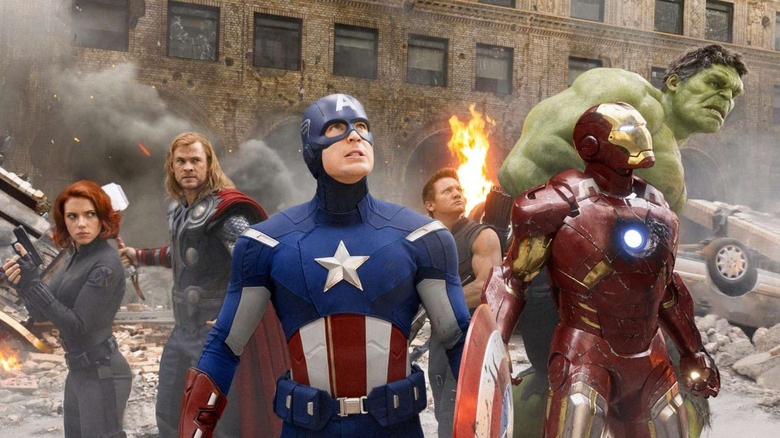
Any of these films, particularly "Rises" and "Dredd," could be convincingly argued as the year's best — but neither of them meant as much to the genre as Marvel Studios' "The Avengers." To put it bluntly, "The Avengers" is the superhero movie of the decade. No film on this list had as much of an impact on the subgenre, much less the movie business as a whole. Audiences had never seen a crossover event like this, executed so successfully that it changed blockbuster filmmaking forever.
On a stylistic level, its influence is unmistakable — for better and (mostly) worse, directors spent the next several years trying to copy structure ("they punch for a bit and then they're mates"), the visuals (remember the decade of blue sky beams that followed?), and the quippy, Joss Whedon dialogue (especially where one character describes every member of the team with a sarcastically reductive epithet). "The Avengers" was an inflection point for entertainment, and a darn entertaining one at that. Denying it a place on this list is simply impossible.
2013: Iron Man 3
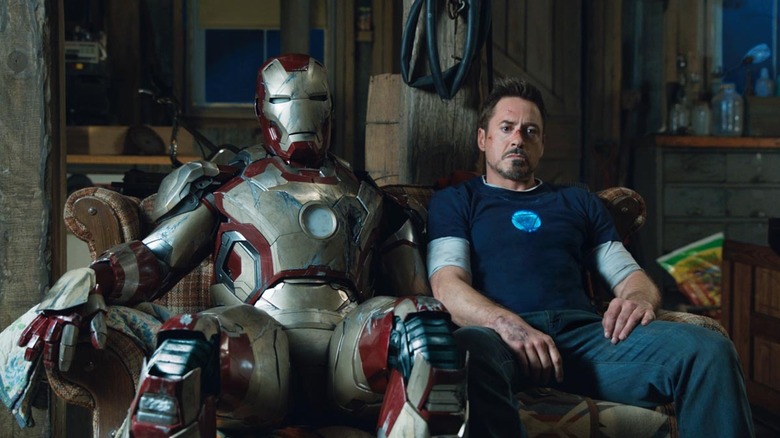
With "The Avengers," Marvel Studios established the Marvel Cinematic Universe as the defining, ongoing cinematic event for the foreseeable future — then, they released two of their least-beloved projects, at least at the time of their release. "Thor: The Dark World" is widely considered to be the weakest MCU film of the Infinity Saga and remains one of the few indefensible films in the franchise. (It's just plain boring.) "Iron Man 3," on the other hand, was certainly polarizing in 2013. Shane Black's threequel bucked the formula fans expected, ending the "Iron Man" trilogy with a lean, subversive caper that focused more on the man than the suit.
In effect, audiences were reeling from the kind of smaller, self-contained storytelling they weren't expecting after "The Avengers" sold the franchise as basically the most expensive serialized TV show you get to watch in movie theaters. But in hindsight, with a better understanding of how Marvel storytelling worked in the Infinity Saga, "Iron Man 3" isn't in the same category as recent, safe stumbles like "Captain America: Brave New World" or "Doctor Strange in the Multiverse of Madness." On a psychological level, it's a film that deals directly with the consequences of "The Avengers" and sets the stage for everything that comes after.
It's also a wildly entertaining movie even in a vacuum. Black's kinetic and chaotic sense of action is on full display, and his comedic tastes mesh predictably well with Robert Downey Jr.'s appetite for improvisation (Black and Downey previously collaborated on "Kiss Kiss Bang Bang," a black comedy crime thriller with a similar tone that helped revive Downey's career). "Iron Man 3" is one of Marvel's riskier projects that has continued to age better than most superhero movies released during the 2010s.
2014: Guardians of the Galaxy
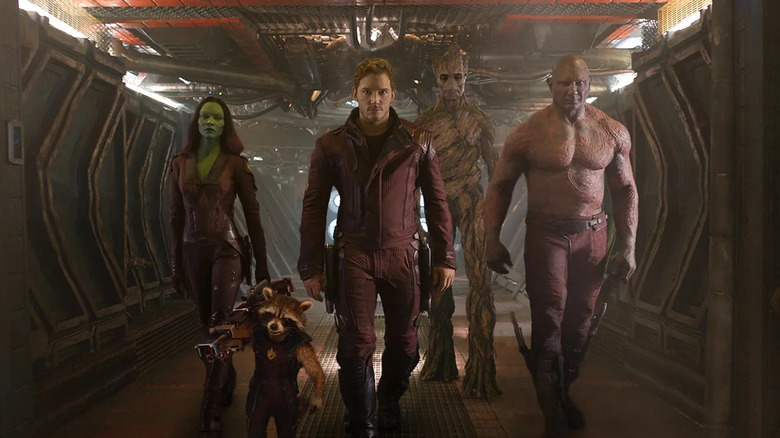
Even as DC and Warners continue to be underrepresented on this list, they can take some heart in the fact that 2014 laid the groundwork for the 2020s rebound — most of all by establishing James Gunn as one of the defining creative voices in the superhero subgenre. Gunn had previously directed "Super," an abrasive cult superhero crime comedy that flaunts a lot of edge, arguably too much for its own good. In 2014's "Guardians of the Galaxy," he found the perfect blend of earnest action spectacle and irreverent humor.
That combination doesn't just make for entertaining storytelling. It allows Gunn to get audiences deeply invested with multiple new, bizarre characters in a single film. He's working with an ensemble just one hero down from "The Avengers" roster count and with not a single main character having had the benefit of a standalone film or a prior cameo. Gunn renders each of them with distinct personalities, desires, and tragedies, and collectively champions them as the underdogs of a sprawling franchise on the rise. Thus, the original "Guardians" begins what should be remembered as the second-most beloved Marvel trilogy behind "Captain America."
Gunn's work attracted the attention of WB, who eventually (through an infamous scandal, firing, and unfiring) brought him on to repeat his "Guardians" success with the dead-on-arrival "Suicide Squad" series. The success of his 2021 feature led to Gunn getting the chance to revive DC as its own cinematic universe worthy of taking on the present-day MCU.
2015: Ant-Man
For how exciting the decade had been up to that point, 2015 was a bit of a dud in terms of superhero movies. Warner Bros. had made a decent mark with the critically underwhelming "Man of Steel," and they were generating most of the year's buzz with trailers for its ill-fated 2016 slate.
Marvel, meanwhile, seemed to be resting on its laurels. "Avengers: Age of Ultron" was a much-hyped box office hit that nonetheless fell short of fan expectations. Returning Joss Whedon seemed noticeably exhausted, and unsurprisingly (and thankfully) departed the franchise immediately after. Any arguments for the sequel usually revolve around how well the Russo Brothers managed to pay off its vague themes and character beats — more a credit to their "Avengers" movies than a retroactive validation of Whedon's messy work here.
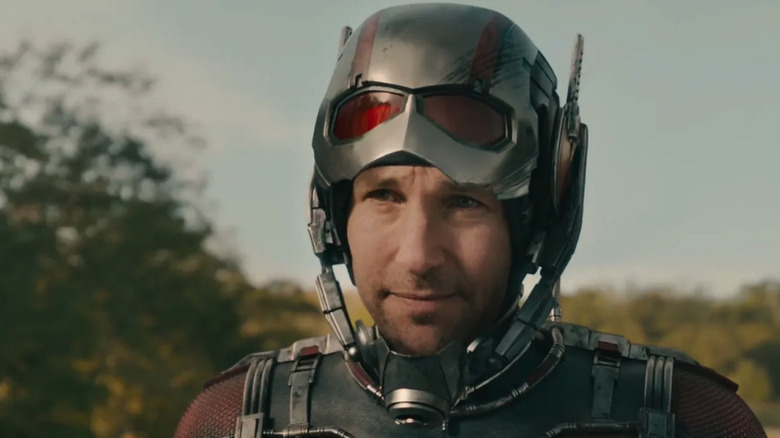
Thus, this spot on the list goes to Peyton Reed's "Ant-Man" more or less by default. It's a fine film — just fine. Paul Rudd is as endearing as ever, and Peyton Reed crafts a decently enjoyable (if safe, formulaic, and predictable) origin story to introduce Scott Lang as a key supporting player in the Infinity Saga.
Given that it was supposed to be written and directed by Edgar Wright (who instead made the electric heist flick "Baby Driver"), we can't help but be disappointed by how stylistically dull and unambitious it is. We were almost tempted to give this spot to "Justice League: Gods and Monsters," a comparatively innovative animated film that dramatically reimagines the DC Universe in a way the comics never have. Ultimately, however, we'll acknowledge that "Ant-Man" ever-so-slightly exceeds expectations, even if its goals were smaller than we'd hoped.
2016: Deadpool
2016 was the year the superhero genre really exploded, with every major player putting out multiple entries in their respective cinematic universes (save Sony, who had recently admitted defeat with their "Amazing Spider-Man" project after a disappointing sequel and an opportunity to piggyback off the success of Marvel Studios). The MCU released the above-average "Doctor Strange" and the exceptional "Captain America: Civil War;" Warner Bros. and DC, meanwhile, proved "Man of Steel" was a false start with "Batman v Superman: Dawn of Justice" and "Suicide Squad."
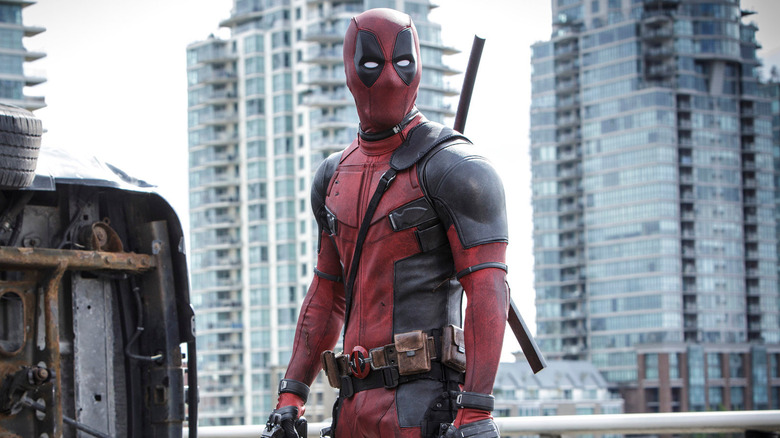
Things were far more uneven at the studio formerly known as 20th Century Fox, whose stranglehold on the "X-Men" franchise had brought the subgenre some of its highest highs and lowest lows. Characteristically, they were responsible for what were arguably the worst and best superhero movies of 2016 — "X-Men: Apocalypse" (a film so dull and lifeless you can't even enjoy it as a mess) and the refreshingly subversive "Deadpool."
A feat of unmatched creative perseverance, self-belief, and alleged malfeasance, Ryan Reynolds' marvelous redemption tale combined a parodic approach to the superhero subgenre and a surprisingly effective romantic comedy storyline with the maximum effort of the charismatic "Green Lantern" star. In the process, he proved what fans had known for years at that point: The audience for exclusively adult comic book movies existed, and they would respond enthusiastically to films that treat them like grown-ups. The film made a tidy box office profit and arguably bought the subgenre an extra decade of dominance. It even helped pave the way behind the scenes for Fox's next great superhero film released the very next year.
2017: Logan
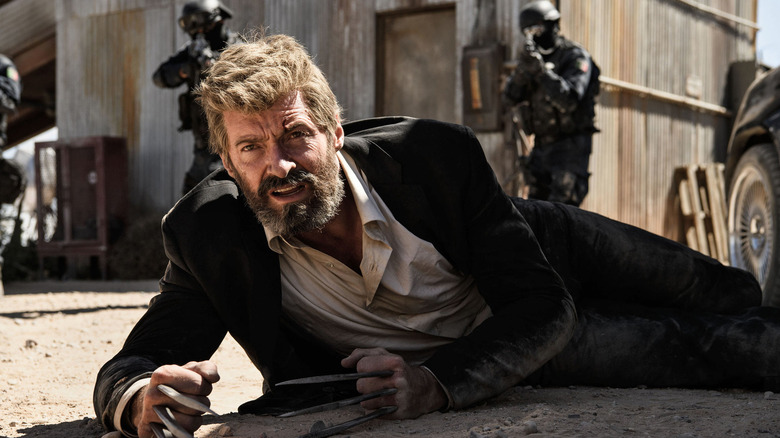
Hot off the success of "Deadpool," 20th Century Fox had fortunately already chosen to lean into the adult comic book fan demographic and were able to release "Logan." It was clearly and intentionally marketed as a brutal superhero action drama wearing the cape and cowl of a neo-Western like "No Country for Old Men." Hugh Jackman's extraordinary tenure as Wolverine was emphasized as well, with the film widely assumed to be serving as his swan song.
Though that part didn't end up being true due to the eventual release of "Deadpool & Wolverine," "Logan" delivered a cathartic, well-crafted send-off for the iteration of the character fans grew up with. Jackman and his co-star Patrick Stewart were praised for their performances, which were regarded to be subtler, more grounded, and generally of a higher caliber than what the franchise had allowed them to do up to that point. The only drawback consistently cited was the lack of a compelling villain to match their work. Clone-Logan aside, James Mangold's elegiac superhero thriller fires on all cylinders emotionally — while not skimping on all the blood fans had been missing from Wolverine movies up to that point.
2017 wasn't a quiet year for the subgenre by any means. "The LEGO Batman Movie" is a close second in our hearts, while "Wonder Woman," "Spider-Man: Homecoming," and "Thor: Ragnarok" have all aged well. But even in a year this strong, a film like "Logan" proves there are levels to this kind of storytelling. Sadly, this was as good as the Fox "X-Men" era ever got. Subsequent years were middling to embarrassing for the waning franchise, up until the eventual sale of the studio to Disney in 2019.
2018: Spider-Man: Into the Spider-Verse
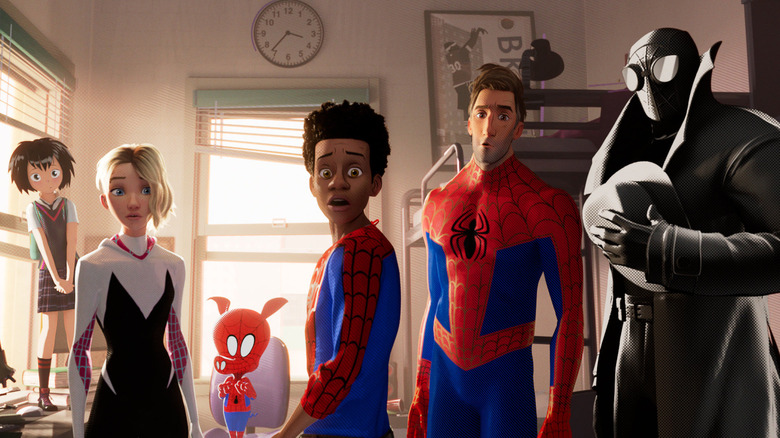
2018 was the biggest year for superhero cinema in terms of blockbuster volume and cultural ubiquity — it is also, consequently, the most competitive year too. Marvel Studios had some of its largest critical and commercial hits that year, primarily "Avengers: Infinity War" and the Academy Award-winning "Black Panther." Even the less-beloved projects — Sony's Tom Hardy-led "Venom" and Warner Bros.' "Aquaman" — were among the highest-grossing films of the year.
However, in a year that should've been dominated by Thanos' franchise-shaking snap, Sony Pictures Animation came through with "Spider-Man: Into the Spider-Verse," a sleeper-hit that redefined animation for the years that followed. Produced by Phil Lord and Christopher Miller (who had previously been on the creative team for "The LEGO Batman Movie"), the origin story of the new Spider-Man, Miles Morales (Shameik Moore), was a love letter to Spidey fans of all ages, incorporating the best elements of his history and lore from both the films and comics. It's the rare superhero movie that is as genuinely crowd-pleasing as it is subtly esoteric and reverent. It's probably one of the only superhero stories from any medium that made the audience root for a new face to don an old, iconic mask.
There's a fair argument to be made that this film should tie with "Black Panther." Ryan Coogler gave fans the best live-action comic book movie since "The Dark Knight," earned the subgenre its first Best Picture nod in Oscars history, and turned the titular character into one of the most popular superheroes in America. "Spider-Verse" nonetheless beats it by a slim margin (in the form of a much more exceptional final battle that doesn't rely on shoddy CGI) and achieves total perfection. It is the only film on this list that could be argued as the greatest superhero movie of all time.
2019: Avengers: Endgame
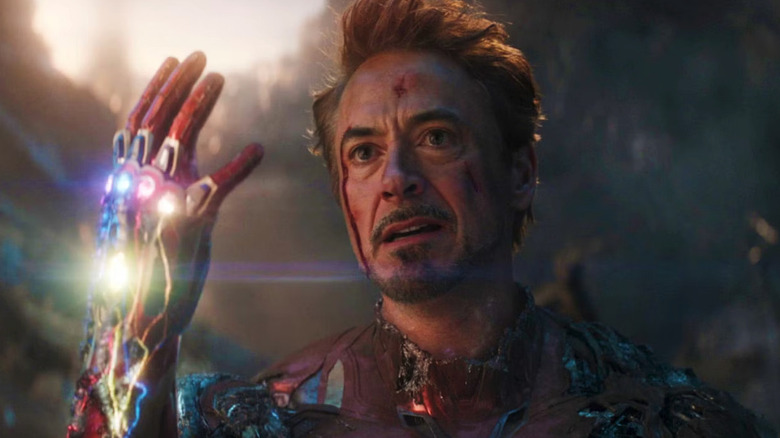
If "The Avengers" defined 2010s blockbuster cinema, "Avengers: Endgame" set the blueprint for what this space would be for the decade to come (at least, that's how it seemed at the start of the 2020s).
Marvel Studios' groundbreaking finale to the sprawling Infinity Saga had every reason to fail. It was a three-hour superhero epic designed only for an audience that had grown up studying well over 40 hours of costumed content — an audience that had only just begun to push the franchise's films toward historic multi-billion-dollar figures. With a worldwide gross that was, briefly, the highest the world had ever seen, the Russo Brothers did the impossible, delivering a once-in-a-lifetime cinematic event that proved the audience of True Believers had grown larger than it ever had been.
The secret to the film's success is that it trusts everything that came before. The Russos don't waste time over-explaining lore or watering down the complexity — if anything, the plot is so eager to tie in every movie from "Thor: The Dark World" to "Ant-Man and the Wasp" that it borders on incoherent. And yet, it works perfectly, because the audience had spent the last 10 years awaiting a finale that would reward them for giving so much of their time and mental energy to this franchise.
"Avengers: Endgame" redefined what an event movie was on multiple levels. Unfortunately, studios (including Marvel) seemed to have mostly learned that surprise cameos and nostalgia are paramount. What they miss is the work that made all of that flash meaningful. If "Avengers: Doomsday" (the spiritual successor to "Endgame") winds up being a failure, it will in large part be because the 2020s haven't given it anything like the 2010s gave "Endgame."