

10 Movies Roger Ebert Hated That Everyone Should Watch At Least Once
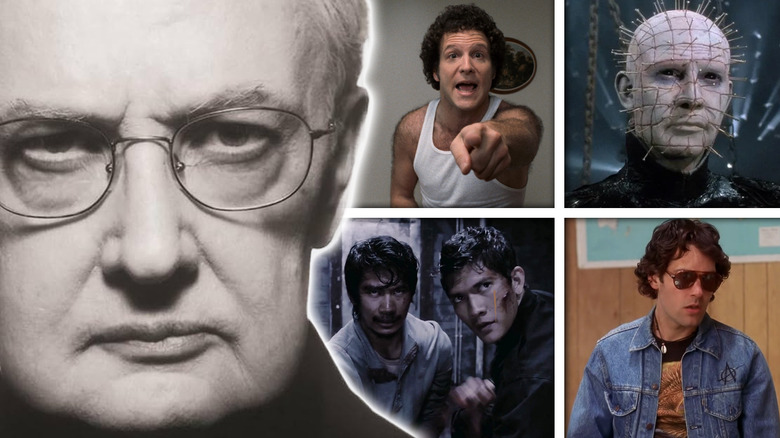
You wouldn't know it today, but film criticism used to be a respectable field. Critics were known entities, printed in legitimate newspapers, with loyal readerships who followed their coverage every weekend. Roger Ebert was, perhaps inarguably, the best known and most beloved critic from the era. This was due as much to his down-to-earth writing style as it was to his presence as co-host (alongside Gene Siskel) of "Sneak Previews," a TV show where the two critics gave their infamous thumbs up or down to new releases.
We recently celebrated Ebert with a look at 5 perfect movies he loved that everyone should watch at least once, and it's an eclectic list of underseen gems. In the spirit of that list, and as a reminder that everyone's film tastes — yours, mine, and Ebert's — are subjective, we thought we'd go the opposite direction and look at some of the great movies over the years that Ebert absolutely hated. Below are ten movies from varied decades and genres that the legendary critic gave a single star (out of four) or less to in his reviews.
Now keep reading for a look at 10 movies (in chronological order) that Roger Ebert hated that everyone should watch at least once.
Real Life
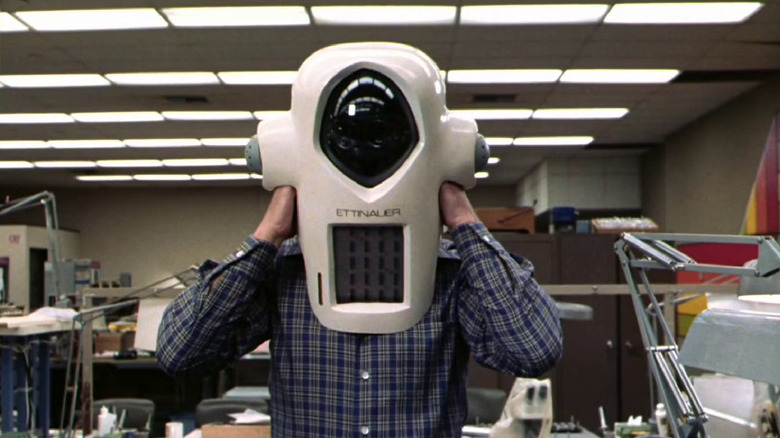
Albert Brooks (Albert Brooks) is a documentarian hoping to make a splash with a big, bold project. He's going to document a year in the life of an average American family, the Yeagers, with both a camera crew and hidden cameras installed throughout their house. They'll be filming at all times, and it will either be spectacular or a complete disaster.
Brooks' comedic stylings at the time involved short films pretending to be real life, so it's only fitting that his first feature as director is called "Real Life." The ahead of its time mockumentary (that made our list of the best) is a riff on a popular PBS series called "An American Family," and its prescient take on reality TV finds big laughs throughout while poking fun at both the family and the filmmaker. From the crew's ridiculous camera helmets to Brooks' messy desperation, the film delivers a gleefully awkward and deadpan satire of the whole endeavor. His later films, particularly "Lost in America" and "Defending Your Life," are comedic masterpieces, but his debut still brings the goods.
Ebert disagreed, and while he would go on to love many of Brooks' later works, he felt that this one peaked in the first ten minutes and never recovered. He inexplicably fails to find Charles Grodin funny, and he's especially brutal about Brooks' own performance calling it "emotionally uncomfortable to sit through." That's probably key to his distaste for the film overall as Brooks is a comedian who often puts his own insecurities and awkward presence front and center.
Fast Times at Ridgemont High
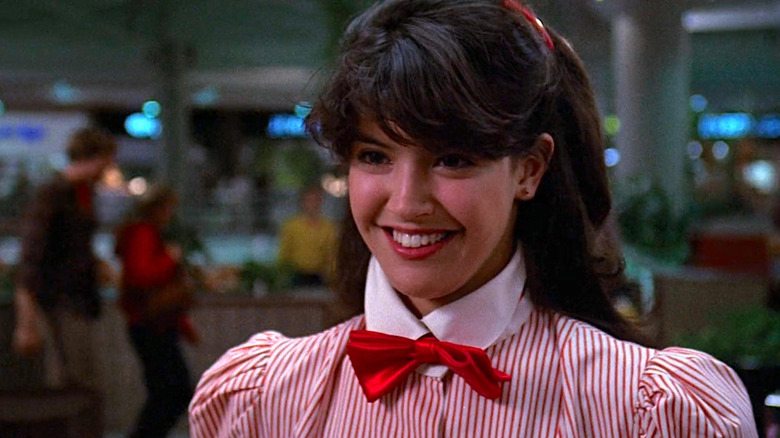
The high school experience is different things for different people, but at Ridgemont High in the early 1980s, those different things often involve, well, experience. Girls are curious about it, boys are crazy for it, and none of them really know a damn thing about it. Only Jeff Spicoli (Sean Penn) stands above the fray dreaming only about pizza, surfing, and Brooke Shields.
Cameron Crowe's intrepid journalistic skills weren't always about the music scene ("Almost Famous") as he also went undercover in a high school to find the stories that become both a book and the film, "Fast Times at Ridgemont High." (See where both rank on our list of Crowe's films.) Director Amy Heckerling takes this mix of hormones, silliness, and sadness and turns it into a funny, sweet, and raw look at the ups and downs of the awkward teenaged experience, all set to a killer soundtrack. She assembles one heck of an ensemble, too, including Jennifer Jason Leigh, Phoebe Cates, Judge Reinhold, Eric Stoltz, Forest Whitaker, Nicolas Cage, Anthony Edwards, and many more familiar faces.
Curiously, some of Roger Ebert's issues with the film are the same as with the movie above — he dislikes the characters having to endure embarrassing, awkward encounters and exchanges. He acknowledges the obvious talents of performers like Leigh and Penn, but he's clearly put off by the former having both a sex drive and the misfortune of being impregnated by a deadbeat. Of course, he also finds the humor to be both "vulgar" and "tone-deaf," so certain performances aside, this one was a big miss for him.
The Hitcher
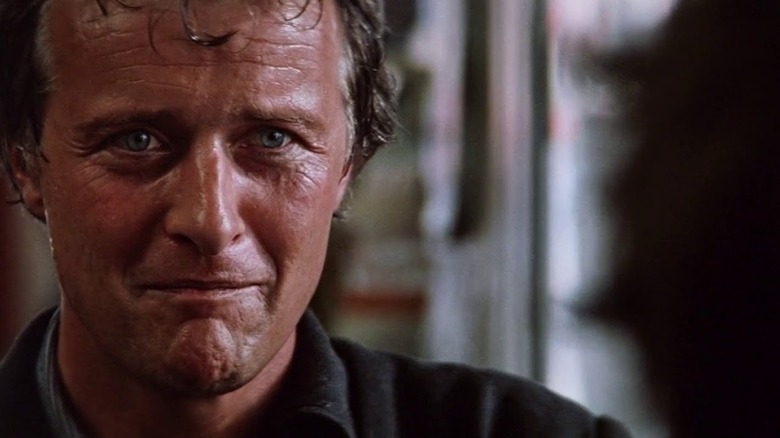
Jim (C. Thomas Howell) has taken a gig driving a car across the southwest to its owner in California, but he makes a fateful mistake when drowsiness starts getting the better of him. He picks up a hitchhiker in the rain, and the man (Rutger Hauer) almost immediately has him regretting that decision. John Ryder is a psychopath, and bodies will be strewn along the highway before Jim's nightmare is over.
Robert Harmon's unrelenting road trip nightmare was blasted on release back in 1986, but "The Hitcher" has rightfully found its way to being seen as a terrifying and darkly beautiful thriller. Both Hauer and Howell are fantastic with the former delivering an antagonist for the ages while the latter crafts a character who moves from prey and plaything to a near-predator himself. Practical stunts, thrilling chase scenes, gorgeous cinematography from John Seales, and a haunting score by Mark Isham all help seal the deal ensuring the film is an unforgettable ride from dawn to dusk.
Roger Ebert (and Gene Siskel) committed a film critic sin in response to this cult classic when the pair went on "The Tonight Show" and proceeded to spoil it out of spite and disgust. Ebert's review is equally unfortunate as he seems irritated that Hauer's character has no backstory, but isn't that part of what makes Ryder so darn frightening? He seems especially put off by the fate of Jennifer Jason Leigh's character — again, more misplaced paternalism perhaps, similar to what he felt for her in the film directly above. The review closes out with Ebert calling the film "diseased," "corrupt," and "reprehensible," all of which can't help but feel a bit exaggerated.
Hellraiser
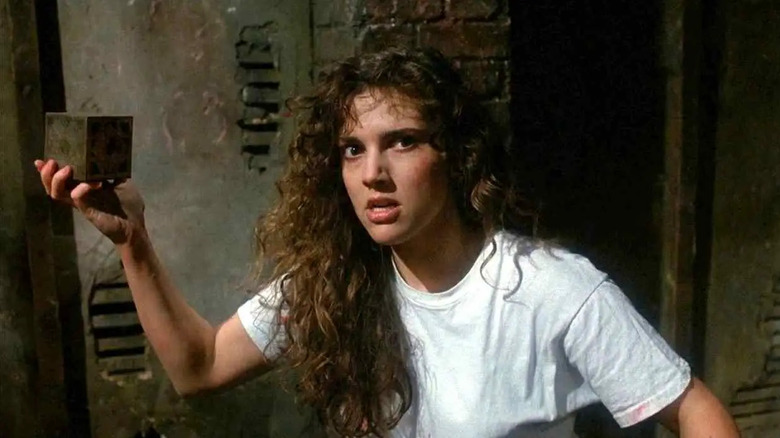
Larry (Andrew Robinson) moves into his dead brother's house with his new wife, Julie (Clare Higgins), hoping the fresh start will jump start their already struggling marriage. Instead, a drop of Larry's blood rejuvenates what remains of his brother beneath the floorboards, and soon murder, monsters, and masochism infuse the house with horror. Larry's daughter, Kirsty (Ashley Laurence), becomes the only one standing between this world and the leather-clad arbiters of a very specific hellscape.
There's no ignoring the budgetary restraints put on Clive Barker's directorial debut, "Hellraiser," adapted from his own fiction, but those limitations make what he does accomplish here all the more impressive and effective. The Cenobites are demons disfigured by their own desires, and Barker captures them with an eye for nightmarish wonder and awe. What starts as a tale of obsession and violent love twists to include demonic entities fueled by the melding of pain and pleasure into ideas and visuals the likes of which horror films had rarely if ever touched before. (For the curious, here's how the "Hellraiser" franchise timeline shakes out.)
This makes it all the odder that Roger Ebert called the film "dreary," "obvious," and "without style," before adding that it displays a "bankruptcy of imagination." Barker's never been short on imagination, and even with his limited budget there's more than enough creativity here to stand apart from the decade's frequently less serious horror films. Traditional family values are left spilled and spoiled on the floor as a leather daddy with hundreds of symmetrical pins in his head tries to tear a young woman's soul apart — that's cinema, baby.
Walker
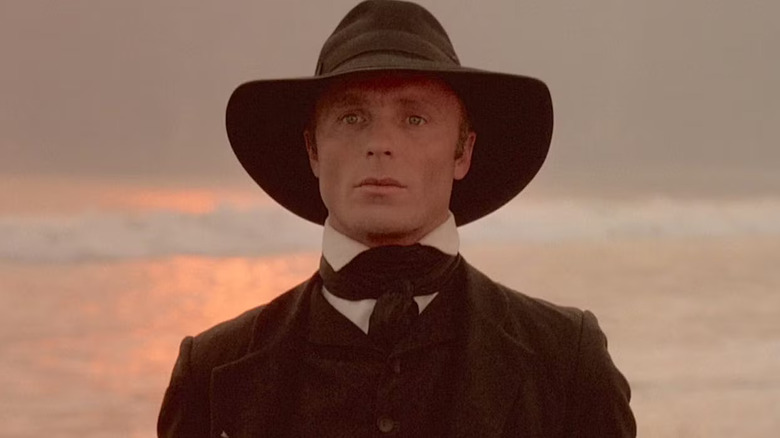
It's the mid 19th century, and American interests are targeting Central American countries for the resources they possess — but they're doing it in the guise of spreading Democracy. People in power send a group of mercenaries led by a man named William Walker (Ed Harris) down to Nicaragua to help those poor unfortunates (and take control of said resources), but things don't go entirely to plan.
Alex Cox was on the road towards comfortable studio work and had just been offered to direct "The Running Man" when he decided to make "Walker" instead. Universal Pictures funded it, much to their dismay, and he never worked in the studio system again. The film is a Left-leaning pummeling of Republican — but really, American — tendencies towards Manifest Destiny, and while it was extremely timely in the late 1980s under Ronald Reagan's leadership, it's every bit as relevant today as the United States continues to step onto foreign soil for the good of its people (and maybe just a little bit for oil and minerals). Harris mesmerizes as a man who believes in the mission only to see the ideological part of himself deteriorate in quick order.
Satire can be a difficult goal to reach with a film — too subtle and audiences will miss it, too blatant and folks will think you're just a bad filmmaker — and Ebert was of the belief that Cox's film makes the latter error. Cox infuses the 19th century-set film with anachronistic elements that trickle in slowly and subtly before blossoming with the ferocious arrival of a modern helicopter loaded with soldiers and automatic weapons. It was just too much for Ebert, but Cox puts his battered and bleeding heart on display to great effect.
Three O'Clock High
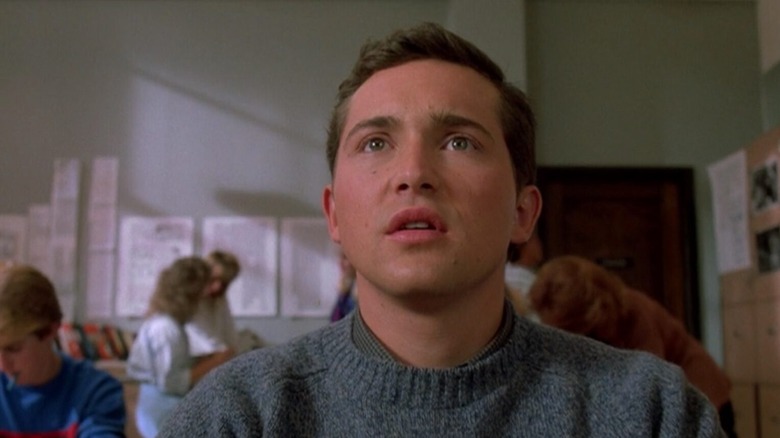
Jerry (Casey Siemaszko) is a smart kid. He's a good student, a good friend and older brother, and has a good head on his shoulders when it comes avoiding trouble. All of that changes when he crosses paths with a new transfer student named Buddy (Richard Tyson) whose violently exaggerated reputation precedes him. Buddy challenges Jerry to a fight after school, and the increasingly terrified teen now has less than six hours to find a way to avoid the fight. Good luck, Jerry.
While "Fast Times at Ridgemont High" is about teens looking to score, "Three O'Clock High" is more focused on a teen who simply wants to survive the grind that is high school. Director Phil Joanou and cinematographer Barry Sonnenfeld — yes, that Barry Sonnenfeld — bring Richard Christian Matheson's smart, fast-moving script to glorious life with energy and creative visuals. The cast pops with personality and presence, the dialogue zings, and it all builds to a satisfying end for our underdog hero. (See if it landed a spot on our list of the most essential high school movies.)
Roger Ebert hated it all. As with "The Hitcher" above, he criticizes the film for not providing more backstory for its antagonist. He fails to mention the handful of scenes that suggest Buddy wants to be more than a bully but is simply unable to stop himself, but also? This is Jerry's story, not Buddy's, and on that count it's a terrifically fun coming of age tale about a kid who tries desperately to avoid a conflict, regrettably has to face it, and ultimately triumphs. It's a silly, engaging, and cheer-worthy day in the high school trenches, and that makes it a win.
The Frighteners
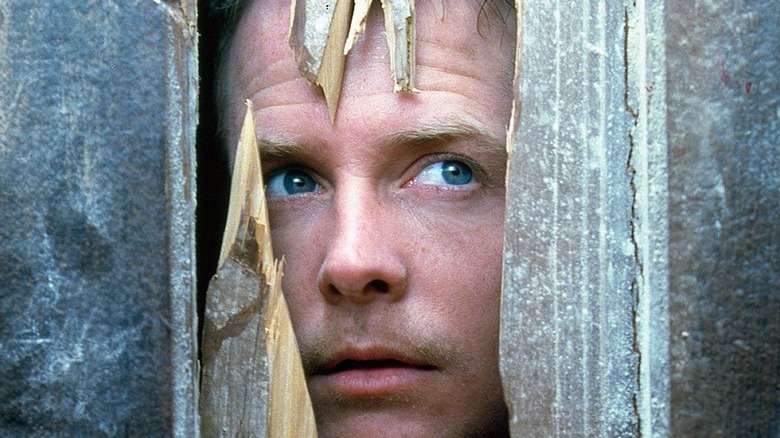
Frank Bannister (Michael J. Fox) can see and communicate with ghosts. It's a gift born from trauma, and he uses it to scam gullible people into paying him for his ghost busting abilities. That gravy train hits a messy penny, though, when a long-dead serial killer returns from beyond the grave and starts murdering townspeople once again.
Peter Jackson's sixth feature film — his last before succumbing to the power of the One Ring — is a gleefully playful blend of grisly terrors, comedic shenanigans, and groundbreaking digital visual effects. (See where it ranks in Jackson's filmography.) To be sure, the effects still hold up and help keep "The Frighteners" moving at a fantastical pace as threats both otherworldly and far more human are unleashed on an unsuspecting populace. Fox is fantastic in his final live-action lead role and captures Frank's inner battle between humanity and cynicism, and the supporting players bring plenty of personality to what could have easily felt like a demo reel for Weta Digital.
Unfortunately, it did end up feeling that way for Roger Ebert as he literally calls it an audition tape that lets its human characters get lost in the clutter. We'll agree to disagree on that one as the film's balance of very human feelings like guilt, obsession, friendship, and love more than hold their own against the numerous appearances of ghosts, grim violence, and the Grim Reaper. Jackson keeps a firm grasp on tone even as the scarier, grislier elements rear their head, and there's a strong throughline of laughs including a wonderfully weird turn by Jeffrey Combs as a disturbed FBI agent.
Snake Eyes
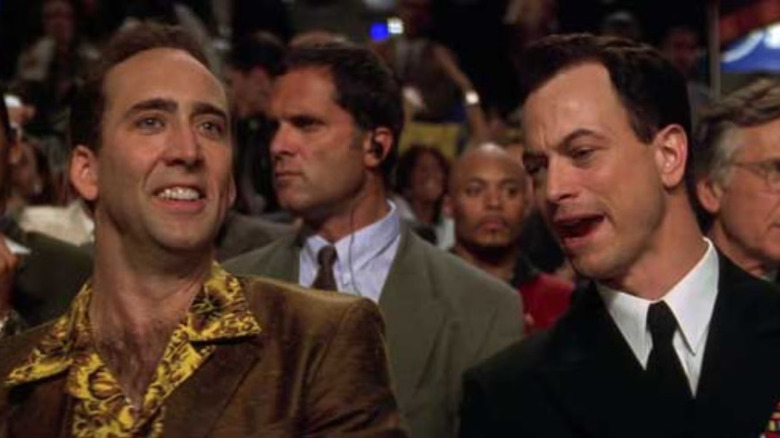
A tropical storm is bearing down on Atlantic City, but all eyes are on a heavily promoted heavyweight boxing match in a downtown casino. Rick (Nicolas Cage) is a dirty cop attending the fight for a good time but using the opportunity to say hi to an old friend, a U.S. Navy Commander named Kevin (Gary Sinise) who's there with the Defense Secretary. Everyone's having fun until shots ring out, the Defense Secretary is dead, and both Rick and Kevin race to find a killer amid hundreds of suspects.
Brian De Palma's "Snake Eyes" comes right out of the gate with a showpiece, single-take sequence that follows Rick throughout the casino. Cage matches its showy bravado with a big, charismatic performance that instantly draws us into his engagingly flawed character. More unforgettable camerawork follows including one shot that lifts up and slowly moves across several hotel rooms and their occupants, and that style is married to a fun, ridiculous script by David Koepp that keeps things moving, twisting, and turning in the impending windstorm. (See if it made the cut on our De Palma list.)
Roger Ebert's one-star review is actually fairly complimentary to the film, from its opening shot and energy to its game cast (which also includes Carla Gugino, John Heard, Luis Guzman, and more), but he feels it quickly falls apart and becomes a downhill slog. It's easy enough to see and understand his take here as Koepp's script does take things in some unbelievable directions with some excessive reveals, but that's arguably part of the film's charms. Cage's Rick is the heart of it all as a man who starts as an exaggerated goof only to become more grounded and serious even as everything else spins out of control.
Wet Hot American Summer
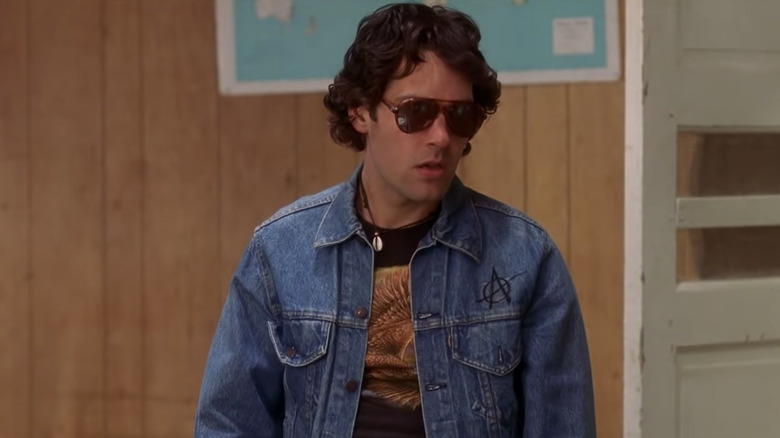
All good things must come to an end, and for the campers and counselors at Camp Firewood, that end is today. It's the last day of summer camp, and while some prepare for the evening's talent show, others race to do and say the things they've avoided all summer. Unrequited love, neutered lust, a falling piece of Skylab, the amorphous nature of time, and something odd involving canned goods all will have their moment in the sun.
We mentioned at the top how opinions on art are subjective, no matter whose opinion that is, and that's doubly true when it comes to comedy. One person's gut buster is another person's groaner, and David Wain's "Wet Hot American Summer" is one of the greatest examples of this. The film is hilarious, start to finish, while also being incredibly, unapologetically stupid. Gags take the form of word play, dialogue exchanges, visual jokes, and more. A sequence with Paul Rudd throwing away his garbage after lunch is comedic perfection powered solely by his performance. It's among the most glorious pieces of nonsense ever captured on film, and few things on screen are as consistently funny as this movie. Of course it made our list of the best comedies ever.
But it's understandable why Roger Ebert wasn't a fan. The comedy here is very specific in being as silly as it is sincere, and if you're not open to that wavelength the laughs will die in your throat instead of echoing around the room. It's disappointing when someone doesn't find this movie funny, but it is what it is.
The Raid: Redemption
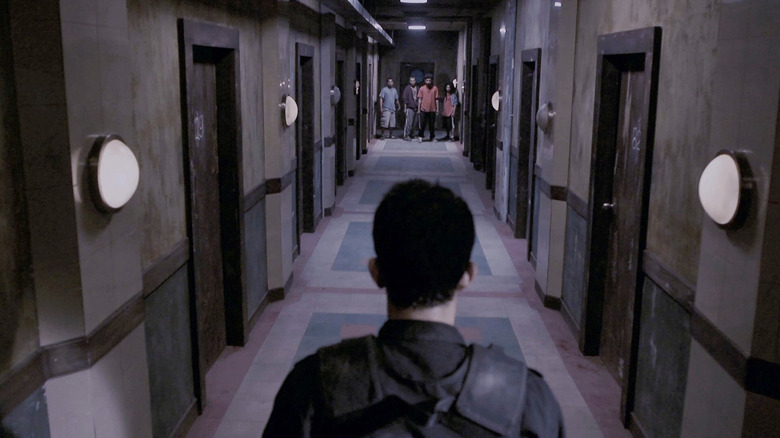
A criminal kingpin rests comfortably on the top floor of a secured high-rise apartment building, and the police have decided it's time to take him down. Rama (Iko Uwais) is a rookie cop and part of the team readying for the assault, but they're not ready for the traitor in their midst and the dozens of heavily armed henchmen waiting between them and the big boss. Well, Rama is ready, and it's really the henchmen who should be worried.
Gareth Evans found greater success since with a sequel and popular TV series "Gangs of London," but it was his third feature film that truly and properly announced both him and Uwais as action filmmakers to watch. "The Raid: Redemption" features a narrative that's as simple as they come as it's almost entirely about Rama fighting his way up and then fighting his way back down again. One note setups are often a hallmark of action movies, though, and while this is simpler than most, it's more than effective enough at setting the stage for the action goods.
It's clear from his review that Roger Ebert is no fan of that simplicity — he questions why we even bother learning that Rama is Muslim when it has no bearing on the story — and he's even less enamored by the action. That, ultimately, is the key to his distaste here even as it's equally central to why so many action fans love the film. Evans crafts a knockout showcase for both his filmmaking and Uwais' incredible fighting talents as the action, whether with guns, blades, or body parts, is a blistering, deliriously entertaining concoction. At the end of the day, to each their own.