

Why 1975 Was The Best Year For Movies Ever
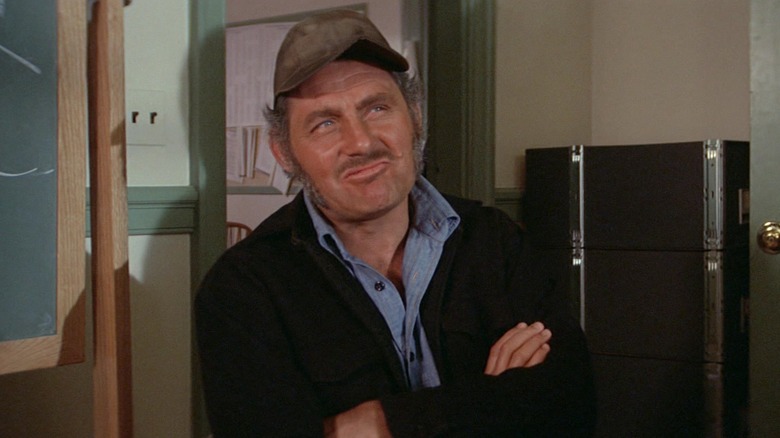
Prior to the release of Steven Spielberg's game-changing "Jaws" in the summer of 1975, Universal poured a then-unprecedented $700,000 of the movie's budget into TV advertising. This allowed the film's marketing team to air, in primetime, several 30-second "Jaws" trailers in the two nights before its arrival. This was the first proper marketing blitz in Hollywood history. What's more, the initial plan was to release "Jaws" in 900 theaters in the U.S. at the same time, which was unheard of at the time. Most summer tentpoles prior to that remained in U.S. theaters for months, opening in larger cities before moving to smaller and smaller cities as the season elapsed. Only smaller B-movies were given wide releases all at once. The thinking was that lower-quality films wouldn't survive a nationwide tour, so they hit every market at the same time, hoping for a quick buck before word got out that it was a stinker.
The 900-theater plan was eventually reduced, but "Jaws" still opened on hundreds of screens. The wide release, paired with the marketing blitz, more or less formed the modern notion of the Hollywood blockbuster. It also helped that "Jaws" was a widely beloved horror movie that is still watched to this day. Spielberg made a high quality creature feature that, to employ a cliché, captured the public's imagination.
Thanks to "Jaws," the film industry was never the same again. When we think of an "event" film, even 50 years later, we still think of everything "Jaws" set up and accomplished. And 1975 was a crackerjack year at the theater besides. So many soon-to-be-classic movies were released that year, many of which are still being studied — and, in select cases, still being screened with relative regularity in theaters — to this day.
The number of classic films from 1975 is alarmingly high
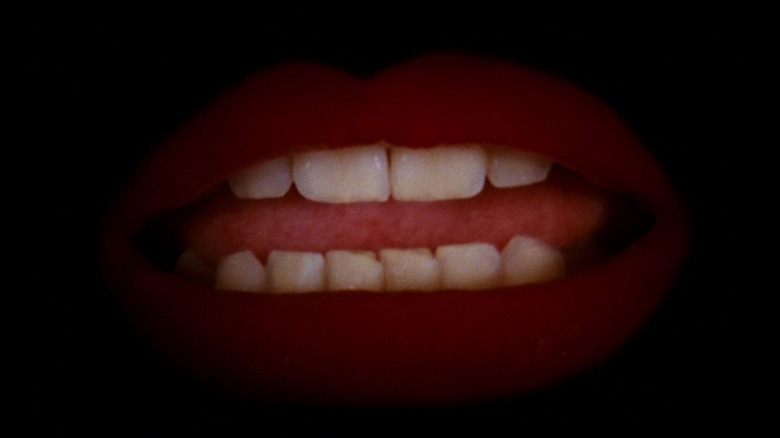
"Jaws" wasn't the only unlikely success story from 1975. Jim Sharman's "The Rocky Horror Picture Show," based on the stage musical by Richard O'Brien, was released to very little fanfare in eight U.S. cities in September, drawing a large wave of indifference. The gloriously campy and unabashedly queer musical followed Dr. Frank-N-Furter (Tim Curry), a flamboyant extraterrestrial bisexual transvestite, as he set forth to create a Frankensteinian male model for sex purposes, with Susan Sarandon and Barry Bostwick co-starring as an innocent human couple who witnesses his glorious depravity. Sadly, the movie originally crashed and burned, only for Tim Deegan — an enterprising 20th Century Fox executive — to suggest that theaters screen the film at midnight, knowing that movies like "El Topo," "Pink Flamingos," and the re-releases of "Night of the Living Dead" and "Reefer Madness" did well during the wee hours.
The formula was a success, and "The Rocky Horror Picture Show" became a phenomenon. Fans began watching it on a weekly basis, keeping it in theaters in perpetuity. Soon thereafter, people started wearing costumes to not only watch the film but also interact with it. Eventually, full-blown shadowcasts would re-enact the movie live on stage in front of the screen on which it was being projected. Even today, some theaters still screen the film on a yearly basis. It's the jewel in the cult movie crown. And it's so, so marvelously queer. It's a movie that queer people can safely watch and allows kinksters to let their freak flag fly in public. "The Rocky Horror Picture Show" is the basis of one of the most important queer subcultures of all time.
1975 would have been impressive enough with just those classics. But, golly, there were so many more.
A quick rundown of the best films of 1975
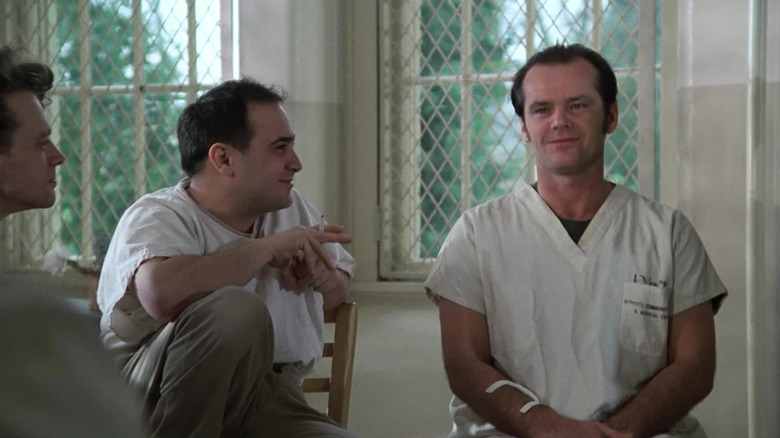
Even the Academy knew what it was doing that year, as Miloš Forman's big screen adaptation of Ken Kesey's novel "One Flew Over the Cuckoo's Nest" was highly rewarded on Oscar night. A penetrating look at the conceptual cul-de-sac of rebellion (one that ended in tragedy), the film won Best Picture, Best Director, Best Screenplay, Best Actor, and Best Actress.
Indeed, 1975 saw the release of many hard-hitting and meaningful dramas. For example, Sidney Lumet directed "Dog Day Afternoon," a film where a novice law-breaker (Al Pacino) tries to rob a bank to secure funds for his trans girlfriend (Chris Sarandon) to undergo gender-affirming surgery. Meanwhile, over in Belgium, Chantal Akerman made "Jeanne Dielman, 23 quai du Commerce, 1080 Bruxelles," a domestic drama about a middle-aged widow that Sight & Sound declared the best movie of all time in 2022. Elsewhere, Robert Altman made his sprawling musical ensemble picture "Nashville," Michelangelo Antonioni helmed "The Passenger," and Stanley Kubrick unveiled his cynical historical epic "Barry Lyndon," one of the most visually beautiful films of all time. On top of all that, Peter Weir released the eerie school drama "Picnic at Hanging Rock," and Akira Kurosawa returned to the big screen with "Dersu Uzala."
There were also plenty of fun comedies and genre films. "Monty Python and the Holy Grail" remains unassailable. "Return of the Pink Panther" is one of the franchise's funniest entries. "A Boy and His Dog" is deliciously bitter. Dario Argento directed "Deep Red," David Cronenberg made "Shivers," and Paul Bartel helmed "Death Race 2000." Then there was Toho's "Terror of Mechagodzilla," D'Urville Martin and Rudy Ray Moore's blaxploitation hit "Dolemite," and the creepy satire "The Stepford Wives." And who could forget the Ken Russell/The Who trip "Tommy?"
Yeah. Great year.