

5 Years Ago, Matt Damon Led A Historical Drama That Was A Huge Box Office Flop
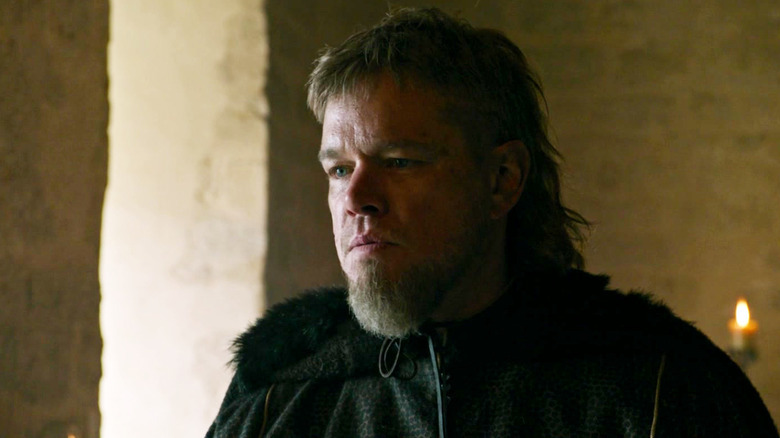
Ridley Scott's 2021 film "The Last Duel" might be one of the filmmaker's best movies, and yet no one saw it. Produced on a $100 million budget, the film only grossed about $30.6 million at the box office, making it one of the biggest bombs in the careers of anyone involved. This was a strange distinction for "The Last Duel," as it starred big names like Oscar-winner Matt Damon, Oscar-nominee Adam Driver, and Emmy-winner Jodie Comer. Ben Affleck also had a notable supporting role as a foppish royal swan.
What's more, "The Last Duel," itself adapted from the historical book by Eric Jager, was written by Damon, Affleck, and Oscar-nominated filmmaker Nicole Holofcener ("Friends with Money," "Enough Said"), and marked Damon and Affleck's first collaboration on a script since their Oscar-winning 1997 hit "Good Will Hunting." It had everything going in its favor. However, with theaters still recovering from the COVID-19 lockdowns in 2020, it seems an adult period drama/feminist tragedy from some of the most popular filmmakers of their day just wasn't enough to draw in audiences at the time.
Everyone bounced back, though. Scott's "House of Gucci" did well enough that same year, Affleck and Damon retained their A-list Hollywood status, Holofcener has continued to make movies, and Comer has since appeared in films like "28 Years Later." Still, it really is too bad that more people didn't see this clever, salient, dark movie about the unjust way that women were treated in the 14th century. Comer's character suffers a sexual assault and a long string of follow-up indignities in the film, and all the men in her vicinity manage to make her suffering about themselves. One could say that it was a salient commentary on toxic masculinity in the present.
The Last Duel is an excellent Rashomon story
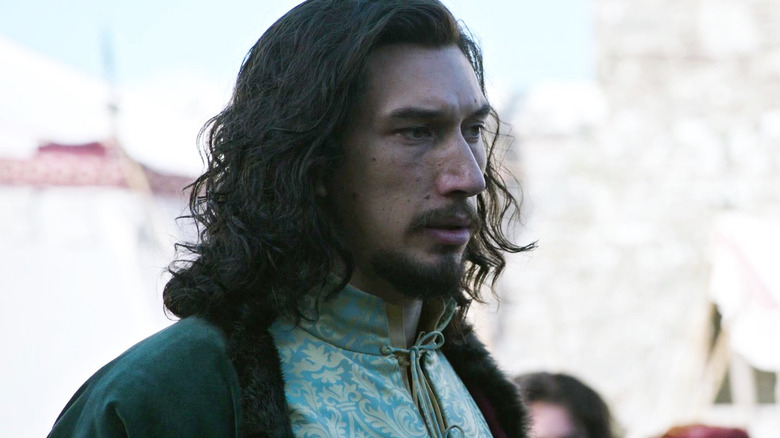
The gimmick for "The Last Duel" is clever, as it tells the same story from multiple perspectives (à la the Akira Kurosawa classic "Rashomon"). Set during the Hundred Years' War, sometime in the 1370s, the movie's plot initially unfolds through the eyes of Sir Jean de Carrouges (Matt Damon), a knight in the service of Count Pierre d'Alençon (Ben Affleck). Jean sees himself as a hard-working patriot who is merely trying to advance his career in what modest ways he can and works hard as a soldier. He aspires to improve his station by marrying (and accepting the dowry of) Marguerite de Thibouville (Jodie Comer).
Meanwhile, Jean's rival, Jacques le Gris (Adam Driver), becomes the Count's favorite, and the pair spend a lot of time together. Jacques has more money and connections, prompting Jean to regard him more and more as a villain. Eventually, the situation culminates with Jacques meeting Marguerite at a party and forming an unhealthy obsession with her, so much so that he travels to the Carrouges' castle and sexually assaults her while Jean is away on a military assignment.
The film then backtracks and recounts its narrative from Jacques' point of view. Now, all of a sudden, Jeans comes across as a slovenly buffoon, while Jacques sees himself not as a wicked opportunist but as a suave charmer who very much deserves the Count's favor. Similarly, when he meets Marguerite, she banters with him flirtatiously. The sexual assault still takes place, but it's portrayed as more of a begrudging love affair. Jacques' version of the story has a bleak "She wanted it" attitude.
In the third act, though, we see the story from Marguerite's perspective, and, of course, this segment is what really happened.
The Last Duel was generally liked by those who saw it
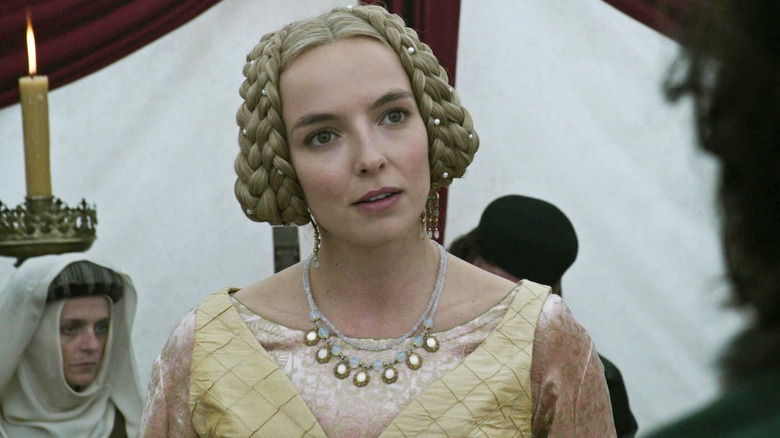
Marguerite's perspective on her own assault is, obviously, quite distressing. In her version of the story, Carrogues is indeed a giant clown who is solely concerned about his career and who treats everyone with cruelty and ignorance. Jacques, she is able to intuit right away, likewise intends to hurt her, and she does everything she can to fend off his advances without incurring his ire, as he is well-protected because of his wealth and station. When Marguerite tells her husband that Jacques assaulted her, his response is to yell, "How could you do this to me?" and immediately insists they also engage in coitus so he can "claim her" again. It's later revealed that Marguerite is pregnant.
The ending of "The Last Duel" involves the titular duel, itself the result of a public trial. Jacques is accused of assault, but the trial is more about the two men fighting over their own personal "honor." If Jean loses the duel, it means that Jacques is exonerated and Marguerite has "falsely" accused him of assault. In that event, she will be burned at the stake for "lying" about their "affair." There are no good outcomes for her.
Critics quite liked "The Last Duel," as evidenced by its 85% critical score on Rotten Tomatoes. Many reviews, both positive and negative, noted that the movie was very much a reflection of the #MeToo movement, reframing a traditionally "macho" story of "noble knights" as a tale of a forgotten woman's suffering and assault at their hands, and in this capacity, it's great. The only real issue with the film is cinematographer Dariusz Wolski's grainy, dim, indistinct photography.
Otherwise, it's definitely worth your time. It's currently on Hulu.