

Critics Adore Daisy Ridley's Zombie Movie That Flew Under Everyone's Radar
Zombie movies are a dime a dozen, but regardless of what you might think, the genre never really runs out of steam. Indeed, the best zombie movies of all time show how versatile the genre is and how zombies can serve as allegories for a wide range of themes. It's a genre that keeps reinventing itself, whether it's George Romero adding social commentary with his "Of the Dead" series, "Return of the Living Dead" adding humor to the genre, "28 Days Later" giving a gritty and grounded look to zombies, or the success of "Train to Busan" highlighting global offerings, there is always one filmmaker daring to do something slightly different with the living dead.
We've seen zombie rom-coms, Scottish zombie Christmas musicals, zombies getting cured and returning to normal, and so much more. That said, there is always some skepticism when it comes to a new zombie movie, and it's not unusual for them not to make an immediate impact, since some audiences tend to overlook them as just another zombie movie. So is the case with a Daisy Ridley zombie movie that flew under everyone's radar, but which critics simply adore.
The movie is "We Bury the Dead," which had its world premiere at the SXSW film festival in 2025 before receiving a brief theatrical release in the United States in January of 2026.
The premise is simple — a woman is desperate to find her missing husband amidst a zombie apocalypse. Simple enough, right? Except here, the undead are but a rare group of people with an unexpected side effect from an American biological weapon that detonated off Tasmania, either killing the population of the island or turning them brain dead. Out of the brain dead, some started to regain motor function and turned violent.
We Bury the Dead is a different kind of zombie movie
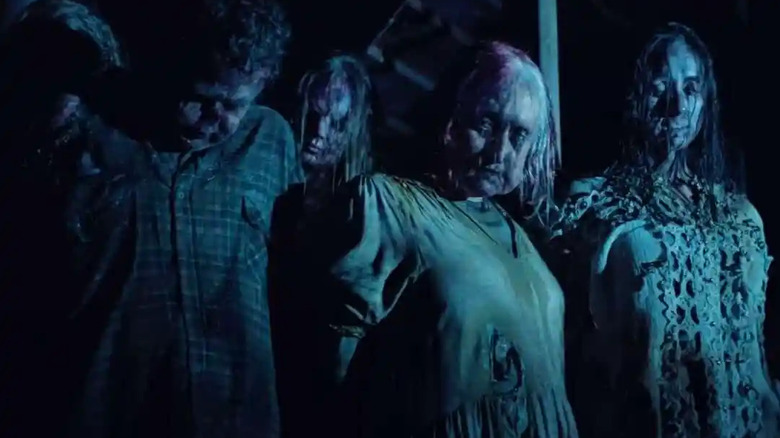
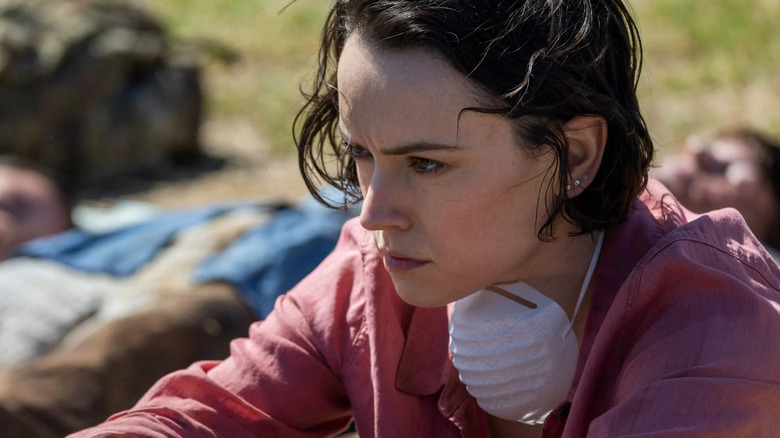
The film resonated with critics, earning an impressive 88% on Rotten Tomatoes, as it does some fascinating things with the genre. The biggest and most immediate thing "We Bury the Dead" does differently is that zombies aren't guaranteed. Not everyone who dies turns into a zombie, and not all infected become zombies either. Instead, it's a seemingly random side effect of an accidental United States attack on Tasmania. Daisy Ridley's Ava spends a big part of the movie just retrieving bodies — both fully dead and just brain dead. Only some of those who are brain dead suddenly wake up and become aggressive.
It's kind of a cliché to say that a movie is about grief or trauma since, well, so many movies are about grief and trauma nowadays. Still, Zak Hilditch ("1922") makes the fascinating choice of showing people unafraid of the zombies. Quite the opposite: we encounter characters in the movie who desperately wish their loved ones would come back as zombies, because it's better than the alternative. When and why some people wake up as zombies is never really clear in the film, but it seems that those who do have unfinished business, with not all of them being violent.
The dramatic approach to the zombie genre is not entirely dissimilar to another Australian zombie film — "Cargo," starring Martin Freeman, a movie that outdoes "The Walking Dead" in its human drama and ability to make audiences emotional. In "We Bury the Dead," Daisy Ridley gives a fantastic performance as a woman grieving her husband, desperate for answers and slowly coming to accept the new reality she lives in.