

HBO Max's Quirky Sci-Fi Superhero Show Has A Near-Perfect Rotten Tomatoes Score
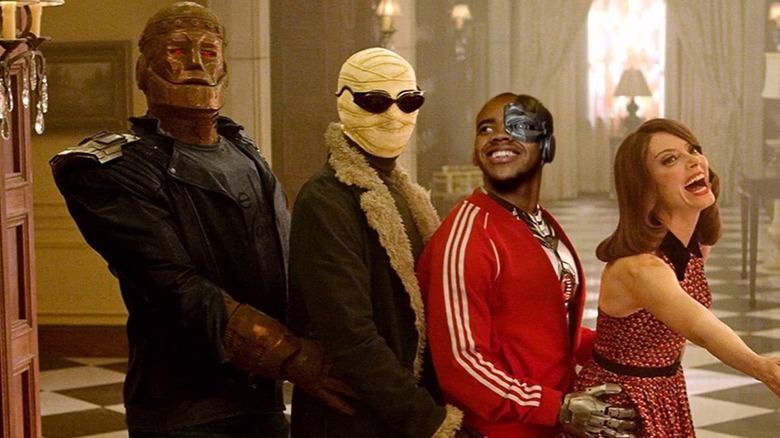
Superhero fatigue is a real thing, but there are TV shows that can remind you of the best of what the genre can offer. One of those shows is "Doom Patrol," which debuted on the long-defunct DC Universe streaming service alongside "Harley Quinn," "Swamp Thing," "Stargirl," and "Titans." Of them, "Doom Patrol" was by far the weirdest, a quirky sci-fi superhero show largely inspired by Grant Morrison's run on this classic group of misfits, predating even the X-Men.
"Doom Patrol" is a deeply weird, shockingly emotional, and hilarious superhero show that's better than most superhero media. If you don't believe us, just look at the Rotten Tomatoes score for the series. Over its four-season run, "Doom Patrol" maintained a near-perfect score (averaging at 98% Fresh), with seasons 3 and 4 having a 100% and Season 1 (the lowest) sitting at 96% Fresh.
There are two big reasons to stop whatever you're doing right now and watch "Doom Patrol" for the first time (or again if you've seen it already), and the first is how unabashedly cuckoo bananas this show is.
We've seen DC TV shows that are bonkers and weird. "Legends of Tomorrow" was full of unbelievable moments, like when Gorilla Grodd traveled back in time to assassinate Barack Obama. But that's nothing compared to "Doom Patrol," which took full advantage of its streaming format and mature age rating. There was the time an army of genetically-engineered butts started a zombie apocalypse, a Ghostbuster-like team of spirit hunters specifically hunting racy ghosts, a hot make-out session between a cockroach and a rat, and a scene where a circus strongman literally gave an entire street's worth of people an, ahem, good time by flexing his muscles. And that's just scratching the surface.
Doom Patrol is a surprisingly small-scale superhero show
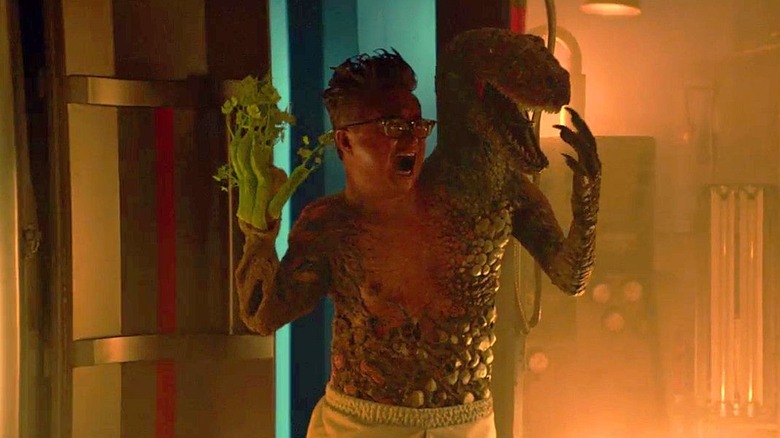
The second thing that makes "Doom Patrol" unique is its small scale. Sure, it's got world-ending stakes like every superhero story, but the approach remains intimate and grounded in the characters.
Every member of the titular patrol is very messed up, by their own admission. They are not just flawed; they are losers and rejects. What's more, the show doesn't just try to have them improve immediately; quite the opposite. "Doom Patrol" understands that life is about setbacks, and so the characters do one step forward, two steps back. For every bit of progress, there's a lot of failure that follows, and it's heart-wrenching to see them struggle to accept themselves and their mistakes. In many ways, "Doom Patrol" is the best live-action X-Men show we've never had (not only because the original comic team predated the Marvel group by a couple of months and they share many similarities), as it focuses on misfits being rejected by society and their powers mostly being a curse to them.
The villains in "Doom Patrol" tend to be created by the team itself, keeping the stakes and the stories grounded and deeply tied to the character arcs. Take the big climax of Season 3, a fight against the Brotherhood of Evil that is straight out of the ending to "Neon Genesis Evangelion." Rather than a big CGI fight, it's an introspective therapy session in the characters' subconscious that determines the fate of the world. One of the best scenes in the entire show is Matt Bomer's Larry singing Kelly Clarkson's "People Like Us" at a cabaret bar on a sentient, genderqueer, teleporting street named Danny.
There is no superhero show like "Doom Patrol," and that is what makes it special.
Doom Patrol remained sincere in its eccentricities
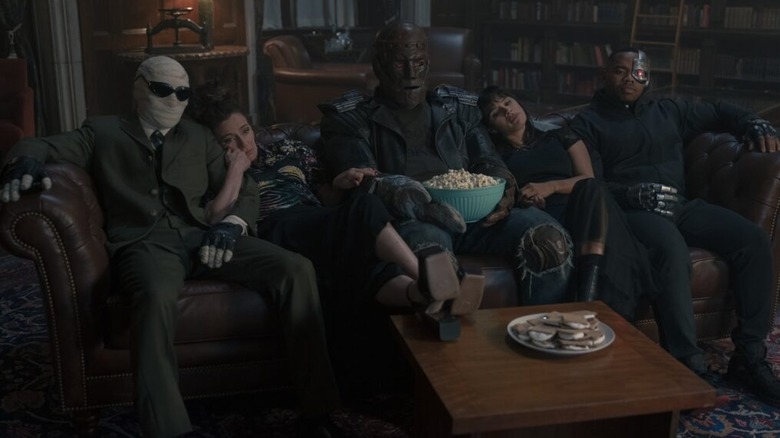
There are plenty of superhero titles, especially TV shows, that try to go for weird and bonkers. "Umbrella Academy" charmed audiences with its dance numbers; "Loki" played around with alternate timelines to explore weird variants of its titular god of mischief.
What made "Doom Patrol" so special was that the weirdness of the show was always in service of the characters. Every member of the titular patrol was just an ordinary person until they gained special abilities in a tragic accident. Most of the show is about them realizing they are not the biggest monsters on the planet, but rather that they are entering a much, much weirder world than they could have imagined. Through that weirdness, through incredibly bizarre scenarios and fights with everything from a talking gorilla to a testicle monster, the patrol slowly starts to embrace and accept themselves.
The Arrowverse started out almost embarrassed by its comic book-ness before slowly introducing more cartoonish and fantastical elements; Marvel has only recently embraced the weirdest aspects of its source material. "Doom Patrol" was different; it told you what it was from day one. It was a show full of profanity and gore without them being an easy joke or crutch like, say, "The Boys." It often joked about the larger DC Universe in a way that didn't come across as just a mandate from above to keep the patrol separate from the Justice League.
Marvel's "Thunderbolts*" feels, in many ways, like their answer to "Doom Patrol." That movie understood the lessons this DC live-action TV show imparted and managed to tell a story that was weird but also emotional and grounded. The Doom Patrol may be gone, but its spirit lives on.