

The Scream Franchise Has Officially Become The Thing It Hated The Most
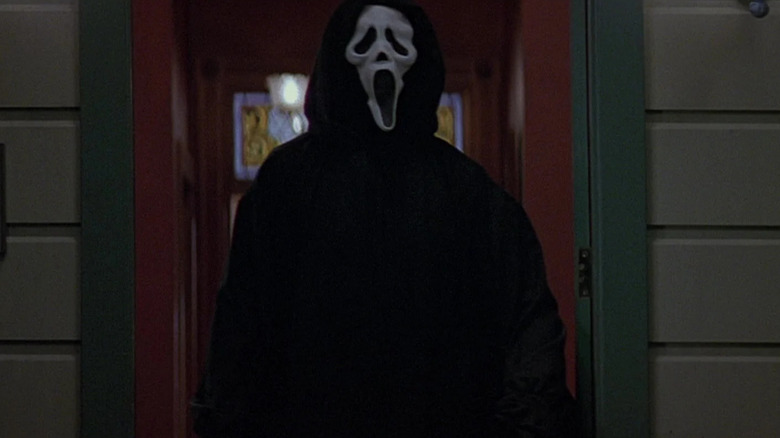
Wes Craven's "Scream," released 29 years and change before Kevin Williamson's new film "Scream 7," was not just one of the best films of the 1990s, but maybe one of the most '90s films of the 1990s. Recall that the 1990s were a time of increased self-awareness in pop media. Deconstruction was the word of the day, and a lot of movies and TV shows came with baked-in auto-commentary and ironic self-reflection. Wes Craven already cracked that door open in 1994 with the release of "Wes Craven's New Nightmare," a film about Freddy Krueger breaking free from the confines of movies and stalking the actors from the original "A Nightmare on Elm Street."
"Scream" served as a deconstruction of slasher movies, the horror subgenre that had dominated the 1980s. The 1980s saw hundreds of slashers, as they were cheap to make and tended to rake in boatloads of cash. But by the 1990s, the genre had more or less died, collapsing under the weight of its own insubstance.
"Scream," in dialogue (provided by Williamson's screenplay), acknowledged that slasher movies are no longer scary, and abide by dumb, easily recorded tropes and clichés. The characters all knew slasher movies, and talked about slasher movies, often pointing out what rules and screenplay beats they all follow. "Scream" was an effective slasher unto itself, of course, but it also kind of hated how banal the genre had become. It was time, "Scream" declared, for us to put the slasher to bed and come up with something new. Also, its ending kicks ass.
29 years later, the "Scream" series itself is no longer offering commentary on a moribund genre. Now it's just ... kinda doing the thing. It has become what it hated the most: a banal slasher full of tired tropes.
Scream started out as a criticism of banal slashers
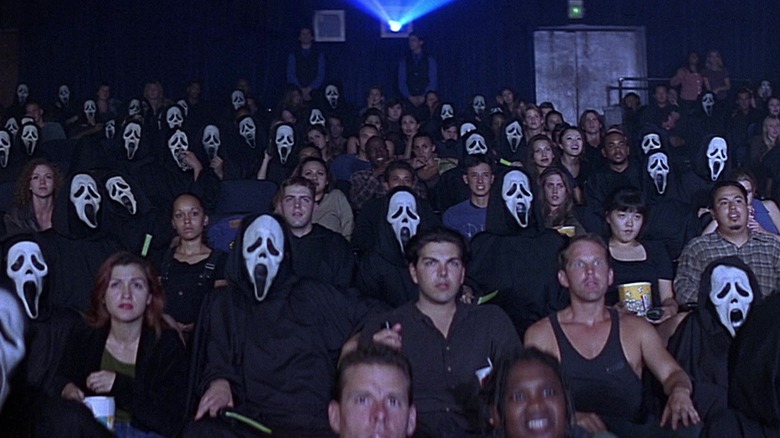
It should be acknowledged that the first "Scream" was a massive, massive success. On a modest budget of about $15 million, it made $173 million at the box office. Not only that, but it rattled the MTV generation's zeitgeist, finally acknowledging that, yes, the slashers we grew up watching were kind of dumb, weren't they? And the comment came from Wes Craven, whose own 1984 film "A Nightmare on Elm Street" helped push the slasher genre forward. He was taking the piss out of the genre, and out of himself.
But the film's success guaranteed a sequel. So Craven and Williamson re-teamed for "Scream 2," released less than a year later. "Scream 2" (the best "Scream" sequel), however, saw the teenage characters of the film trekking off to college ... and taking film courses. As they were now part of a sequel, they could comment on the banality and rules of slasher sequels. How silly would it be if a new murderer tried the same thing as the last film's (slain) murderer? "Scream 2" lampshades that. They also riff on the popularity of "Scream" by presenting an in-universe counterpart called "Stab," a slasher movie ... about the events of the first "Scream." The sequel wasn't necessary, but Craven and Williamson managed to work some good additional horror commentary into it.
After that, though, the "Scream" series lost sight of what it was trying to do. Rather than deconstruct and dismantle slashers, they just became slashers. "Scream" became a horror legacy franchise, one dependent on nostalgia. The series became about retaining and re-litigating the past, no longer interested in ripping it down.
Scream was never meant to have a legacy
It would have made sense for the series protagonist, Sidney Prescott (Neve Campbell), to have become the killer in 2000's "Scream 3." Her life kept getting interrupted by murders, all of them perpetrated by some mysterious bozo in a Ghostface mask. The comment could have been that slasher victims, if they ever actually witnessed the level of bloody mayhem seen in an average slasher movie, would likely go mad with the trauma, and join the cycle of violence. The film's only real commentary was a vague rejection of the way violent media sells tickets in a modern marketplace.
Fast-forward to all the additional "Scream" sequels, though, and there's no commentary at all. 2011's "Scream 4" acknowledged that there were a lot of bad horror remakes in the late 2000s, but didn't really seem to comment on whether that was good or bad. The 2022 "Scream" began with a new generation of characters, but only the scantest of lip service was paid to the way horror plots in modern movies can be dumb. But by 2022, there were new tropes to deconstruct, but "Scream" wanted instead to coast on title familiarity.
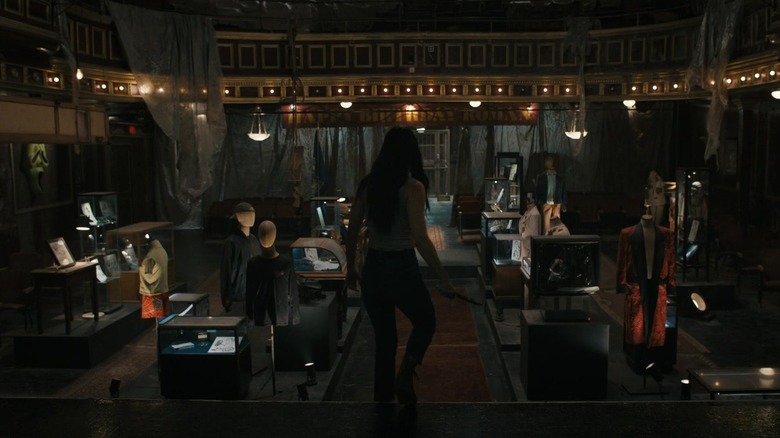
By the time we got to "Scream VI," it became clear that the series reveled in the past, loved it, and even held it sacred. The point of "Scream" was to rip apart slashers, but the sequels didn't listen. Indeed, they venerated Craven's film. There is a scene in "Scream VI" wherein characters browse a literal museum of memorabilia from the first "Scream," held touchless in glass cases. "Scream" wanted something new to be born and for the past to die. The new "Scream" movies, still being made 29 years later, won't let it.