

This '60s Sci-Fi Thriller With A Fascinating Premise Is A Terrifying Masterpiece
As the world entered the 1960s, people were both inspired and terrified by the giant leaps being made in science and technology. The United States and Soviet Union were sending astronauts into space, driving humanity to dream of traveling to other planets and perhaps making first contact with visitors from another world. Meanwhile, people were terrified by the proliferation of nuclear weapons, which, as we knew from the bombs dropped on Hiroshima and Nagasaki at the end of World War II, possessed the power to wipe out all of civilization.
There was reason for hope at the outset of the decade, but filmmakers — following the lead of influential sci-fi authors like Ray Bradbury, Isaac Asimov, and Robert A. Heinlein — tended toward dark, cautionary tales. Given humanity's proclivity for self-destruction and outright cruelty, they were only being practical. It'd be nice if we could use all of these advances to make the world a better place (and through the development of life-saving vaccines, we did for a while), but sooner or later, we'd find a way to screw it all up. It's what we do.
This is why some of the greatest sci-fi movies of the 1960s are total downers. "Planet of the Apes," "Village of the Damned," and "Fahrenheit 451" offer up nightmare scenarios driven by our stupid dystopian desires. In most cases, we have a hand in our own demise, but we are too often tempted by heinously misleading corporate promises of a better life if you fork over a load of money for their latest miracle product. In John Frankenheimer's unremittingly bleak 1966 masterpiece, "Seconds," it's a miracle procedure, one that can plop you into a happier, more satisfying life. Instead, it's a one-way ticket to hell.
Seconds is an anti-escapist film
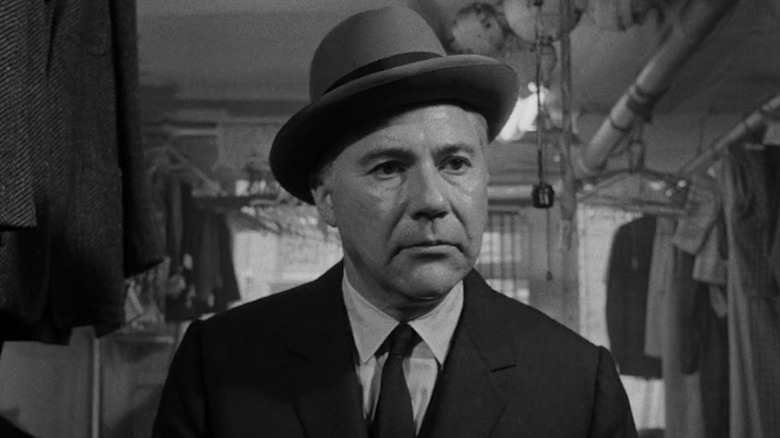
When Frankenheimer opted to make "Seconds" in 1966, he was coming off a string of excellent films that included "Birdman of Alcatraz," "The Manchurian Candidate," "Seven Days in May," and "The Train." He'd acquired a reputation for being a deft visual stylist, skillful editor, and a master of suspense (he was a major influence on Steven Spielberg), which seemed to bode well for his film of David Ely's deeply disturbing novel. Screenwriter Lewis John Carlino wrote the adaptation, which centers on middle-aged New York City banker Arthur Hamilton (John Randolph) unexpectedly being given a shot at a new life as a completely different person by a shadowy outfit called The Company. Though he is deeply dissatisfied with his loveless marriage and seemingly pointless existence, he isn't so hot on the idea. But when he's administered a drug that compels him to commit sexual assault on a random woman, The Company has all the leverage. Arthur's life is effectively ruined. Time to become someone else.
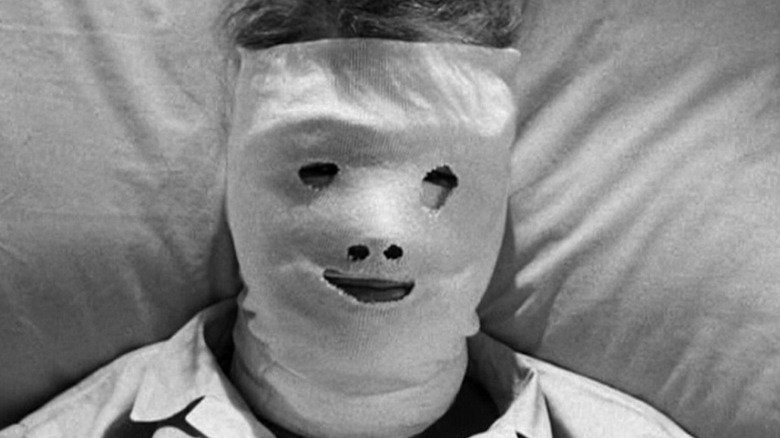
The transformation is excruciatingly painful. His entire physical identity (aside from his vital organs) is replaced. When it's over, he is Antiochus "Tony" Wilson (Rock Hudson), a successful California painter. He is sent to live in a community with other "reborns," where he struggles to adjust because he can't let go of his former identity. He's got half a life invested in being Arthur Hamilton, which includes a daughter with whom he yearns to reconnect. Alas, there are dire consequences for failing to transition.
Seconds was panned before it was declared a classic
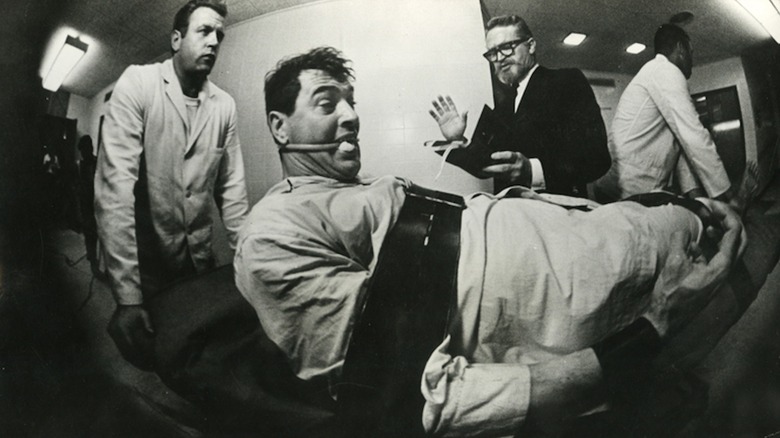
"Seconds" was shot by genius cinematographer James Wong Howe, who encouraged Frankenheimer to employ a distorting, 9.7mm fish-eyed lens to heighten the sense of Arthur/Tony's disorientation. The effect was so unnerving that when the film debuted at the 1966 Cannes Film Festival, the audience, which was also turned off by the relentlessly upsetting tone, showered it with boos. This reaction was so disconcerting to Paramount that the studio dumped the movie later in the year.
Critics generally rejected "Seconds" in 1966, but the film has received a full-scale reappraisal and is now considered one of the finest sci-fi films of the decade. In a 2000 interview with The A.V. Club, Frankenheimer said, "'Seconds' is one I can laughingly refer to as the only movie I've made that's gone from failure to classic without ever being a success." The film has been added to The Criterion Collection, yet, while I own a copy of it, I'm rarely in the mood to watch it again. As with David Cronenberg's equally depressing "Dead Ringers," the ending is too crushing; it's an incredibly rewarding watch as a movie lover, but I know I'm going to feel awful when the credits roll.
Nevertheless, "Seconds" is essential viewing. You must watch it at least once, especially if you dug Coralie Fargeat's "The Substance," which might not exist without Frankenheimer's film.